

Once again, Terra Nova has teamed up with mountaineer Nigel Vardy as he attempts to climb the 7 highest mountains on the world’s 7 largest islands. These being:
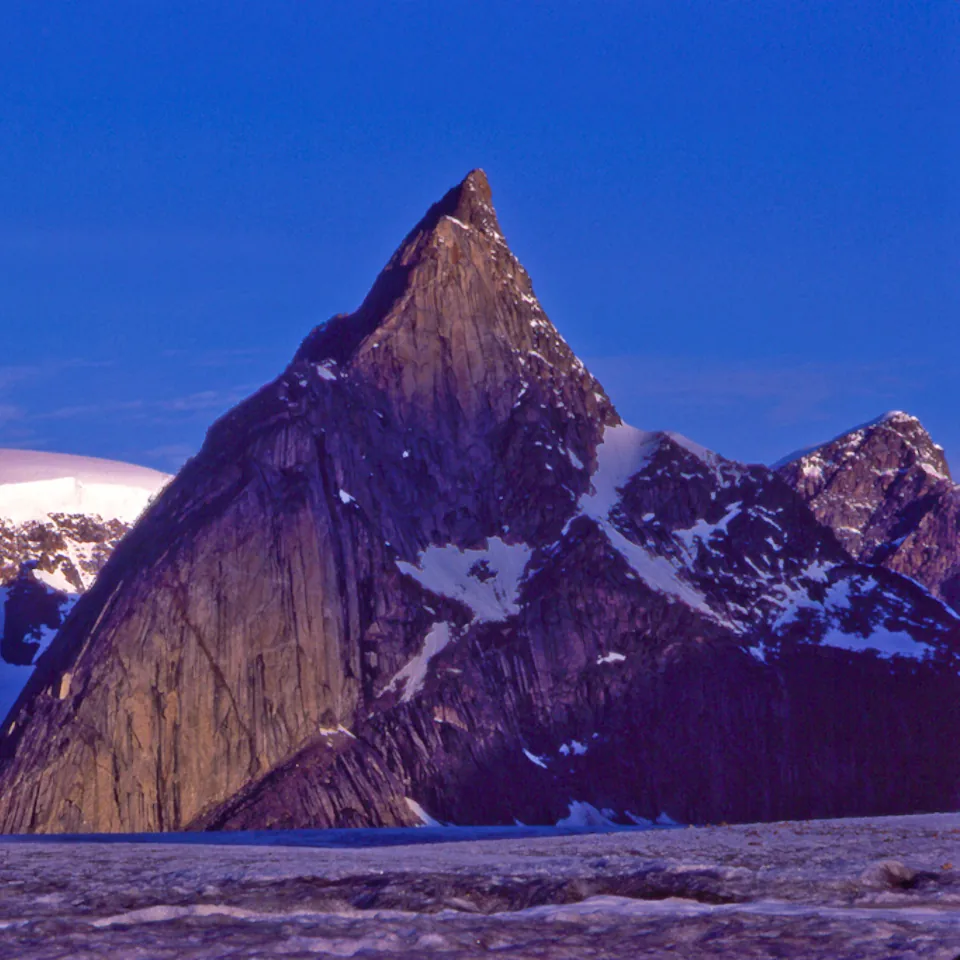
Penny Ice Cap
Baffin Island
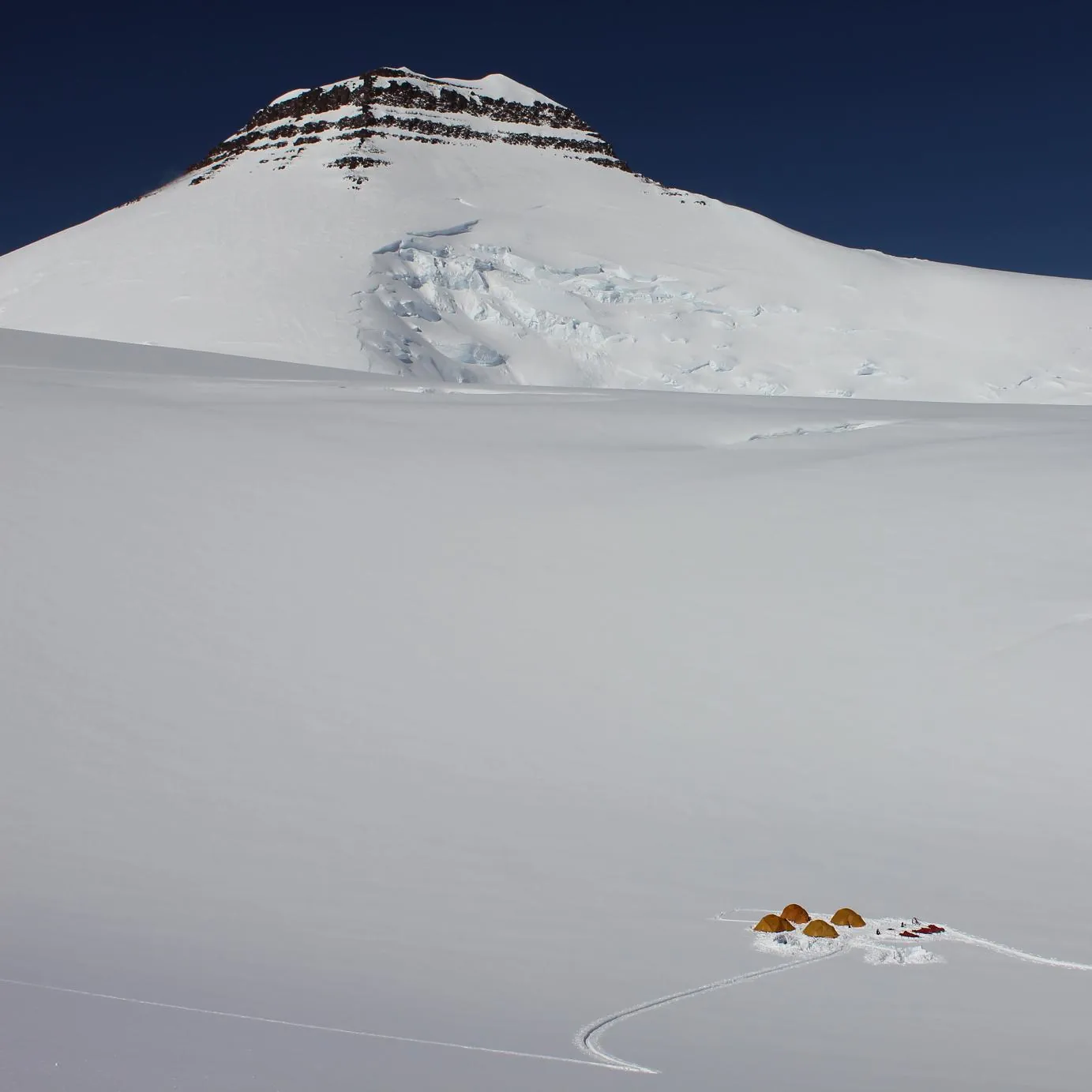
Gunnbjornsfjeld
Greenland
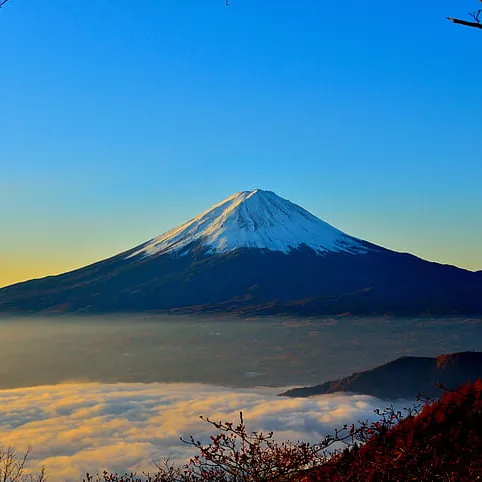
Mt. Fuji
Japan
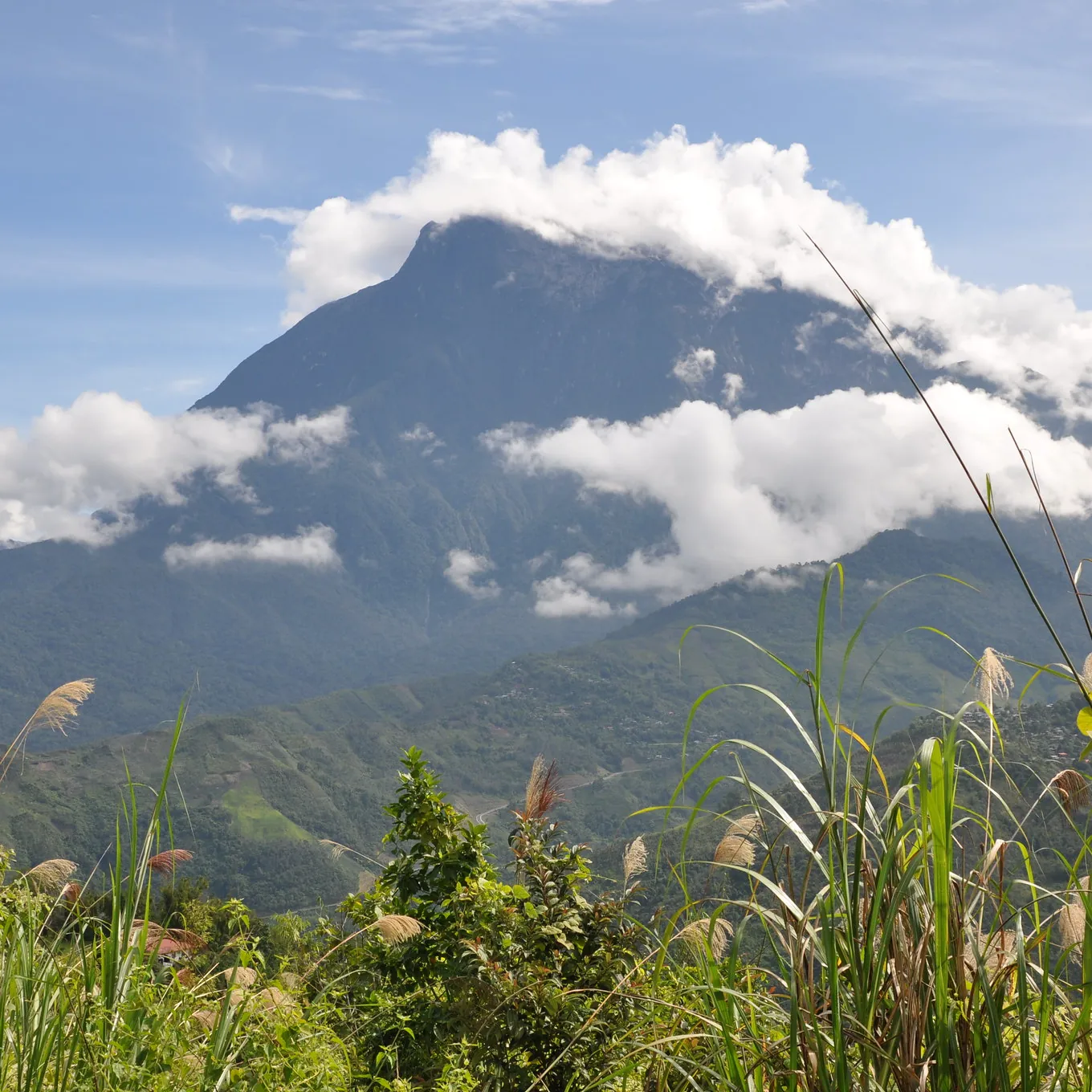
Mt. Kinabalu
Borneo
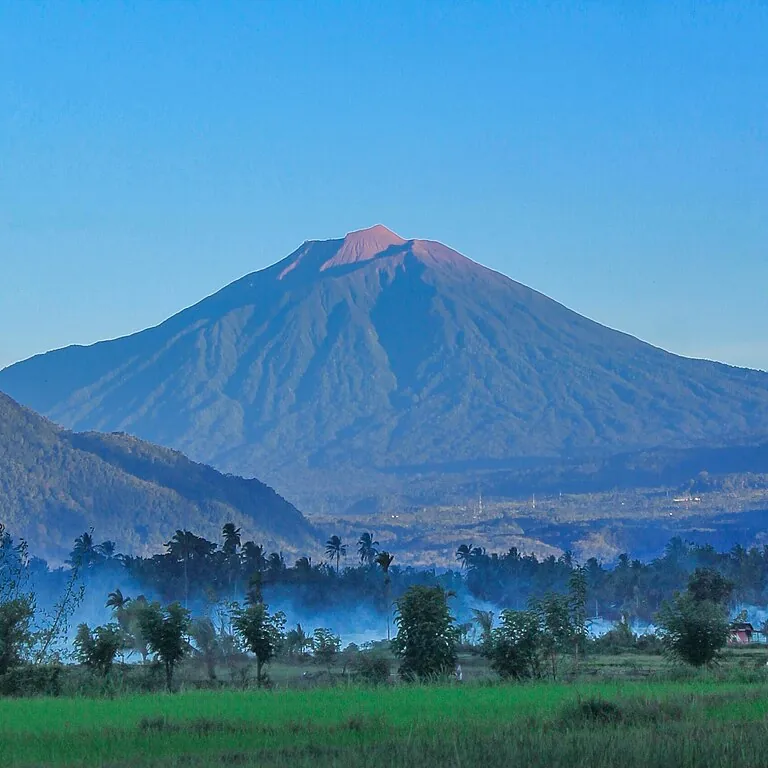
Gunung Kerinci
Sumatra
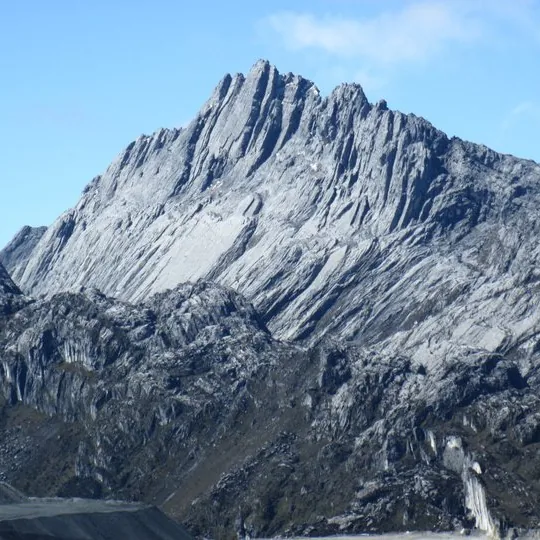
Carstensz Pyramid
New Guinea
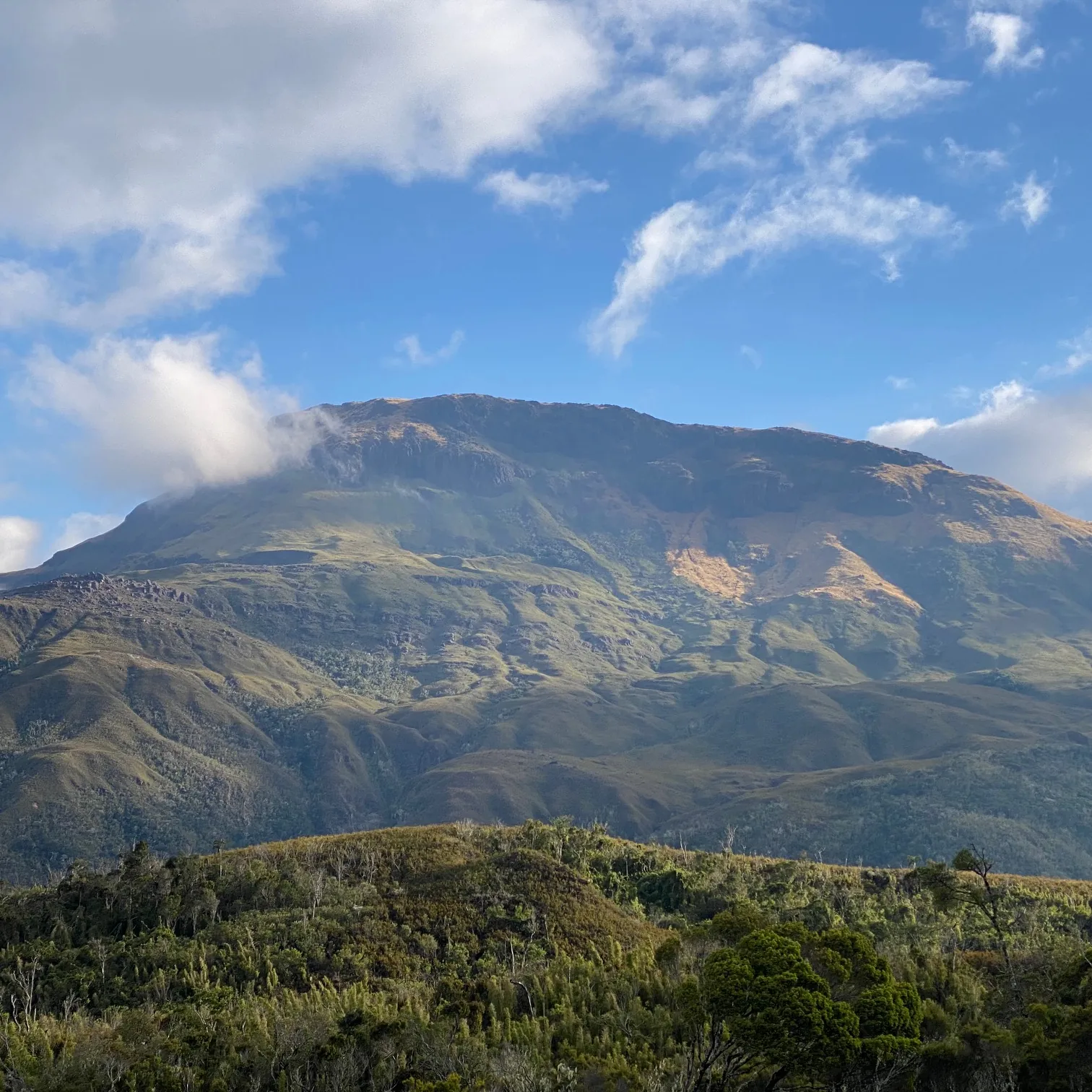
Maromokotro
Madagascar
Should he succeed, he believes he will be the first British Climber to do so.
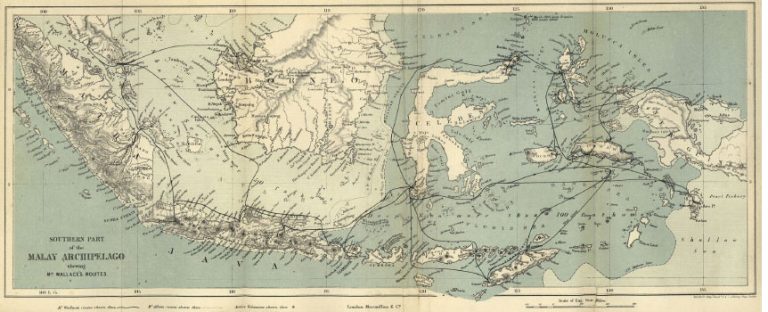
Having succeeded on the first three, Nigel has recently returned from an extremely eventful trip to Borneo and Sumatra. Taking with him a Terra Nova Laserlarge 1 along with Extremities Thicky and Thinny socks. The story below is his account of this trip.
Borneo – For many years the name has conjured up images of dense jungle, swamps, headhunters and strange wildlife. Its quite a change of destination from my recent expeditions, but it was here that I stared my trip to not only climb Mt. Kinabalu, but to also explore some of this mysterious land.
Thunderstorms lit the sky as the plane descended into the coastal town of Miri. I hoped it wasn’t going to be a bad omen. I hitched a ride into town, met my guide, and set off for the famous Mulu Caves.
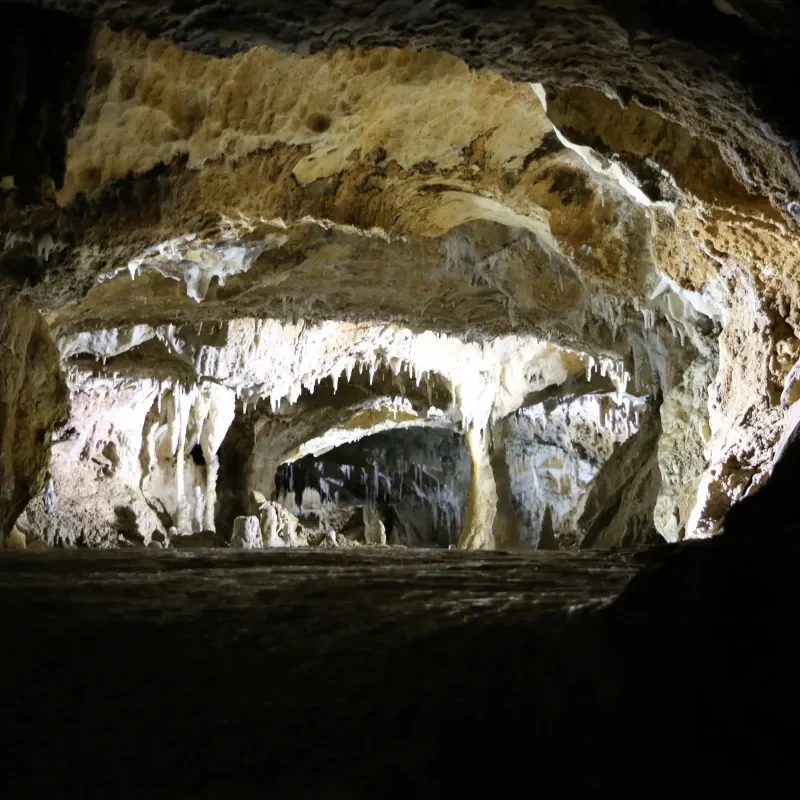
The caves are the largest in the world and populated by literally millions of Bats and Swiftlets. They circle the sky – one by day, one by night in search of insects, which is fine by me. The more mosquitoes they eat the better. Stalactites and stalagmites range from a few inches to over 20ft in length giving an incredible display of shadow and light. Many of the caves have multiple entrances allowing rain, sunlight and vegetation in at great depths. They are cool inside, which is refreshing after the heat of the jungle, but the smell of guano is overpowering.
Its a good job my sense of smell is poor! The floor literally sinks beneath your feet with it. Deer Cave has the largest entrance and can apparently hold two St. Paul’s Cathedrals inside it. When you stand in the entrance and realise that your torchlight doesn’t even reach the ceiling, you believe it. Words howeve,r will never describe these caves enough and I can only hope that you have the opportunity to see them with your own eyes. Outside,e the rain poured. It was going to be one of those trips. The wet season was about to start and wasnt I going to know about it!
We moved by riverboat and on foot for the next few days to reach a remote shelter called Camp 5. A team of British cavers had set up an expedition base there. The Mulu caves are still being mapped – they really are that vast. It brought back memories of Raleigh days and let a little peace settle inside me. Oh! For those days of youthful excitement. The next challenge was to climb Mt. Api and see the Pinnacles.
Mt. Api stands at 1750m and is regularly climbed by dozens of people. They dont especially go to climb the peak itself more than to gaze across at the Pinnacles – a row of limestone towers, which stand over the jungle like a line of Dragons Teeth. Some are 45m high, and I suspect unclimbed. You would have to be very brave or very stupid to try them. The limestone is young and its edges are razor sharp. They look so out of place in this green landscape that you imagine some Hollywood producer had put them there. I descended to Camp 5 for a fitful night’s sleep. The jungle was alive, snoring seemed to surround me, and I was still jetlagged. Other than that, everything seemed fine, but that was all about to change…
The next morning rain poured like never before and I ventured out along the headhunters Trail to then travel downriver. All seemed damp, but ok as I crossed Rope Bridge looking for that Indiana Jones moment. I should not have joked.
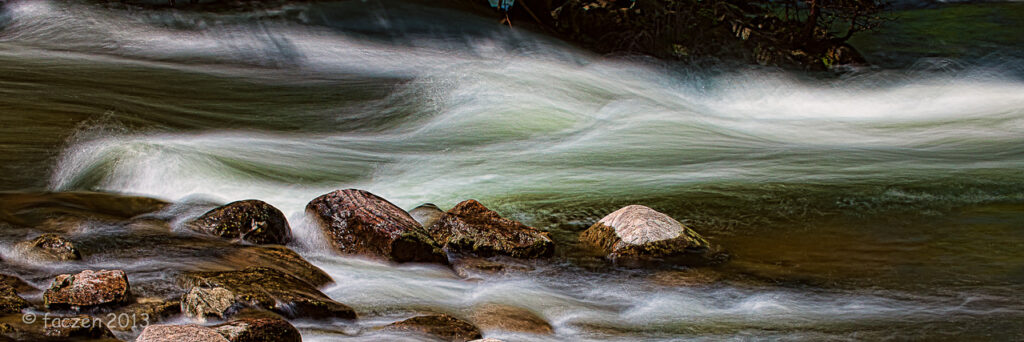
The boat set off downstream on the Terikan River and turned into a rapid. It shot between the white water, struck something hard and began to roll. Water engulfed her and threw me and all the other passengers deep into the bubbling mass. I came up and gasped a quick breath before being sucked under again. A hand grabbed my shirt and pulled me up towards the light. I broke through the surface to hear screaming fill the air, along with the sounds of fearsome and angry water. Bags and wood swirled around me. Below me the boat was jammed in the rocks and I managed to stand on its gunnels and try to make head or tail of what had happened. Suddenly there was loud scream and I looked up to see another boat round the corner and enter the rapid. It couldnt stop as the current was strong and as it accelerated I realised that it was heading straight for me. Either I would be struck or cut in two. In a split second, I had stood up, grabbed the front of the boat and manhandled it away from me. It jammed on the sunken craft and came to a sudden halt. The passengers looked scared to say the least, but at least we were all still alive. With a great heave and roar, I lifted the boat a few inches and she sped away to safety. My fellow passengers looked amazed at this, but I didn’t have time to think. It was all over in a few seconds. If I hadn’t seen the other boat in time, well I might not be writing this story.
Now it was time for the aftermath. There were seven of us in the water. All shocked, soaked, shaking and with a few tears, but we were alive. All of our kit was soaked and the next few days were spent trying to rescue what we could. I lost a great deal of equipment, but that pales into insignificance when your life is on the line. I suffered nightmares for a week afterwards and never felt happy on the river again. Looking back now it was a horrific thing to go through, but in those few awful moments a common bond was formed between us, and we have remained close ever since. Once I had dried out I headed for the Orang-Utan centre at Sepilock.
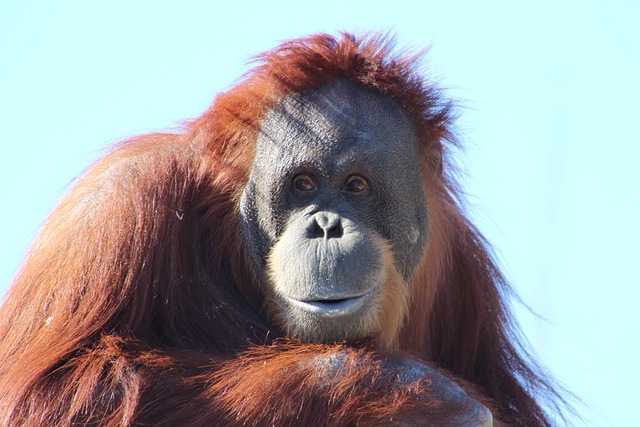
Formed in 1964 to protect these wonderful primates, the centre takes in strays from villages and plantations. The Orang-Utans natural habitat is shrinking fast, and places like this are the only refuge. Our demands for tropical hardwoods and palm oil are the greatest culprits. I hate having to cage animals in like this, but what else can be done? They have 40 sq km of jungle to themselves, and I pray that they live the best lives they can inside it. They are fed twice a day in a kind of media circus. Crowds gather armed with a camera and lens to wait the moment of arrival. Ropes begin to bounce and one after another the Orang-Utans come. They are framed more times than any Hollywood Star and it all seems a bit sad. I am not innocent by any means as I took many photos, but the ooohhhsss and aaarrrhhhsss all seemed a bit sad. Please just get me into the mountains…
Standing at 4095m (13,431ft) high Mt Kinabalu is the highest point between the Himalayas and New Guinea. She was first climbed in 1851 by Sir Hugh Low and has since become a very popular climb – 30,000 people a year attempt it. It’s a two-day affair with an overnight rest at a mountain lodge before making a 3am start for the summit. The lower slopes are well-defined jungle paths strewn with steps and rest stations. The upper slopes are a plain rock plateau, but easily traversed, provided you hold your nerve! It’s here that I’m in my element, although a few people did worry me. A shady figure asked if I had any ‘medicine for altitude sickness’ at around 10,000ft. I didn’t, and the only ‘medicine’ as they put it is to go down, but they would have nothing of it.
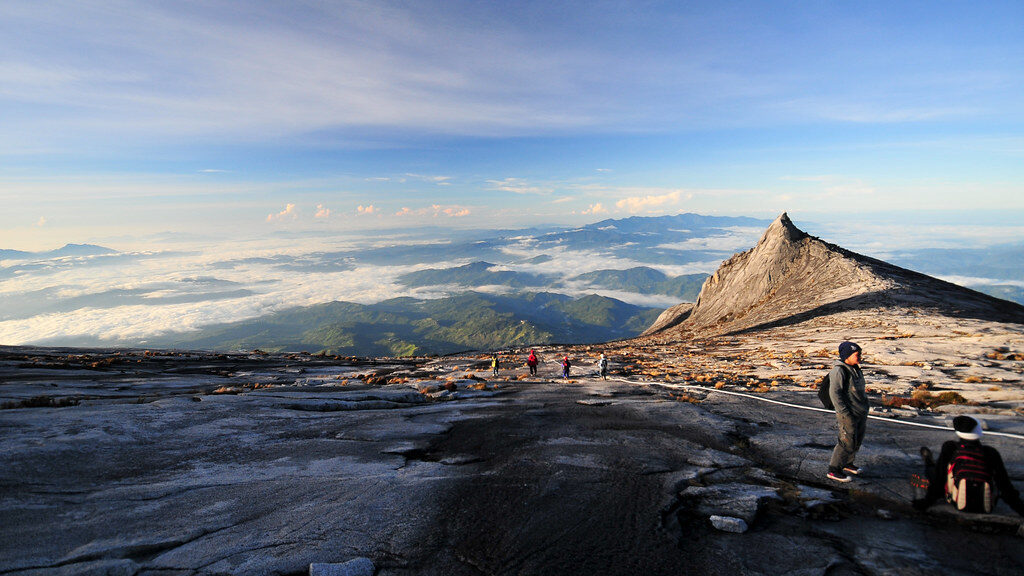
On their heads be it. I have seen people collapse before at altitude, and it’s a very scary sight. You just cannot keep going and risk oedema, but they did. I made the summit at around 5.30 am and the sun rose majestically a few minutes later. Warm orange light flooded over the rock and warmed both my heart and soul. Peak No.4 had been climbed. Around me the buzz of a hundred people filled the air, but I was in my own world, if only for a few moments. Below me lay the Philippine Sea to the NE and the South China Sea to the NW. The infamous Lows Gulley lurked silently, awaiting the next expedition to enter its depths, but that is for someone else. I happily walked down to the base of the mountain, content that my first peak of the trip was done. After a short respite on the coast, I headed deep inland to attempt my second peak – Mt. Trus Madi.
You won’t find this mountain in many guidebooks. She was recommended to me by friends working in Brunei who said that the climb was fantastic and more importantly – quiet. I ventured deep into the Crocker Range to climb this remote peak, starting at the village of Tembunan where I picked up my guide and set off. Mt. Trus Madi is Sabah’s second highest peak and stands at 2462m (8666ft) and I got incredible views of her from the summit of Kinabalu. Even to get to the base of the mountain is a challenge as you negotiate the deep rutted logging tracks in a 4WD. The path then climbs through some of the densest jungle I have ever seen. Sheer drops come at you from every side and rocky outcrops require careful climbing techniques. There were only two of us on the mountain – quite a change from Kinabalu.
The carnivorous Pitcher Plant grows in abundance on the undisturbed slopes, as do fungi and flowers. Monkeys swing through the trees, and birds seem unconcerned at your presence. There was one unfortunate extra, though – litter. Plastic bottles and tin cans were strewn at makeshift campsites on the way. It was such a shame to see this horrible mess in such a pristine area. Surely people can carry their waste down with them? After a hard day’s climb, we reached the summit and set up camp. Standing so high over the jungle allowed unbroken views of mountain and green until the rain came, and did it come! Lightning burst across the sky, and I lay in my tent quite alarmed at the floods of light that illuminated the sky. Being on top of the mountain was a bit dicey, but we were ok and next morning headed down through fields of deep glutinous mud.
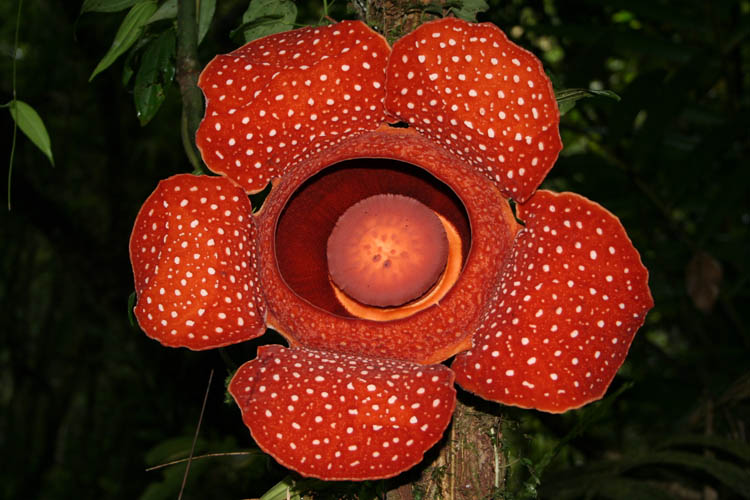
Whilst heading out of the mountains I managed to see the world’s largest flower in bloom. The Rafflesia only blooms for around five to seven days each year and the hills around Tembunan is one of its favourite haunts. I can only describe the flower as rubbery in texture with thick brown stamens. It is coloured brown and cream and looks rather uninspiring except for its enormous size. Mine was a small specimen at around ten inches. Some can grow to over three feet across. Not bad for a parasite. Time to head for Sumatra…
I flew from Kota Kinabalu, through Kuala Lumpur to Padang, before undergoing a seven-hour bus ride to the small village of Kersik Tua. Indonesian buses are an experience all to themselves and I recommend that should you try one please take my advice and use earplugs. You know those cars which you can hear half a mile before you see them? Well all the buses are like that – the stereos are incredible. And as for the drivers, well don’t even go there. Just close your eyes…
At Kersik Tua the skyline is dominated by the giant volcano Gunung Kerinci. Sumatra’s highest peak towers over lush tea plantations, which grow on its rich soils and provides a prosperous living for its inhabitants. Being a volcano has it disadvantages though. When I arrived I soon learned that I had a problem. A small eruption had started only weeks before and a mixture of ash, sulphur and carbon monoxide gas filled the summit air. The climb was off. My heart fell. I had come so far to attempt the peak, but you can’t face nature when she’s active and dangerous. What to do? I decided to stay local and gather what information I could about the volcano, and managed a days walk to Lake Gunung Tujuh, which is the highest volcanic lake in SE Asia, but I felt lost. Here I was with a week to go before my flight home and not sure what to do with myself. I decided to head north and revisit an old travelling haunt from years ago. I went back to Bukittingi.
I last visited this easy going hill town nine years ago and though there have been a few changes it still holds a place dear in my heart. It is the stronghold of Minangkabau culture and their sharp pointed rooftops sever the horizon. I was surprised at the lack of travelers here, usually it is packed, but people have been frightened away by the repeated bombings in Bali and last years Tsunami. It’s sad to see the town quiet, but I’m sure in time things will improve. An hours bus ride from town is the idyllic Lake Maninjau, another old haunt. I decided to end my trip there before flying westward for home.
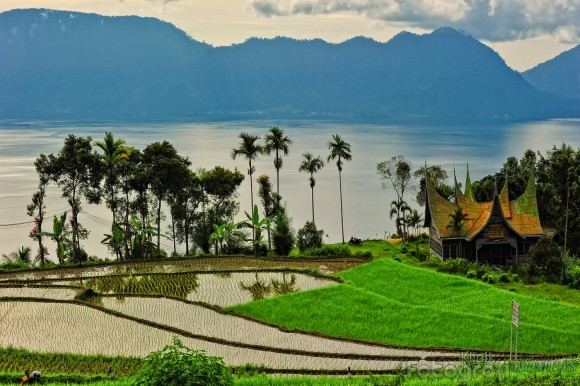
The approach road is something of an adventure in itself as you negotiate the forty-four hairpin bends down to the shore. Once again I gripped my seat in the vain hope it would keep me safe. The bus driver must have watched the Italian Job a few times as he took the corners with great speed, but eventually we made it down and I walked to the lakes immaculate edge. She is volcanic, deep blue and warm. I lay in the water and all the ills of the world seemed to disappear. My battered skin grafts breathed a sigh of relief. They hadn’t seen hot humid weather before and I was surprised how well they had managed. After almost four weeks non-stop adventuring they had told me to slow down and when they talk I have to listen. Fishermen silently canoed across the evening water pulling in their nets as bats circled through the palm trees. I can’t think of a much more idyllic place. Being me though I could hardly sit about and the next day I cycled the thirty miles around the lake.
The sun beat down, illuminating the rice fields beautifully. Oxen tilled wooden ploughs through the paddies, and distant stooped figures planted rice as they had done for centuries. Fish farms floated in the warm waters, which boiled with activity at feeding time. Silence surrounded me. It all came to an end with a sudden downpour. I raced for cover and realised my trip was over. The next day, I began the long journey home.
Looking back now it’s easy to think that this last trip was at times disappointing. The river accident certainly was touch and go, and I will have to return to climb Gunung Kerinci at sometime in the future. However I experienced the jungle at its best, saw fantastic wildlife and managed to climb two incredible mountains. There is no way that I can rate it against my Arctic or Himalayan exploits due to the differing nature of the climate, but to experience the Islands of Borneo and Sumatra was wonderful. The mosquito bites are slowly receding now and the jetlag has gone.
All I need to do is get used to the English weather again…
For more details, click here