Stylised white mountain peak with a yellow flag on a curved white pole planted at the summit, set against a slate-blue background and framed by a dark border.

Thermal

Providing a level of thermal protection without the bulk

Engineered to be breathable whilst still offering a level of thermal protection.

The single layer, heat-retentive design allows for greater dexterity - making thermal items adaptable across multiple winter sports and outdoor activities.

Stylised white mountain peak with a yellow flag on a curved white pole planted at the summit, set against a slate-blue background and framed by a dark border.

Packable

High performance whilst being compact and stowable

Products designed to compress down and stow away when you don't need them, and deploy at a moments notice for when you do.

Using packable items reduces the need for a large pack, keeping you lighter on the trail and helping with marginal gains.

Stylised white mountain peak with a yellow flag on a curved white pole planted at the summit, set against a slate-blue background and framed by a dark border.

PitchLite

The lightest way to pitch a tent

Products with this icon are compatible with the PitchLite system, enabling flysheet‑only pitching for fast, lightweight shelter deployment.

  • Lighter pack weight
  • Smaller carry size
  • Maximised flysheet space
Rounded rectangular product graphic for PrimaLoft Gold Insulation ECO showing a white insulation cross-section with water droplets labelled water resistant, a 55% recycled content icon, a red heat cone labelled thermally efficient, an arrow labelled compressible and the text fast drying, plus the PrimaLoft logo
Stylised white mountain peak with a yellow flag on a curved white pole planted at the summit, set against a slate-blue background and framed by a dark border.

FlexiPorch

Variable configurations for better living solutions

Features an adjustable toggle system that allows you to tailor the porch size to suit alternating situations and storage needs.

  • Customisable living space
  • Stablises groundsheet walls
  • Maximise storage or living space
Rounded rectangular product graphic for PrimaLoft Gold Insulation ECO showing a white insulation cross-section with water droplets labelled water resistant, a 55% recycled content icon, a red heat cone labelled thermally efficient, an arrow labelled compressible and the text fast drying, plus the PrimaLoft logo
Stylised white mountain peak with a yellow flag on a curved white pole planted at the summit, set against a slate-blue background and framed by a dark border.

PoleLock

Add more stability in high wind environments

Products with this icon can be used with our PoleLock accessory, designed to add structural support to flysheet‑first pitching tunnels and non‑freestanding tents. Suitable for poles up to 9mm in diameter.

  • Additional Stability
  • Easier Pitching
  • Better Wind Protection
Stylised white mountain peak with a yellow flag on a curved white pole planted at the summit, set against a slate-blue background and framed by a dark border.

X-Dry Stretch

Waterproof, breathable, flexible

4‑way stretch waterproof fabric offering complete weather protection with enhanced flexibility, comfort, and freedom of movement

Engineered for the Elements

  • Waterproof & breathable membrane
  • Allows for greater dexterity
  • Retains warmth in cold, wet weather

From heavy downpours to freezing winds, X-Dry stretch ensures you stay perfectly dry and comfortably warm from the inside out

Join The Club

And get 10% off your first order.

From Everest to your local trail, we design for the extremes. Sign up for our newsletter to receive the latest from Terra Nova, Wild Country, and Extremities.

Stylised white mountain peak with a yellow flag on a curved white pole planted at the summit, set against a slate-blue background and framed by a dark border.

DAC Green Anodized Poles

Eco-conscious engineering from the world leader in tent pole technology.

We exclusively feature DAC Green Anodized poles in our premium tent range to deliver world-class strength and weight savings with a radically reduced environmental footprint.

Material: Exclusive TH72M aluminum alloy, providing the highest strength-to-weight ratio in the industry.

Green Technology: The Anodising process completely eliminates nitric and phosphoric acids, utilizing a closed-loop water recycling system to protect both the environment and the craftspeople who build them.

Ultralight Design: Precision swaged at both ends to shed every unnecessary gram without compromising structural integrity.

The gold standard for performance and a sustainable future.

Shop DAC Products
Shop DAC Poles
Stylised white mountain peak with a yellow flag on a curved white pole planted at the summit, set against a slate-blue background and framed by a dark border.

FastPack

Ultra-lightweight flexibility. Trim weight. Go further.

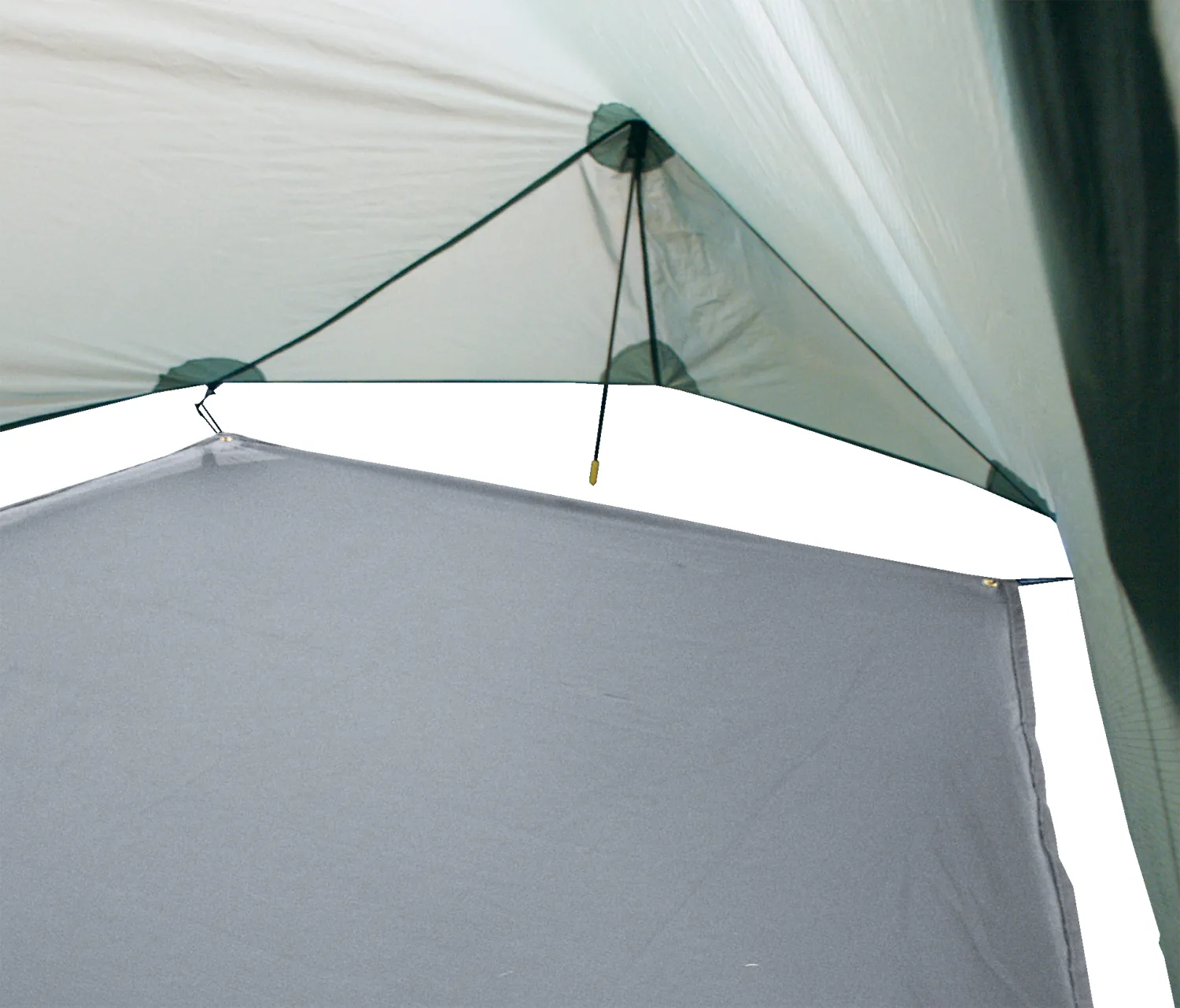
Designed by our product specialists to offer ultimate versatility for fast-paced adventures, the FastPack system allows you to dramatically reduce your rucksack’s weight and bulk. By using a dedicated footprint in place of an inner tent, you transform your shelter into a high-performance, minimalist waterproof bivi-style setup.

  • Modular Weight Saving: Leave the inner tent at home when conditions permit to shave significant grams and volume from your pack.
  • Weatherproof Protection: The system utilises a footprint that covers the entire area under the flysheet, including the porch, providing a clean, dry sleeping area.
  • Structural Integrity: The footprint is precision-engineered to provide the essential tension and anchor points required for the poles, ensuring the tent remains stable and secure.
Rounded rectangular product graphic for PrimaLoft Gold Insulation ECO showing a white insulation cross-section with water droplets labelled water resistant, a 55% recycled content icon, a red heat cone labelled thermally efficient, an arrow labelled compressible and the text fast drying, plus the PrimaLoft logo
Learn More

How to use a Tarp

Using a tarp for wild camping can significantly enhance your outdoor experience by providing shelter, protection, and versatility. Whether you’re a seasoned camper or a beginner, this guide will walk you through the essential steps to effectively use a tarp on your next camp.

What is a tarp?

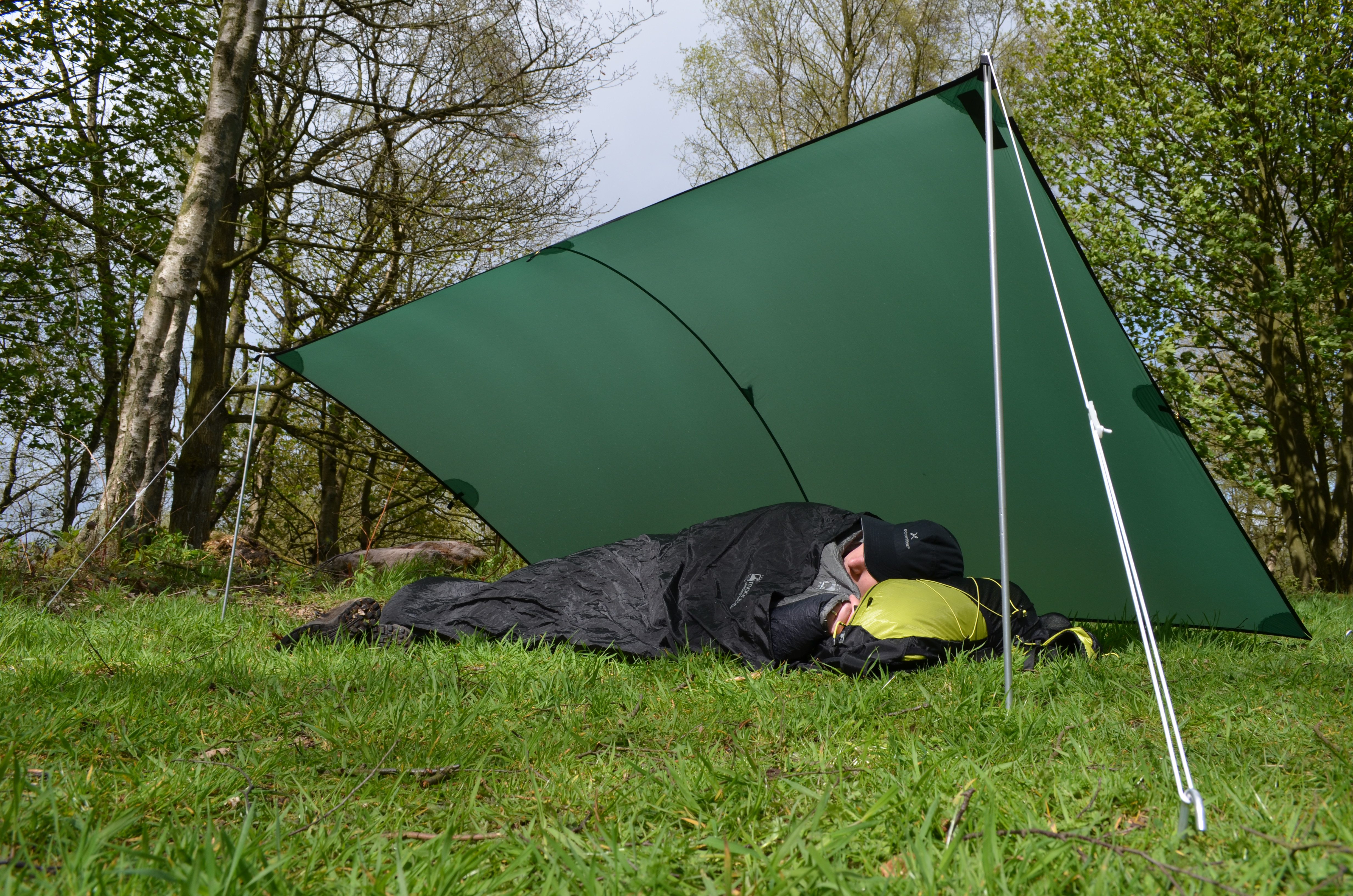
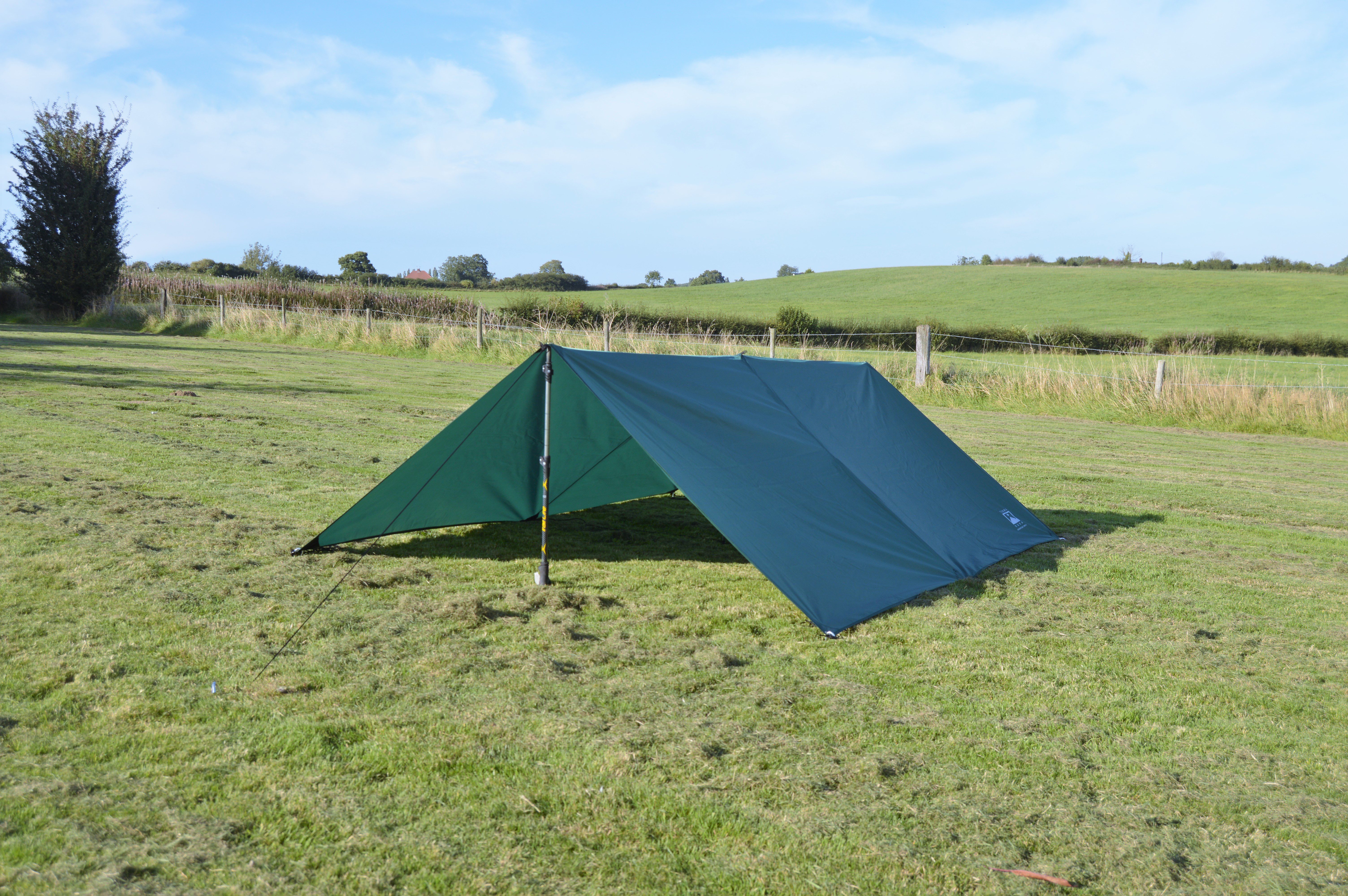
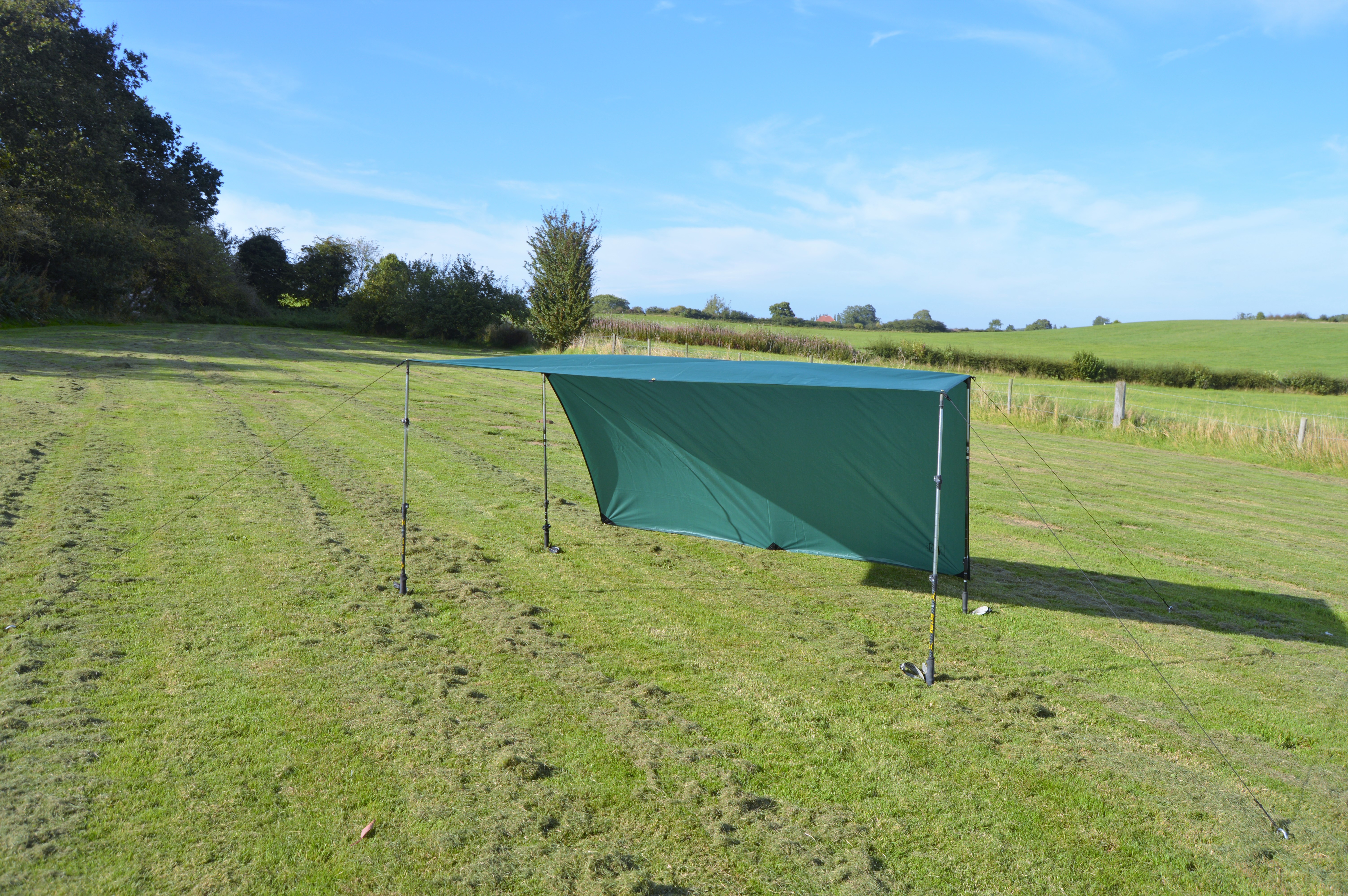
A tarp is a waterproof sheet of fabric used to create custom shelters. It can be configured in different shapes using pegs, guylines, poles or trees. The setup can easily be adjusted according to weather conditions, such as setting up the tarp higher up for views, or lower down for stability in storms.

You might think choosing a tarp over a tent means more exposure to wind and rain, but with practice, you can pitch it to protect yourself in most spring/summer camping conditions in the UK. Options range from simple “A-frame” and “lean-to” setups to more complex tipi or C-fly wedge configurations.

What you’ll need

Tarp camping can be as simple or as complex as you like. You can go down the basic route and take the bare minimum or go all out with luxuries to make your adventure more comfortable.

How to set up a Tarp

Step 1: Choosing the Right Tarp

Selecting the appropriate tarp is crucial for a successful camping trip. Consider the following factors:

  • Size: Choose a tarp that offers ample coverage for your needs. A 2.4m x 3m tarp is generally a good starting point.
  • Material: Look for a durable, waterproof material such as nylon or polyester to ensure adequate protection against the elements – aim for 3,000mm+ for rainy adventures.
  • Eyelets: Check if the tarp has reinforced eyelets along the edges for secure attachment points.

Step 2: Setting up Your Tarp

Once you have your tarp, follow these steps to set it up effectively:

  • Choose a suitable location: Look for a flat area with no sharp rocks or branches overhead that could damage your tarp. Pay special attention to dead trees near you as they could fall or drop branches on you during the night.
  • Clear the area: Remove any rocks, sticks, or sharp objects that could puncture or tear your tarp.
  • Determine the orientation: Decide how you want to position your tarp. Consider wind direction, sun exposure, and the type of shelter you desire.
  • Anchoring the corners: Use sturdy ropes or paracords to tie each corner of the tarp to trees, rocks, or trekking poles. Ensure the knots are secure and won’t slip.
  • Adjust for tension: Adjust the height and tension of your tarp to ensure proper water runoff and prevent flapping in the wind. Experiment with different angles and configurations to find the most suitable setup.

Step 3: Shelter Configurations

There are various shelter configurations you can create using a tarp. Here are the three most common setups to get you started:

  • A-frame: This is the simplest and most common configuration. Attach one edge of the tarp to a tree or pole, then extend the other end and secure it with ropes or pegs to create an “A” shape.

  • Lean-to: Ideal for protection against wind or rain, the lean-to involves securing one edge of the tarp to a tree or pole at a higher height and pegging out the opposite side at a lower angle.

  • Flying diamond: This configuration offers great coverage and versatility. Attach one corner of the tarp to a tree or pole, then stake out the opposite diagonal corner. Adjust the height and tension to create a diamond shape.

Step 4: Additional Tips

  • Always inspect your tarp for damage before each trip and carry a repair kit with adhesive patches or tape.
  • Utilise guy lines or additional ropes to increase stability and prevent flapping in windy conditions.
  • Consider adding a groundsheet or a bivi bag beneath your tarp to enhance insulation and protect against moisture.
  • Familiarise yourself with local regulations and guidelines regarding camping and tarp usage in the specific area you plan to visit so you aren’t confronted by an angry landowner at night.

Using a tarp for wild camping opens a world of possibilities for creating effective and lightweight shelters. You can maximise comfort and protection during your outdoor adventures by selecting the right tarp, mastering essential setup techniques, and exploring different configurations. Remember to practise setting up your tarp before embarking on your trip to ensure a seamless camping experience.

Now that you have an idea of how to camp using a tarp, it’s time to buy or upgrade your tarp. Check out our range of tarps to start your tarp camping journey!


Newsletter Updates

Enter your email address below and subscribe to our newsletter