Providing a level of thermal protection without the bulk
Engineered to be breathable whilst still offering a level of thermal protection.
The single layer, heat-retentive design allows for greater dexterity - making thermal items adaptable across multiple winter sports and outdoor activities.
Packable
High performance whilst being compact and stowable
Products designed to compress down and stow away when you don't need them, and deploy at a moments notice for when you do.
Using packable items reduces the need for a large pack, keeping you lighter on the trail and helping with marginal gains.
PitchLite
The lightest way to pitch a tent
Products with this icon are compatible with the PitchLite system, enabling flysheet‑only pitching for fast, lightweight shelter deployment.
Lighter pack weight
Smaller carry size
Maximised flysheet space
FlexiPorch
Variable configurations for better living solutions
Features an adjustable toggle system that allows you to tailor the porch size to suit alternating situations and storage needs.
Customisable living space
Stablises groundsheet walls
Maximise storage or living space
PoleLock
Add more stability in high wind environments
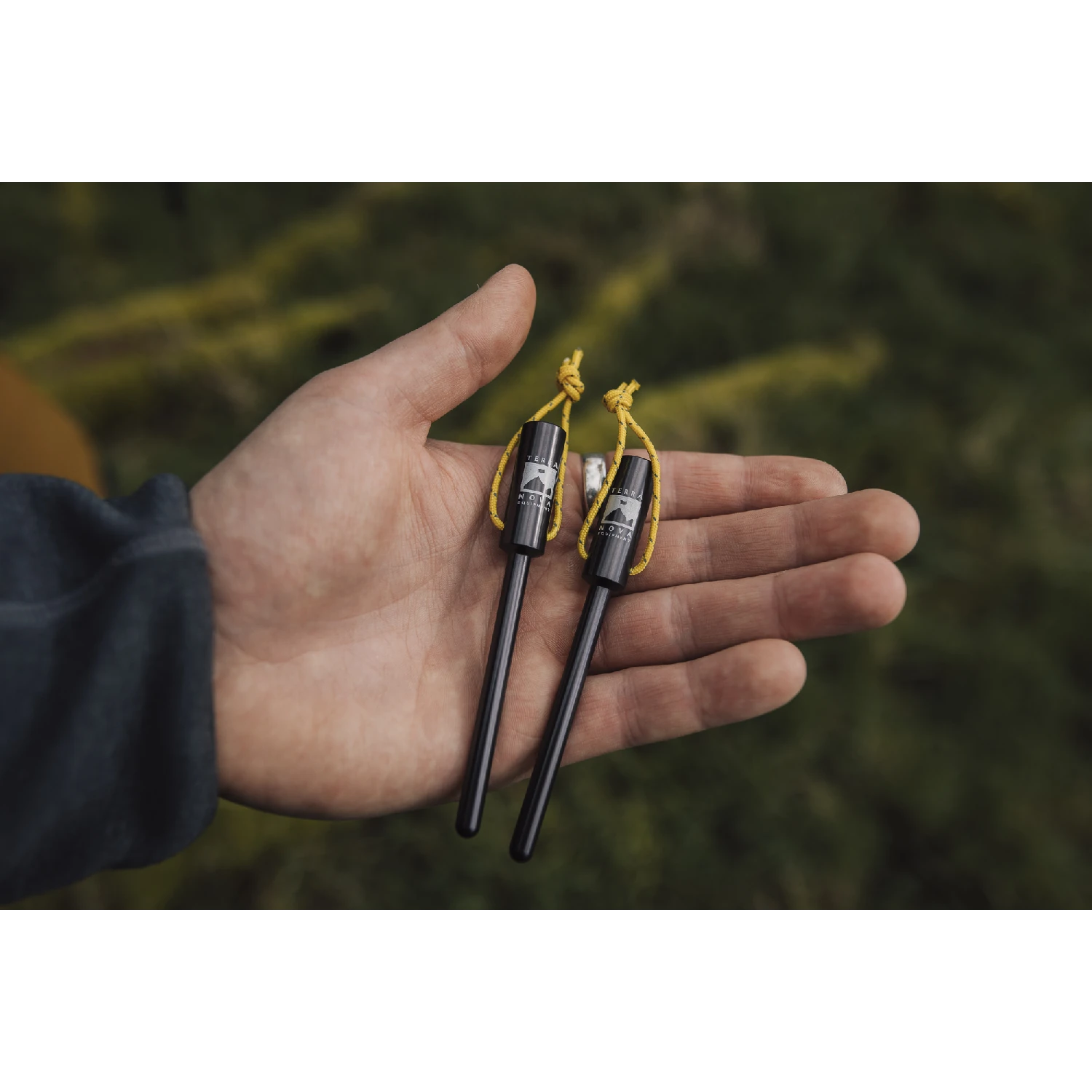
Products with this icon can be used with our PoleLock accessory, designed to add structural support to flysheet‑first pitching tunnels and non‑freestanding tents. Suitable for poles up to 9mm in diameter.
Additional Stability
Easier Pitching
Better Wind Protection
X-Dry Stretch
Waterproof, breathable, flexible
4‑way stretch waterproof fabric offering complete weather protection with enhanced flexibility, comfort, and freedom of movement
Engineered for the Elements
Waterproof & breathable membrane
Allows for greater dexterity
Retains warmth in cold, wet weather
From heavy downpours to freezing winds, X-Dry stretch ensures you stay perfectly dry and comfortably warm from the inside out
Join The Club
And get 10% off your first order.
From Everest to your local trail, we design for the extremes. Sign up for our newsletter to receive the latest from Terra Nova, Wild Country, and Extremities.
DAC Green Anodized Poles
Eco-conscious engineering from the world leader in tent pole technology.
We exclusively feature DAC Green Anodized poles in our premium tent range to deliver world-class strength and weight savings with a radically reduced environmental footprint.
Material: Exclusive TH72M aluminum alloy, providing the highest strength-to-weight ratio in the industry.
Green Technology: The Anodising process completely eliminates nitric and phosphoric acids, utilizing a closed-loop water recycling system to protect both the environment and the craftspeople who build them.
Ultralight Design: Precision swaged at both ends to shed every unnecessary gram without compromising structural integrity.
The gold standard for performance and a sustainable future.
Ultra-lightweight flexibility. Trim weight. Go further.
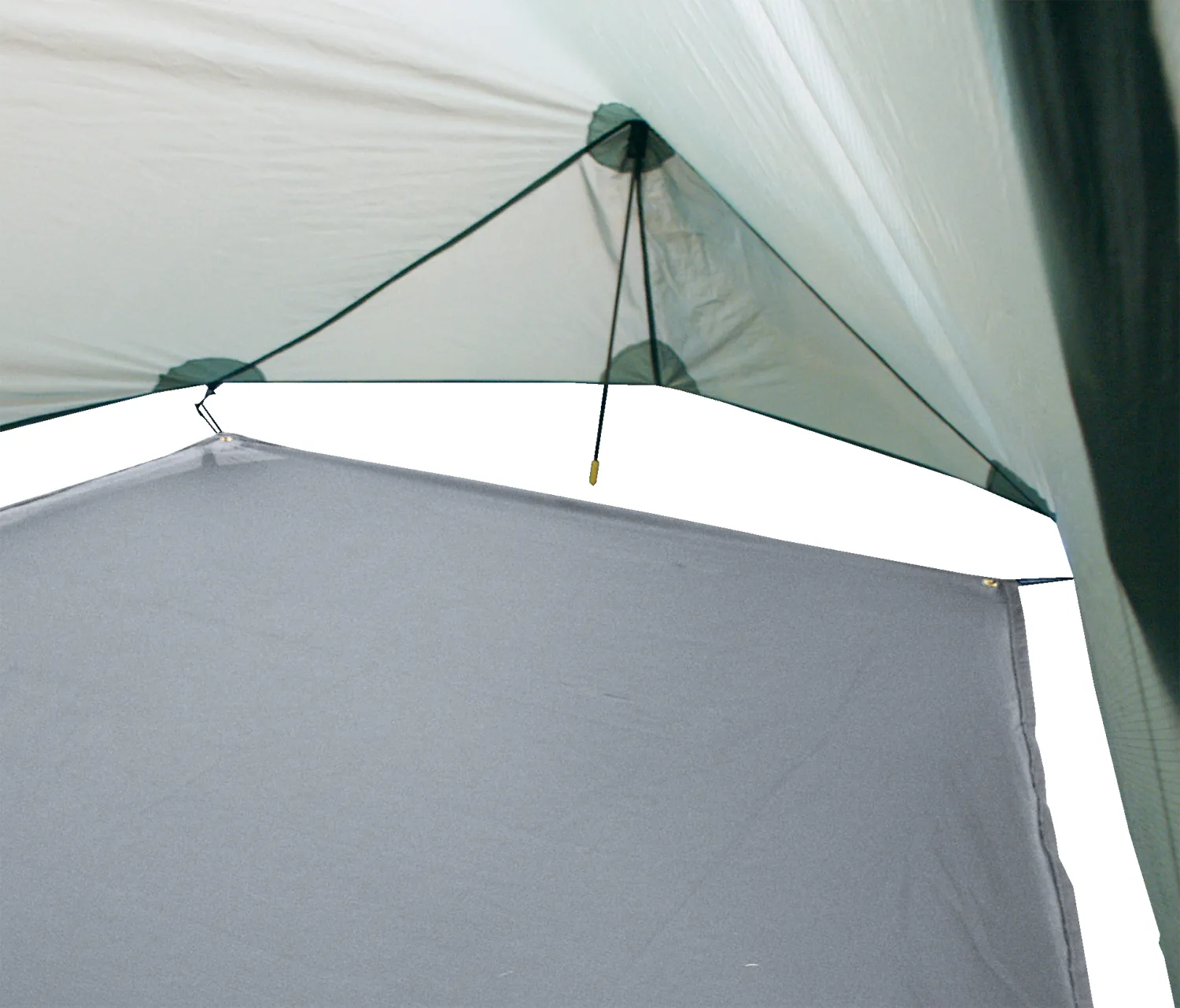
Designed by our product specialists to offer ultimate versatility for fast-paced adventures, the FastPack system allows you to dramatically reduce your rucksack’s weight and bulk. By using a dedicated footprint in place of an inner tent, you transform your shelter into a high-performance, minimalist waterproof bivi-style setup.
Modular Weight Saving: Leave the inner tent at home when conditions permit to shave significant grams and volume from your pack.
Weatherproof Protection: The system utilises a footprint that covers the entire area under the flysheet, including the porch, providing a clean, dry sleeping area.
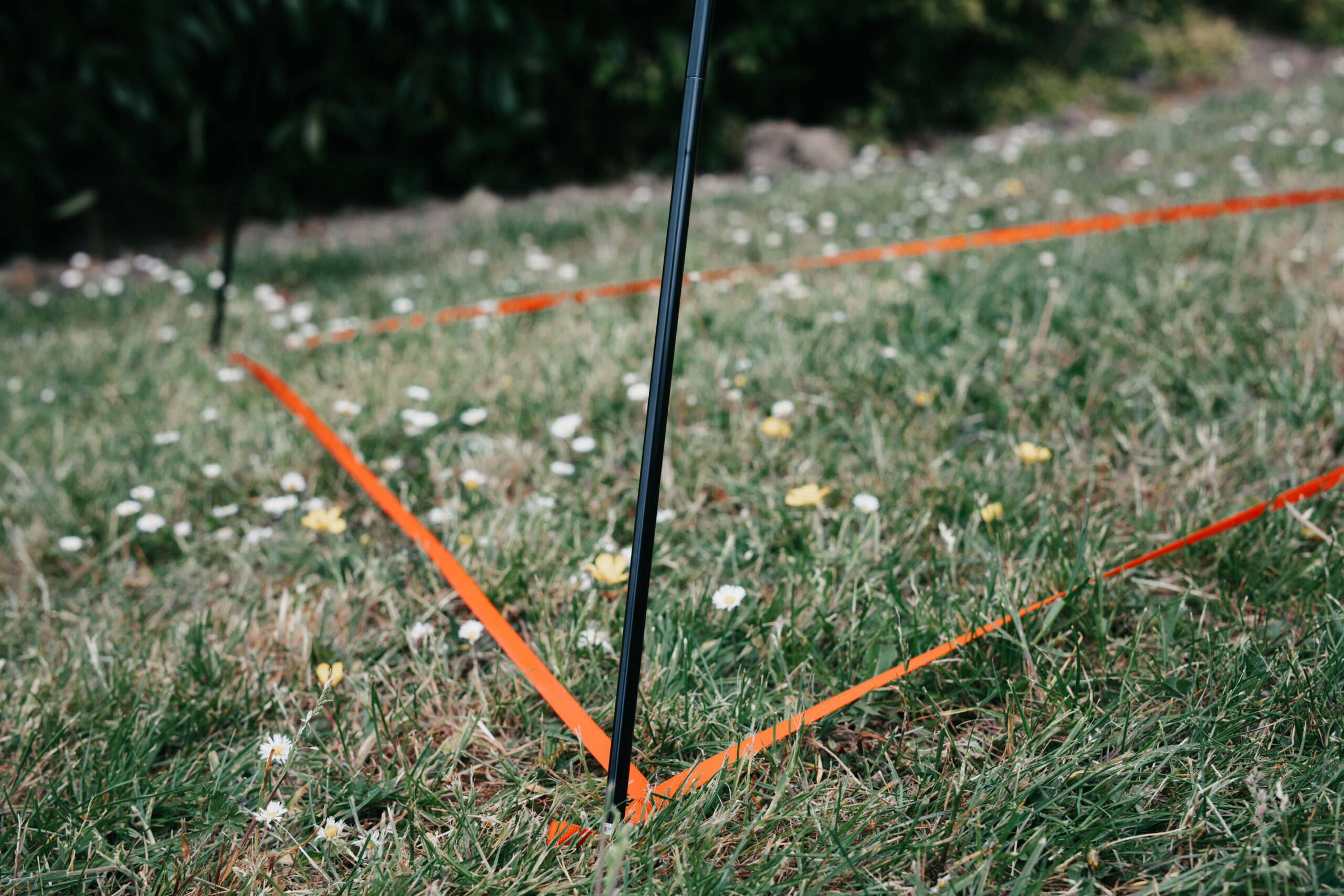
Structural Integrity: The footprint is precision-engineered to provide the essential tension and anchor points required for the poles, ensuring the tent remains stable and secure.
Thank you for buying a Wild Country Zonda Drive Away Awning and we hope you have fun using it. Please read these instructions carefully before you pitch your Awning for the first time and keep them in a safe place for future reference. If used correctly and with care your Awning should give you years of trouble free use. Top Tip – We would recommend that you take out insurance against storm and accidental damage as these are not covered by the guarantee.
The first time you use the Awning
If possible we would recommend that you do a practice pitch before heading off on your camper van holiday for the first time. This will give you the opportunity to learn the best way to pitch and then pack away your awning and also check that all the component parts are there. Top Tip – don’t forget to take the pegs and pump with you!
Please also consider the weather conditions before using the awning. This awning is designed to be used in moderate wind and weather conditions so either do not pitch the awning or take it down in strong winds or adverse weather such as hail or snowfall. Please note this awning is not designed for or guaranteed for long term, static or commercial use.
Condensation and ventilation – what you need to know before you go
Your awning is constructed using an impermeable waterproof PU coated outer fabric that has factory taped waterproof seams. It also has various vents and mesh panels that aid air circulation and these should be kept clear and left open for maximum effect. However in many conditions and especially if there is little wind then condensation will be noticeable inside the awning. This can actually run or drip down onto the groundsheet and can create pools of water. This is not due to leakage through the fabric or seams but simply from the warm moist air inside the awning (caused by the occupants) condensing against the cooler impermeable waterproof coating of the outer fabric. Top Tip – The condensation can be quite extreme at times so we would recommend taking a quick drying absorbent cloth to mop up any excess water.
Where to pitch
If possible find a level area and ideally one that is protected from the wind. Keep in mind that it is best to face the door away from the prevailing wind direction so park your camper van so that it is side on to the wind with the side door facing away from the wind. Avoid pitching under trees because tree sap is extremely sticky and difficult to clean off and even a small falling branch can damage your tent. Clear the chosen area of any lose objects and pay particular attention to remove anything sharp to prevent damage to the built in groundsheet.
How to pitch
Top Tip – We would recommend using a footprint groundsheet (available separately) as extra protection from dirt and damage for the built in groundsheet. If you have one of these first lay it down on your prepared area and peg out each corner to hold it in place (keep in mind the advice on wind direction). Then un-roll the awning on top (if not simply un-roll the awning over the prepared area) ensuring the groundsheet is on the bottom. Now connect the rear end of the awning to your camper van using either the guy lines provided or your chosen connection system. Please note the awning has both 6mm and 4mm Kador strip sewn in but does not come supplied with a drive away kit.
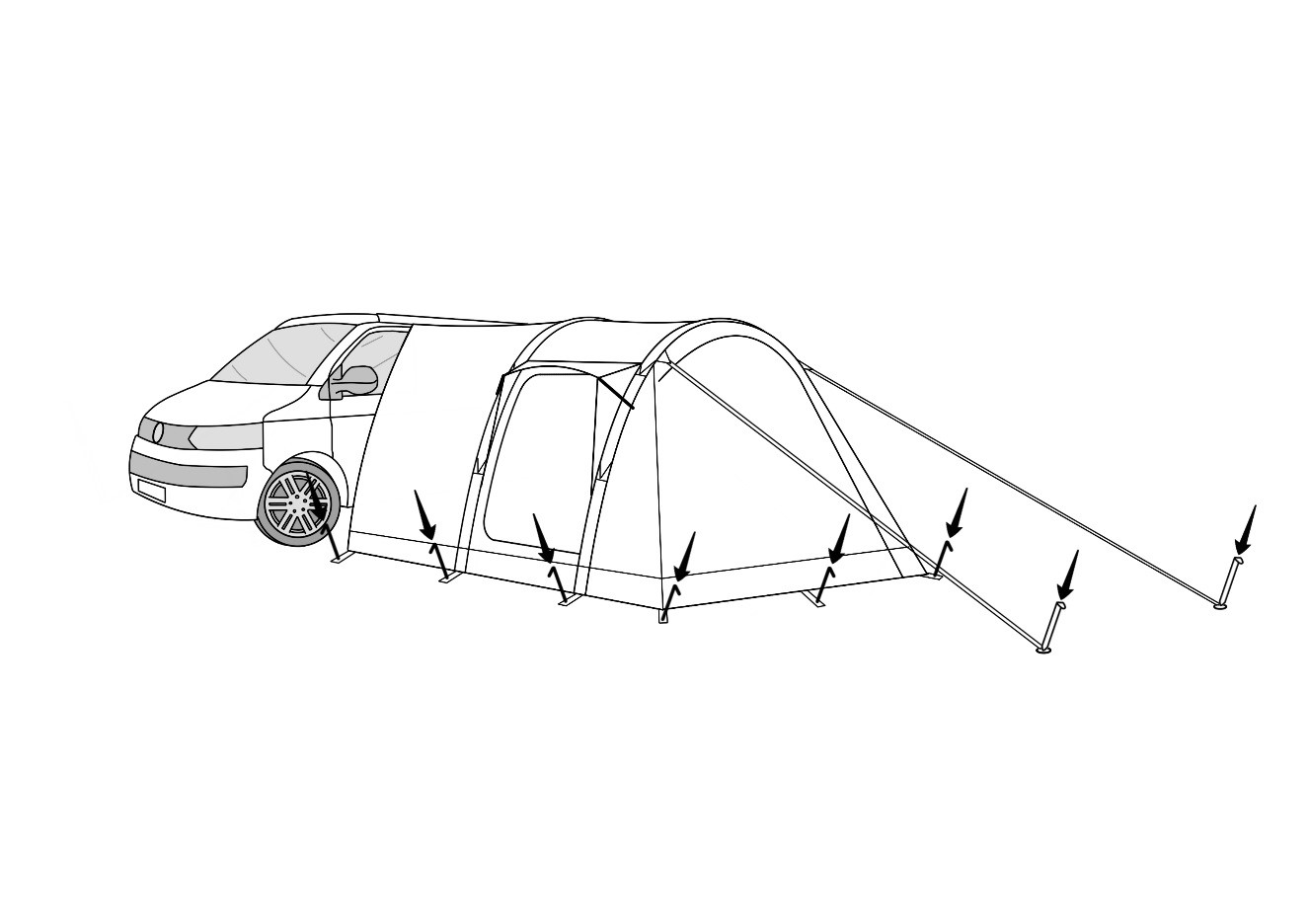
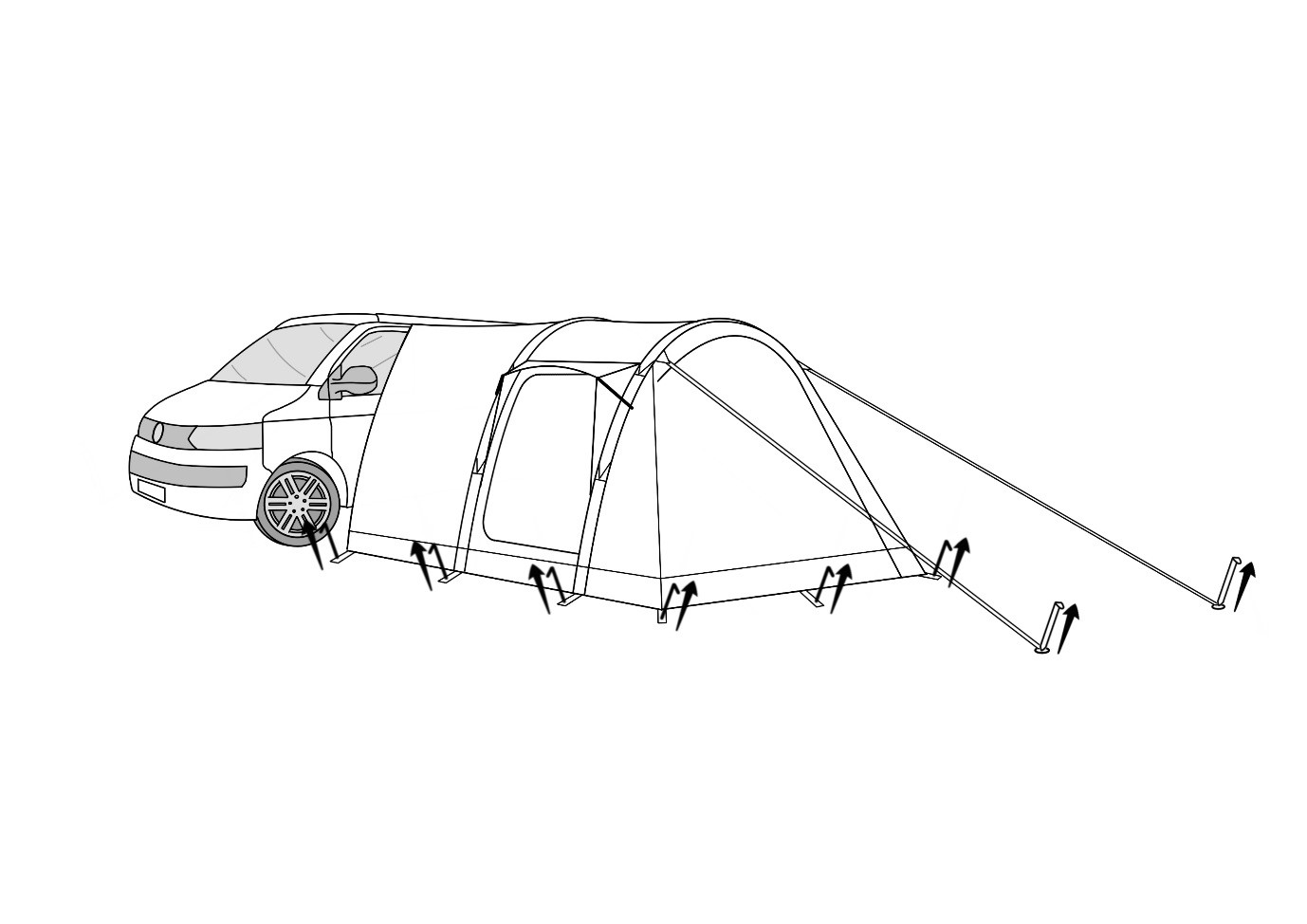
Now peg out each corner using the wire pegs supplied. You should ensure that the groundsheet is a rectangular shape and is taut between the pegs. You may need to reposition these pegs later.
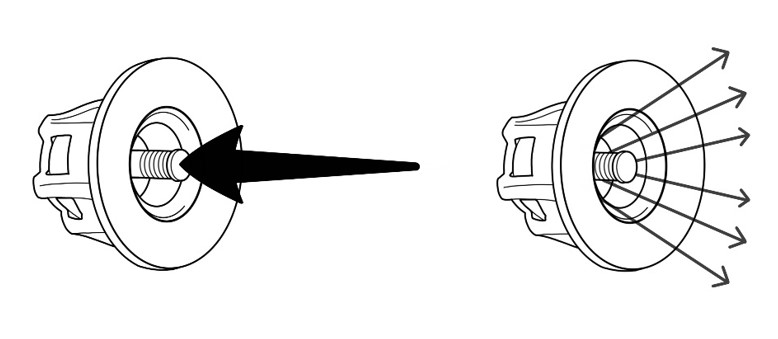
Top Tip – Before inflating the Airflex poles ensure that the outer doors are unzipped to allow air to enter the awning and that all of the valves are in the non-air return state (centre sprung button in fully out position).
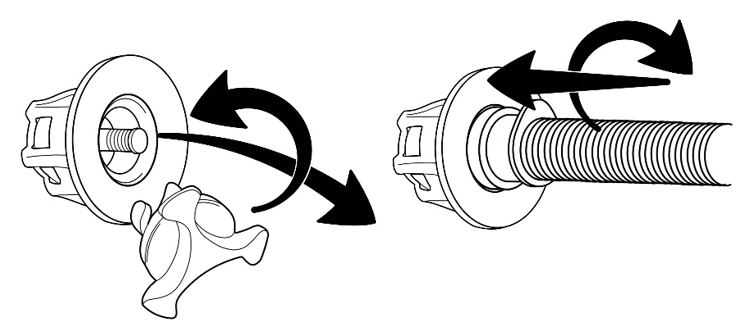
Starting from the front of the awning connect the hose from the pump to the inflation valve by twisting the hose nozzle clockwise and inflate the pole to about 5 psi (maximum of 7 psi shown on the pump gauge). Top Tip – When detaching the hose from the valve use a rapid anticlockwise twist to prevent the valve connector from detaching from the hose. If the pole deflates when you disconnect the hose you will need to press the centre sprung button into the fully out position and then re-inflate the pole.
Now inflate the remaining pole. You may well need to go inside the awning to push the poles upward for the awning to take shape but once you have done this make sure you close all of the outer valve caps to prevent accidental deflation and also air leakage. Top Tip – You may need to pull gently on and then peg out the main end guy lines temporarily to keep the tent upright during the pitching process.
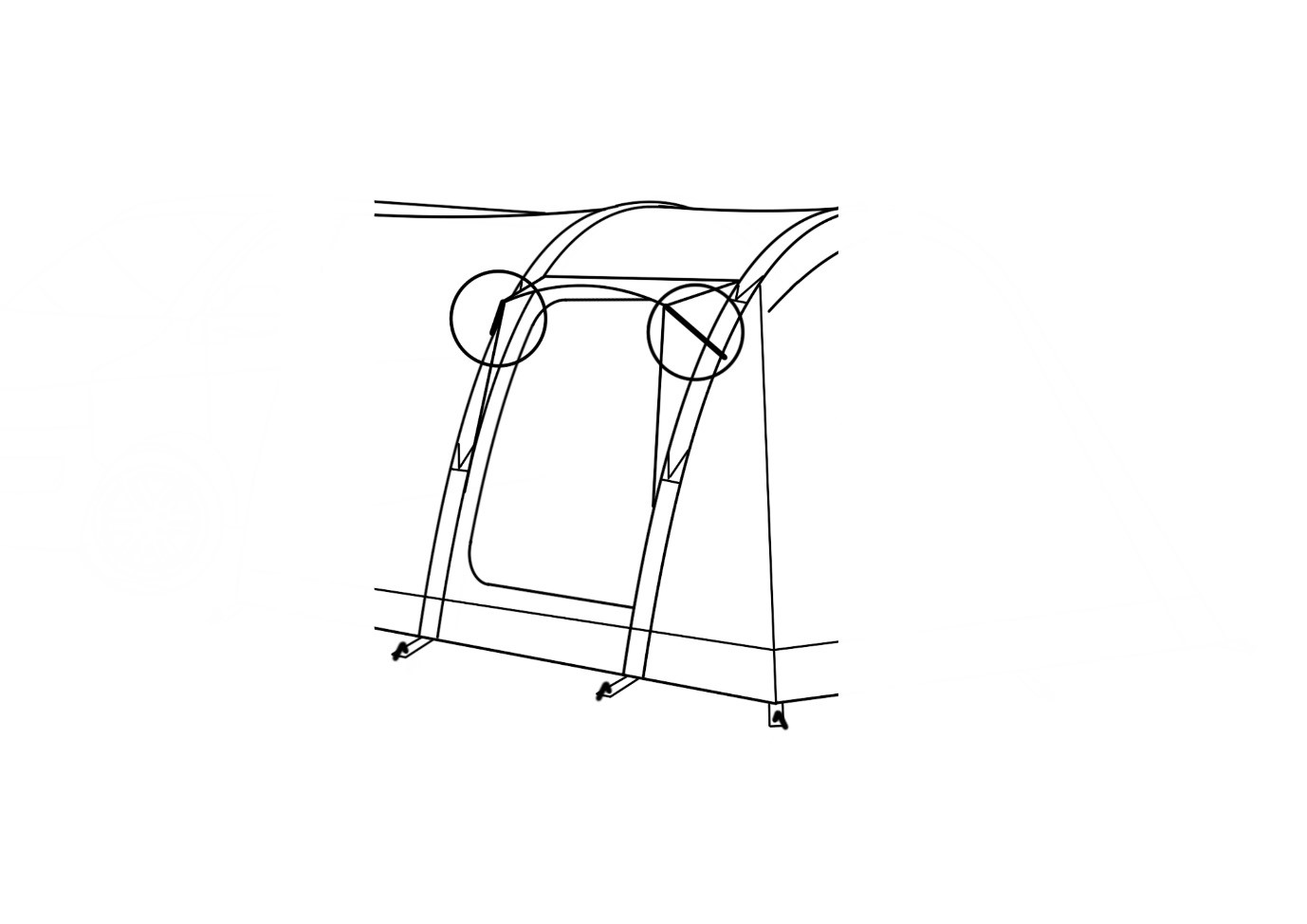
Now insert the extendable ridge pole into the pole pockets in the roof of the awning and extend until the fabric is taught. You can now assemble and carefully insert the side porch pole into the pole sleeve over the side door and insert the ends of the pole into the plastic pole cups on either side of the door.
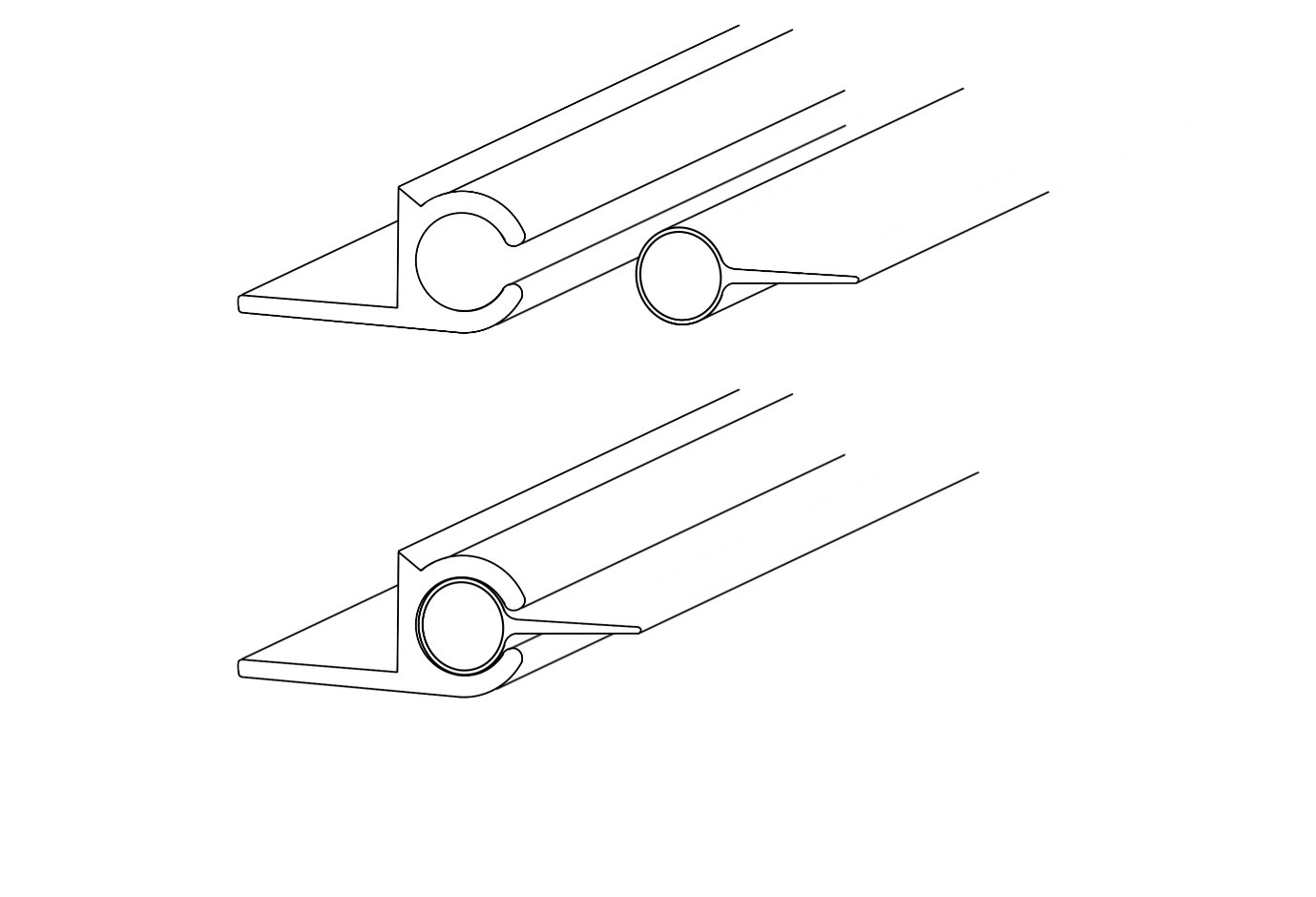
Very important point – Never open the inner zip of the Airflex pole tube once it is inflated. Opening the zip will cause the inner tube to burst. The inner zip has a cable tie to keep it closed that should only be removed for repairing or replacing the inner tube.
Once the awning has taken shape close all of the entrances so that the awning can be tensioned correctly. At this stage you may need to reposition the corner pegs to ensure that the groundsheet is taut and that the sides are all in line. Now fully extend out the main end webbing guy tapes and add 5 to 6 twists to each (this helps reduce wind noise) before pegging them out properly using the larger V pegs supplied. Now add some tension to the tapes to pull the outer tent fabric taut. Top Tip – Don’t over tension the tapes as this will pull the roof height down.
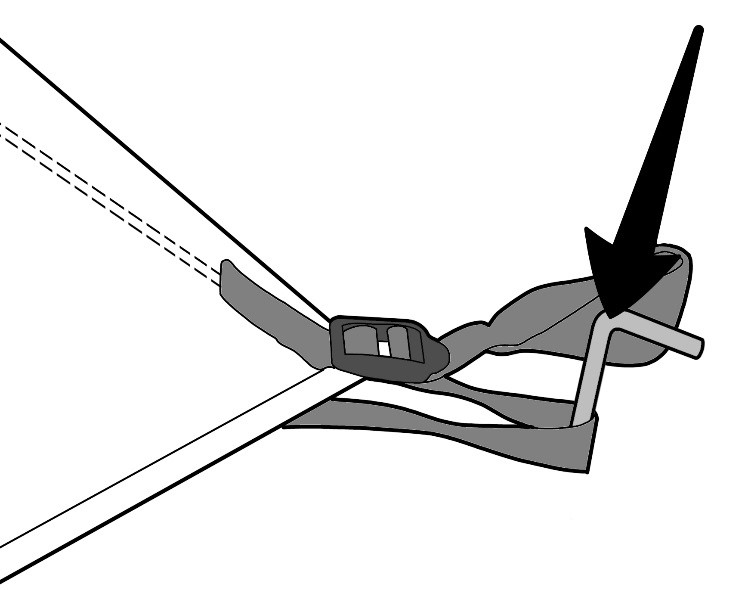
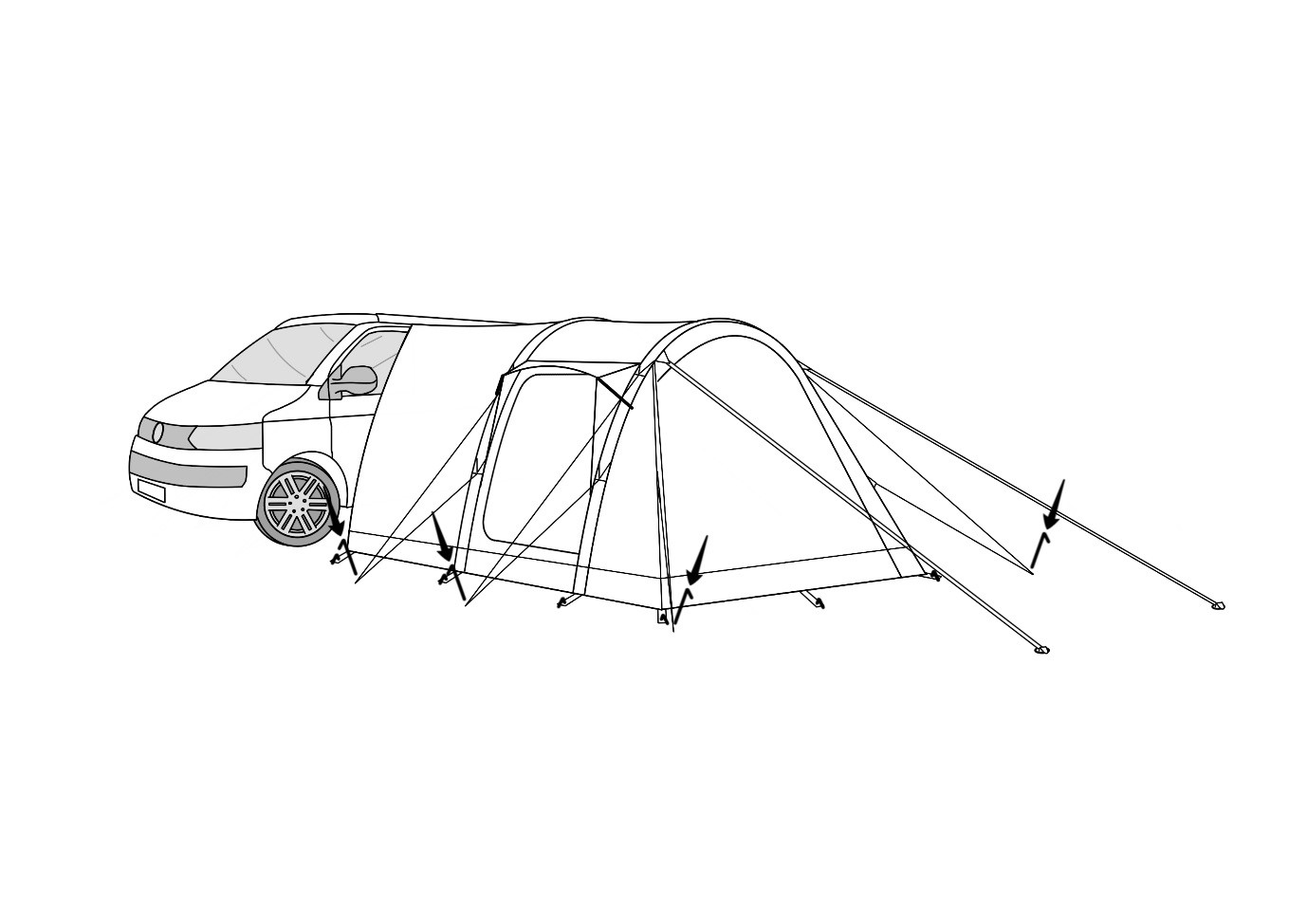
Using the wire pegs, peg around the sides and ends of the awning using the webbing pegging points provided. Most have a buckle for adjustment and these should be slackened off before pegging. Top Tip – Do not peg through the stitched webbing loop. Slacken the webbing behind the buckle and peg through the resulting loop.
Guy Lines – why these are important
Regardless of the weather conditions we would always recommend that you peg out all the guy-lines. Whilst there may be little wind when you pitch your awning, this situation can change extremely quickly so it’s best not to get caught out – especially at 2 o’clock in the morning!
Start by pulling the guy lines out in-line with the poles and seam lines and peg out using the wire pegs. Pegs should be angled into the ground at 45 degrees away from the pegging point and it is best to use a rubber or plastic headed mallet to do this. Top Tip – short guy lines with steep angles are less effective than longer guy lines with shallower angles so if space allows ensure that the guy lines are adjusted to as long a length as possible.
The guy lines are adjusted using the tensioning runners and the tension should be checked and adjusted regularly.Top Tip – Do not over tension the guy lines as this will pull the awning out of shape. There should be just enough tension to retain the tent shape.
How to pack away
Remove all furniture, toys, pets, small children etc. from inside the awning.
Leave outer doors partially open but close mesh vents and panels.
Close all window curtains.
Un-peg the side and end guy lines and tie up to prevent tangles then slacken off the end guy tapes but don’t un-peg them yet
Un-peg all of the pegging points around the outer of the tent but leave the corner pegs in place for the time being.
Remove the adjustable ridge pole by shortening the pole first.
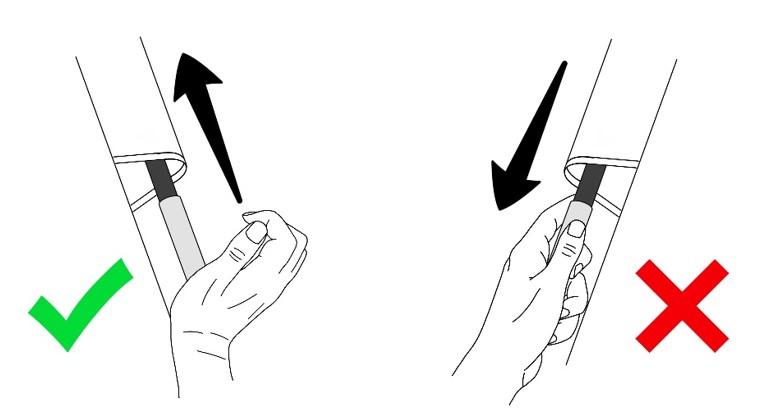
Carefully remove the Fibreglass pole by removing the ends from the pole cups and by pushing the pole through the pole sleeve (rather than pulling as this could damage the elastic) and fold the pole from the centre outward and pack in the pole bag.
Open the outer valve cap on each Airflex pole and press the centre sprung button on each to deflate the poles. Wait for most of the air to escape and leave them open whilst you pack the awning away.
Now remove the pegs at the corner of the groundsheet and also from the end guy lines. Tie up the guy lines to prevent tangles. Detach the awning from the van and fold the connecting tunnel onto of the flysheet.
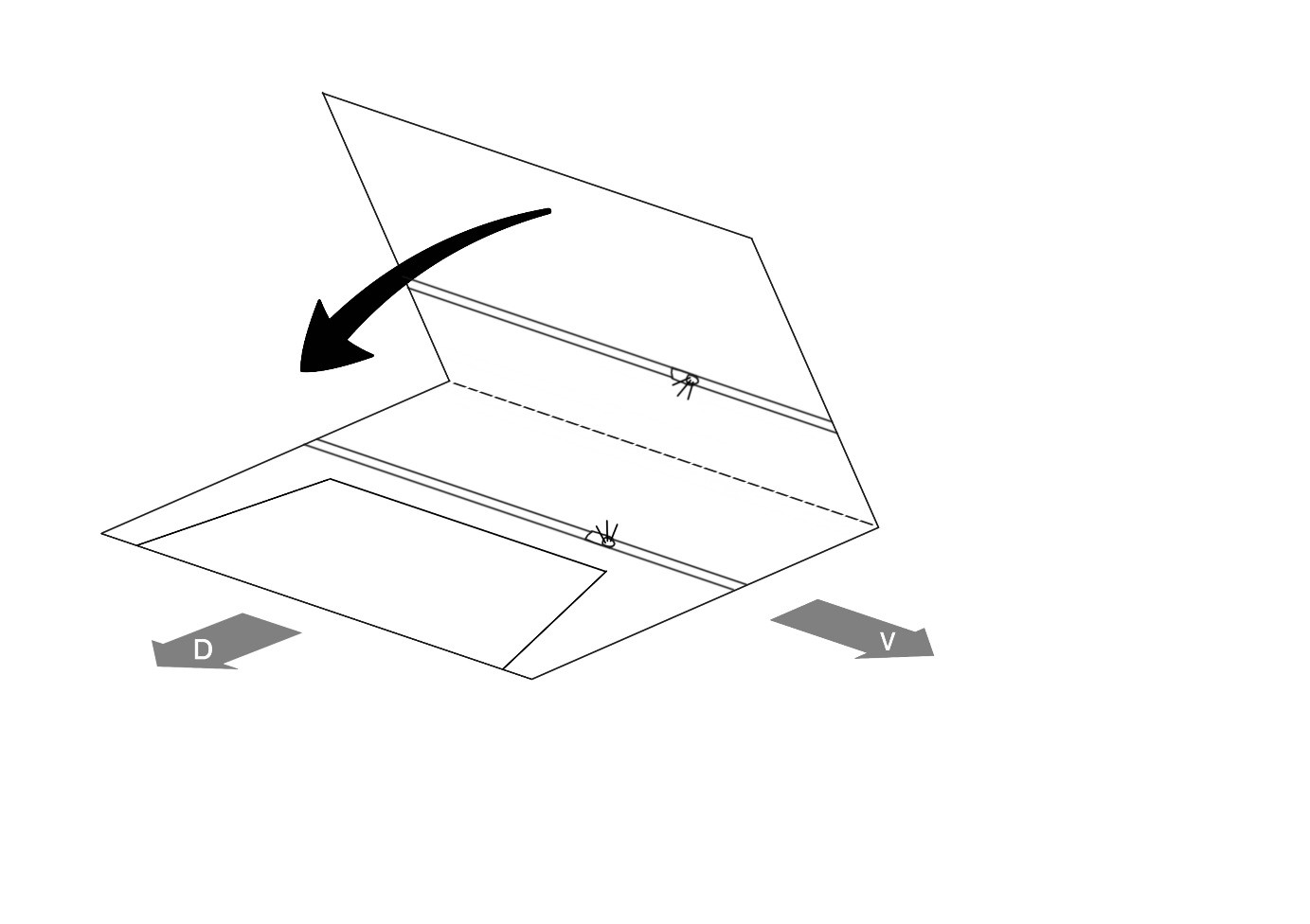
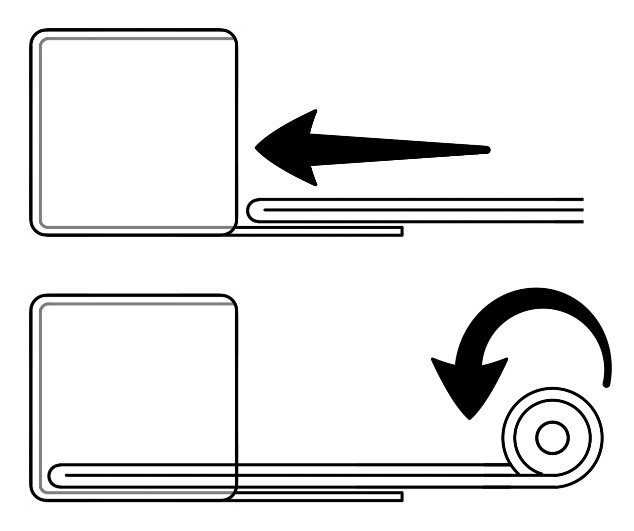
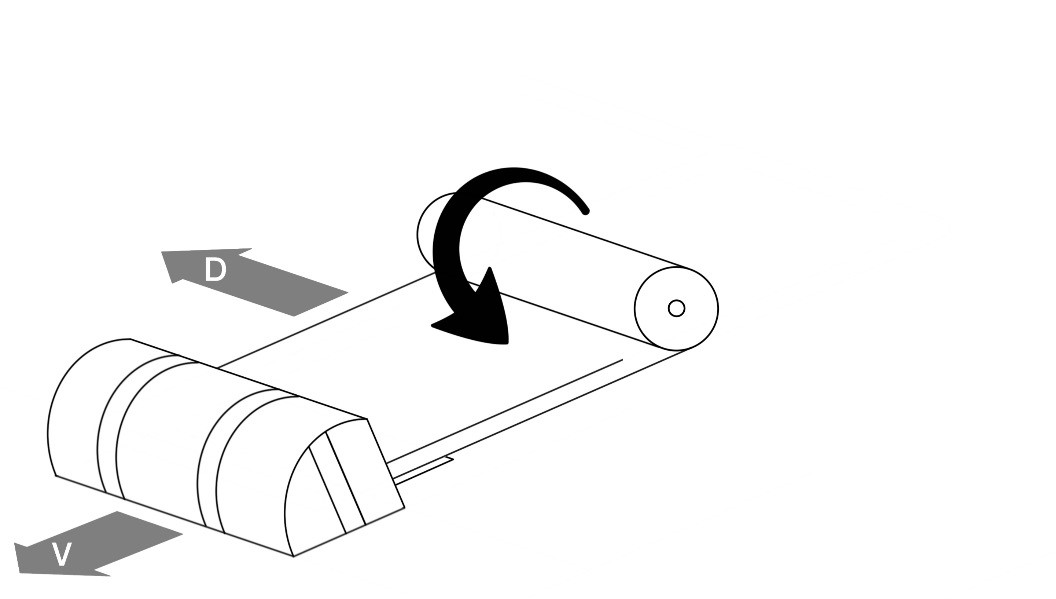
Fold the awning so the folded seams are in line with the Airflex pole direction and so the groundsheet does not come in contact with the outer fabric of the flysheet to help keep the flysheet clean. Fold until the awning is the width of the storage bag and then place the fibreglass/ridge pole bag on top and roll it up towards the valve side of the awning to expel all of the air. Place the valve end of the awning on the small attached tarp of the storage bag and simply roll the awning into the bag. Please see the following diagrams.
Storage and care
Always ensure that your awning is completely dry and well aired before you store it. If possible store the awning opened out but if this is not possible at least make sure it is kept in a cool, dry, dark and well ventilated place. If the awning is not completely dry and well aired it can develop mildew which is extremely difficult to eradicate.
To clean your awning we would recommend using cold (never hot!) water with either a sponge and/or a soft brush. Be gentle. Never scrub the fabric and never use detergent as this will damage the waterproof coating. Leave to air dry naturally and ensure it is completely dry before storage.
Keep sharp objects away from the Airflex poles. They require no specific maintenance but should be treated with care to avoid damage. Please see below for details should an Airflex pole deflate unexpectedly.
Zips are a critical part of the awning so treat them with care. Never force or stand on a zip as this can damage the teeth or puller and clean off any dirt immediately to prevent excessive where.
Some general points
UV Degradation – Your awning is designed for touring/occasional use. It is made from synthetic fabric that over time will deteriorate due to the effects of Ultra Violet light that comes from exposure to Sunlight. With this in mind, if you plan to leave your awning pitched for an extended period then we would recommend choosing a shaded location. The UV degradation can include a change of or a fading of the colour, a reduction in the strength of the fabric and a breakdown of the waterproof coating. Please note that Ultra Violet degradation is not covered under the guarantee.
Seams and waterproofing – All of the main seams on your awning have been tape sealed at the factory to prevent leakage. Any water found inside the awning is more often than not the result of condensation. However, should the seam tape become damaged or if you notice a small leak at a seam then this can be remedied using a tent/awning seam sealant available from your retailer.
Cooking – NEVER COOK OR USE NAKED FLAMES INSIDE YOUR AWNING!
Whilst your awning complies with the ISO5912 fire-retardant standard you should NEVER cook or use naked flames inside the awning. Not only could this cause your awning to catch fire but there would be a potential risk from carbon monoxide poisoning. Please ensure all users of the awning fully understand the fire precautions that are shown on the label sewn into the inside of the awning.
If an Airflex pole deflates unexpectedly.
Don’t panic – they are normally quite easy to sort out. Simply follow the steps below.
In the first instance use the supplied valve tool to check that the valve is tight and tighten if necessary.
Once you have done this re-inflate the pole and if you are still experiencing air loss then follow the steps below.
Press the centre sprung button on the valve of the leaking pole to release any remaining air pressure.
Unzip the outer sleeve on the inside of the awning that contains the leaking air pole.
Carefully remove the entire Airflex pole from the awning. Note that there is hook and loop material at both ends of the pole and around the valve that keep the pole in the correct position so detach carefully.
With the pole fully deflated gently cut the cable tie so you can unzip the outer case of the Airflex pole to reveal the inner tube.
To locate the puncture add a small amount of air to the inner tube. If the puncture is not obvious you may need to submerge the inner tube in water to locate the leak.
Once you have located the leak, fully dry the inner tube (if you used water to find it) and then repair using a patch that is available from your retailer.
Once repaired gently push the inner tube back into the outer case ensuring that it is not twisted. Close the zip on the outer case ensuring the zip is fully closed and use a cable tie to secure the zip – trim off any excess from the cable tie. At this point you can add a small amount of air to check if the leak is repaired before re-installing in the awning. If all is well reverse the steps in point 4 and 5 if not then repeat steps 6 to 8.
Should you need to replace an Airflex pole at any point then they can be bought from your retailer. Simply follow the instructions supplied with the replacement air pole for installation.