Providing a level of thermal protection without the bulk
Engineered to be breathable whilst still offering a level of thermal protection.
The single layer, heat-retentive design allows for greater dexterity - making thermal items adaptable across multiple winter sports and outdoor activities.
Packable
High performance whilst being compact and stowable
Products designed to compress down and stow away when you don't need them, and deploy at a moments notice for when you do.
Using packable items reduces the need for a large pack, keeping you lighter on the trail and helping with marginal gains.
PitchLite
The lightest way to pitch a tent
Products with this icon are compatible with the PitchLite system, enabling flysheet‑only pitching for fast, lightweight shelter deployment.
Lighter pack weight
Smaller carry size
Maximised flysheet space
FlexiPorch
Variable configurations for better living solutions
Features an adjustable toggle system that allows you to tailor the porch size to suit alternating situations and storage needs.
Customisable living space
Stablises groundsheet walls
Maximise storage or living space
PoleLock
Add more stability in high wind environments
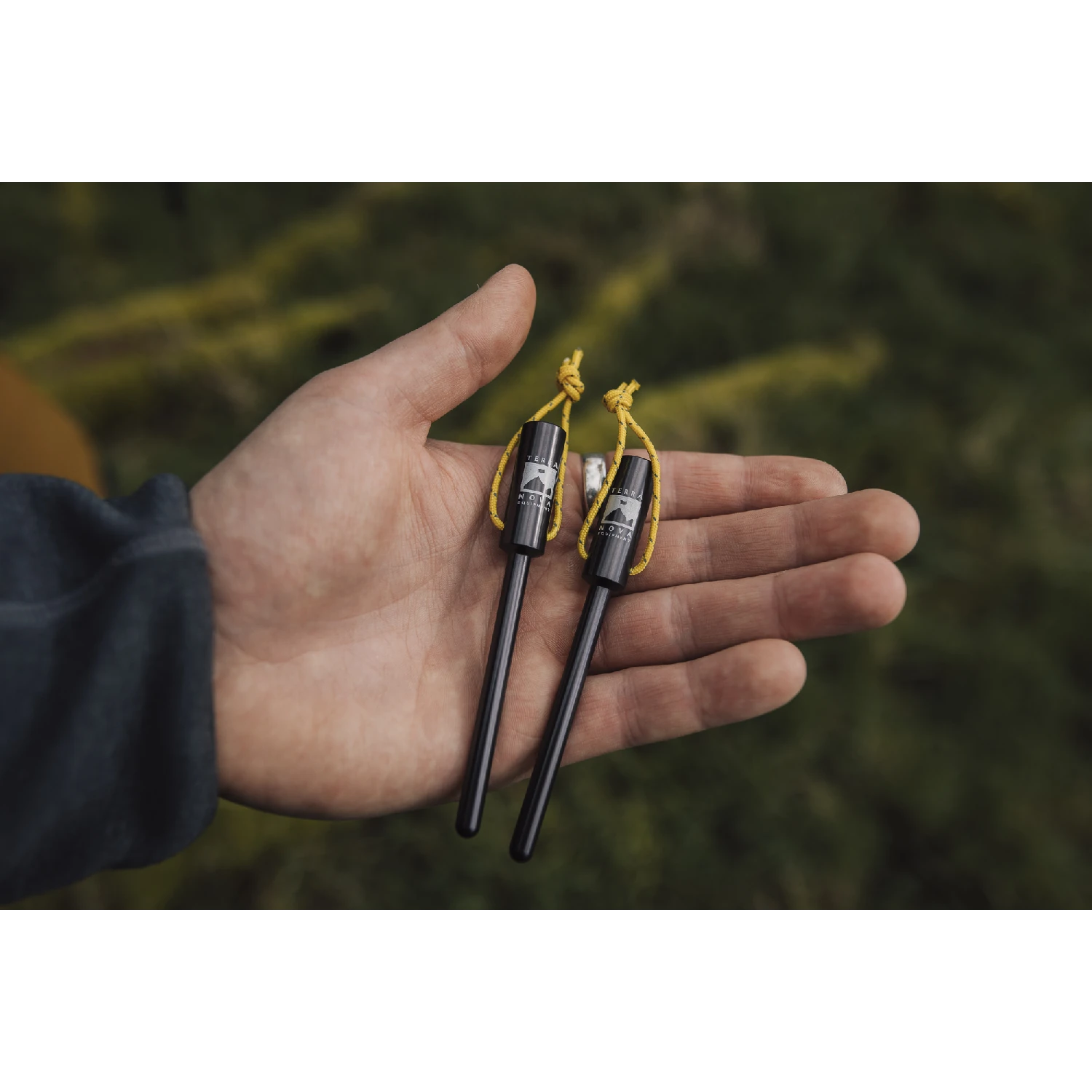
Products with this icon can be used with our PoleLock accessory, designed to add structural support to flysheet‑first pitching tunnels and non‑freestanding tents. Suitable for poles up to 9mm in diameter.
Additional Stability
Easier Pitching
Better Wind Protection
X-Dry Stretch
Waterproof, breathable, flexible
4‑way stretch waterproof fabric offering complete weather protection with enhanced flexibility, comfort, and freedom of movement
Engineered for the Elements
Waterproof & breathable membrane
Allows for greater dexterity
Retains warmth in cold, wet weather
From heavy downpours to freezing winds, X-Dry stretch ensures you stay perfectly dry and comfortably warm from the inside out
Join The Club
And get 10% off your first order.
From Everest to your local trail, we design for the extremes. Sign up for our newsletter to receive the latest from Terra Nova, Wild Country, and Extremities.
DAC Green Anodized Poles
Eco-conscious engineering from the world leader in tent pole technology.
We exclusively feature DAC Green Anodized poles in our premium tent range to deliver world-class strength and weight savings with a radically reduced environmental footprint.
Material: Exclusive TH72M aluminum alloy, providing the highest strength-to-weight ratio in the industry.
Green Technology: The Anodising process completely eliminates nitric and phosphoric acids, utilizing a closed-loop water recycling system to protect both the environment and the craftspeople who build them.
Ultralight Design: Precision swaged at both ends to shed every unnecessary gram without compromising structural integrity.
The gold standard for performance and a sustainable future.
Ultra-lightweight flexibility. Trim weight. Go further.
Designed by our product specialists to offer ultimate versatility for fast-paced adventures, the FastPack system allows you to dramatically reduce your rucksack’s weight and bulk. By using a dedicated footprint in place of an inner tent, you transform your shelter into a high-performance, minimalist waterproof bivi-style setup.
Modular Weight Saving: Leave the inner tent at home when conditions permit to shave significant grams and volume from your pack.
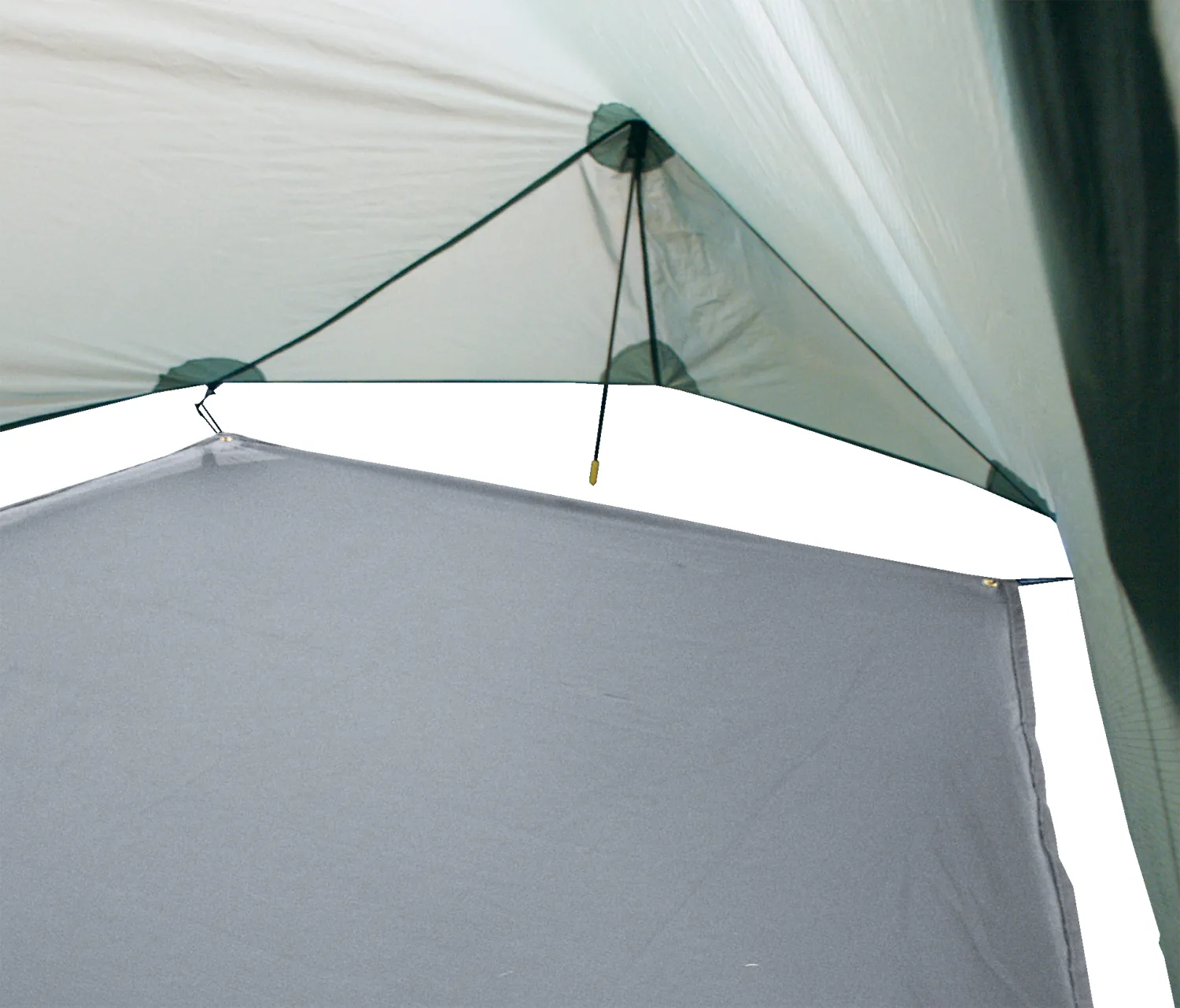
Weatherproof Protection: The system utilises a footprint that covers the entire area under the flysheet, including the porch, providing a clean, dry sleeping area.
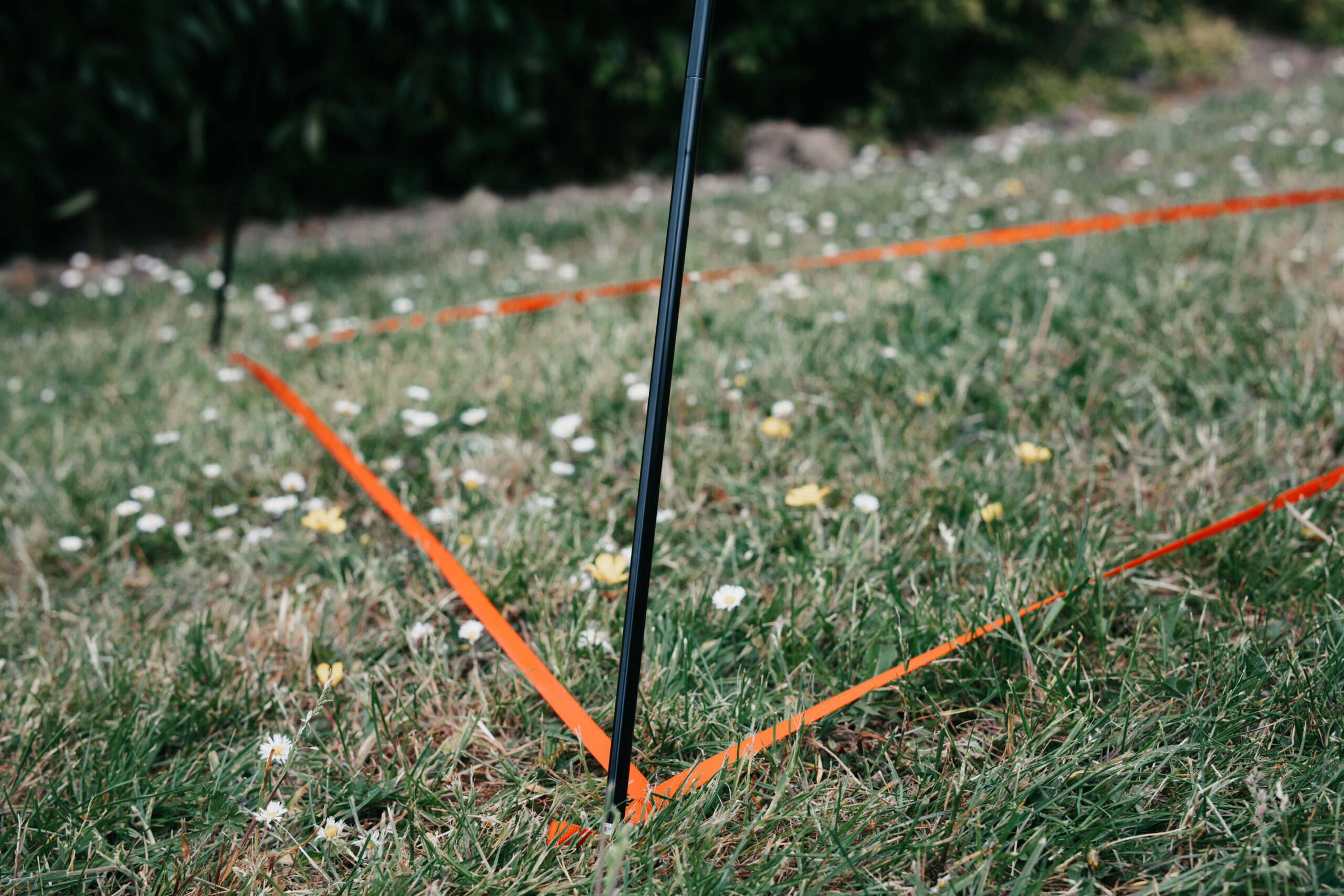
Structural Integrity: The footprint is precision-engineered to provide the essential tension and anchor points required for the poles, ensuring the tent remains stable and secure.
Your tent can get dirty and grimy after a backpacking trip which can, over time, take a toll on your tent. With regular care and cleaning, you can prolong the life of your tent. We have put together a guide to ensure you get plenty of years of use out of your tent:
When to clean your tent
It is easy to think your tent is in a good condition after a trip because it didn’t leak and held up against the weather. However, it is important to check the condition of your tent to spot damage early. Over time, natural elements like sand and dirt can degrade your tent fabric and zippers. Regular maintenance and cleaning will extend the life of your tent, so you should consider washing your tent when:
Your fabric starts to wet out more easily than usual – on conventional PU-coated fabrics your Durable Water Repellent (DWR) will degrade over time due to usage and dirt accumulating on the fabric.
Camping near the sea – the salty air and sand can cause damage to your tent poles and tent fabric if it is not cleaned. Give your tent a soak and rinse after a seaside trip.
Prolonged exposure to the sun – the sun’s UV rays cause your tent fabric to degrade over time and this process can be accelerated if your tent is dirty.
Visible dirt on your tent – when your clothes get dirty you wash them, this also applies to your tent. When it gets visibly dirty, it’s time to wash it.
What you will need
To be able to give your tent fabric a good clean you will need:
Water
New Cloth/Sponge (to ensure that there are no contaminants on them)
Large container/Bathtub
Dirty tent
How to wash your tent fabric
Follow these steps in the specific order to get the best results: Please note that whilst there are wash treatments available for tent fabrics, plain water works well in the majority of cases.
Remove the inner from the flysheet (where applicable) and shake out your tent, making sure any large bits of dirt or debris is removed.
Fill a large container or bathtub with cold to lukewarm water and submerge your tent. Never use hot water as it will affect the waterproof coating.
Agitate the tent carefully by swishing it around in the water for around 3 – 5 minutes.
Make sure the water reaches every nook and cranny, including pockets.
Leave your tent submerged in the water for around 15 minutes and repeat the agitation process.
Remove your tent from the water. If the water is dirty, then refill your container/ bathtub with fresh cold to lukewarm water and repeat the previous steps.
Once the previous steps have been adequately completed, rinse the tent with fresh water in your container or bathtub.
Now it’s time to dry your tent. Let most of the water drip off the tent before you hang it up to dry. You can shake the fabric carefully to help remove excess water to speed up the drying process. Never wring out the fabric as this can damage the waterproof coating. It is important to not leave the tent in the sunlight to dry. Hang it up in your shower or use a clothes airer. Never force dry the tent by putting it on a radiator, in a tumble dryer or using another heat source such as a fire as this will damage the waterproof coating.
Reapply the DWR waterproof coating whilst the tent is slightly damp. See below for more information. This would also be a good opportunity to lubricate the zips using an appropriate Zip lube.
Make sure your tent is completely dry before you pack it away. This can take several days, so we recommend turning and flipping your tent inside out to speed up the drying process.
After the washing process, you will want to reapply the DWR to prevent the outer of the fabric from wetting out. We recommend using a spray-on version as it is easier to make sure all areas of the tent are covered. Ideal products to use are Tent + Gear Repel UV by Grangers, Tent & Gear SolarProof by NIKWAX, or Tent Proofer by STORM to reapply the DWR coating on your tent.
Set up your damp tent flysheet outside.
Spray your chosen DWR onto the outside of your tent flysheet, one panel at a time. Use a clean sponge or cloth to spread the DWR evenly onto the fabric and over the seams. Mop up and spread the extra DWR around until it starts to settle into the fabric.
You will also need to treat the underside of the groundsheet and this is best done by laying out the inner tent with the groundsheet uppermost and following the steps detailed above.
Before you pack away your tent, let everything dry until it is completely bone-dry.
How to wash your tent poles
It is important to wash your tent poles regularly to help prevent corrosion. This is especially important if you have been camping near the sea or if they have become contaminated with mud, sand, etc.
The best way to clean the poles is to rinse them with plain cold to lukewarm water. Never use hot water. Ensure that the water fully removes any salt or mud by rinsing them thoroughly under a tap.
Once rinsed you can wipe off the majority of the water with a cloth and then leave them to air dry. Never use heat as it can damage the shock cord. To air dry the pole, leave it folded so that air can get to the shock cord inside the tube. Please note the shock cord will take longer to dry than the pole sections so ensure it is fully dry before packing the pole away.
To keep the ferrule connections in good condition it is best to apply a small amount of silicone spray to each ferrule. Be sure to wipe off any excess before you pack the poles away.