
Providing a level of thermal protection without the bulk
Engineered to be breathable whilst still offering a level of thermal protection.
The single layer, heat-retentive design allows for greater dexterity - making thermal items adaptable across multiple winter sports and outdoor activities.
Packable
High performance whilst being compact and stowable
Products designed to compress down and stow away when you don't need them, and deploy at a moments notice for when you do.
Using packable items reduces the need for a large pack, keeping you lighter on the trail and helping with marginal gains.
PitchLite
The lightest way to pitch a tent
Products with this icon are compatible with the PitchLite system, enabling flysheet‑only pitching for fast, lightweight shelter deployment.
Lighter pack weight
Smaller carry size
Maximised flysheet space
FlexiPorch
Variable configurations for better living solutions
Features an adjustable toggle system that allows you to tailor the porch size to suit alternating situations and storage needs.
Customisable living space
Stablises groundsheet walls
Maximise storage or living space
PoleLock
Add more stability in high wind environments
Products with this icon can be used with our PoleLock accessory, designed to add structural support to flysheet‑first pitching tunnels and non‑freestanding tents. Suitable for poles up to 9mm in diameter.
Additional Stability
Easier Pitching
Better Wind Protection
X-Dry Stretch
Waterproof, breathable, flexible
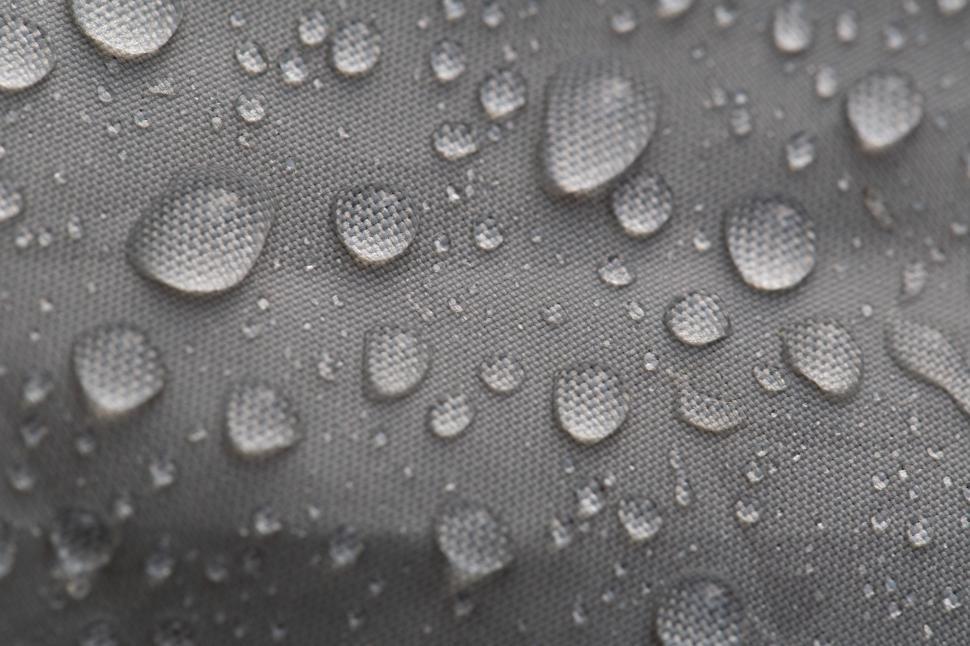
4‑way stretch waterproof fabric offering complete weather protection with enhanced flexibility, comfort, and freedom of movement
Engineered for the Elements
Waterproof & breathable membrane
Allows for greater dexterity
Retains warmth in cold, wet weather
From heavy downpours to freezing winds, X-Dry stretch ensures you stay perfectly dry and comfortably warm from the inside out
Join The Club
And get 10% off your first order.
From Everest to your local trail, we design for the extremes. Sign up for our newsletter to receive the latest from Terra Nova, Wild Country, and Extremities.
DAC Green Anodized Poles
Eco-conscious engineering from the world leader in tent pole technology.
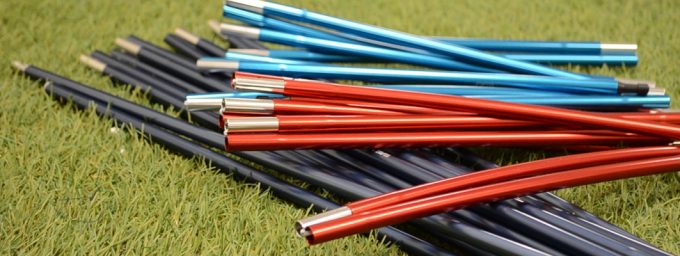
We exclusively feature DAC Green Anodized poles in our premium tent range to deliver world-class strength and weight savings with a radically reduced environmental footprint.
Material: Exclusive TH72M aluminum alloy, providing the highest strength-to-weight ratio in the industry.
Green Technology: The Anodising process completely eliminates nitric and phosphoric acids, utilizing a closed-loop water recycling system to protect both the environment and the craftspeople who build them.
Ultralight Design: Precision swaged at both ends to shed every unnecessary gram without compromising structural integrity.
The gold standard for performance and a sustainable future.
Ultra-lightweight flexibility. Trim weight. Go further.
Designed by our product specialists to offer ultimate versatility for fast-paced adventures, the FastPack system allows you to dramatically reduce your rucksack’s weight and bulk. By using a dedicated footprint in place of an inner tent, you transform your shelter into a high-performance, minimalist waterproof bivi-style setup.
Modular Weight Saving: Leave the inner tent at home when conditions permit to shave significant grams and volume from your pack.
Weatherproof Protection: The system utilises a footprint that covers the entire area under the flysheet, including the porch, providing a clean, dry sleeping area.
Structural Integrity: The footprint is precision-engineered to provide the essential tension and anchor points required for the poles, ensuring the tent remains stable and secure.
Condensation occurs in all tents. The amount of condensation will vary depending on the prevailing conditions, from water only apparent on touching the inside of the tent to droplets extending over the whole upper canopy.
Single skin tents and bivi bags will suffer more from condensation than conventional tents. Tents fitted with snow valances are also likely to suffer more due to reduced air flow. A person can produce more than one litre of perspiration in a single night, so maximising ventilation is the key to reducing condensation.
On still, dry nights, leave the flysheet doors open as much as possible. In more adverse conditions, create a small tunnel vent at the top of the door by unzipping the flysheet doors approximately 15cm. The pole sleeves are designed to aid air flow between the tent inner and flysheet. On windy, dry nights, it should be possible to have no condensation at all if the tent is well ventilated, as the action of the wind on the flysheet pumps out the damp air. In freezing conditions condensation can form as hoarfrost inside the tent. Again, prevention by maximum ventilation is the answer.
Generally, the best method of dealing with heavy condensation, assuming dry conditions in the morning, is to remove the flysheet, shake off condensation and replace it. If the condensation is slight and conditions are windy, simply venting the tent will soon dry out the flysheet.