
British West Face of Salkantay Expedition
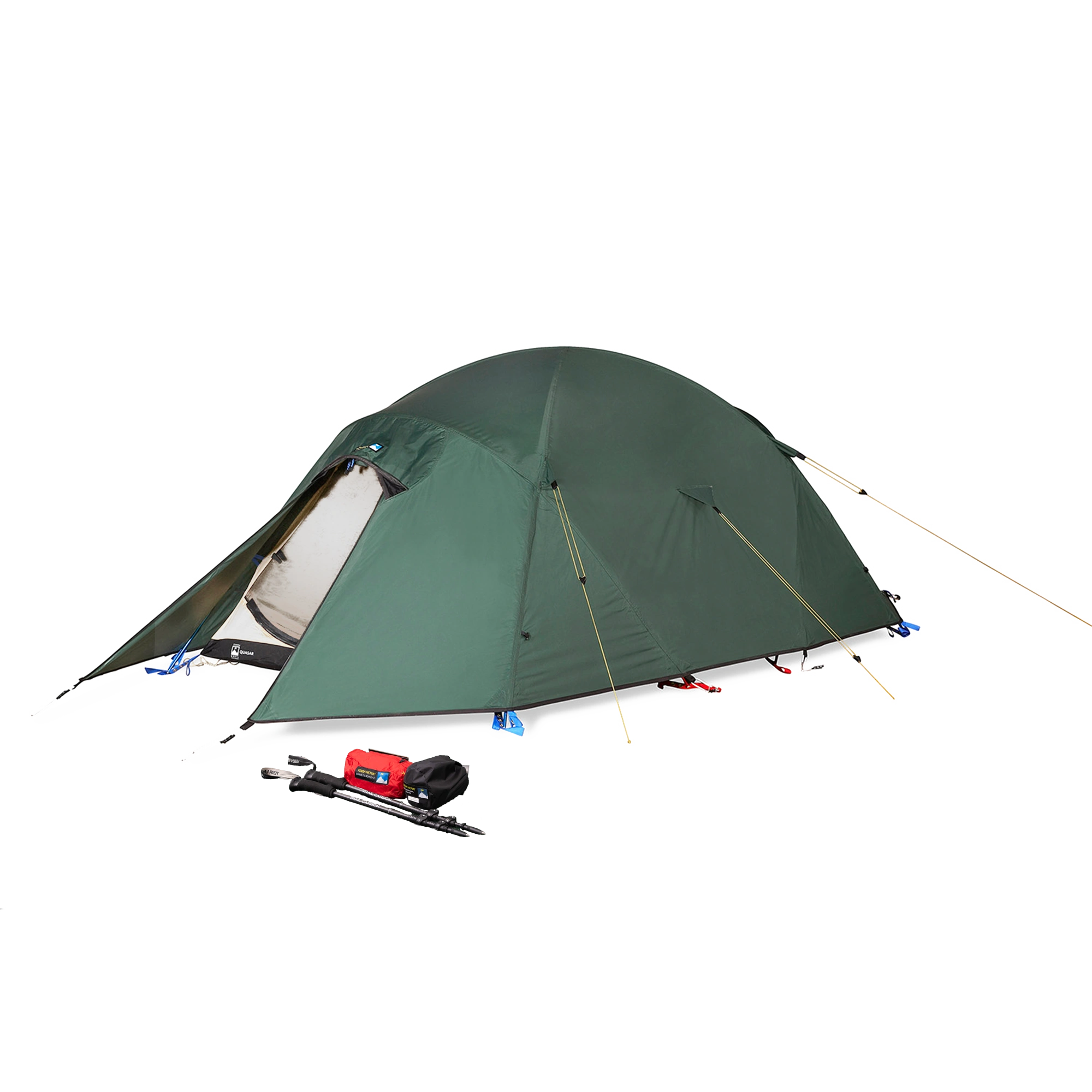
In August 1986, a five-man British team made the first British ascent of Salcantay (6,271m), the highest peak of the Cordillera Vilcabamba in southern Peru, by a new route up its huge and unclimbed south-west face. They climbed it alpine style, carrying no tent on the mountain and sleeping instead in Wintergear Gore-Tex bivi bags, with a Wild Country Quasar waiting at base camp. This is Mark Lowe’s account, taken from the expedition report.
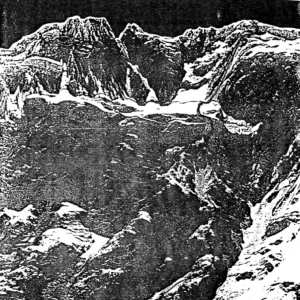
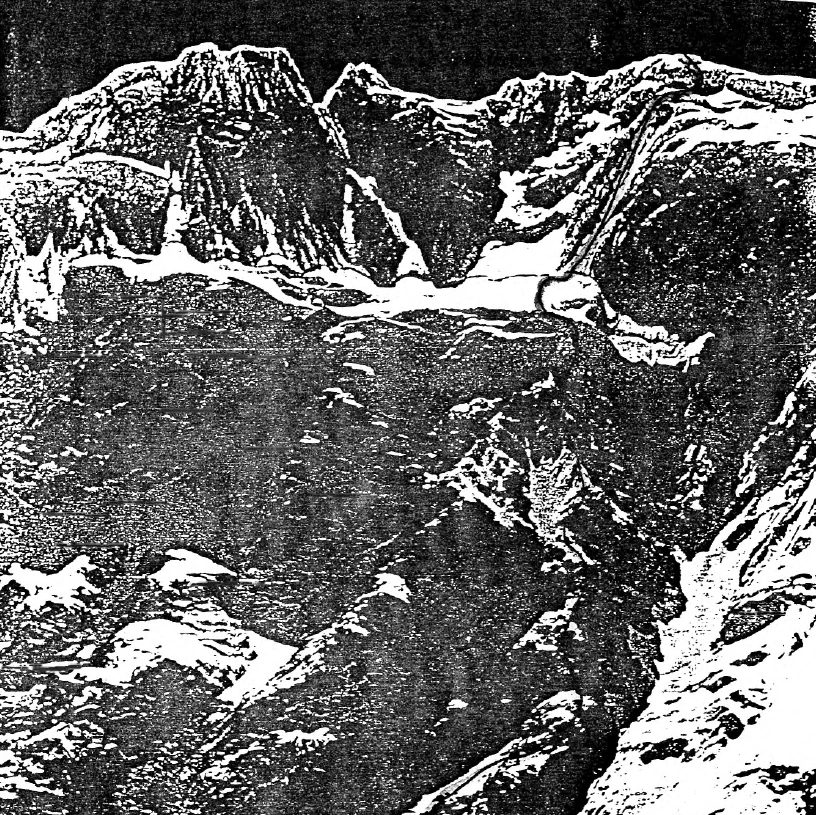
Salcantay means “Mother of Snow”, though the locals also know it as the Savage Mountain. It is a huge granite peak, glacier-covered, dominating the eastern end of the Cordillera Vilcabamba, just twenty miles south of Machu Picchu. Pete Leeming and I had first seen it two years earlier from a plane on the way to Cusco, and had been struck by its size and beauty. The west face, more accurately the south-west, was one of the largest unclimbed faces in South America. Two previous parties, German and Yugoslav, had failed low down. We had our objective, and one month to do it in.
When the cloud cleared on our first morning at base camp, the face was as impressive as anything any of us had seen anywhere in the world. A vast central hanging glacier, apparently unsupported, sat above walls of crumbling seracs more than a kilometre long. Every morning and evening, avalanches poured down the couloirs on either side of our intended line, especially the right-hand one, which we came to call “The Cannon”. One rule governs a face like this: climb with the maximum of speed, and stay out of the line of fire.
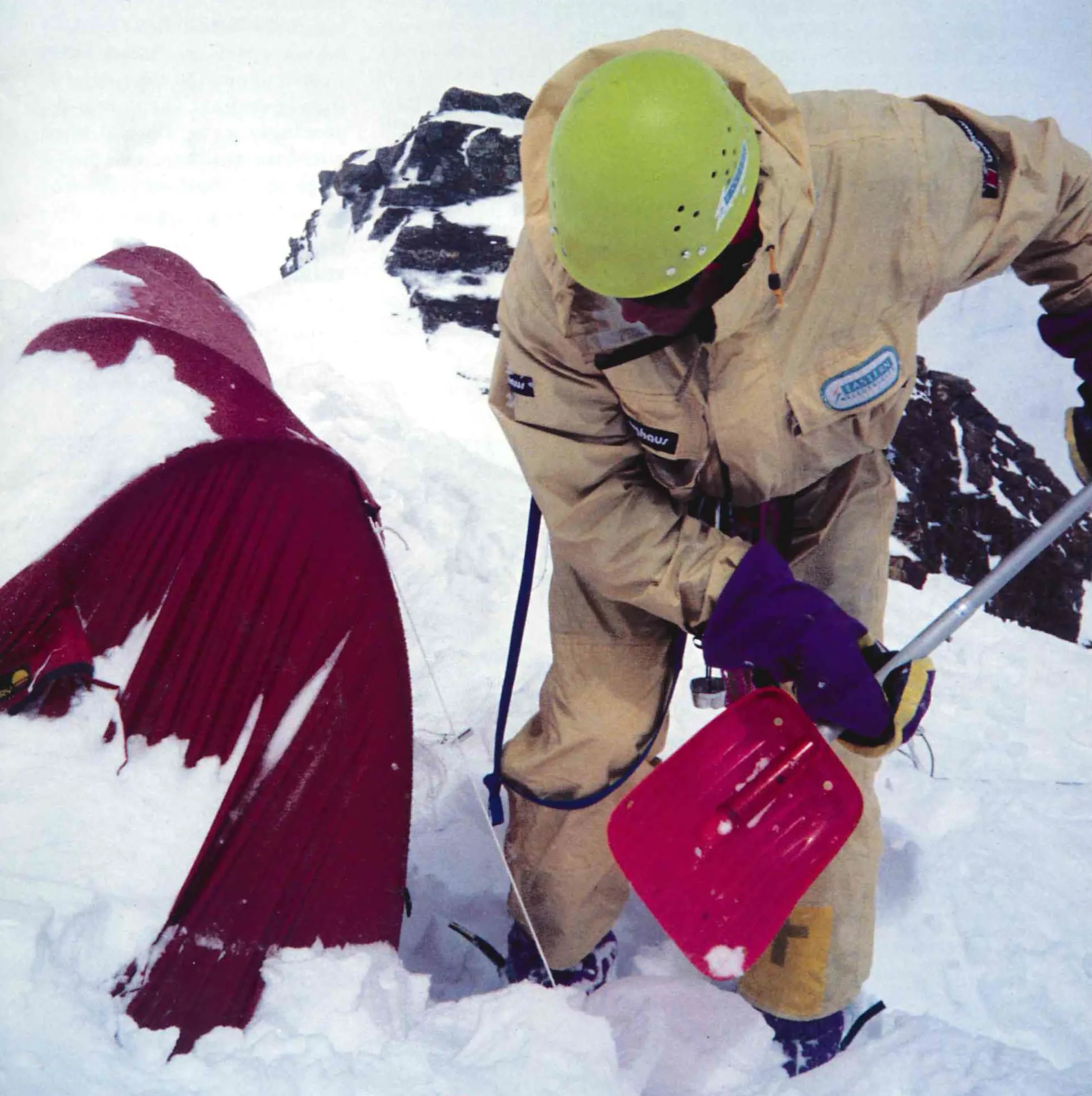
We set off from base camp at six in the morning on 4 August, each of us carrying three days of food and fuel and a sleeping bag and Gore-Tex bivi bag. We had only to cross the avalanche-scarred slopes below The Cannon to reach the safety of the rock. Pete and Duncan had just touched the first rocks when the avalanche arrived, like an enormous round of exploding buckshot. Paul and I were caught in the middle of it, dodging the largest lumps and fending off the smaller ones with our hands. I took one on the head, but it bounced harmlessly off my helmet. Keith, below us, got clear by running to one side. We had found a potentially fatal situation before we had even started the route.
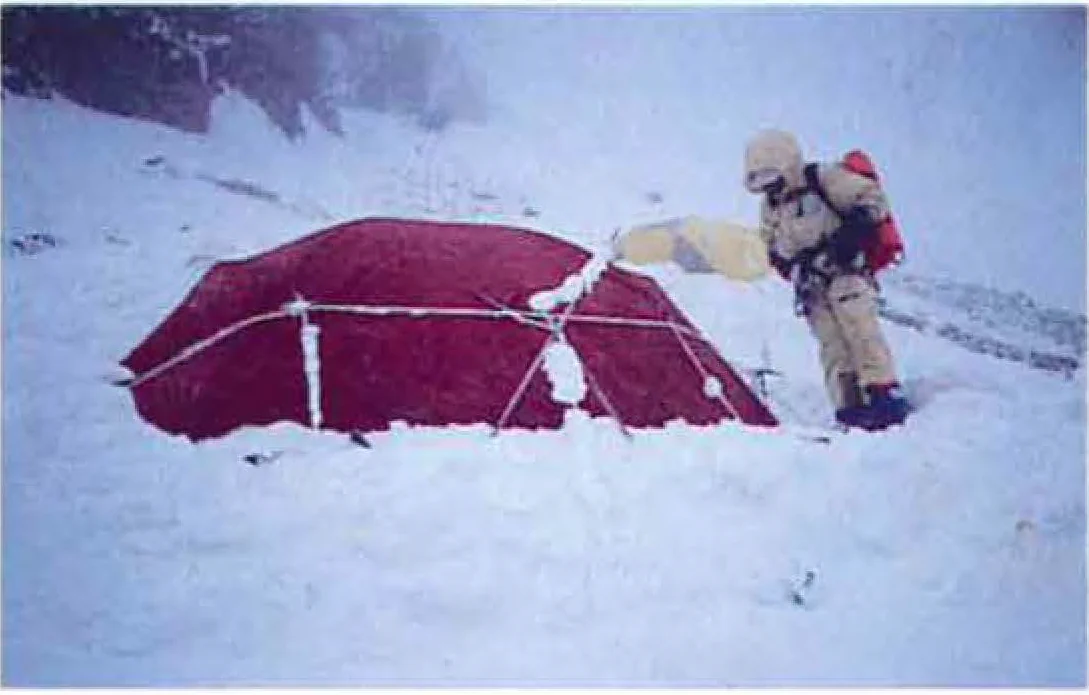
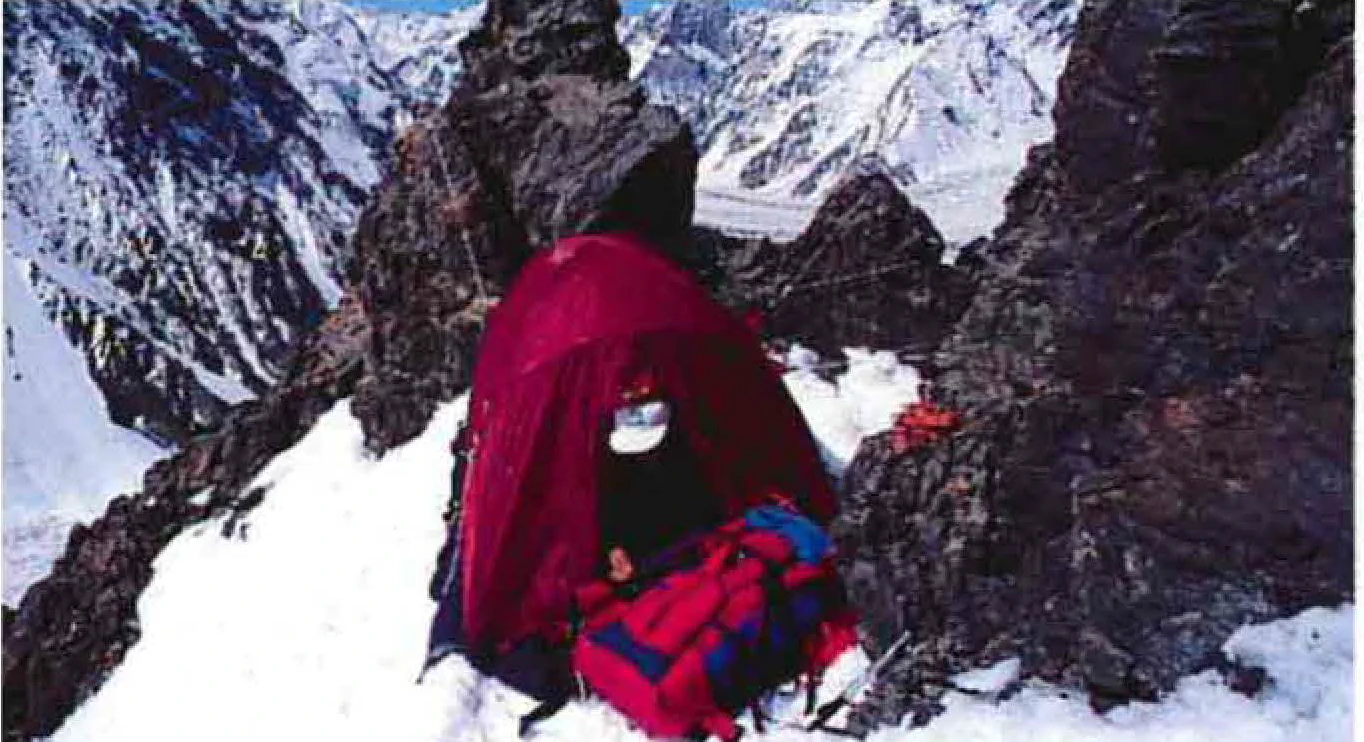
The face took three days. We climbed in two ropes, bivouacking each night wherever we could dig or cut a ledge, tied on to ice screws against the drop. There were no tents. On ground like this a tent is useless, so we relied entirely on the Gore-Tex bivi bags, and they kept our sleeping bags dry even after six days out. The stoves were another matter, melting snow so slowly that we drank barely a litre a day and climbed the upper face badly dehydrated. On the second day, high in the couloir we had chosen, the snow came in earnest and the spindrift avalanches began pouring down on us.
Quite suddenly, it was like climbing up a waterfall, a waterfall of snow.
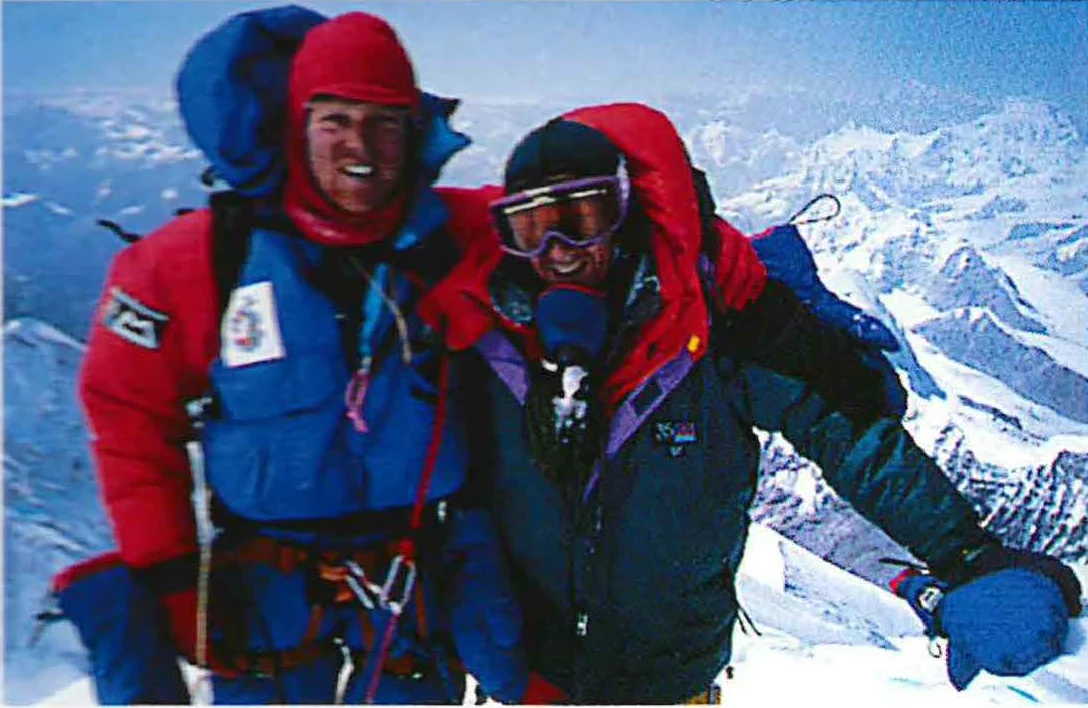
The weather turned in our favour on the third night, when Pete found us a large level platform below a stable serac, which I can only describe as a timely gift from the Mother of Snow. The next morning, 7 August, Duncan led on through deep snow while I stumbled behind, my hands and feet frozen and my mind full of the worry of frostbite. After three more pitches and a final bergschrund, I came up over a rise to find Duncan and Pete lying on their backs in the summit sunshine. We had made it. The time was half past ten.
We had reached the lower summit, at 6,140m. The true top lay about a kilometre further west across crevassed ground and deep powder, and after three days on the face we were too spent to give it another day. It was, and remains, a first British ascent of the mountain. We descended the East ridge over the next day and a half, with a falling rock and a chunk of ice each missing me by a margin I would rather not think about, and walked back into base camp to a good meal and a very relieved camp guard.
Two mornings later we watched several thousand tons of ice detach itself from the hanging glacier and pour down the face, straight down the line of our ascent, removing our first bivouac site as it went. Salcantay, it seemed, wanted to make a point. A stunned silence fell over the group. It was Duncan, our resident comedian and a serving Army captain, who broke it, in the voice of a sergeant major addressing a bunch of raw recruits who had just survived their first taste of active service:
You lucky LUCKY bastards!
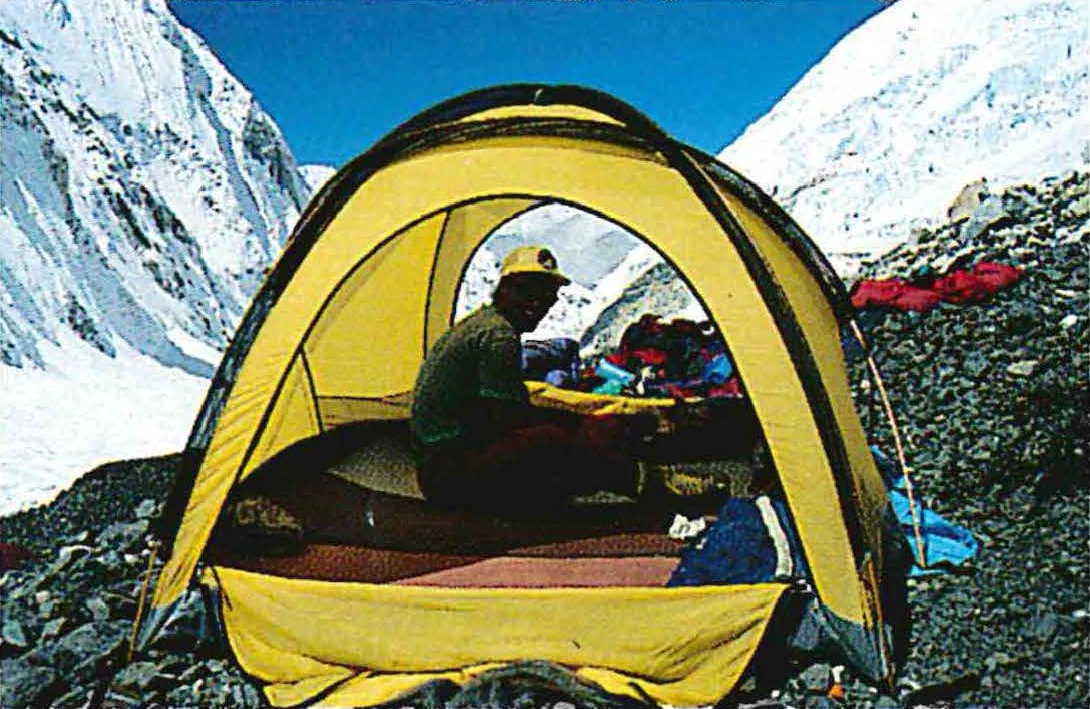
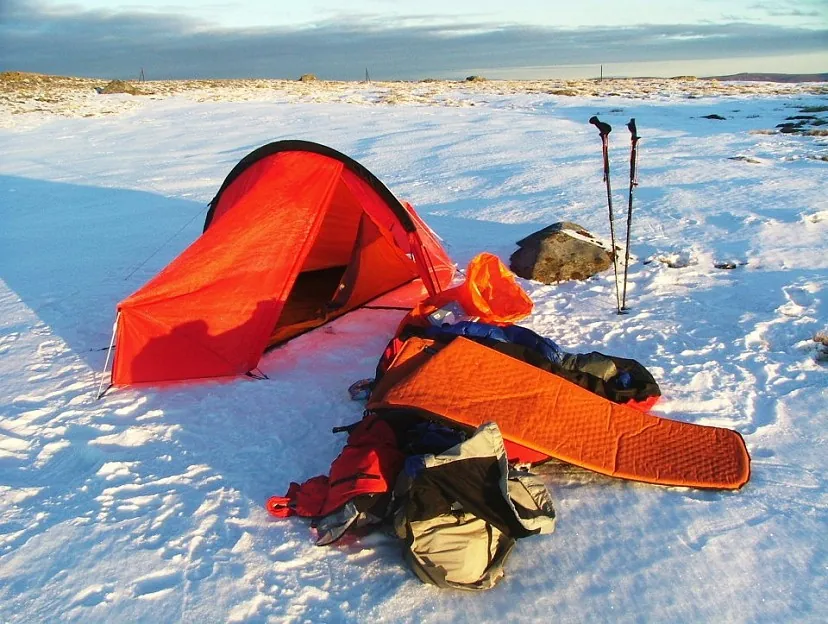
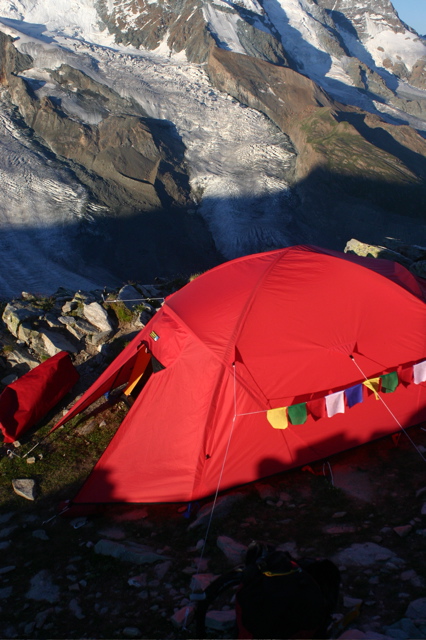
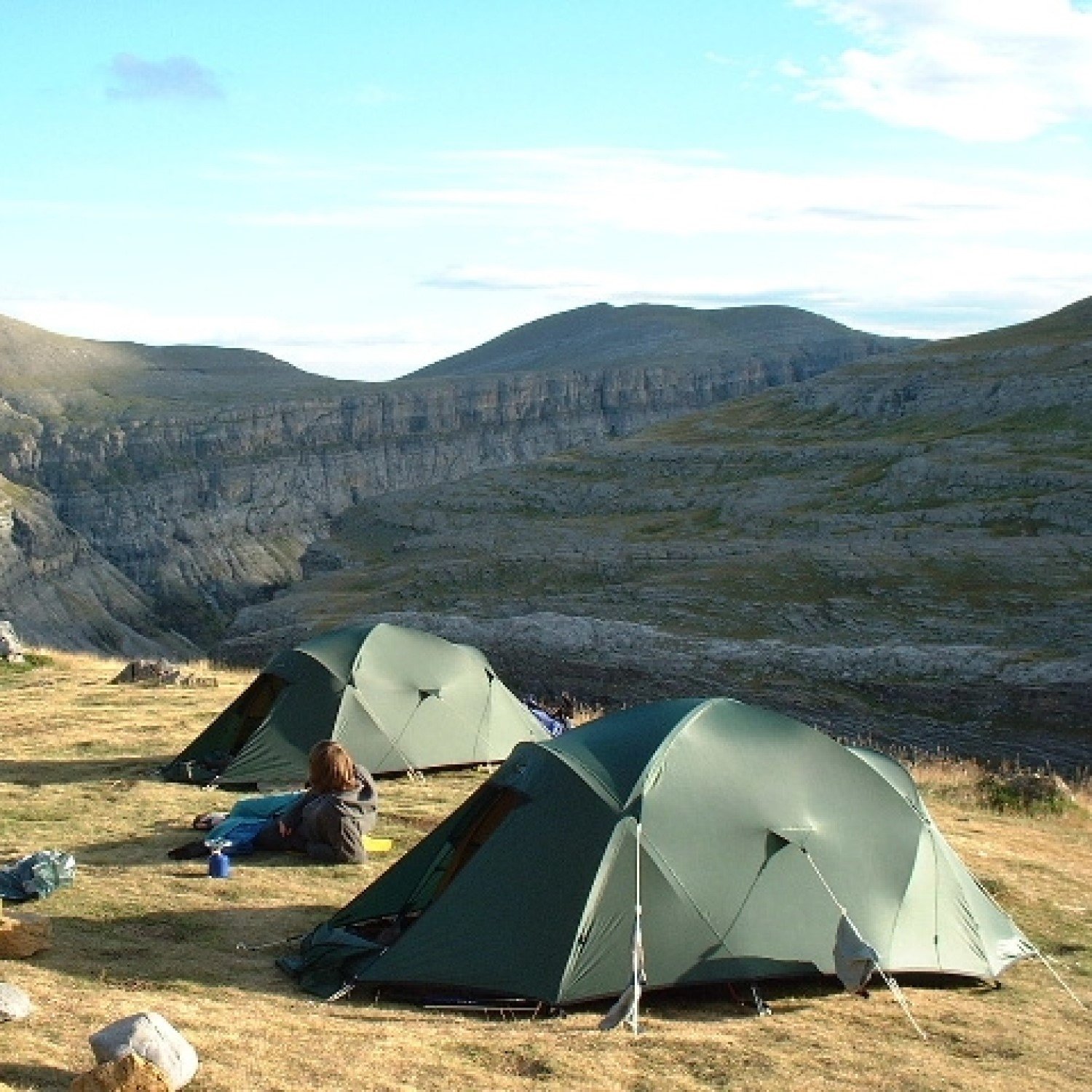
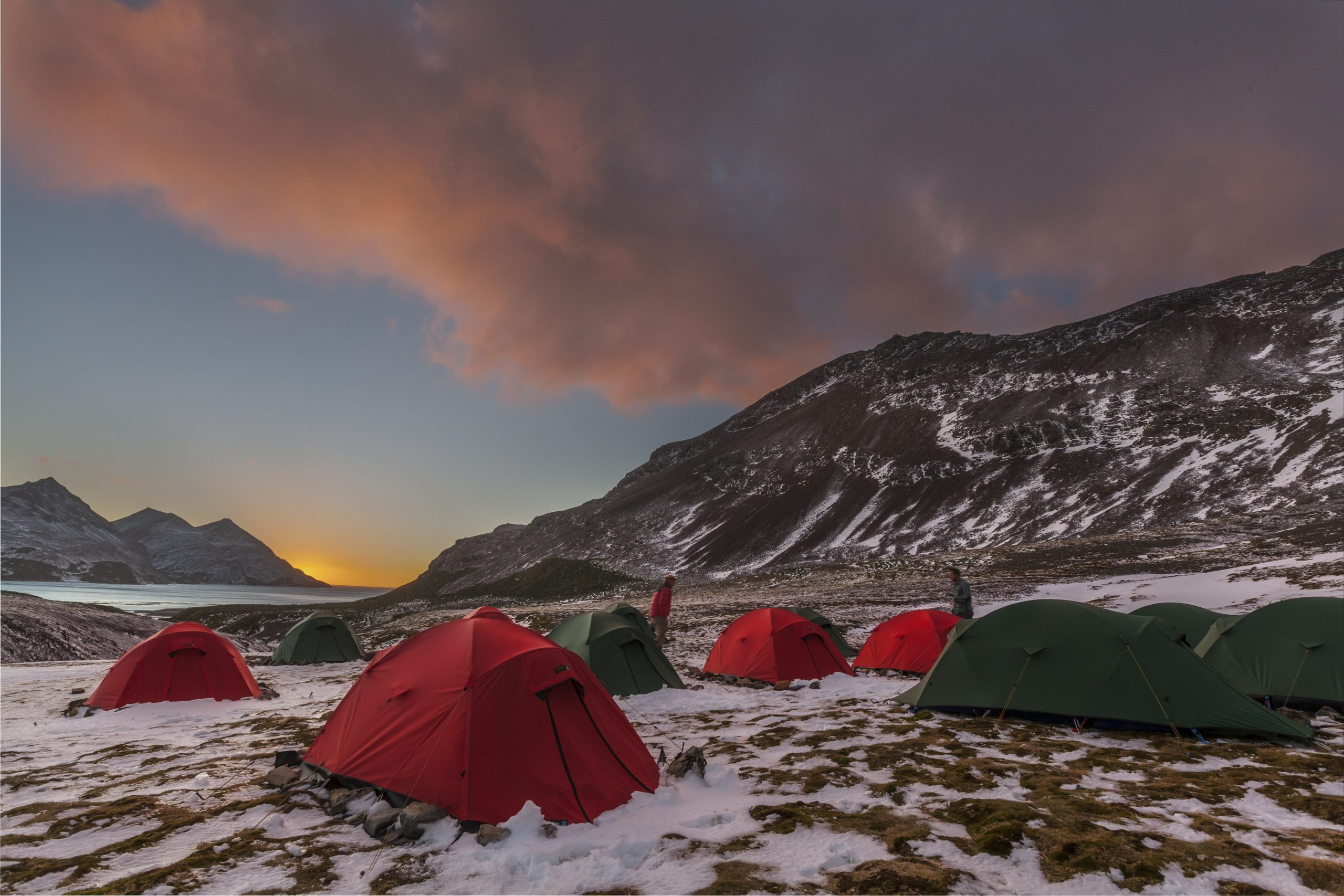
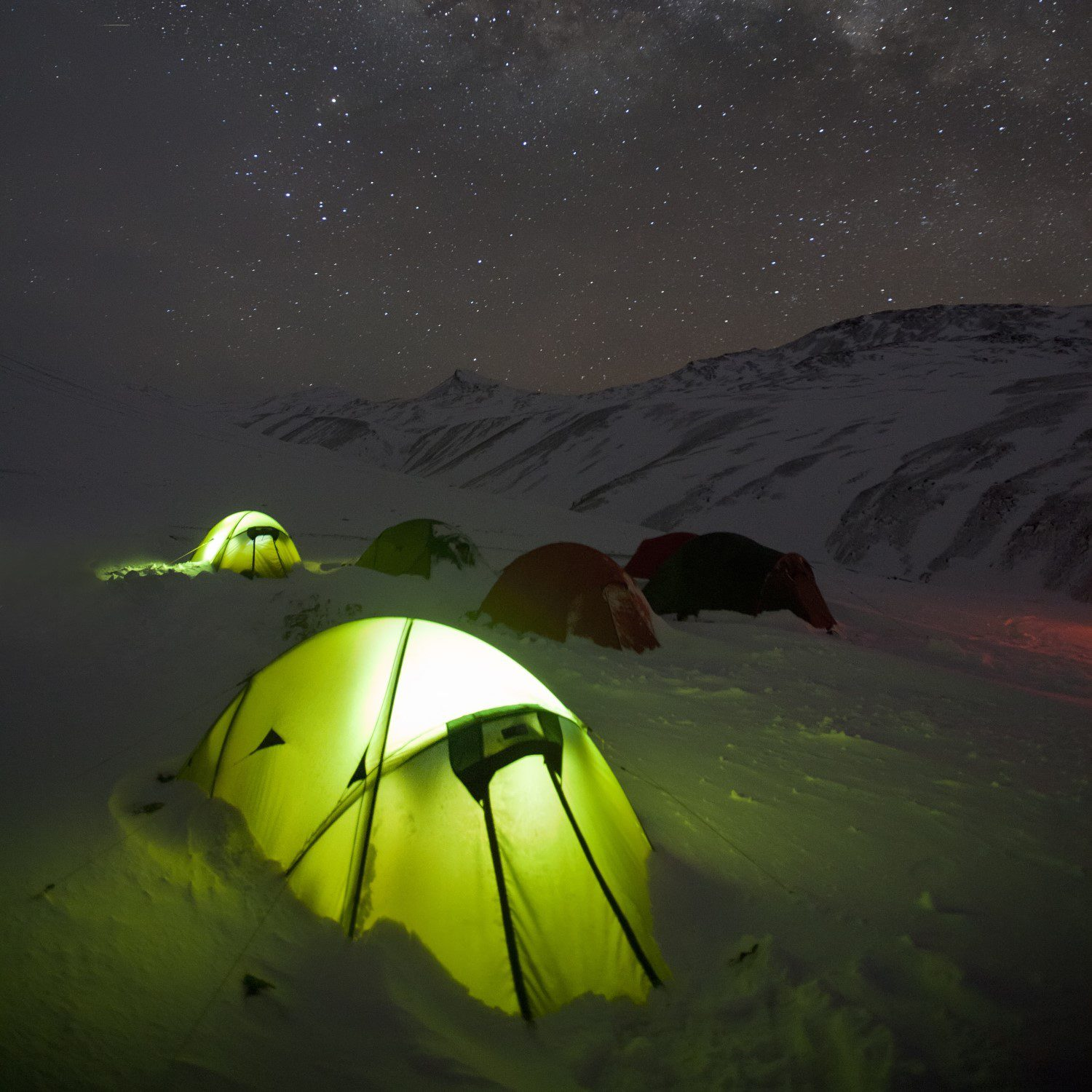
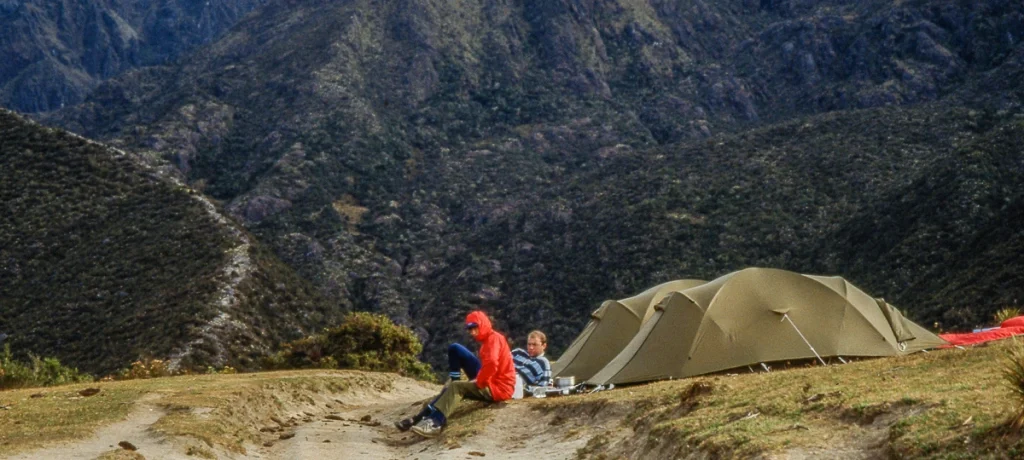
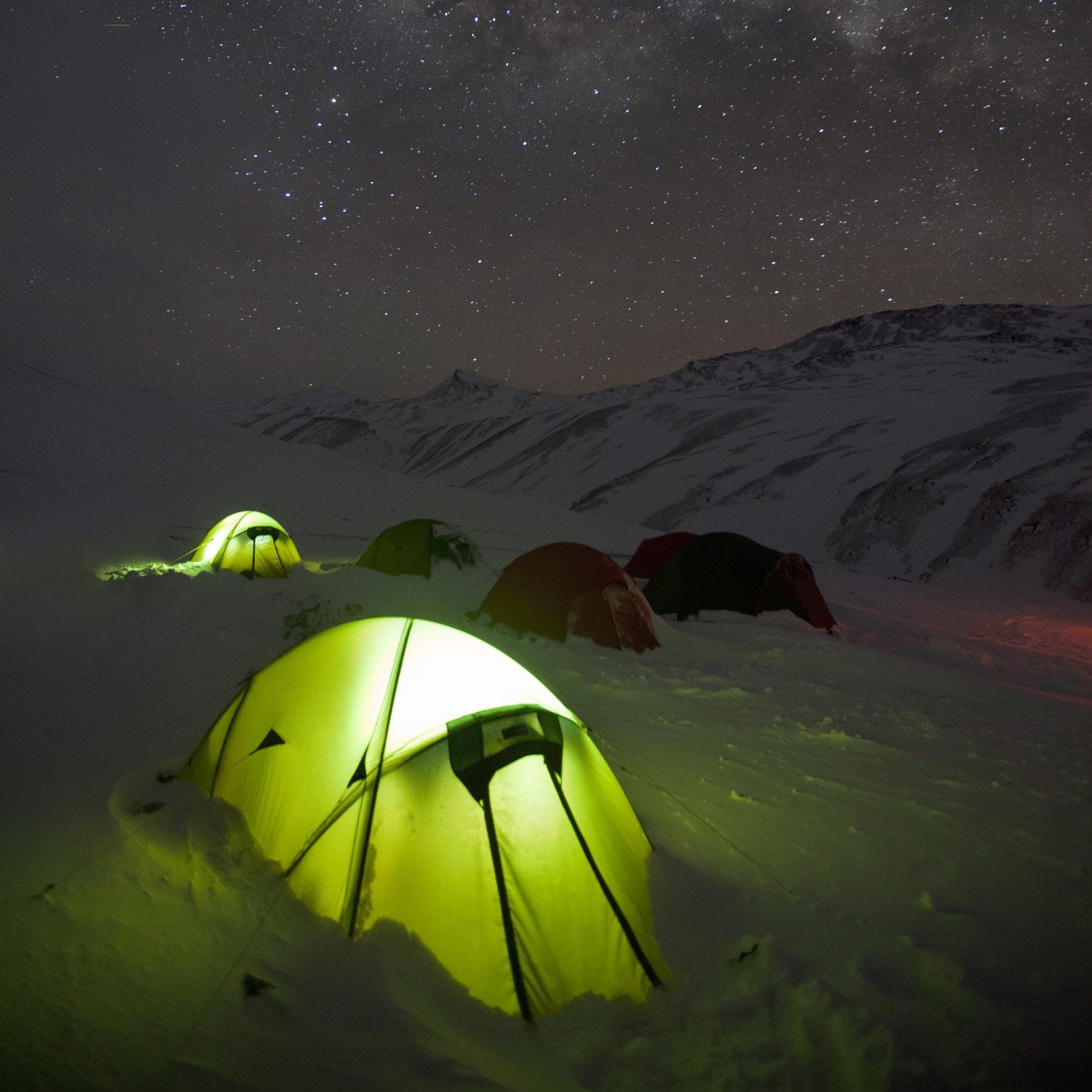
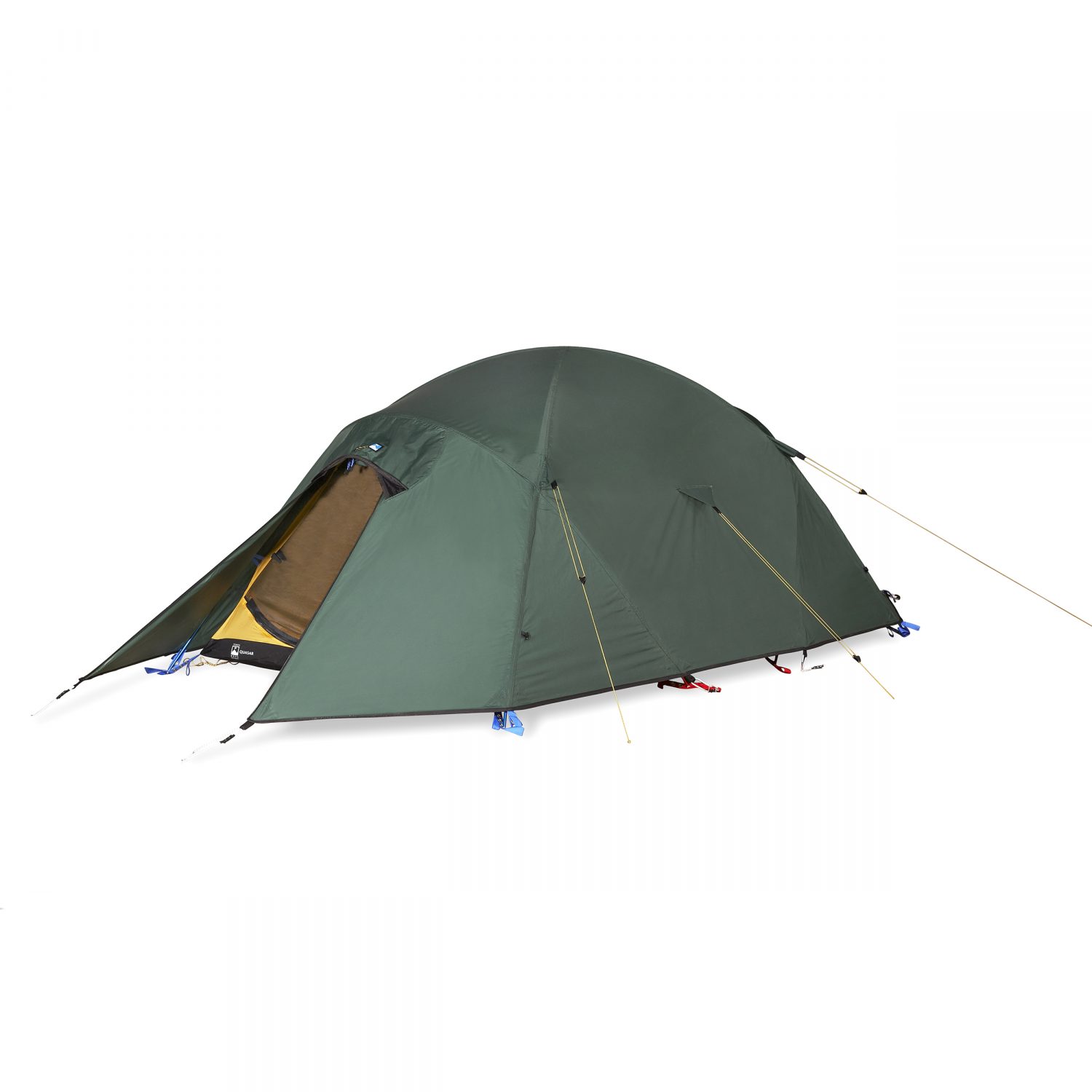
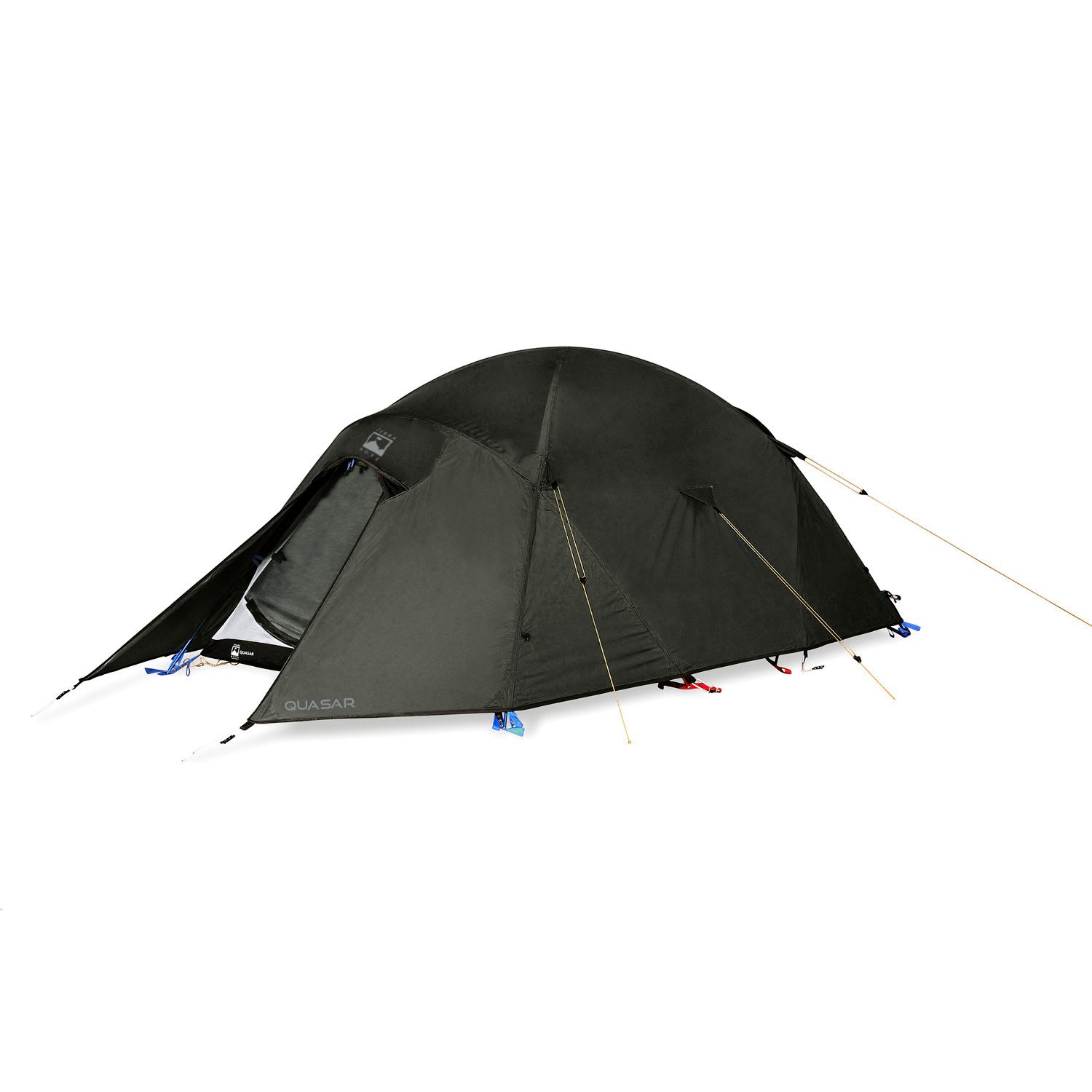
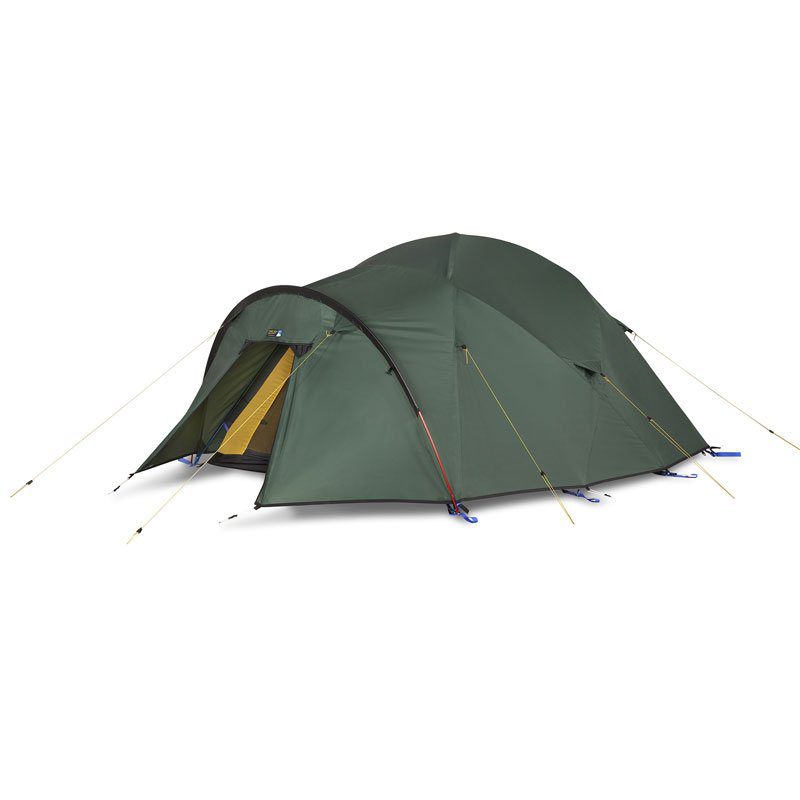
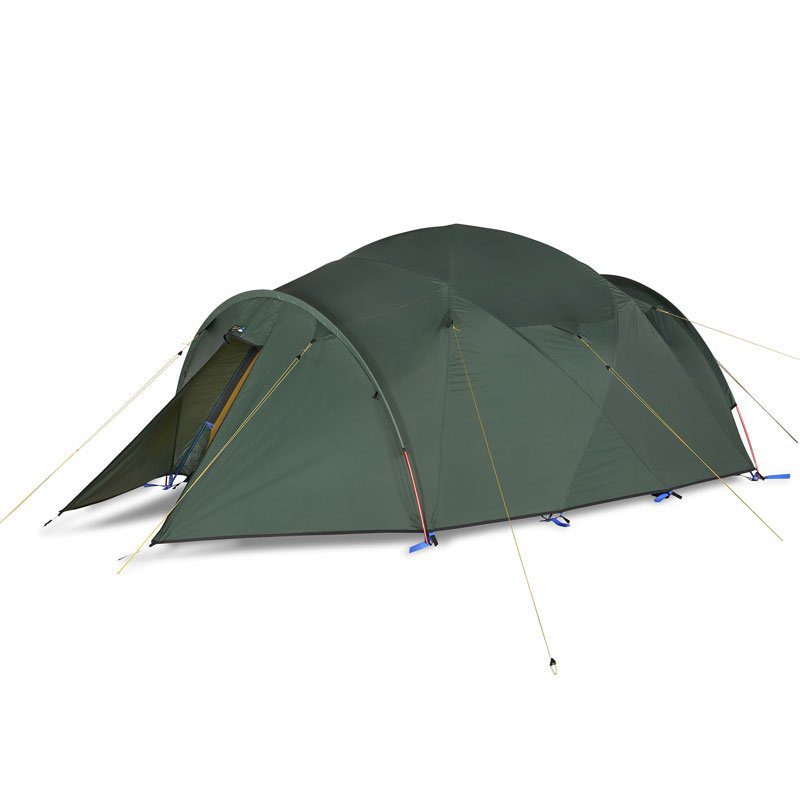
The bivi bags had done everything asked of them across the nights out on one of the largest faces in the Andes. Back at base camp, the Wild Country Quasar and the other dome tents had sat out the daily weather without complaint, excellent, and light for the space they gave. We had gone light, moved fast, and come home, which on a face like Salcantay is the only measure that really counts.
Mark Lowe, British West Face of Salcantay Expedition 1986
-
SALE FEATURED


Limited Edition Quasar Tent & Bundle
-
FEATURED
Murlan Elite 2 Tent
-
Expedition Quasar Tent
£1,100.00 Add to Pack This product has multiple variants. The options may be chosen on the product page -
Quasar Tent
-
Expedition Hyperspace Tent
£1,450.00 Add to Pack This product has multiple variants. The options may be chosen on the product page -
Expedition Terra Firma Tent
£1,800.00 Add to Pack This product has multiple variants. The options may be chosen on the product page -
Expedition Cosmos Tent
£5,600.00 Add to Pack This product has multiple variants. The options may be chosen on the product page -
Outlet – Murlan Elite 2 Tent – Grade B
-
SOLD OUT
Expedition Super Quasar Tent
£1,200.00 Add to Pack This product has multiple variants. The options may be chosen on the product page



Planning Something Ambitious?
Our archive of expeditions isn't marketing; it's a record of what our tents, shelters, and apparel have actually survived, written by the people who were there. From first ascents in the Karakoram to four months on Ellesmere Island. But our history isn’t just about where we’ve been; it’s about where we’re going next.
We support a small number of genuine, objective-led expeditions every year. If you’re putting together a capable team with a clear plan and a story to tell, we’d love to hear about it.