

Joint Services East Nepal Expedition: Manaslu North
On 10 May 1983, four climbers stood on the summit of Manaslu North (7,200m) in the Nepal Himalaya. It was the first British ascent of the peak, made by a Joint Services team drawn from the Royal Navy, Royal Marines and RAF. What follows is the expedition’s own account, taken from the field report: a fifteen-day walk in, a season of relentless weather, one summit bid turned back within reach of the top, and the Wintergear tents that stood through all of it.
We were an unusual party. The Royal Navy and Royal Marines Mountaineering Club had joined forces with the RAF Mountaineering Association, and the peak the Nepalese authorities allocated us was the North Peak of Manaslu, 23,500ft, in an area that was normally remote and hard of access. It had had no British ascents, and reports of an earlier Dutch expedition were vague. It was an exciting challenge to try for a peak about which so little was known.
The walk in took fifteen days from the road head at Trisuli. We set off with 170 porters straight into the Hindu festival of colour, and if you were not careful you ended up covered in red dye. The route followed the Buri Gandaki, hot and steep by turns, past villages and wire bridges and long climbs over treeless spurs, with an armed escort through the bandit country near the head of the valley. Fifteen days later we reached the traditional Manaslu Base Camp at 12,650ft, an old summer yak-herding area below the glacier.
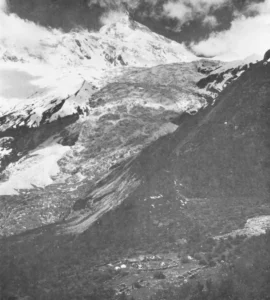
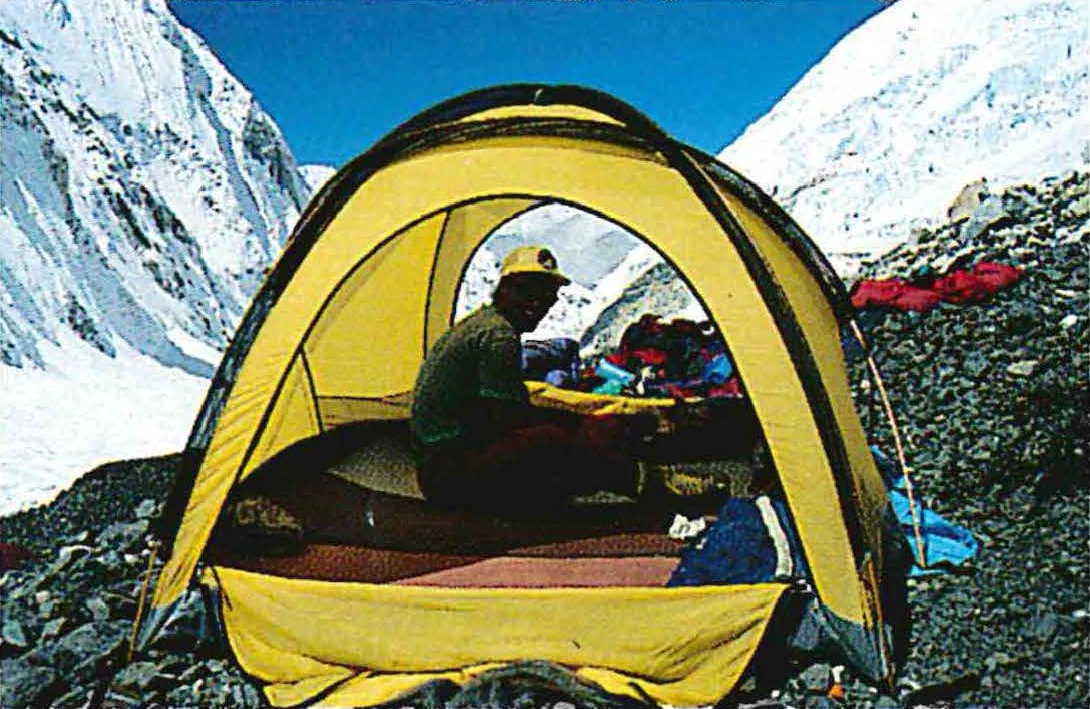
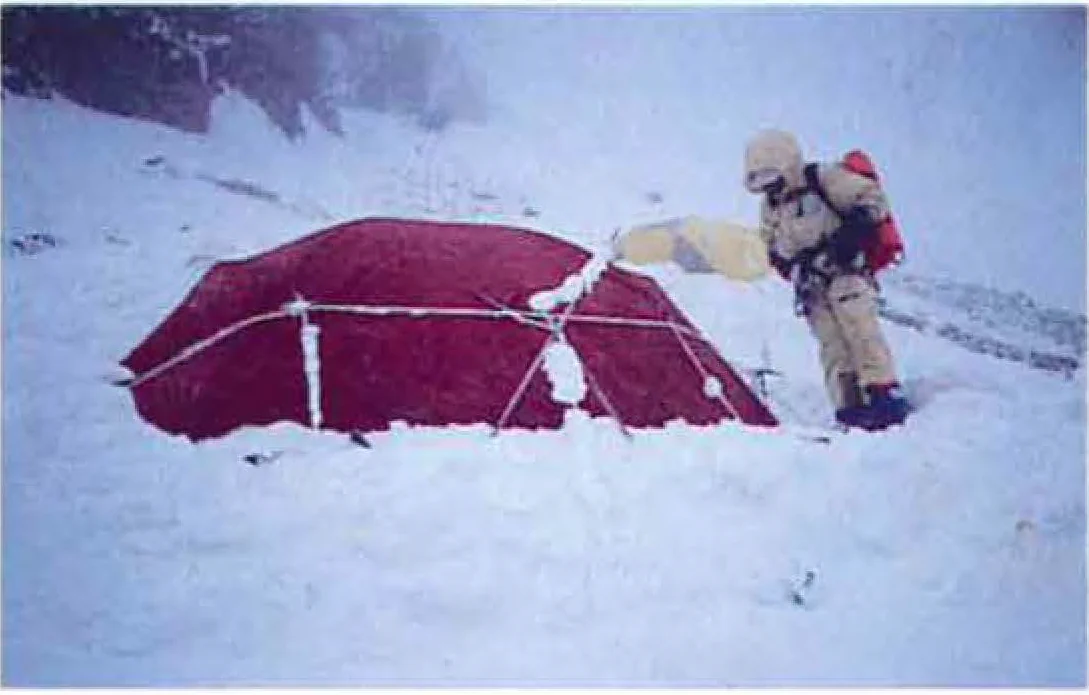
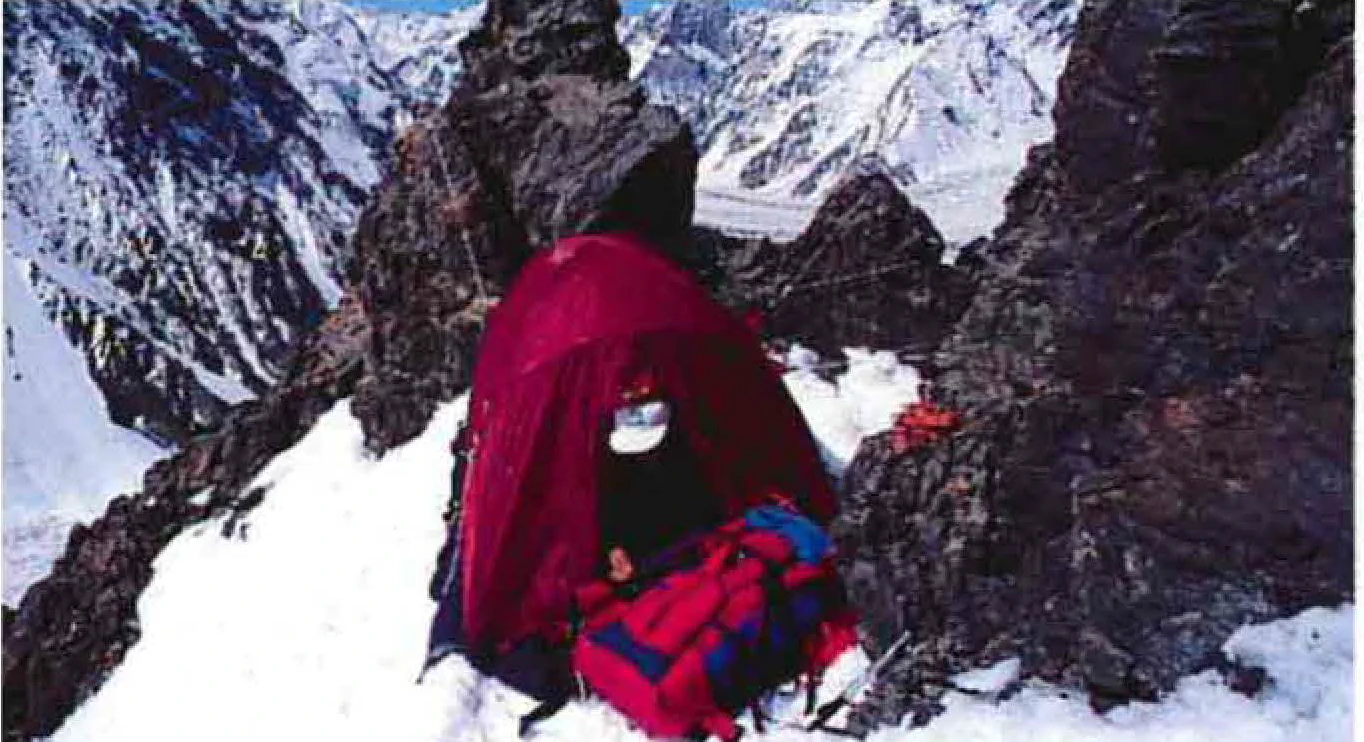
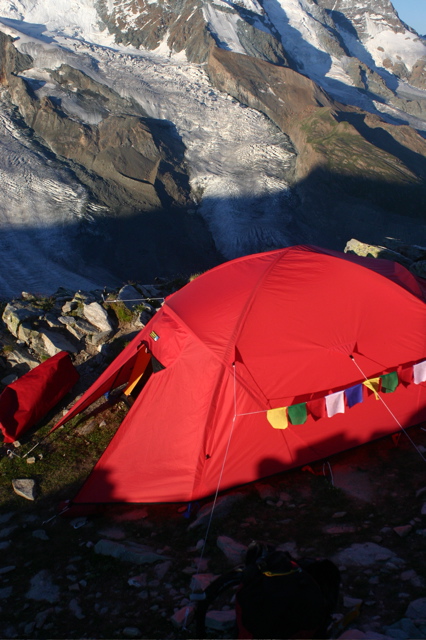
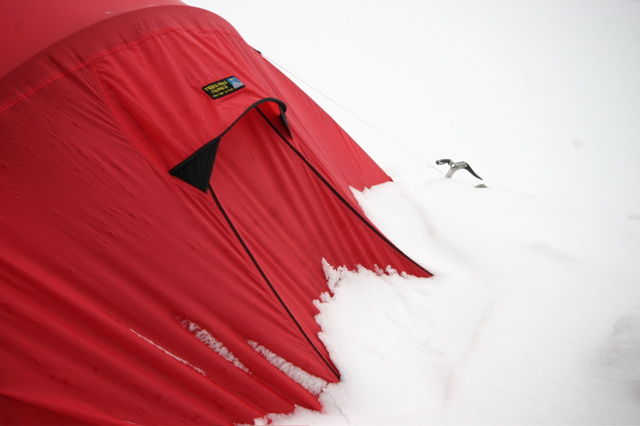
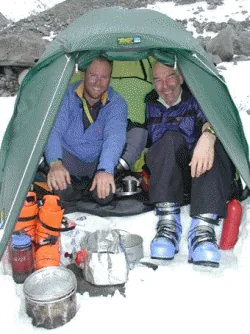
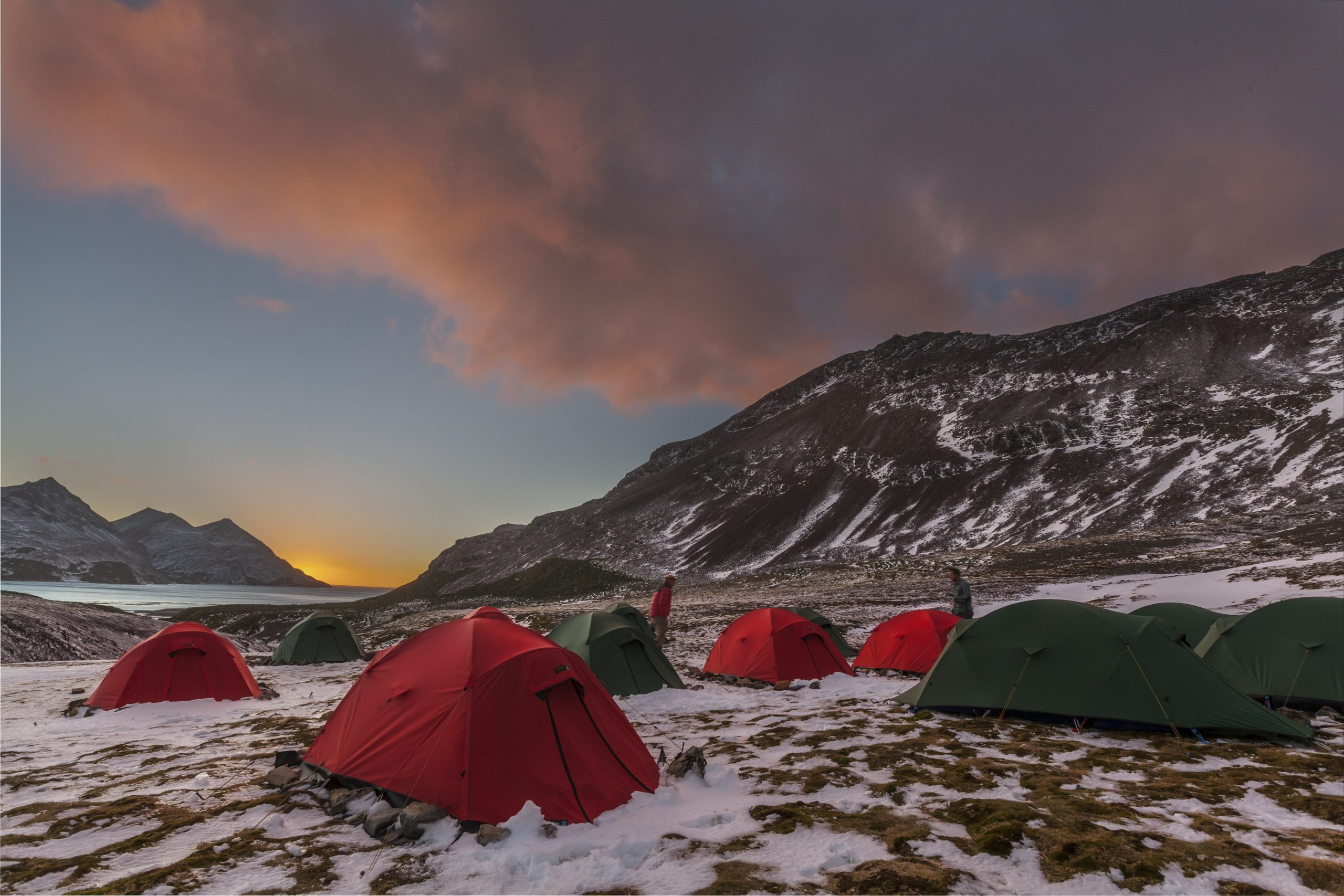
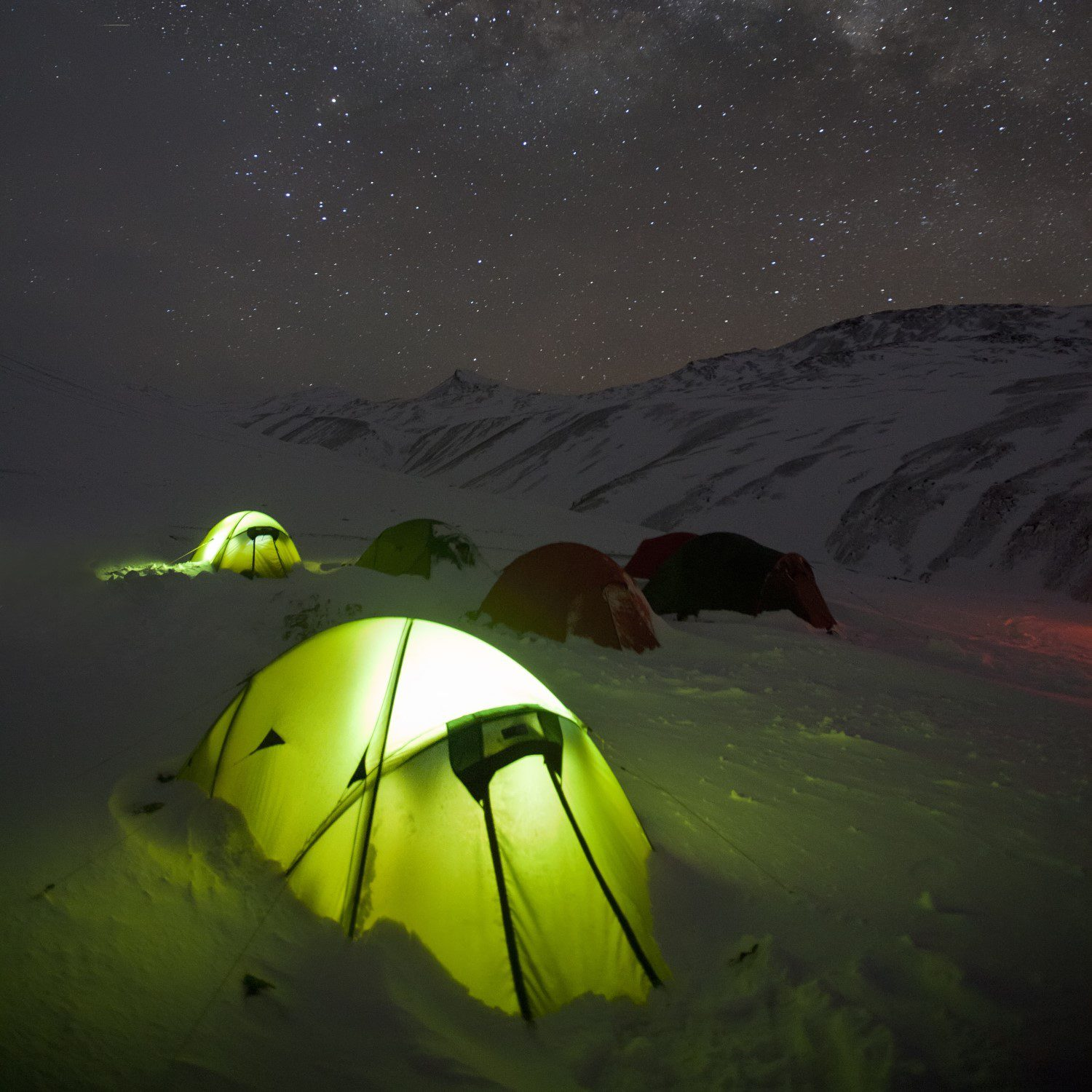
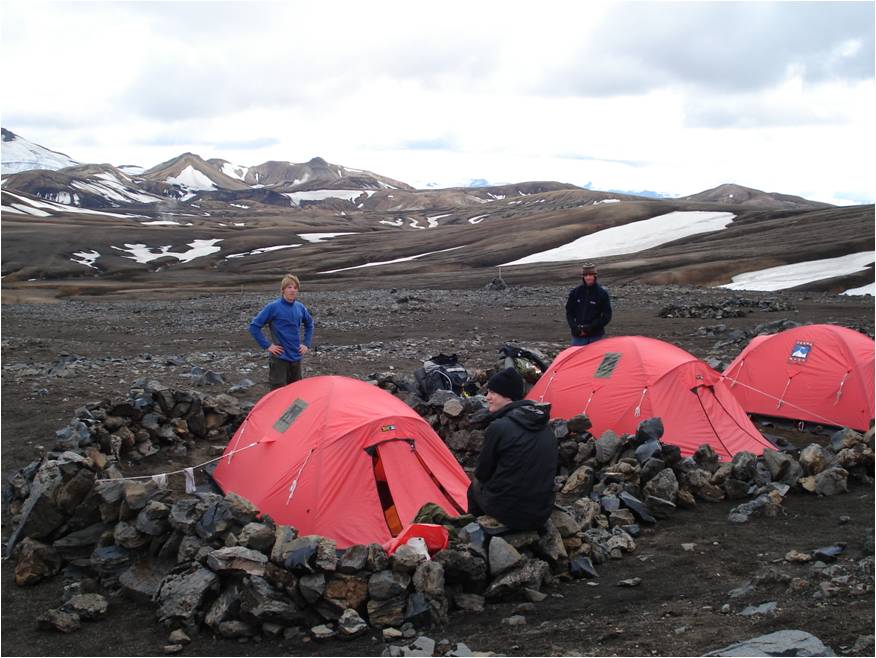
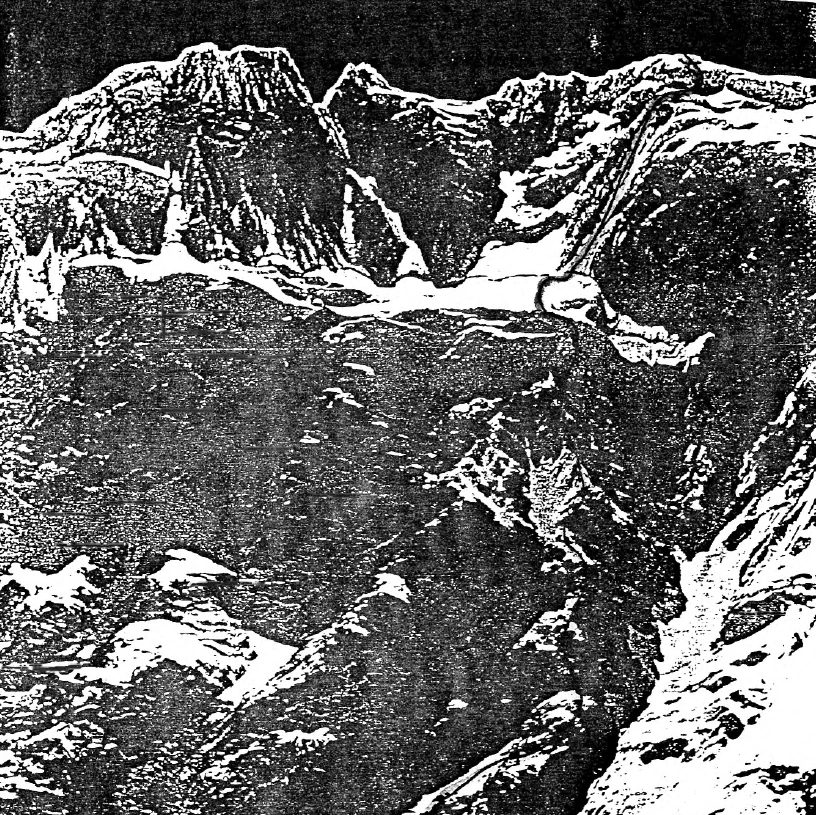
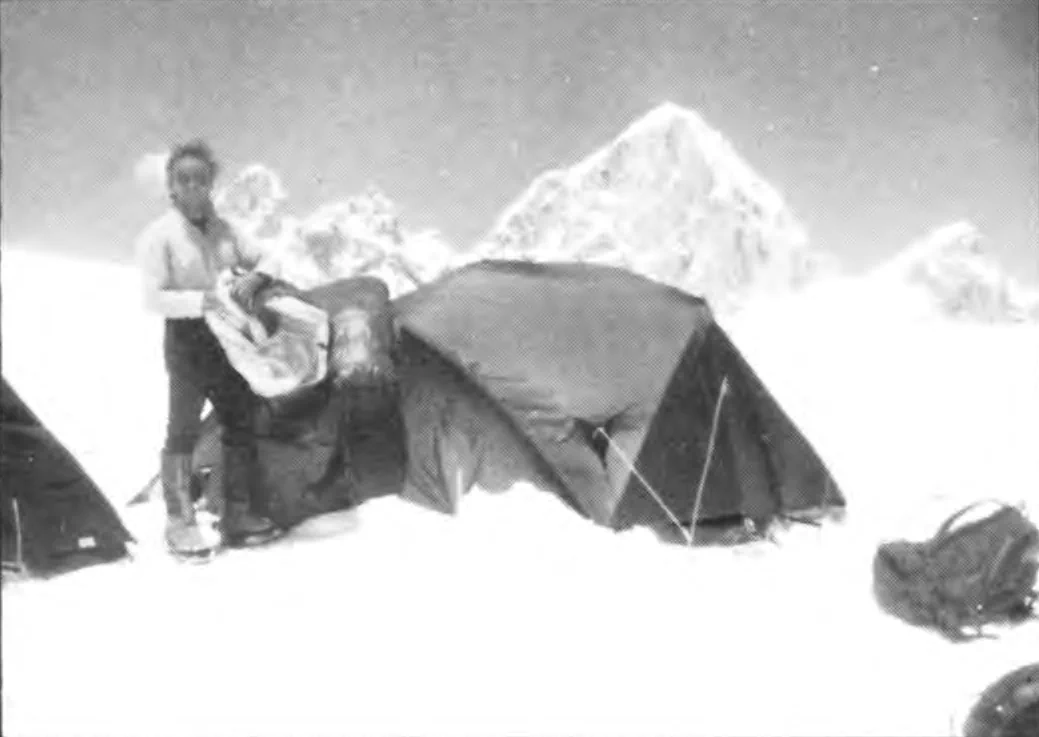
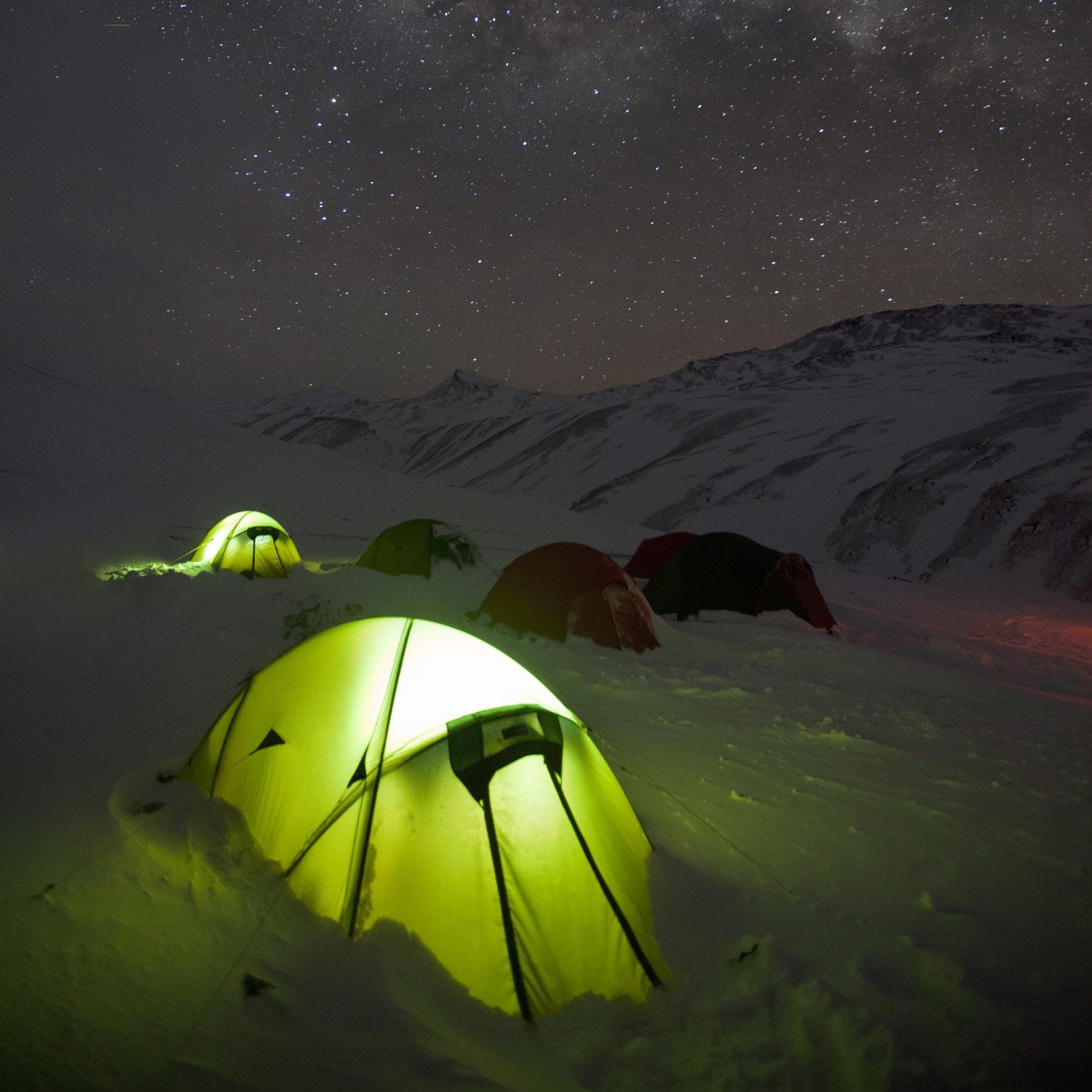
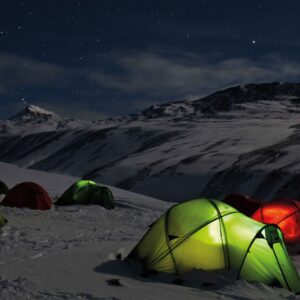
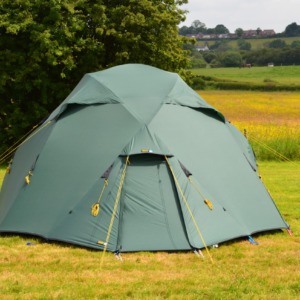
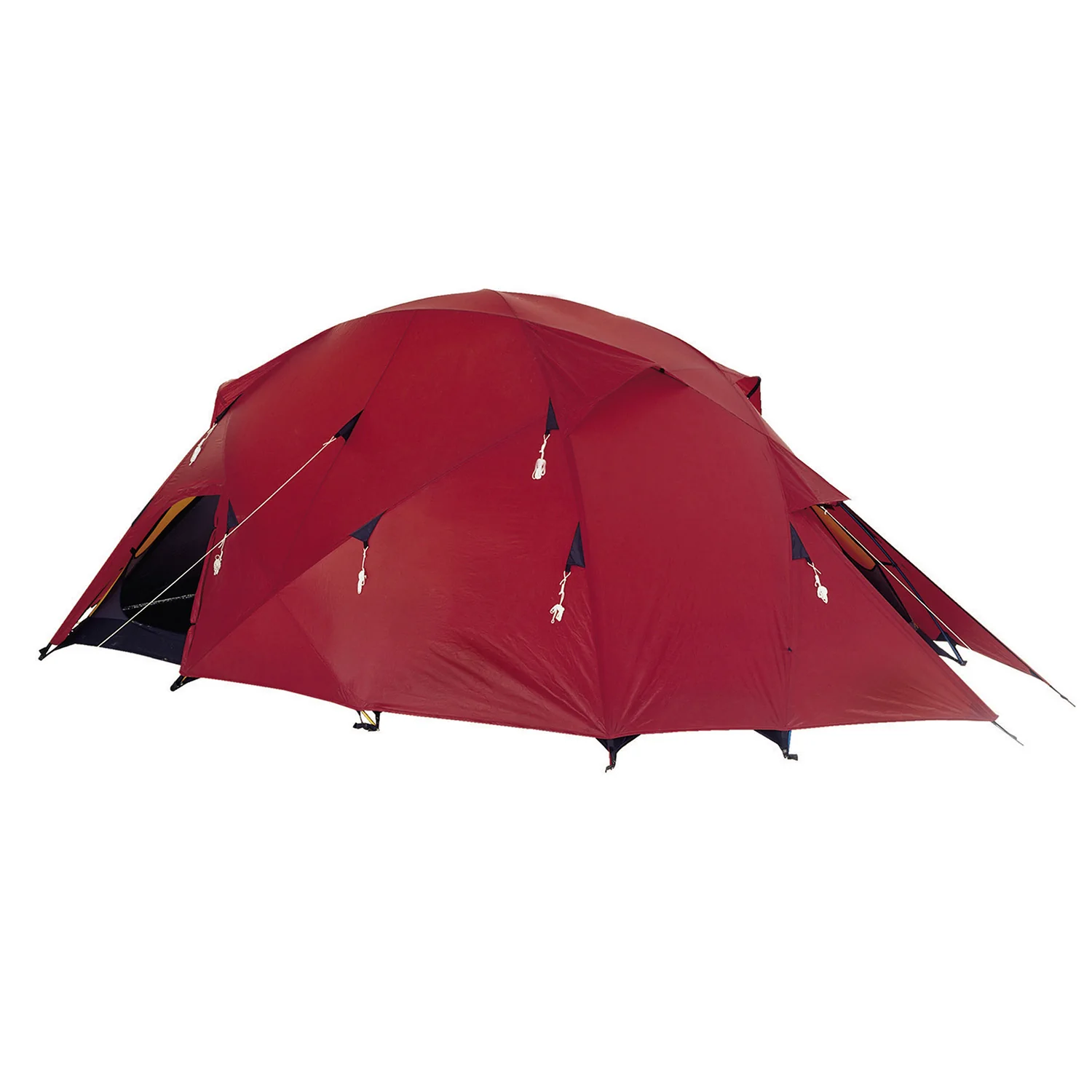
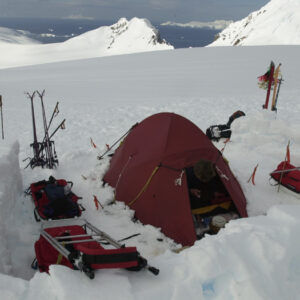
From Base Camp the route ran up through the icefall to Camp 1 at 16,200ft, on to an Advanced Base Camp on the Naike Col at 18,300ft, and then up the Manaslu glacier towards the North Col. We were carrying two Wintergear Super Diamond tents, and it was at the Naike Col that they earned their reputation. The col is a particularly exposed spot, taking the full force of the wind and continual spindrift, and the two tents stood there for the better part of a month.
“These tents were unanimously considered to be outstanding. In very high winds, the poles actually inverted, but the tent regained its original shape.”
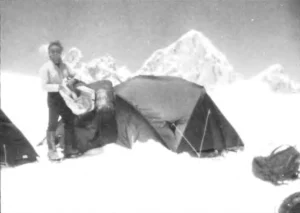
The weather was against us for most of the expedition. We had days on end of heavy snow, days when we could not see fifty metres, and nights of storm-force wind on the col. Camp 3 was established at around 22,000ft, and on 1 May the first summit team left it before dawn. Within a few hundred feet of the top, a huge powder-snow avalanche roared down one side of us, missing us with its main fury but taking away several of our marker poles. With great reluctance we turned back. It was a lucky escape. Camp 3 itself was later lost to avalanche, and with it any hope of a quick second attempt from high on the mountain.
We came down, rested at Base Camp, and waited for the weather. When it finally settled we went back up, and on 10 May a team of four, Pat Parsons, Charlie Hattersley, Terry Moore and Dougie Borthwick, left the top camp for the summit. This is Parsons’s account of that day.
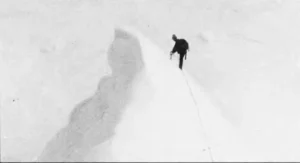
The going was easy angled, but the deep soft snow meant the trail breaker had to change every five minutes or so. From the North Col we got our first clear sight of the ridge leading to the summit. It went well enough at first, but the storm clouds from Annapurna soon rolled in, and thunder began to generate itself around us.
“Thunder was now generating itself around us and the air charged with electricity which actually made our metal ice axes hum and buzz in our hands.”
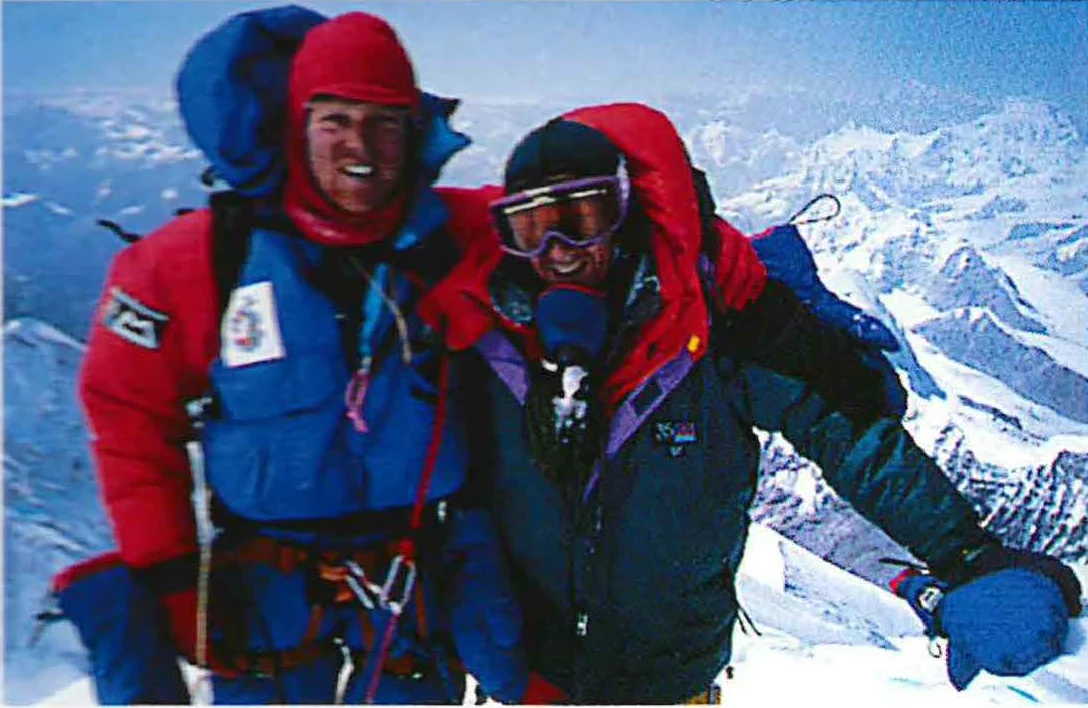
After a few false summits, at ten past twelve, the mountain finally fell away on all sides. We were there. I climbed the last few feet to the cornice and banged in my axe for a belay, and the shock was enough to send the whole summit block thundering down the East face. A quick radio call to Advanced Base told them we had done it, and we started the long descent, careful not to lower our guard, because most mountain accidents happen on the way down. Four of us had reached the top. Everyone came home, and there were no casualties.
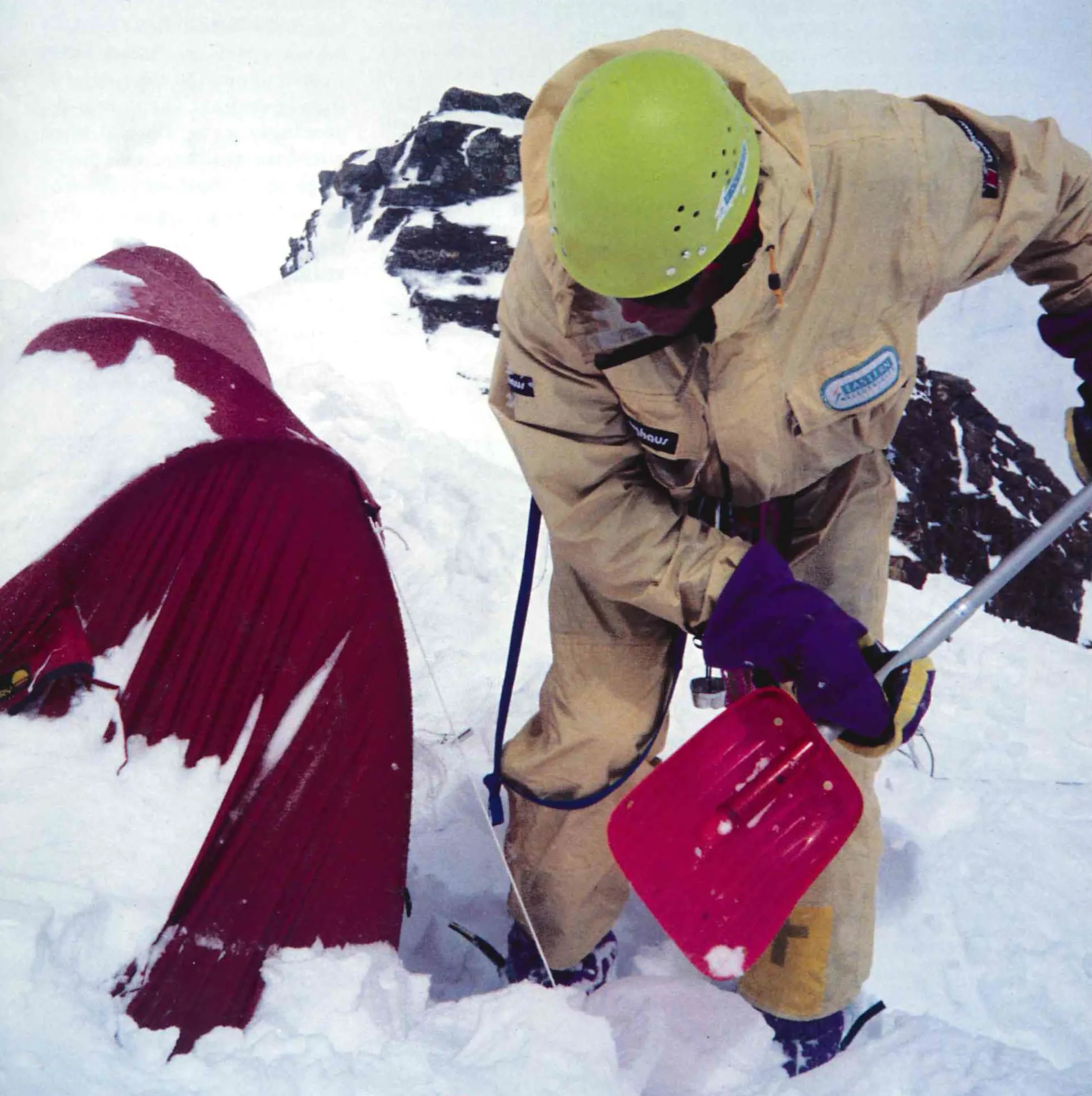
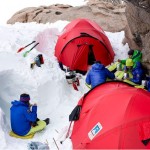
The tents came down with us. At the end of the trip, heavily iced into their platforms, we dug them out and carried them off the mountain along with everything else. The Wintergear Super Diamonds had held through a full Himalayan season on one of the most exposed cols on the peak, and the leader’s verdict on his own tent, written in the field, was simply that it was the best he had ever used.
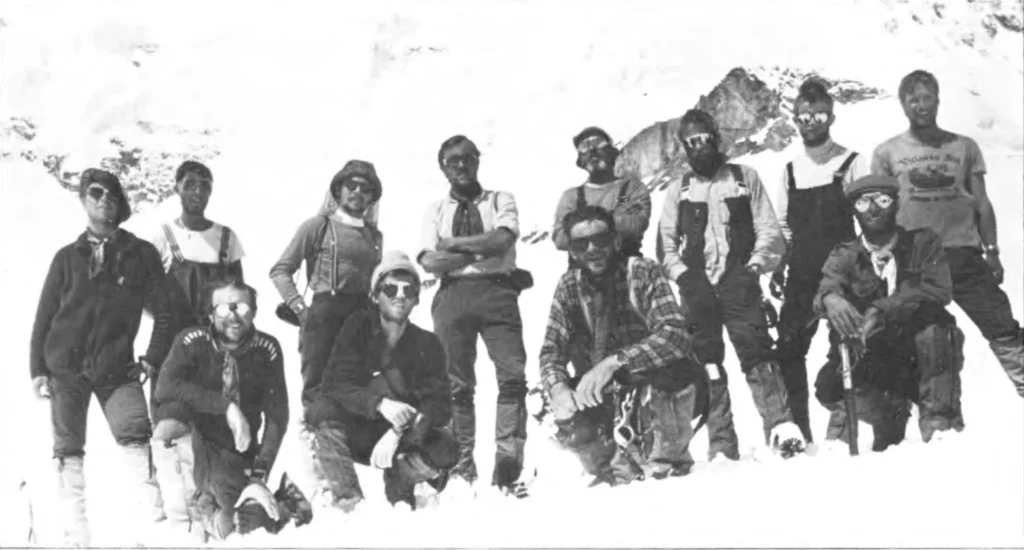
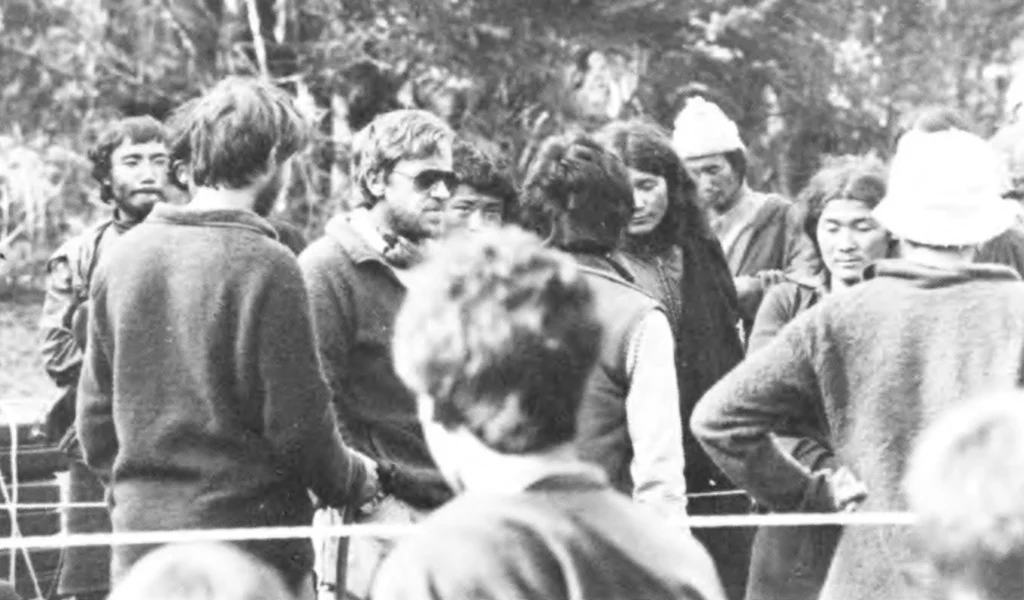
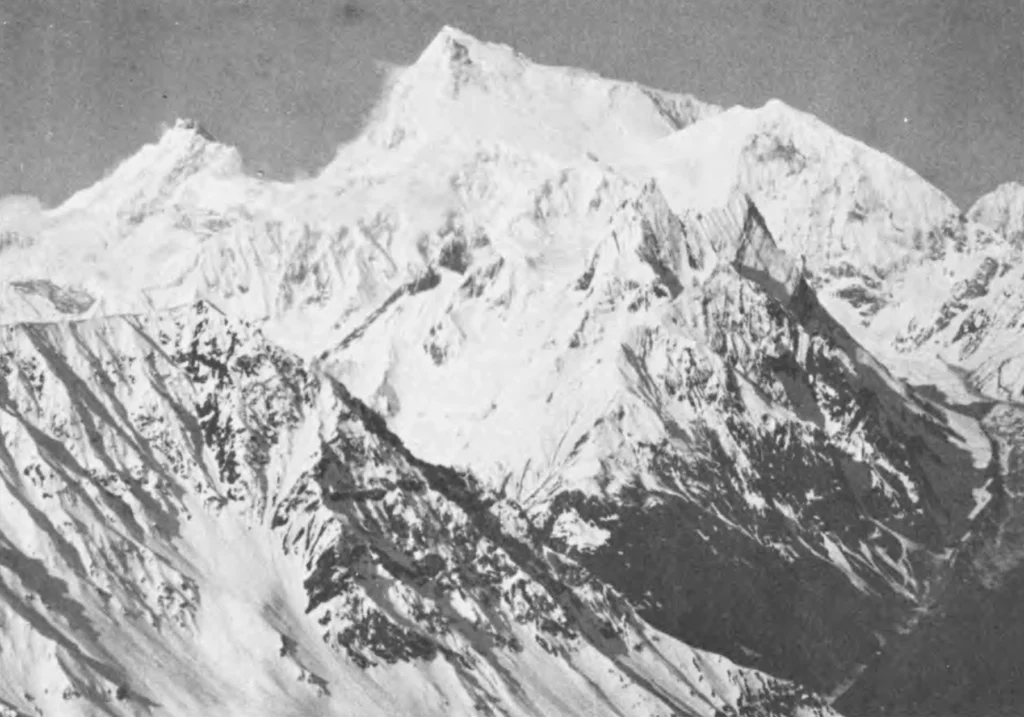
Lt Col G D B Keelan RM, expedition leader, and Lt P H Parsons RM
Drawn from the report on the Joint Services East Nepal Expedition 1983 to Manaslu North, written by members of the Royal Navy and Royal Marines Mountaineering Club and the RAF Mountaineering Association. The Wintergear Super Diamond tents used on the expedition were made by Wintergear, the company founded by Ben and Marion Wintringham that went on to become Terra Nova Equipment.
Read the original report here
-
SALE FEATURED


Limited Edition Quasar Tent & Bundle
-
FEATURED
Murlan Elite 2 Tent
-
Expedition Quasar Tent
£1,100.00 Add to Pack This product has multiple variants. The options may be chosen on the product page -
Quasar Tent
-
Expedition Hyperspace Tent
£1,450.00 Add to Pack This product has multiple variants. The options may be chosen on the product page -
Expedition Terra Firma Tent
£1,800.00 Add to Pack This product has multiple variants. The options may be chosen on the product page -
Expedition Cosmos Tent
£5,600.00 Add to Pack This product has multiple variants. The options may be chosen on the product page -
Outlet – Murlan Elite 2 Tent – Grade B
-
SOLD OUT
Expedition Super Quasar Tent
£1,200.00 Add to Pack This product has multiple variants. The options may be chosen on the product page



Planning Something Ambitious?
Our archive of expeditions isn't marketing; it's a record of what our tents, shelters, and apparel have actually survived, written by the people who were there. From first ascents in the Karakoram to four months on Ellesmere Island. But our history isn’t just about where we’ve been; it’s about where we’re going next.
We support a small number of genuine, objective-led expeditions every year. If you’re putting together a capable team with a clear plan and a story to tell, we’d love to hear about it.