
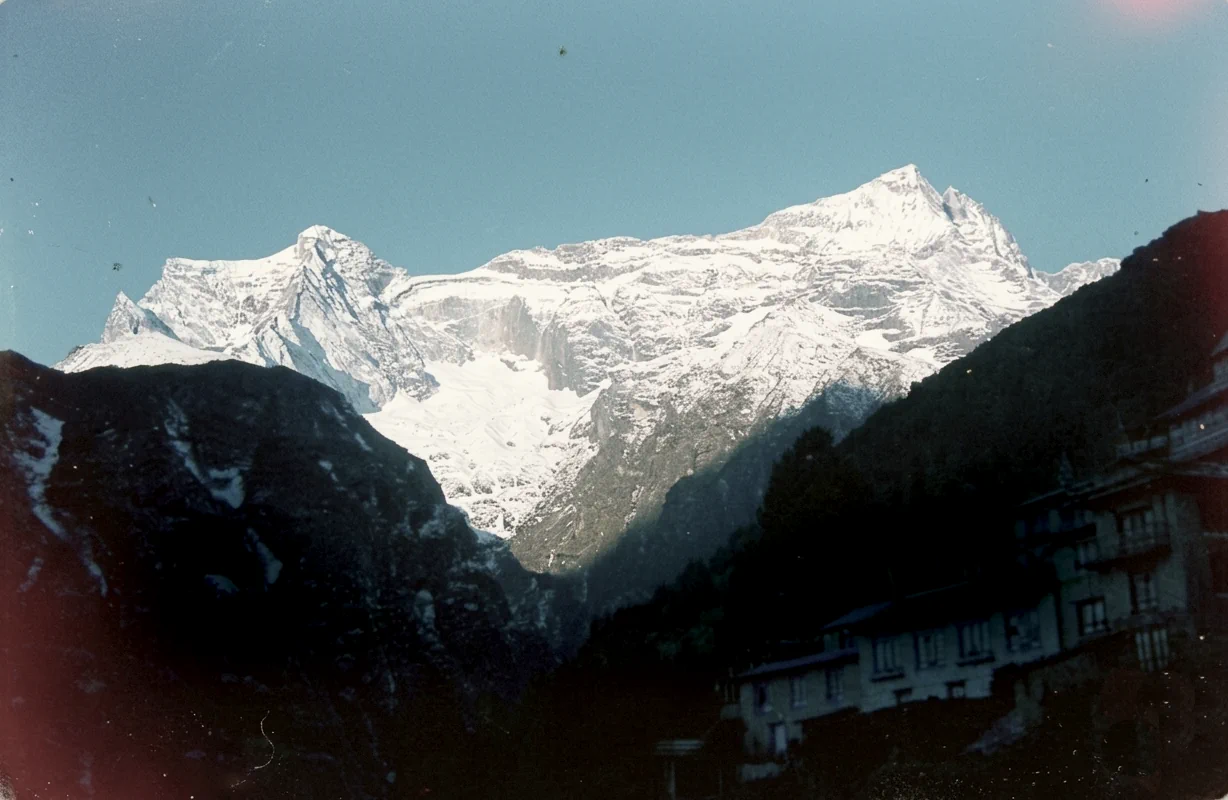
Kongde Ri
A Corner of Nepal Few Had Seen
The Khumbu in 1983 was already feeling the pressure of its own fame. Paul Harris, the expedition’s 25-year-old chronicler, opened his report with a note that reads as relevant today as it did then: the Lumding Himal, he wrote, was “an area close to, yet removed from the yearly pre and post monsoon invasion of tourists in the Khumbu.” Ten to eleven distinct peaks. Very few outsiders. Exactly the kind of place worth going to.
The objective was Kongde Ri, specifically its two southern summits, Kongde Lho (6,187m) and Kongde Shar (6,093m), via unclimbed routes from the south and in full alpine style. No siege tactics, no fixed ropes, no high-altitude porters pushing loads. Just four climbers and their kit.
“The aim of our 4-man Expedition to Nepal was to make ‘Alpine style’ ascents of Kongde Lho (6,187m) and Kongde Shar (6,093m) from the south, by previously unclimbed routes.”, Paul Harris, expedition report, December 1983
The team was compact and experienced: Tony Sawyer (27) led; Harris (25) wrote; Judy Adam (26) and Alan Baker (44) rounded out the rope. Sirdar Ang Phurba and cook Ang Tsering completed the party.
Getting There the Hard Way
Flying Bangladesh Biman into Kathmandu, “having been told many unpleasant stories” about the experience, the team spent three days in the city sorting permits, buying supplies and adjusting to the altitude change. Bureaucracy consumed more patience than expected; they weren’t moving until 19th October.
From there, a five-hour bus ride east to Kirantichap, then eight days on foot along the Dudh Kosi gorge to Phakding at 2,652m, taking tea and meals at the local houses along the way. From Phakding, while Tony and Alan scouted the approach, Paul and Judy made the journey to Namche Bazaar to stock up for two weeks at base camp, finding kerosene unusually dear and fruit and vegetables thin on the ground.
On 31st October, with ten porters and additional food from Phakding, they began the 1,800m climb to the Lumding La at 4,500m, one of three narrow passes into the valley. Over the top, they descended 500 metres to yak herders’ huts beside the Lumding Drangka, sat through the trip’s only day of snowfall, and then pressed on to a base camp at 4,850m.
The altitude bit immediately. The four climbers descended to an acclimatisation camp at 4,300m while their Sherpas held base camp.
The Tents: A Wintergear Field Report
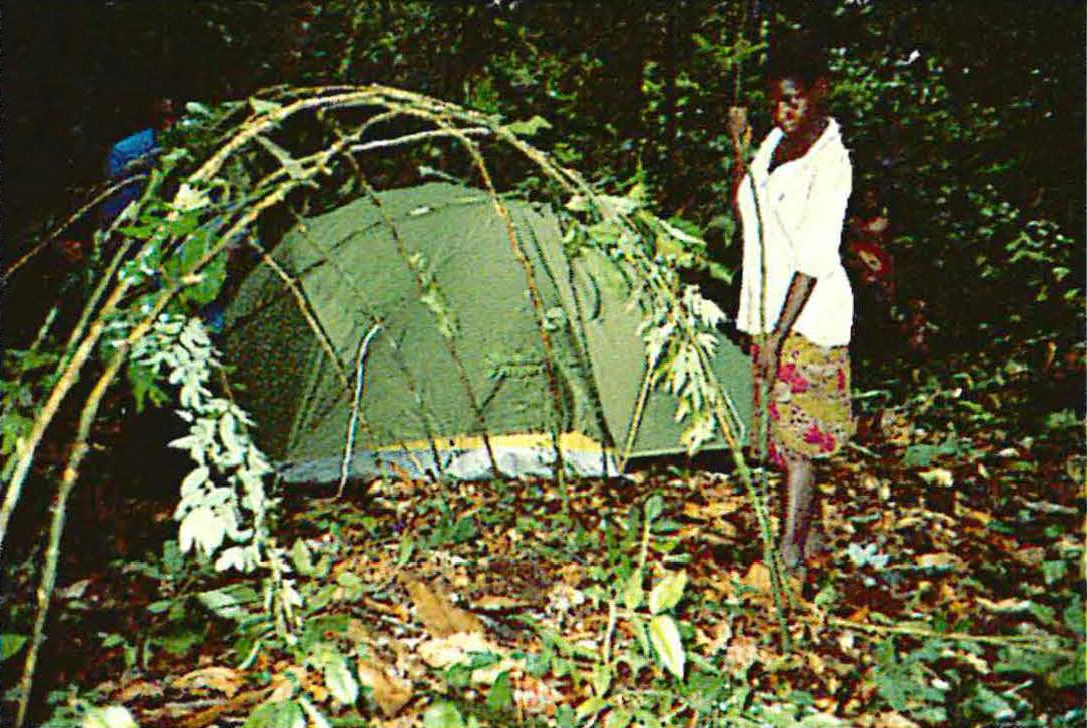
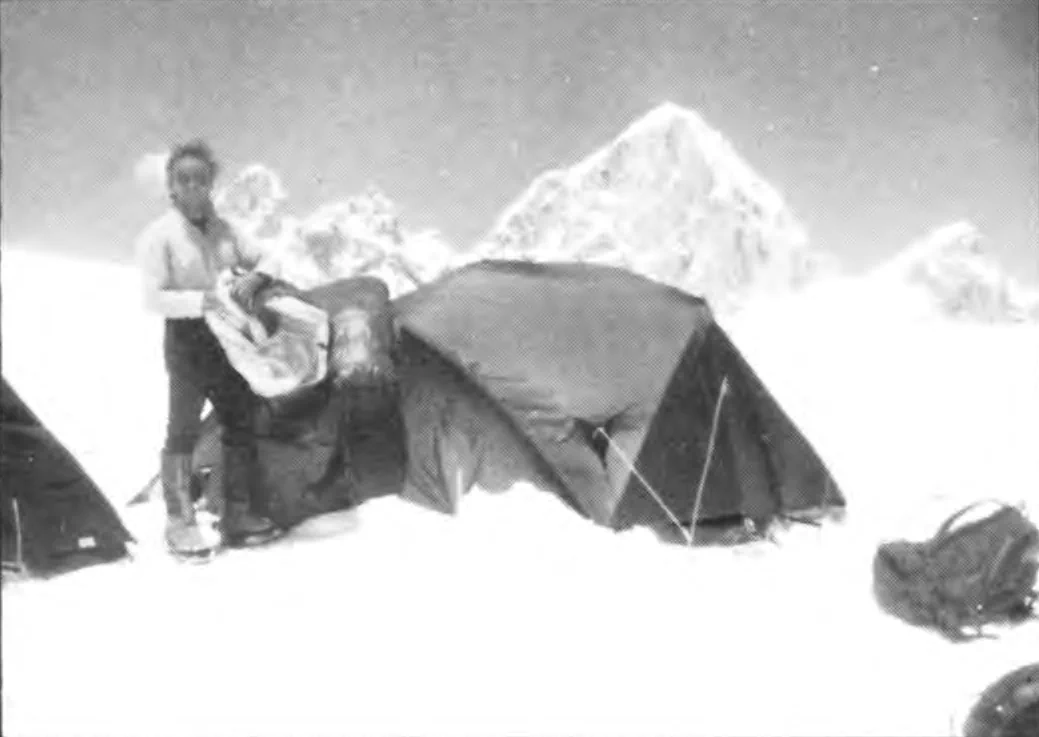
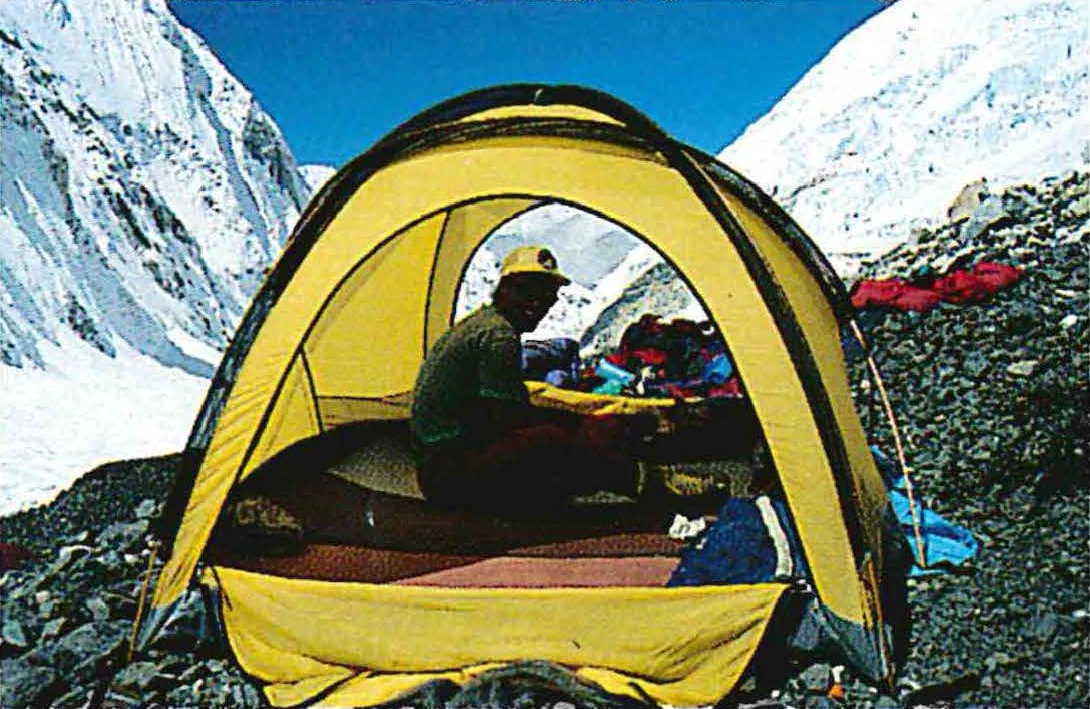
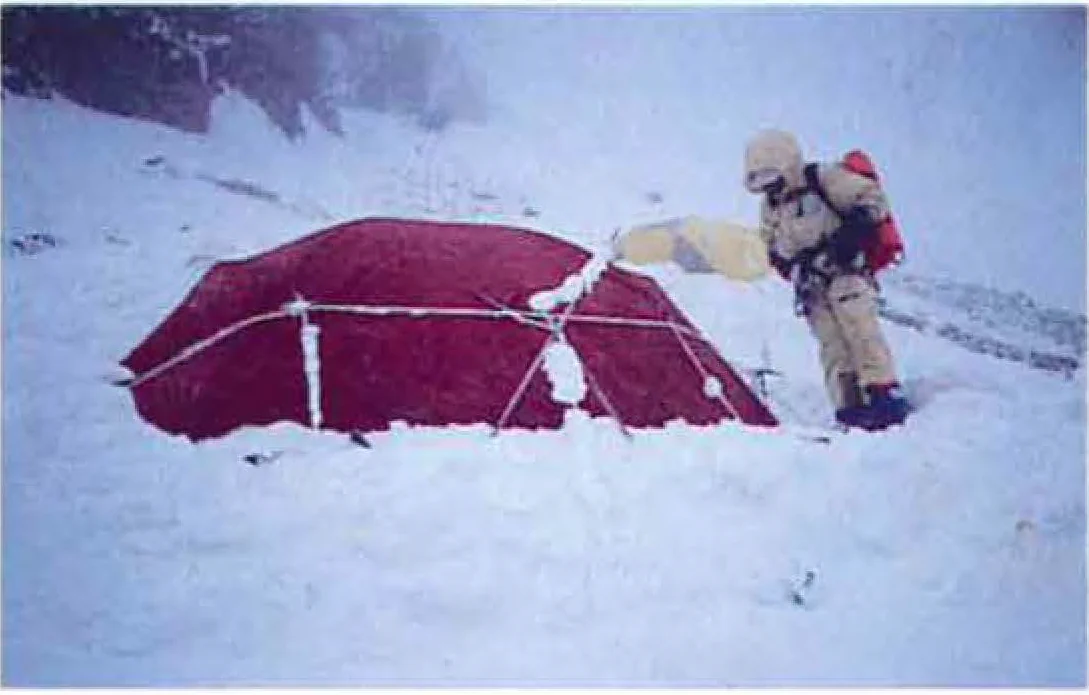
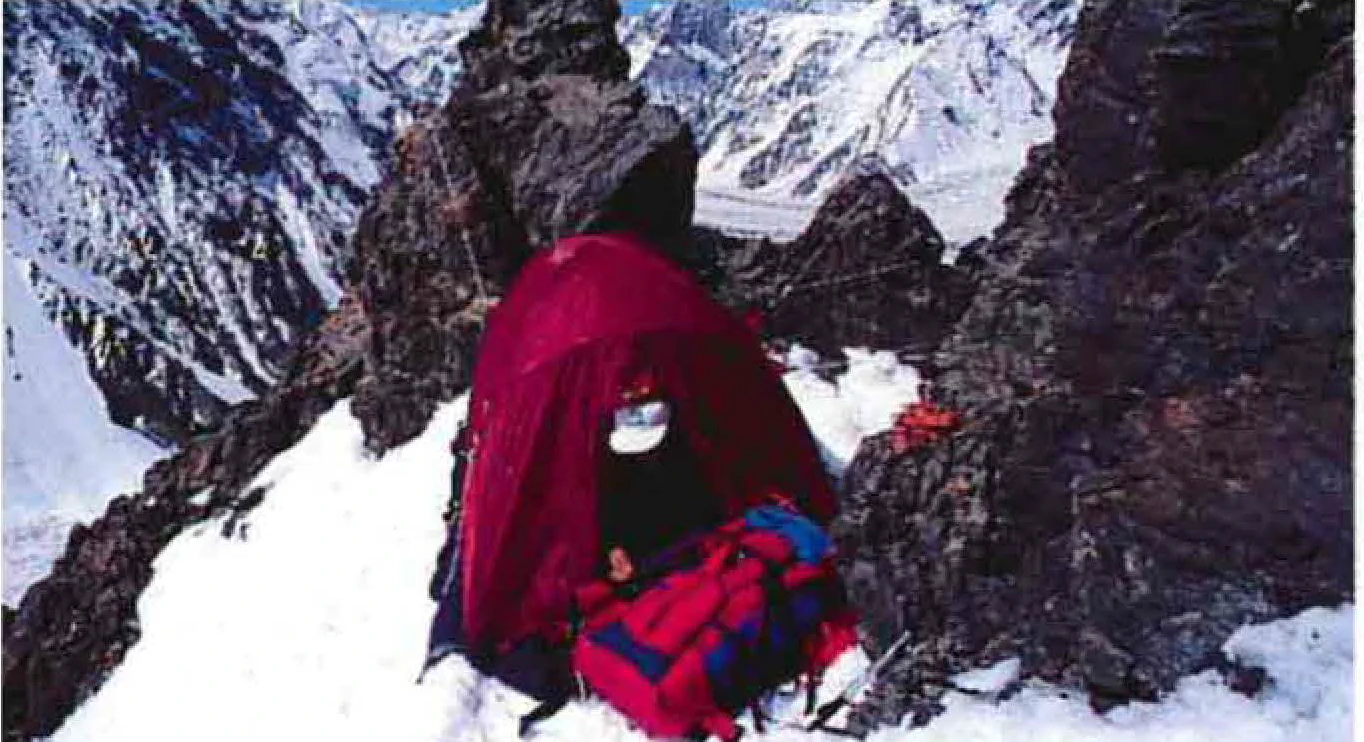
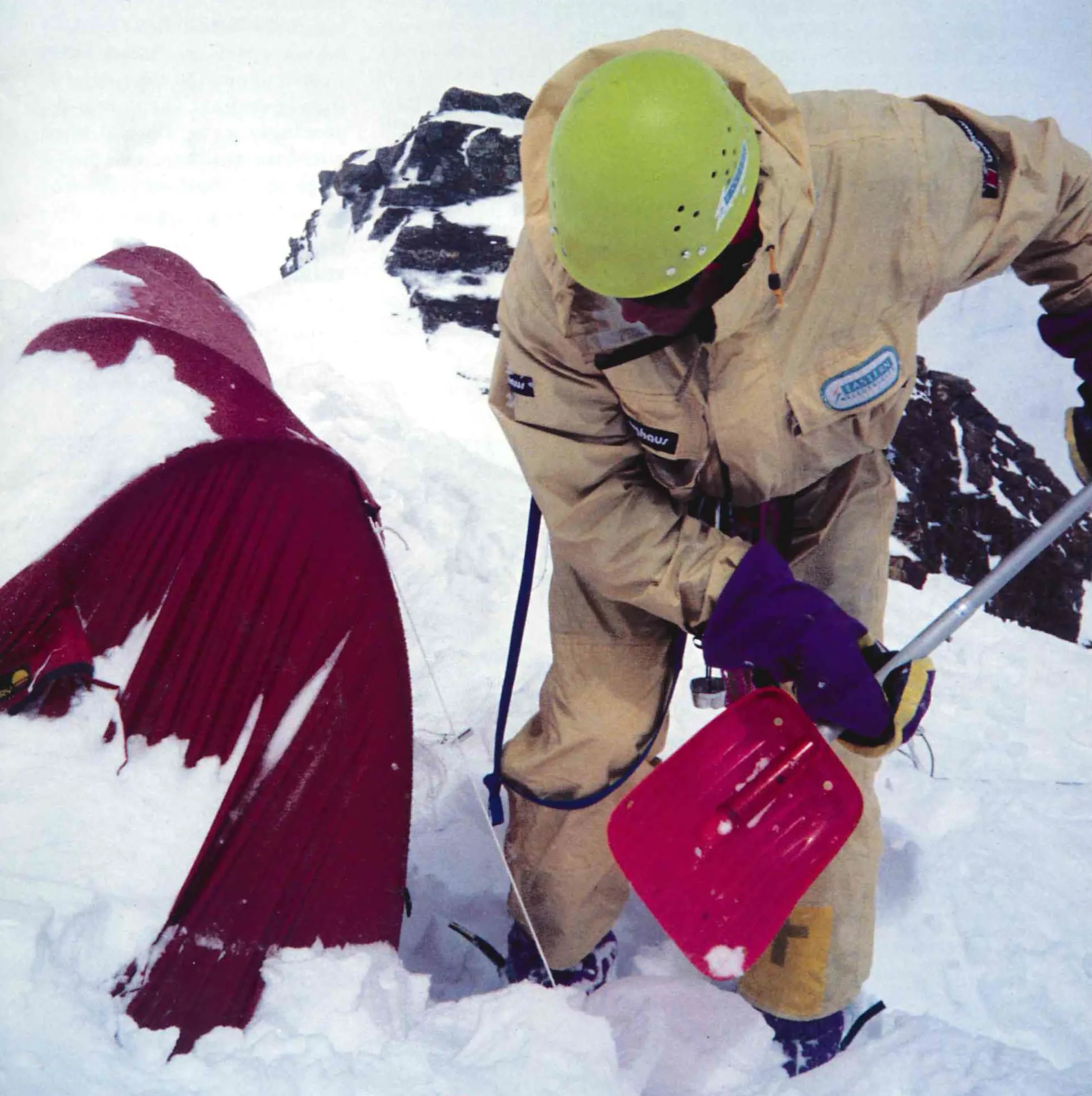
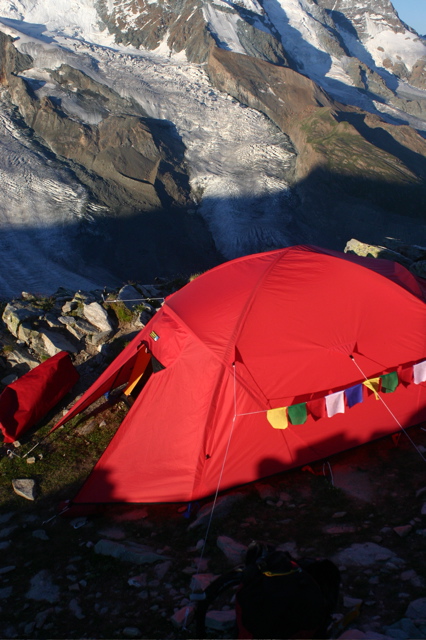
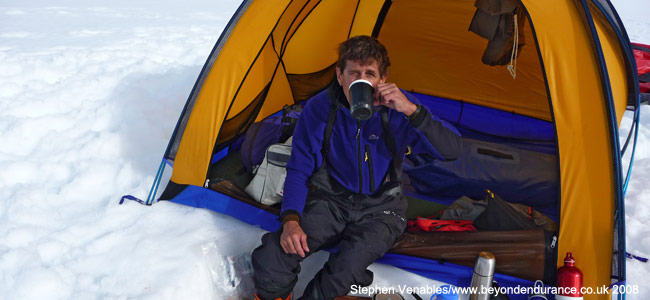
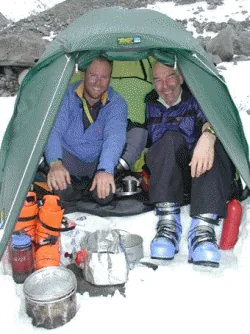
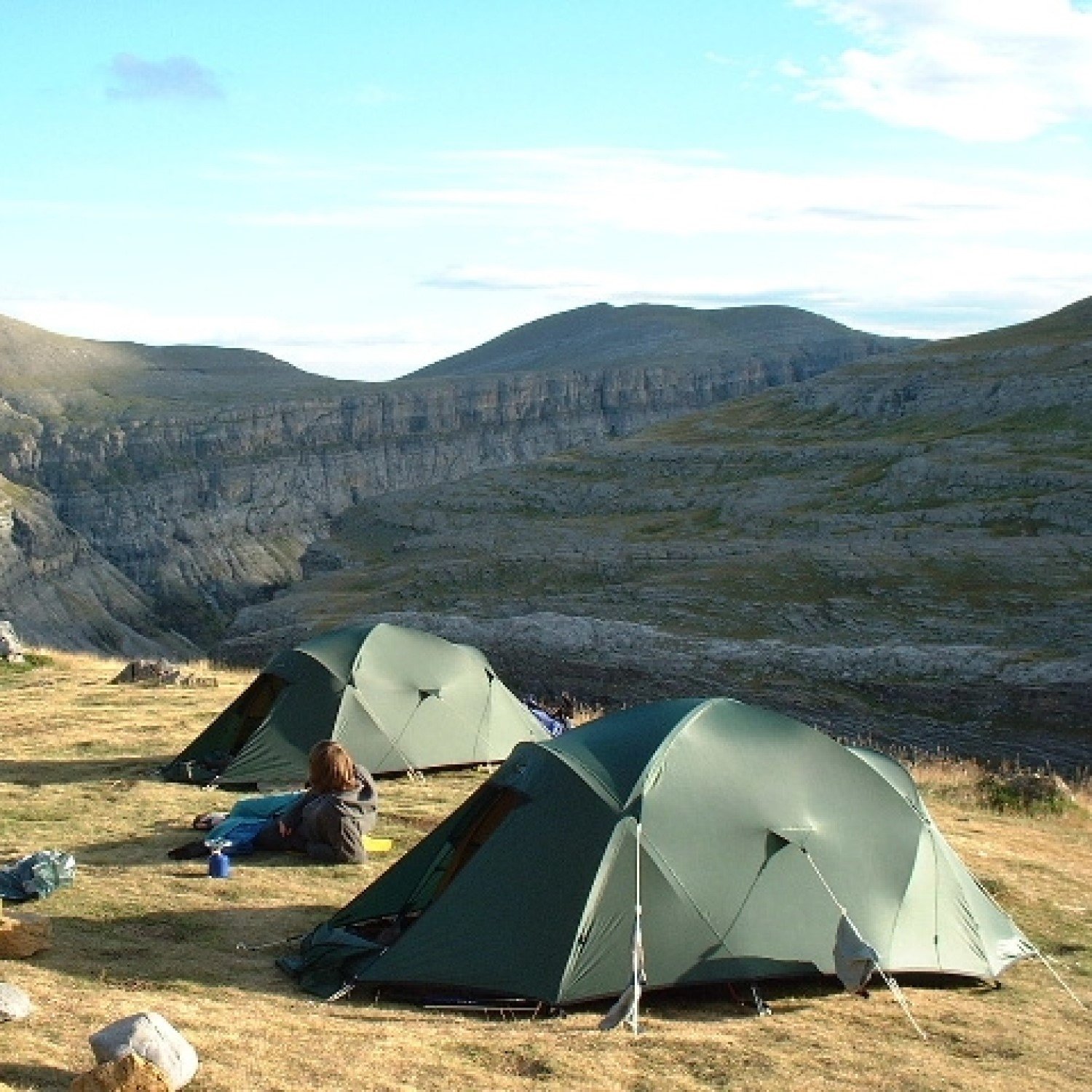
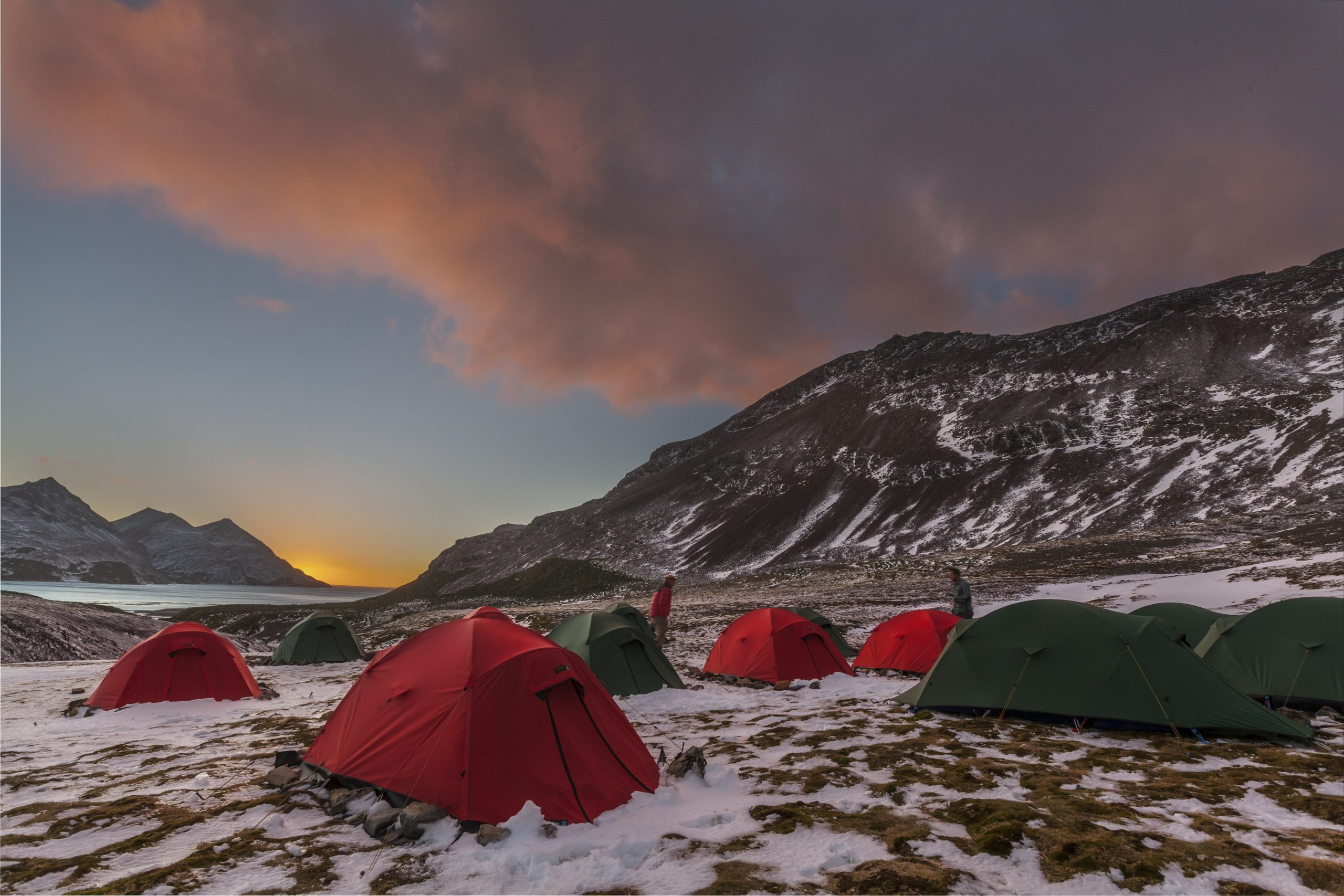
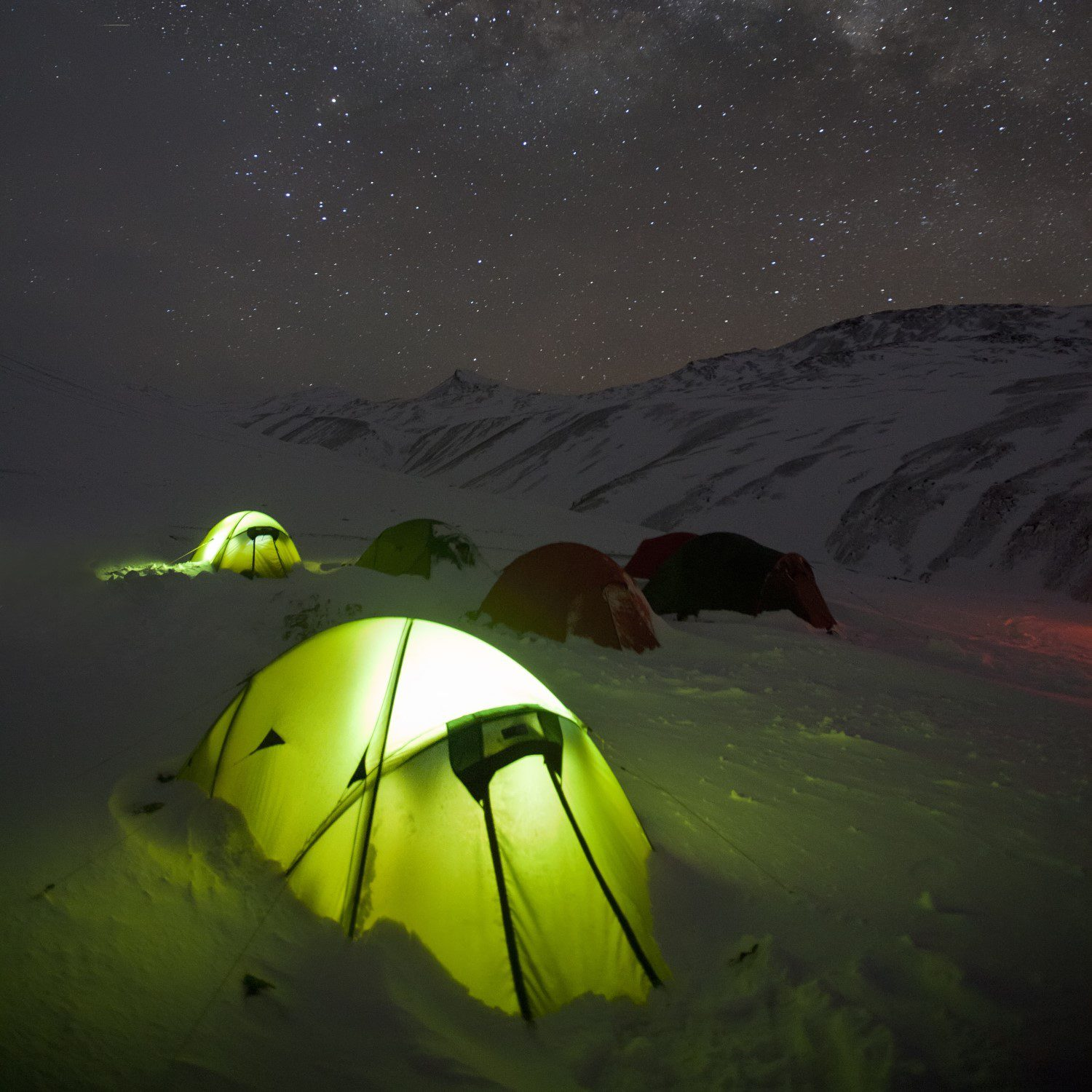
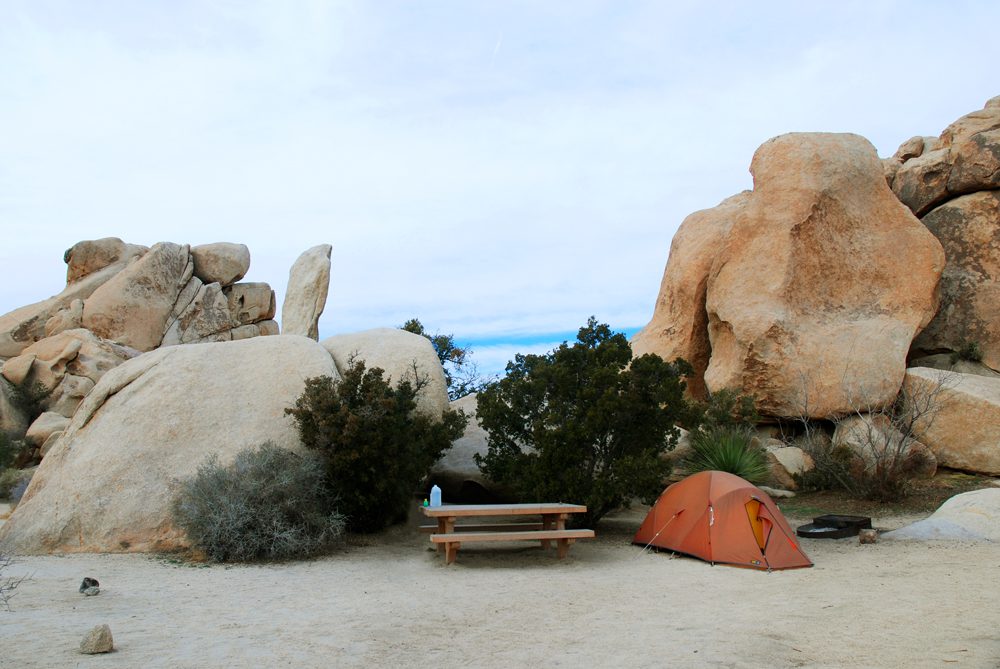
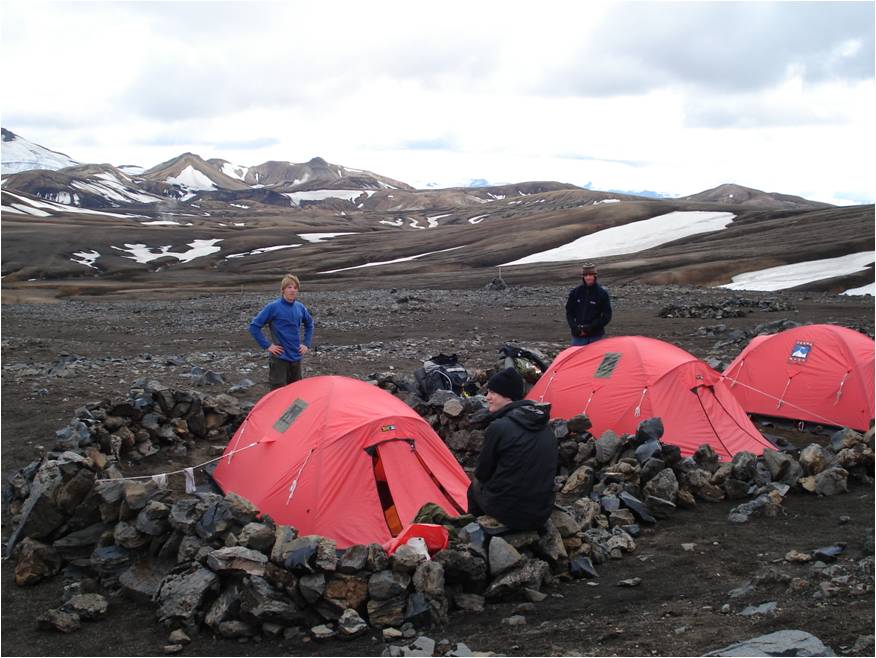
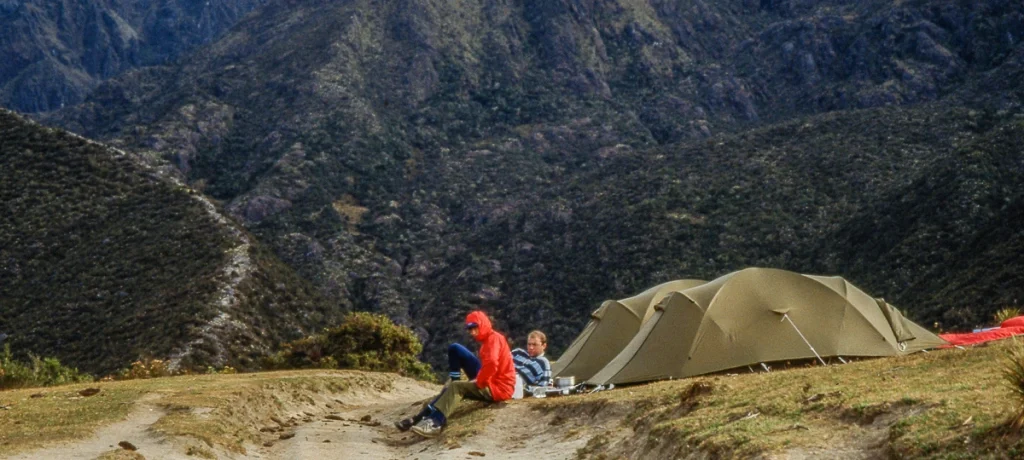
By the time the team were sleeping at altitude on the Kongde Lho glacier, tent pitched at 5,200m at the foot of the icefall, they’d been living in our Diamond dome and Sapphire tunnel for the better part of a month.
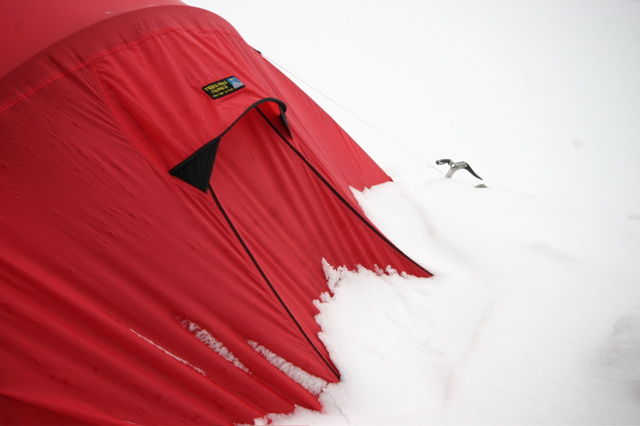
Their verdict was characteristically honest. The Wintergear tents, Harris noted, “tended to ice up quite badly above 4000m, which was probably due to an inadequate number of ventilation points.” It’s the kind of feedback that stings to read, and that we needed to hear. Early tent design was an iterative process, and expedition reports like this one were how makers improved their products between seasons. More ventilation points were duly added to subsequent builds.
What the report doesn’t dwell on, because mountain climbers rarely praise the things that simply work, is that both tents survived a full Himalayan expedition in post-monsoon conditions: nights dropping to minus ten above 4,000m, one day of heavy snowfall, weeks of use on rock, snow and glacier. They came home. So did the climbers.
The tents were joined by kit that tells you something about the era: Koflach Ultra boots, Yeti gaiters, Blacks and Mountain Equipment sleeping bags. And two Cascade Design Thermarests in place of Karrimats, a choice Harris described as “excellent insulators and very comfortable.” Some things don’t need improving.
The Mountain Doesn’t Always Say Yes
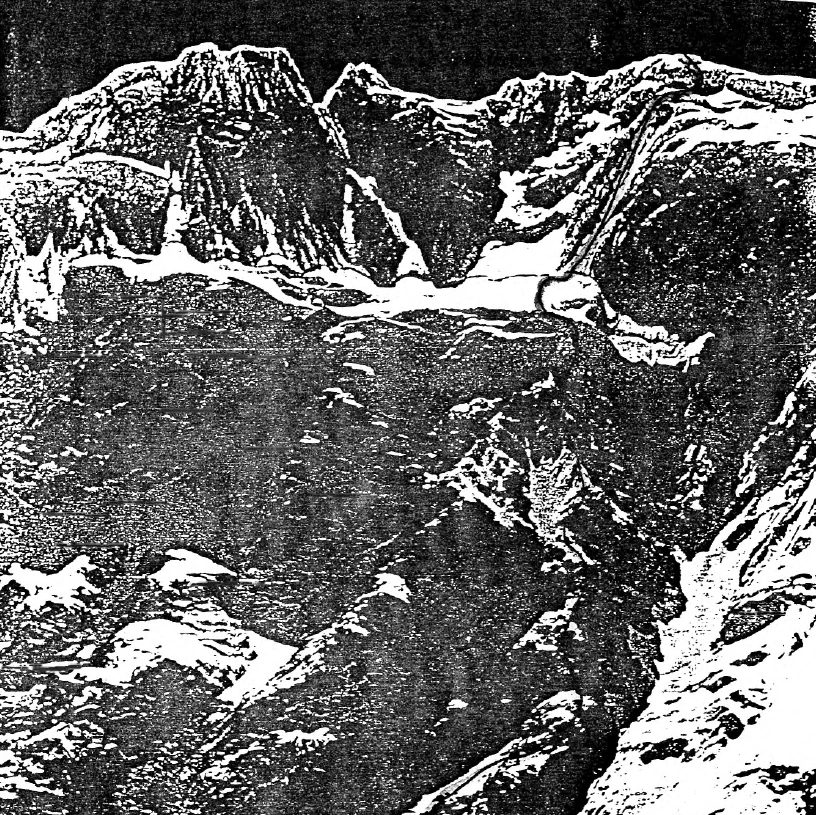
Their attempts on Kongde Lho covered six days and three reconnaissance pushes on two different lines. The South Ridge, the intended route, turned out to be threatened by ice cliffs up to 250 feet high, hanging directly over the scree ramp they’d need to climb. The West Face offered an alternative: a snow rib through two 30-metre rockbands joining the ridge at 5,900m, but access required a loose and crumbling rock tower, and they’d travelled light on hardware.
By 8th November, Alan, Judy and Paul had a tent established at 5,200m. Scouting the approach the next morning, Harris rounded a small lake between camp and the scree ramp only to encounter a heavily crevassed section of the glacier that was invisible from Advanced Base Camp. The route was closed.
On 9th November, with Alan and Tony still suffering altitude effects and the rest of the team divided on the risk of the scree ramp under those ice cliffs, the decision was made. They turned back to base camp.
“I was not attracted to the idea of a solo attempt, so we reluctantly returned to Base camp.” Paul Harris, expedition report
Tony Sawyer walked out of the valley on 10th November and flew back to Kathmandu. The others followed on the 13th, descending via the Lumding Kharka to the Moro La and down to Ghat, then on to Lukla. Flight delays held Alan up for four days. Paul and Judy stayed on in the Khumbu for a further ten days of trekking before flying back to Kathmandu on the 27th. The whole team were home in England by 1st December.
What It Cost, and What It Was Worth
The entire expedition ran on a budget of £3,600, income drawn from a £400 Mount Everest Foundation grant, £200 from the British Mountaineering Council, and £750 per head from the four members. Total costs came in at £3,375, with the largest single outlay being four return flights London–Kathmandu at £1,840. Peak fee, visas, permits, bus hire, board and lodging, cook, porters, sirdar and kitchen equipment accounted for most of the rest.
Lean, considered, and accountable, much like the climbing style they’d set out to practise.
The final note on their cook, Ang Tsering, is the warmest passage in the whole report: “His sincerity, honesty, and cheerfulness helped tremendously in many ways. He was a much appreciated member of the Expedition.”
And on the expedition as a whole, Harris concluded simply: “the experience as a whole, was very worthwhile.”
The 1983 Kongde Ri Expedition report (MEF reference 83/18) was written by Paul Harris and submitted to the Mount Everest Foundation. Ben and Marion Wintringham of Wintergear, whose tents carried the team through the Lumding, went on to found Terra Nova Equipment Ltd, which continues to design and manufacture performance tents and shelters in the UK.
Planning Something Ambitious?
Our archive of expeditions isn't marketing; it's a record of what our tents, shelters, and apparel have actually survived, written by the people who were there. From first ascents in the Karakoram to four months on Ellesmere Island. But our history isn’t just about where we’ve been; it’s about where we’re going next.
We support a small number of genuine, objective-led expeditions every year. If you’re putting together a capable team with a clear plan and a story to tell, we’d love to hear about it.