
The Joint Services Borup Fiord Expedition
In the summer of 1988, thirty of us spent four months at Borup Fiord, on the north coast of Ellesmere Island, about as far north as land goes. The expedition had two aims: a complete biological survey of one of the remotest regions of the high Arctic, and, in whatever time was left over, the first ascents of the peaks around it. Everything we needed came in by air.
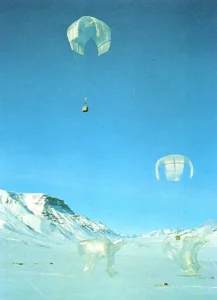
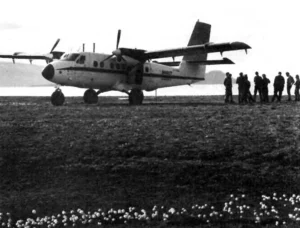
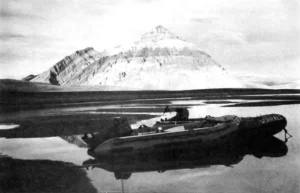
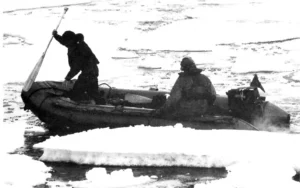
Nothing about the place was convenient. There are no roads to Borup Fiord and no easy way in. Everything we owned, food included, arrived by air, was dropped onto the ice, and was then dragged by hand and by boat to the strip of coast we made our home for the summer.
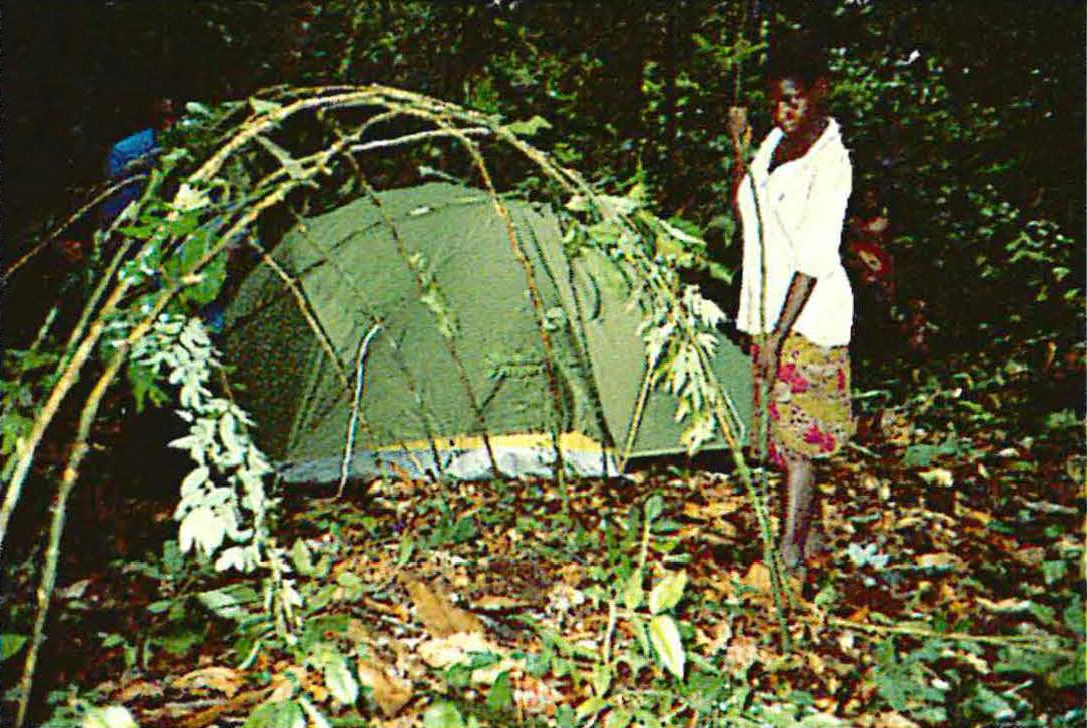
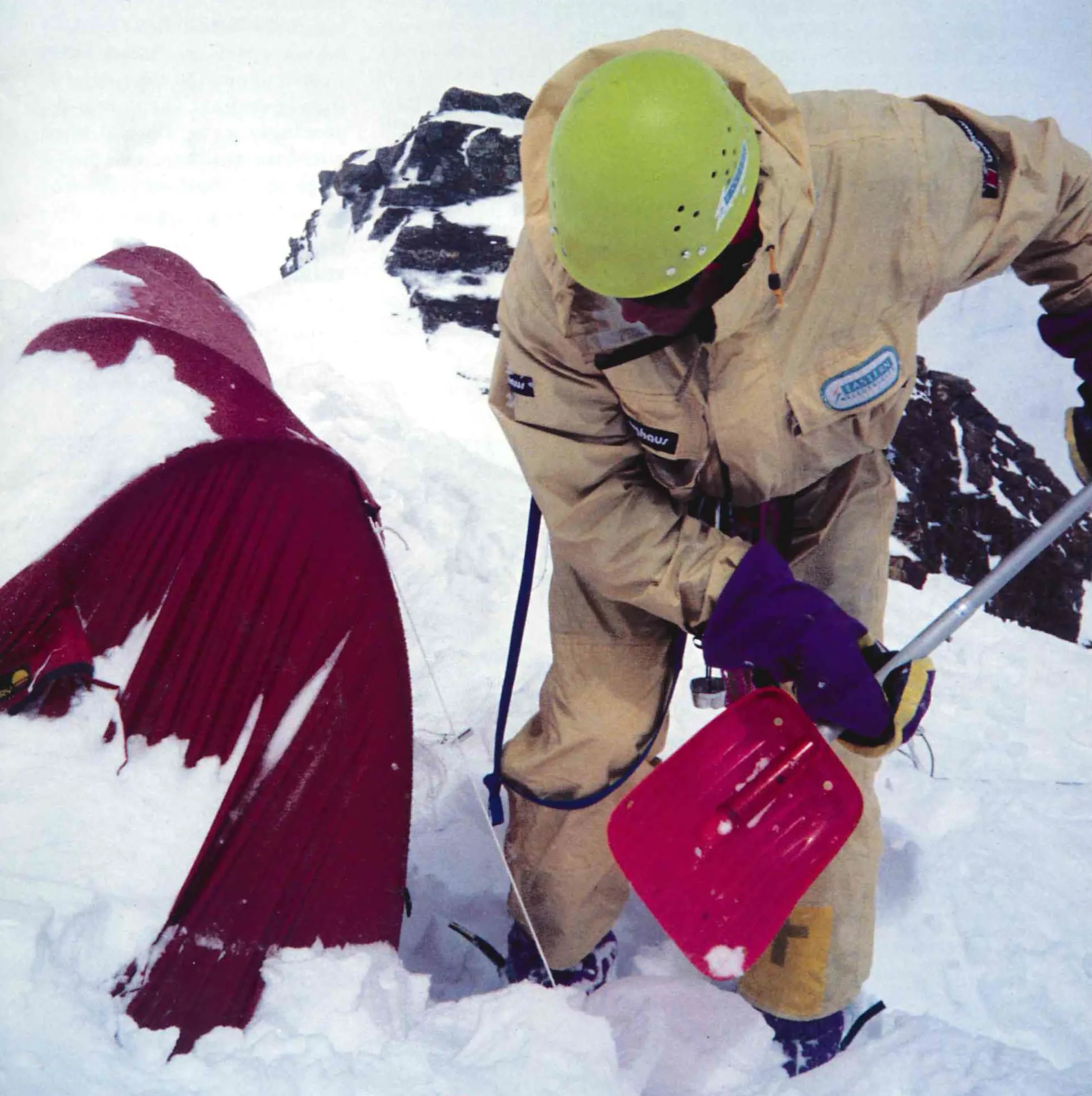
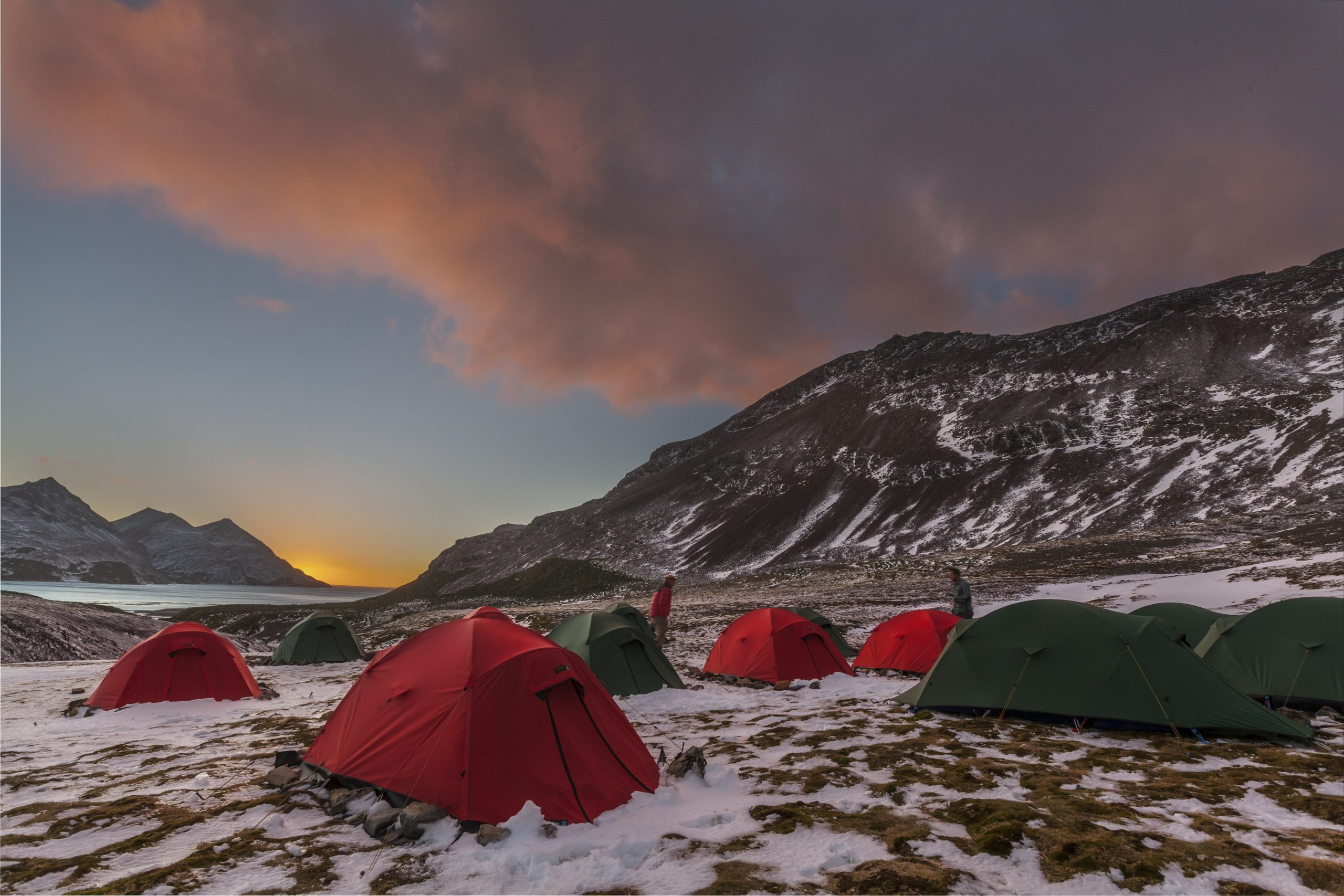
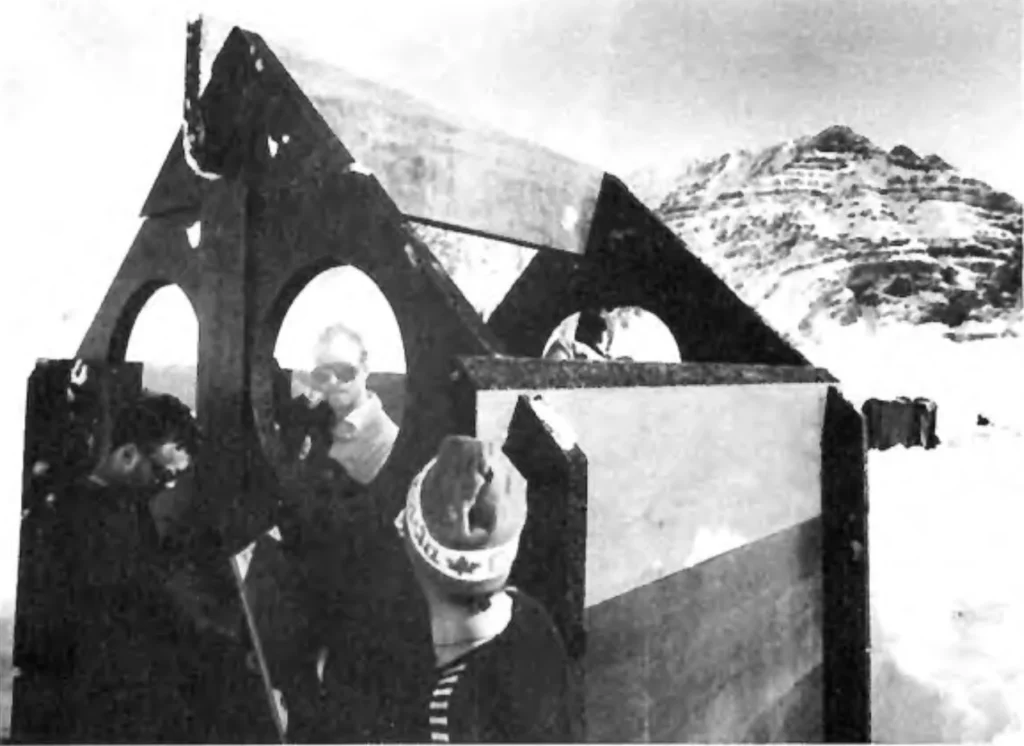
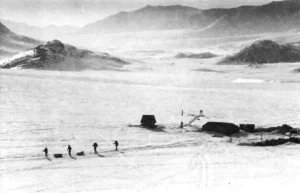
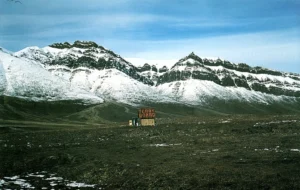
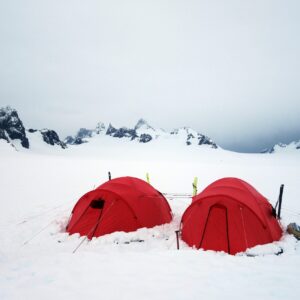
Base camp went up over several days: a mess tent, a science hut, and a base tent knocked together from two service frame tents, all of it standing on ground that had to be cleared of a great deal of snow first. There was, as ever, no shortage of opinion on how best to do this.
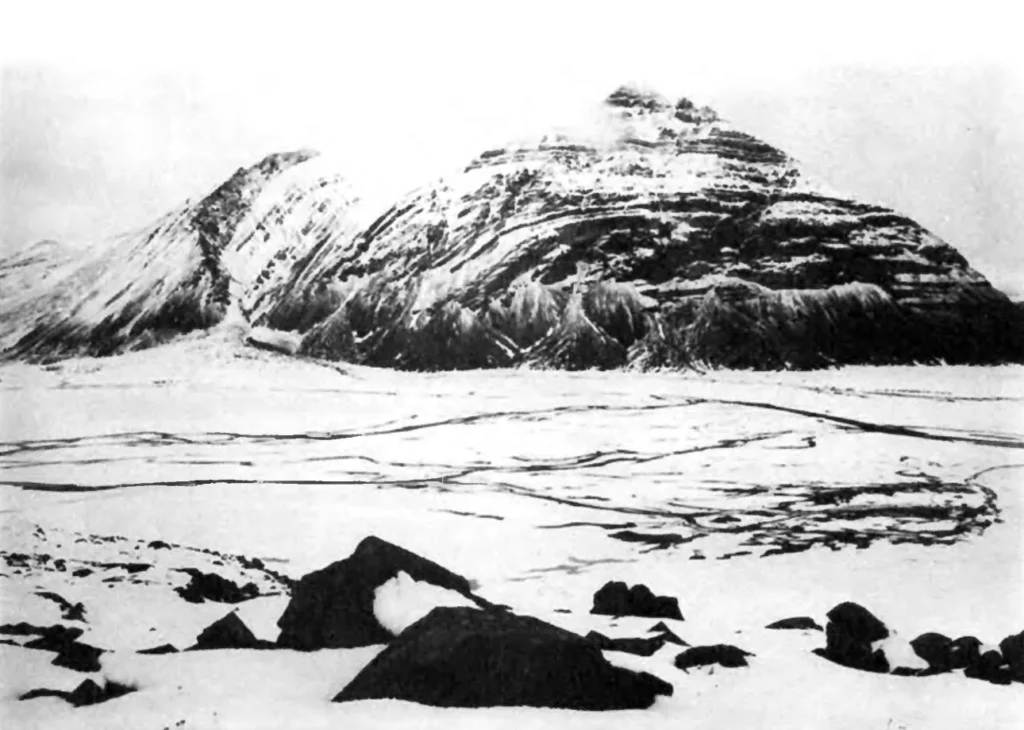
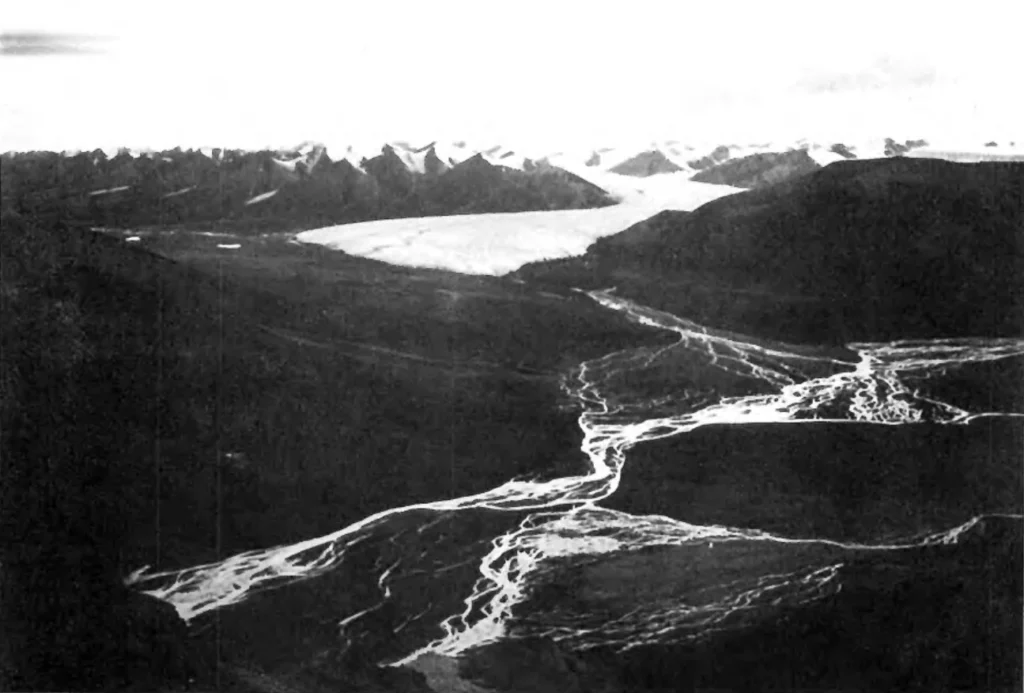
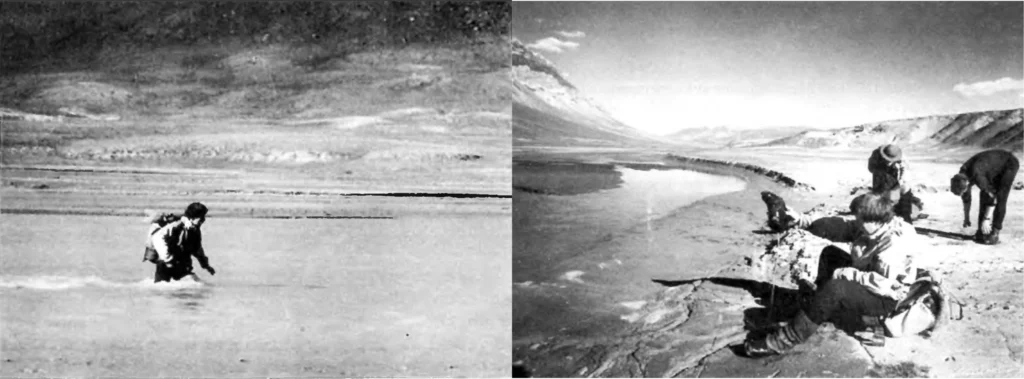
The country itself is best pictured as the glens of Scotland with the glaciers put back and the tops left under ice. Mount Leith stood across the far side of Esayoo Bay. In late May the rivers were only beginning to open, braiding grey across the flats as the melt came on.
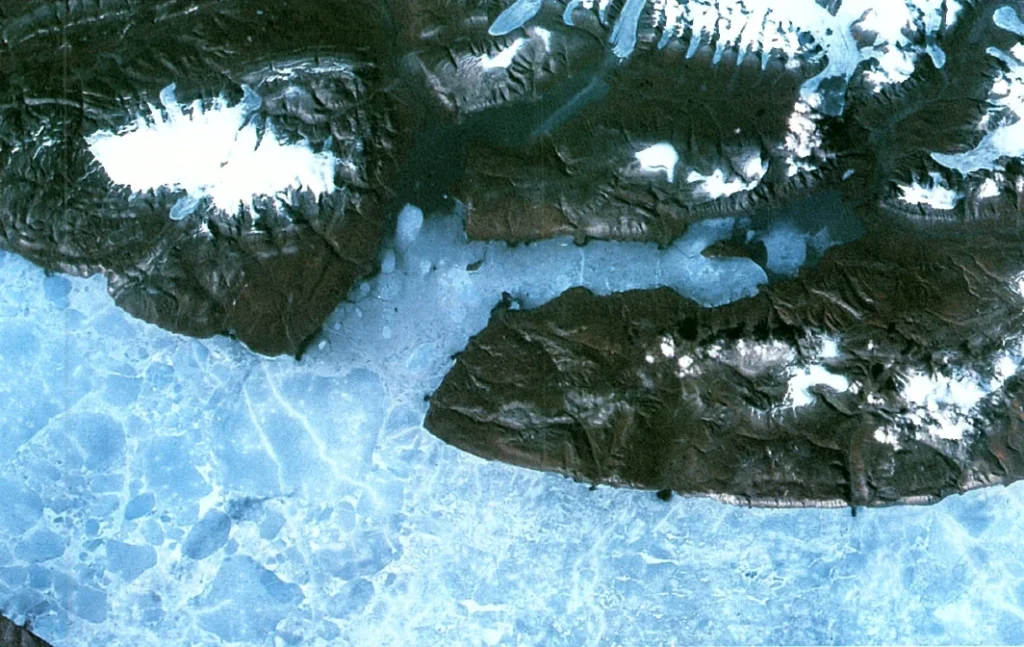
By late June the fiord had opened and the land had turned, briefly, green. We had studied it from the air and from satellite images long before we saw it in the flesh, and none of that quite prepared us for the scale of the place.
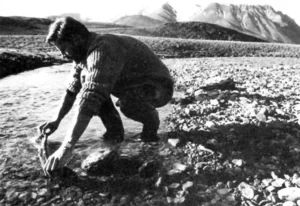
First and foremost this was a science expedition, and for most of the team most of the summer was work. Henry spent his days up to the elbows in limnology, measuring the life of a lake nobody had measured before, and rather more time than seemed strictly necessary standing at its outflow.
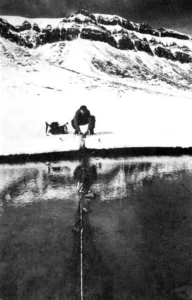
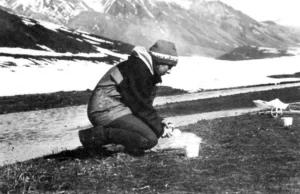
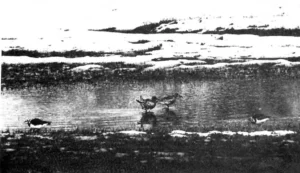
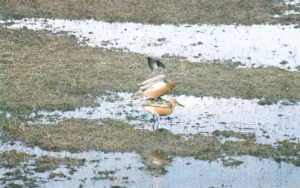
Sarah ran the pitfall traps for the insects. The ornithologists were out on Goose Flats before the snow had properly gone, ringing waders and logging every nest they could find, while the knots got on with the business of making more knots.
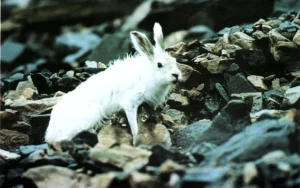
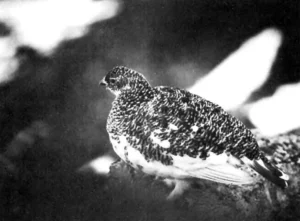
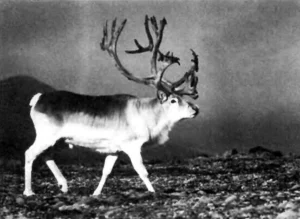
The mammals and birds were, on the whole, indifferent to us. We watched an arctic hare nurse her leverets among the rocks, and a ptarmigan caught halfway between its winter white and its summer brown. One caribou was so untroubled by our presence that he was given a name, Cecil, and more or less adopted.
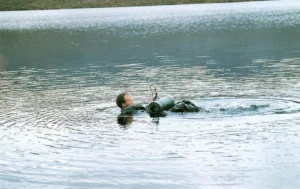
The work asked odd things of us. There were 24-hour watches on nesting birds, and one memorable day spent giving hourly saliva samples in complete darkness. Jeremy, throughout, set the rest of us a good example. Not every experiment ended well, and the river crossings had a way of teaching cause and effect in quick succession.
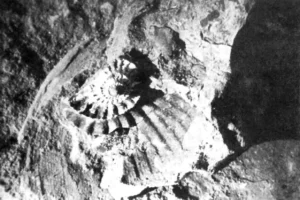
Between the biology there was older work. We surveyed the stone rings and half-buried houses the Thule people had left around the bay, some of them a thousand years old, and turned up ammonites in the rock older than that by a factor of a hundred thousand. It was, we told ourselves, ample reward for all those permits.
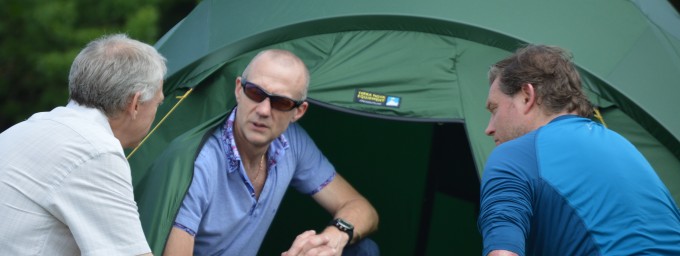
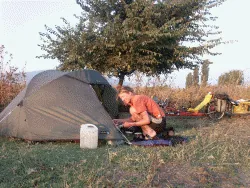
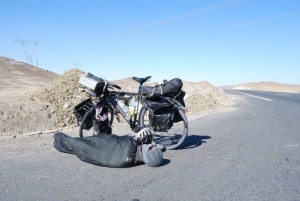
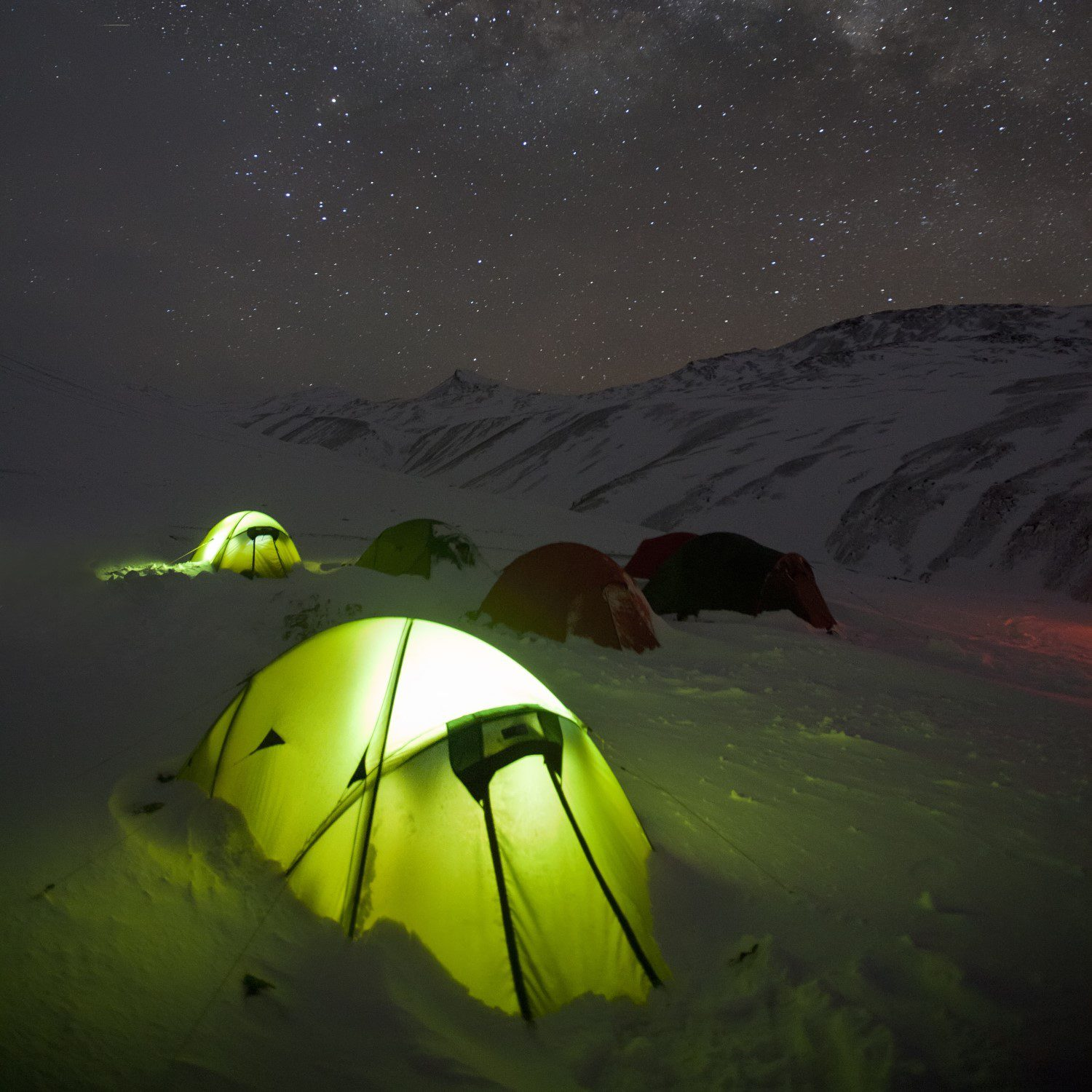
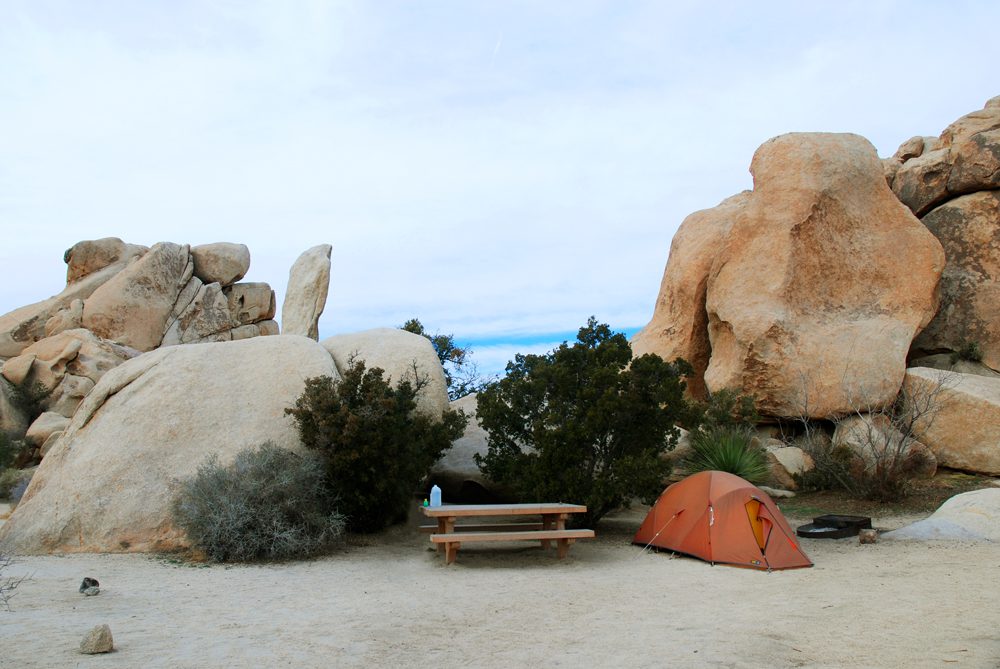
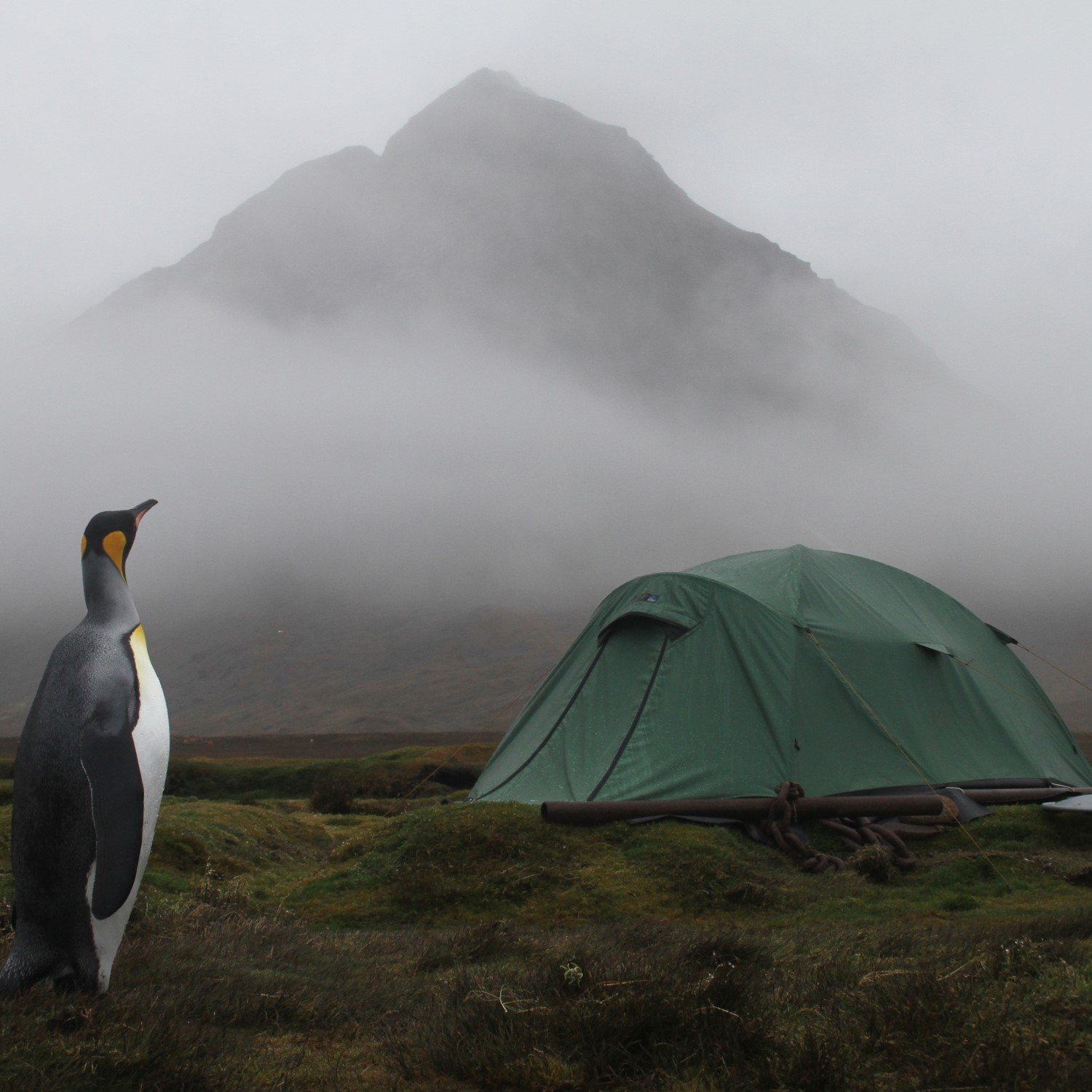
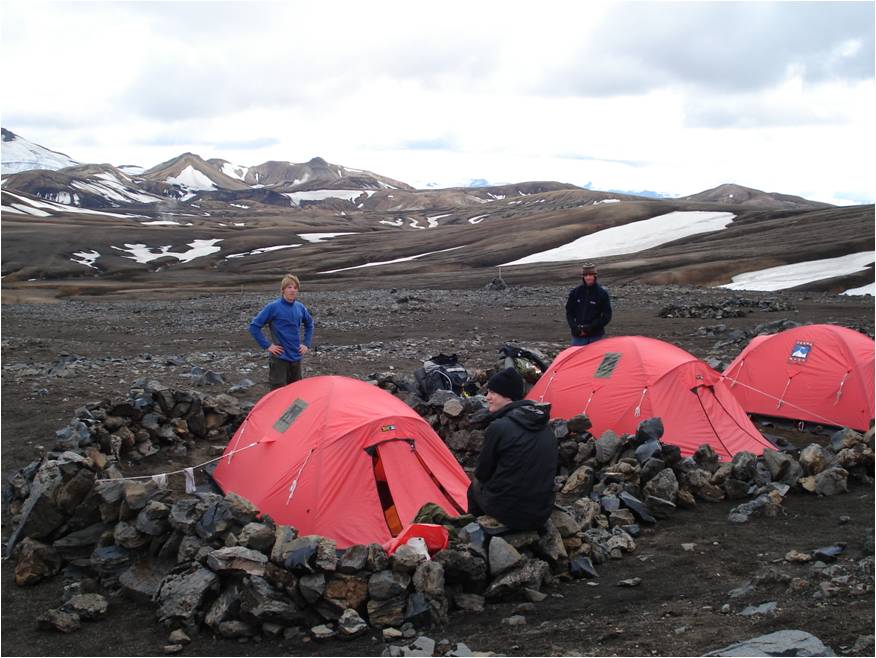
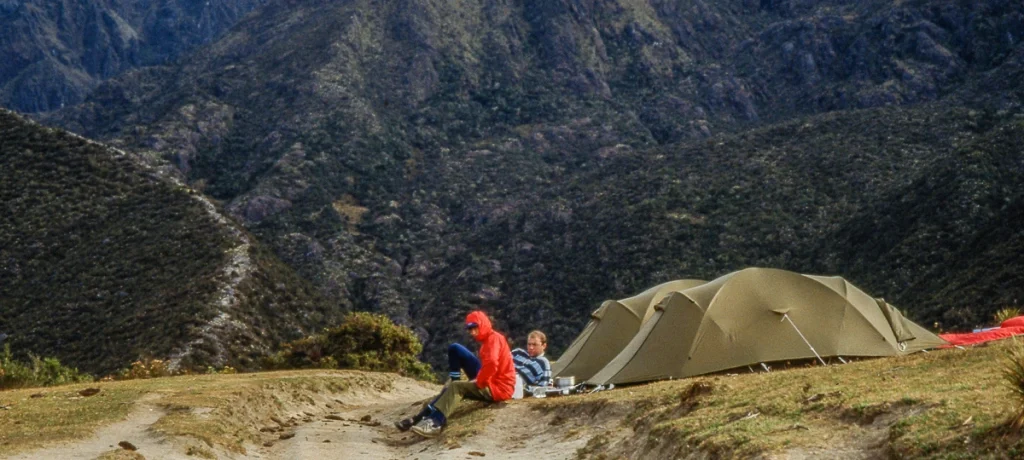
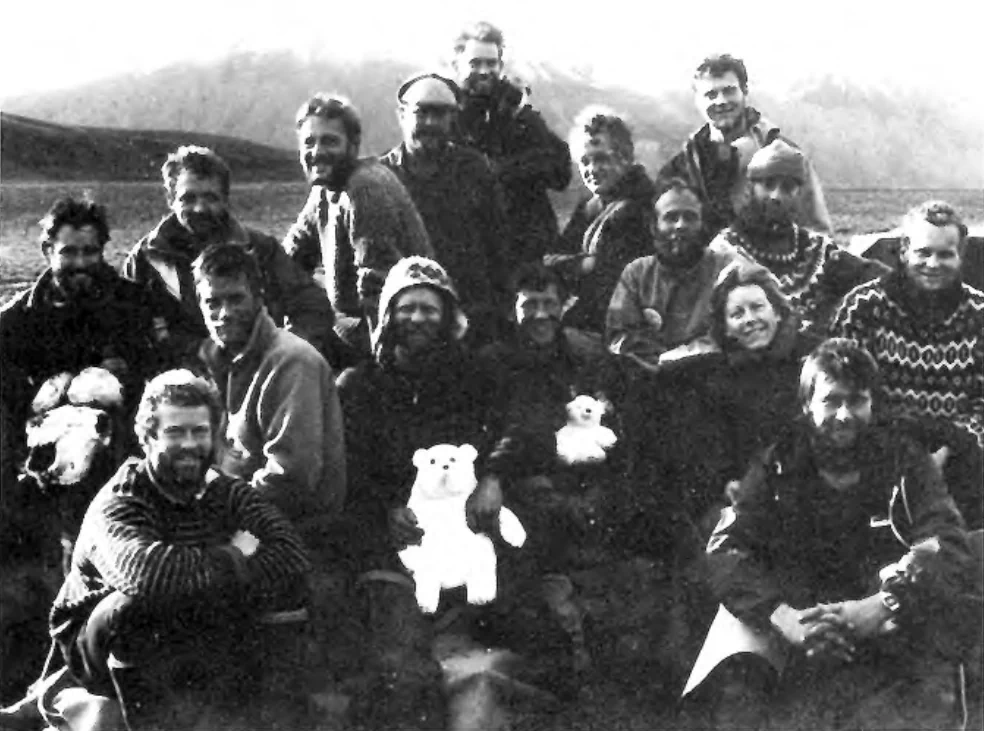
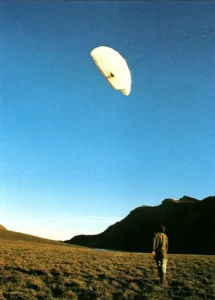
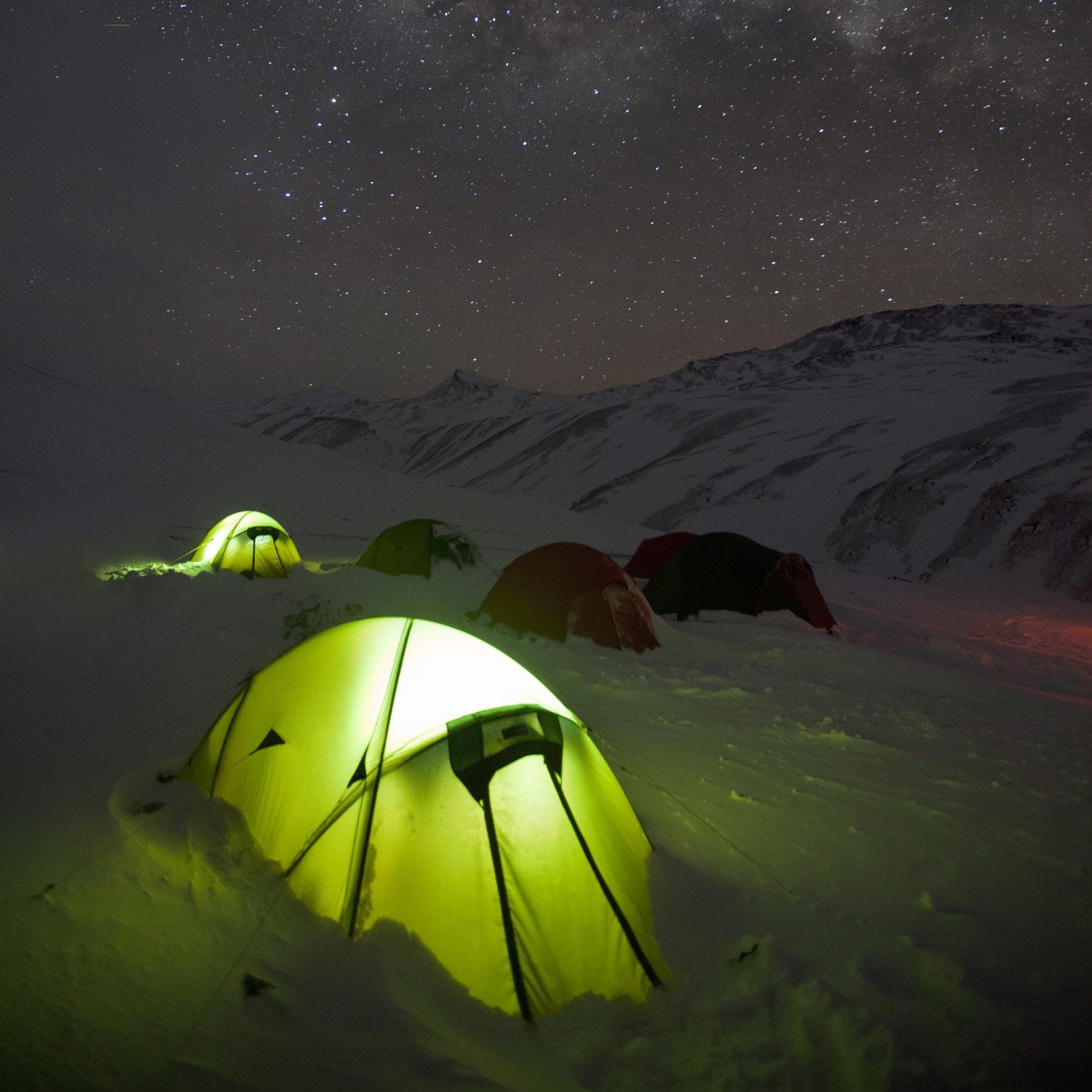
Back at camp, the tents did the quiet work of keeping us alive, and testing them was a popular duty. Bruce, in particular, took to his favourite equipment trial with real dedication. Meiklejohn’s inflatable kite, meant for aerial photographs of base camp, disintegrated on its second outing and cost us a good few days of head-scratching before, on a fair evening with the wind behaving, it finally flew. Once, and only once, the whole expedition stood still in the same place long enough to be photographed together.

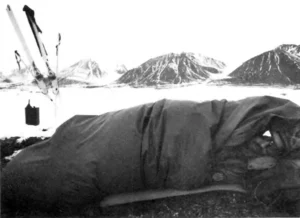
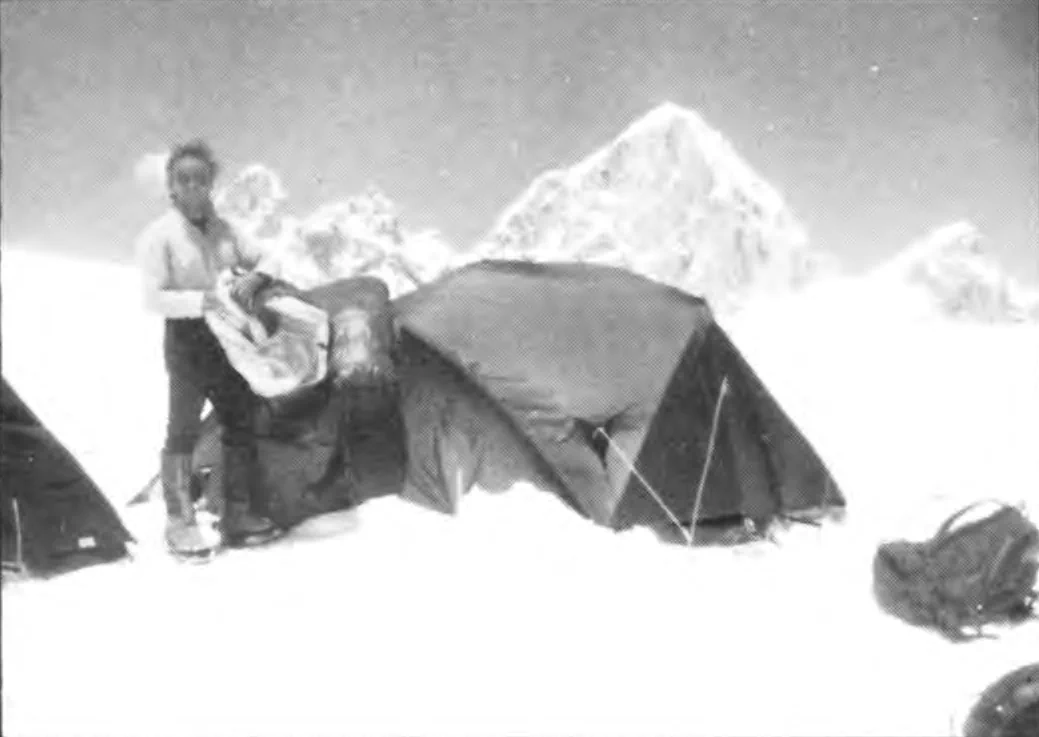
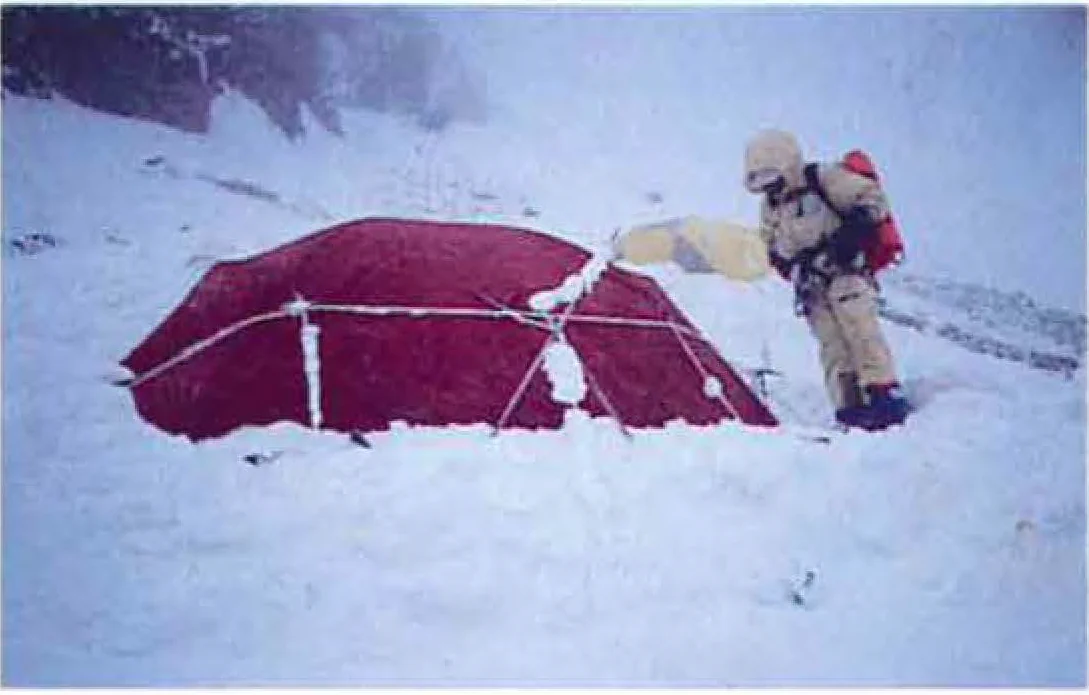
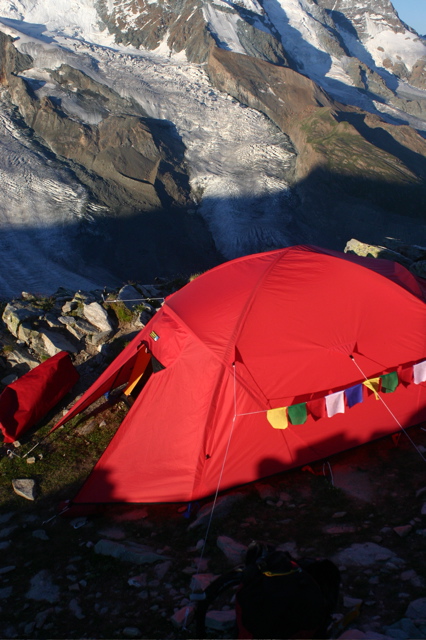
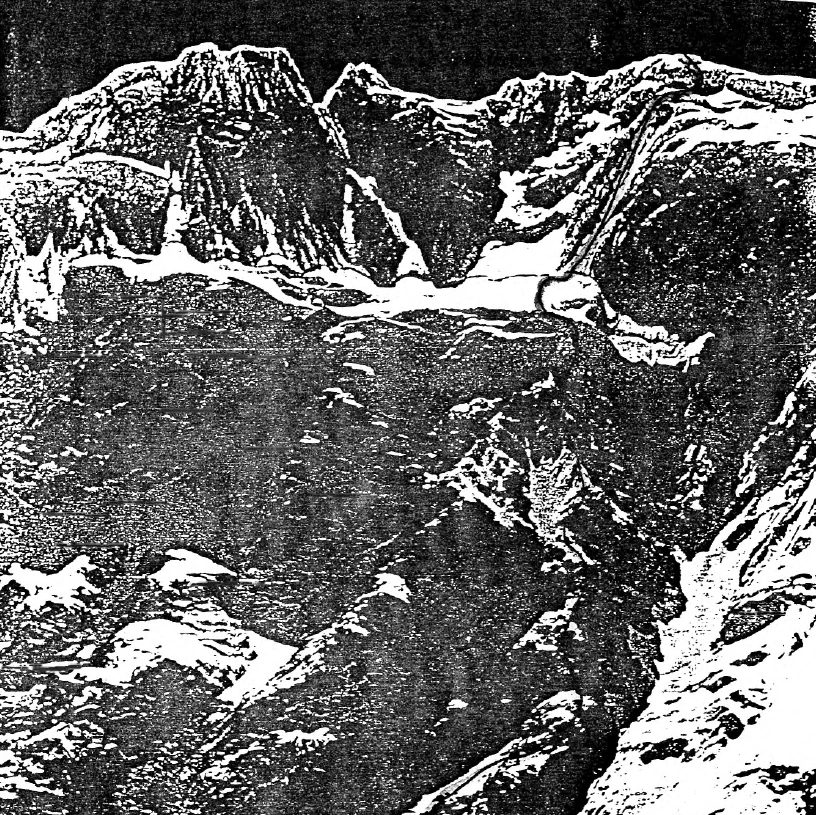
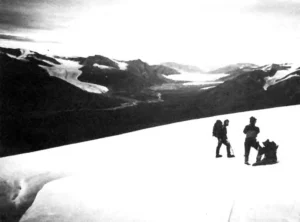
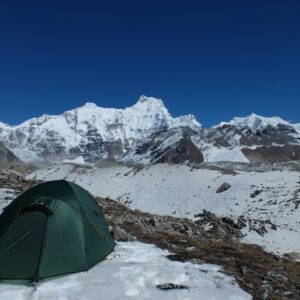
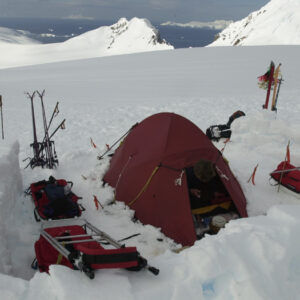
The peaks came last, when the science allowed. In early August three of us set out on a six-day trip for two 5,000 ft summits twenty miles to the north east of base, out beyond Mount Leith. There is an easy way up most mountains and a hard way, and we did not always choose correctly. We saw almost nothing of our objectives on the way in, walking through mist and a fine clinging drizzle, until on the second day we broke up through the cloud into hot sunshine and reached firm old snow at 2,000 ft. That soon turned to a frozen slush that hid the crevasses and clung to our legs, and we gave up the toil at 3,500 ft, making camp between two of them.
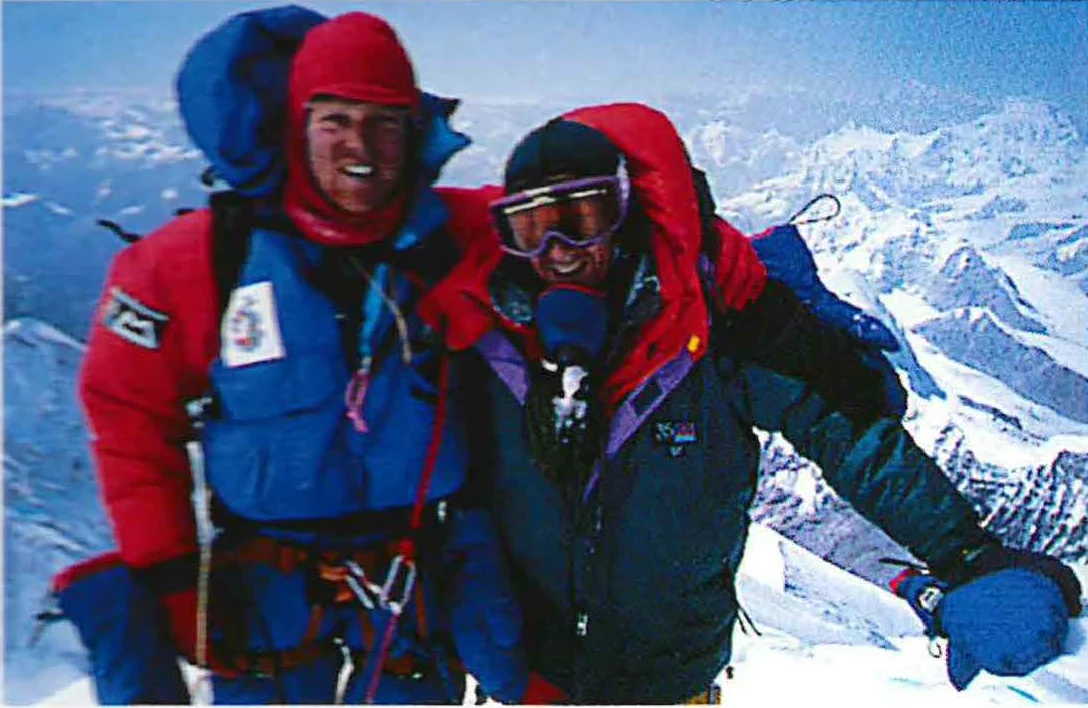
Sunday. The brew went on at half past six, and we left the tent an hour later, still in shadow, the snow hard enough that our crampons barely left a mark. We roped up as the crevasses thickened, followed a ridge of limestone full of fossilised coral, and after a 400 metre snow arête reached the pointed little summit at 5,300 ft. We took the second peak the same afternoon and turned for home. The way back was the long part: the snow had softened, and every so often a leg went straight through into a hidden crevasse. The haven of our tent loomed two hours later, the last few yards sheer hell with the snow to our knees. Tea, tea, and more tea.
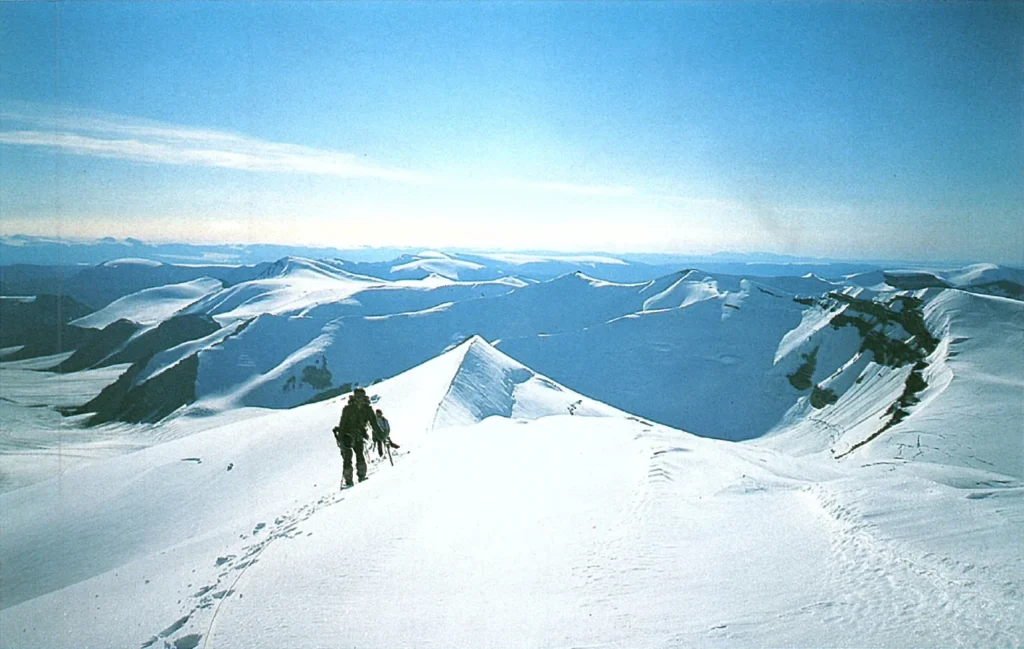
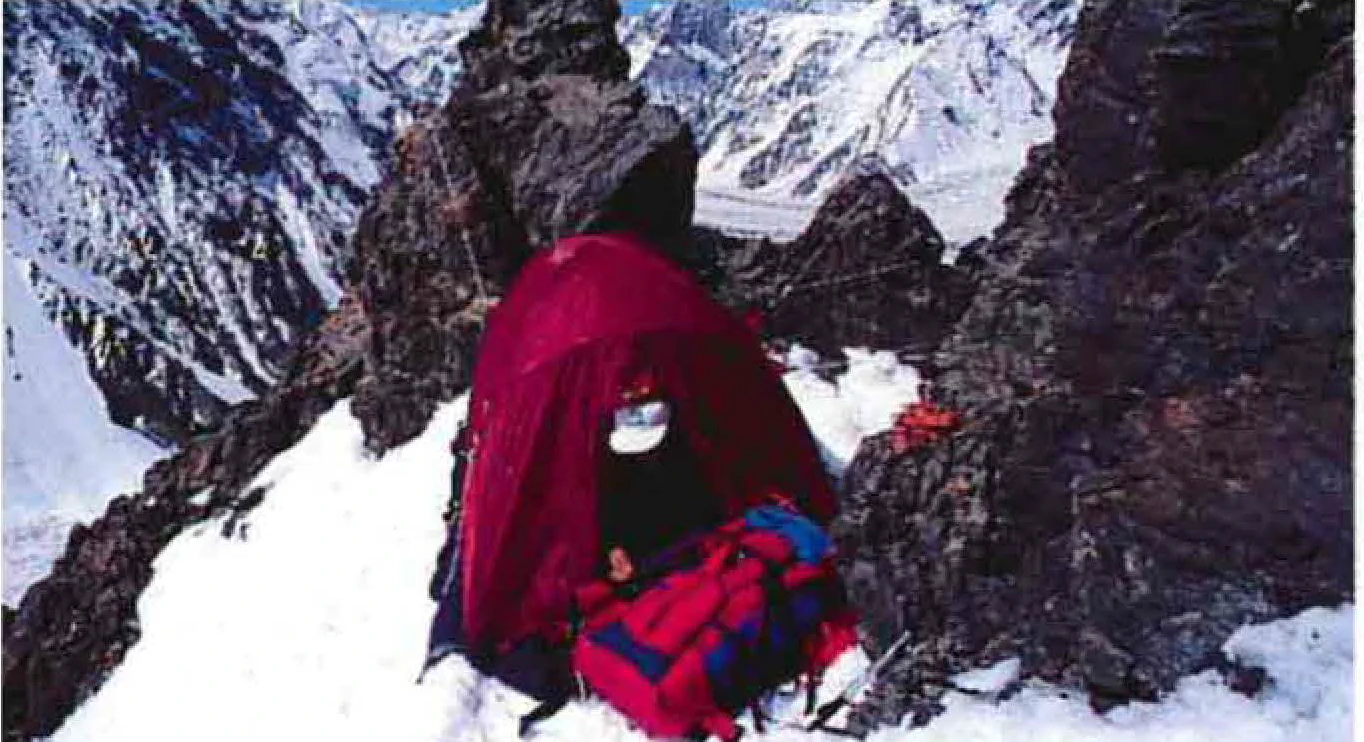
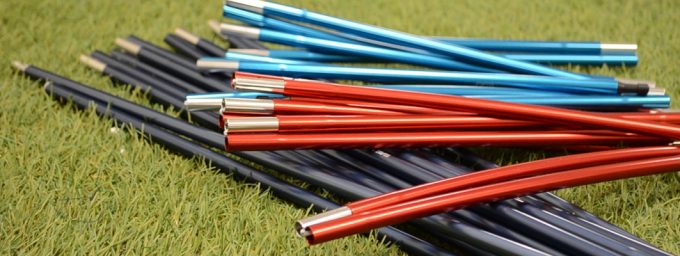
Monday we were packed, roped and away by seven. Robbie and I shared the lead on one fine stretch of arête, with poor Steve left to endure the position of man in the middle. We made camp again that evening and found, once again, that we had pitched between two crevasses. A good night’s sleep was on the cards, if the lumpy snow and the strengthening wind would allow it. They didn’t. The one consolation of a windy, sleepless night was that the same wind, getting in under the groundsheet, dried our sleeping bags. Our early start was rather spoiled when the wind took one of the tent poles clean out of our hands as we struck camp, though the descent proved worth it in the end, because Robbie spotted the pole glistening in the snow and had it back within ten minutes.
Mount Leith itself, over the far side of the bay, was the peak we photographed most. Its first ascent had gone early in the summer, and a second party stood on top in mid-August, by which time the season was already turning.
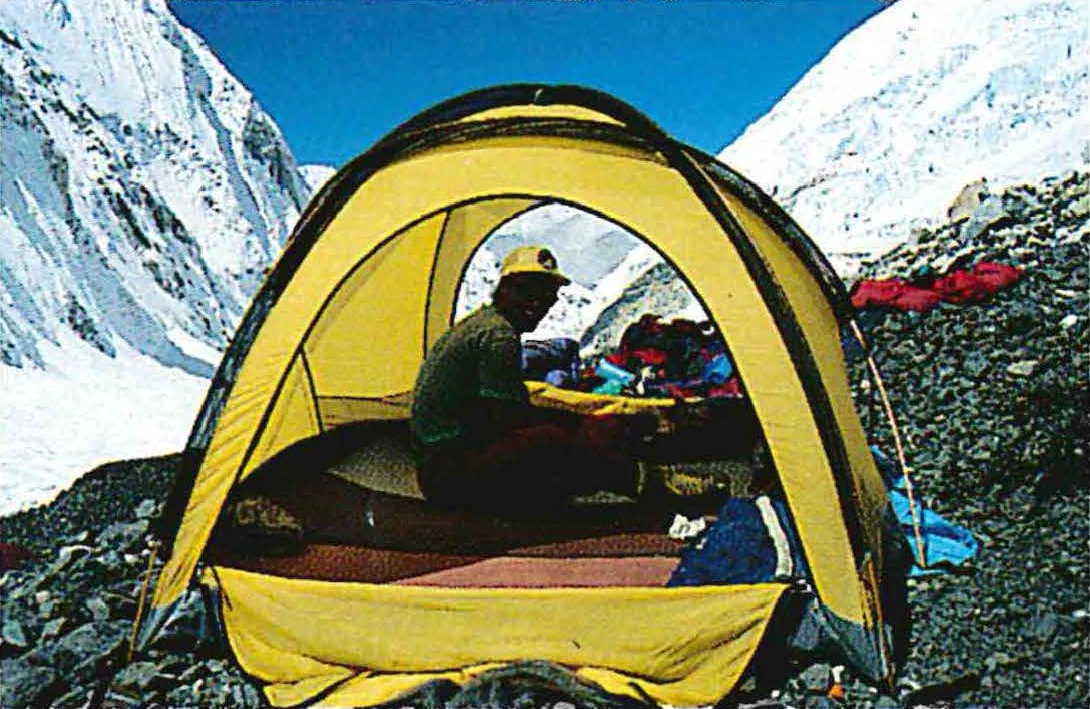
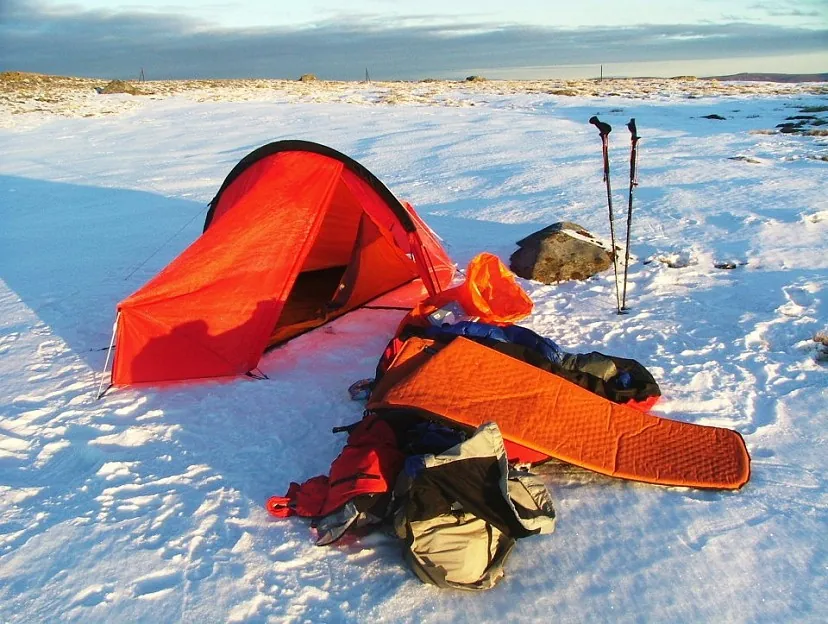
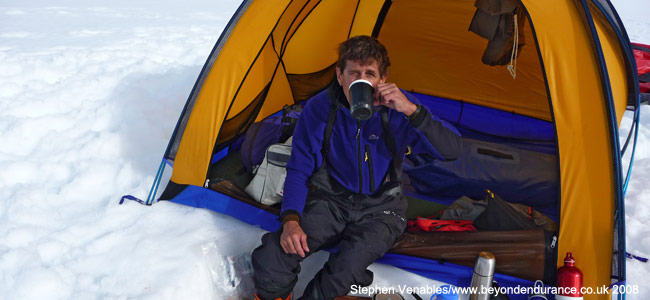
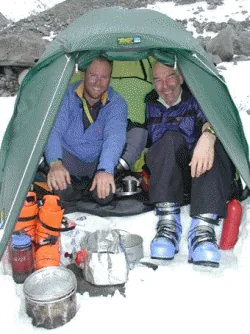
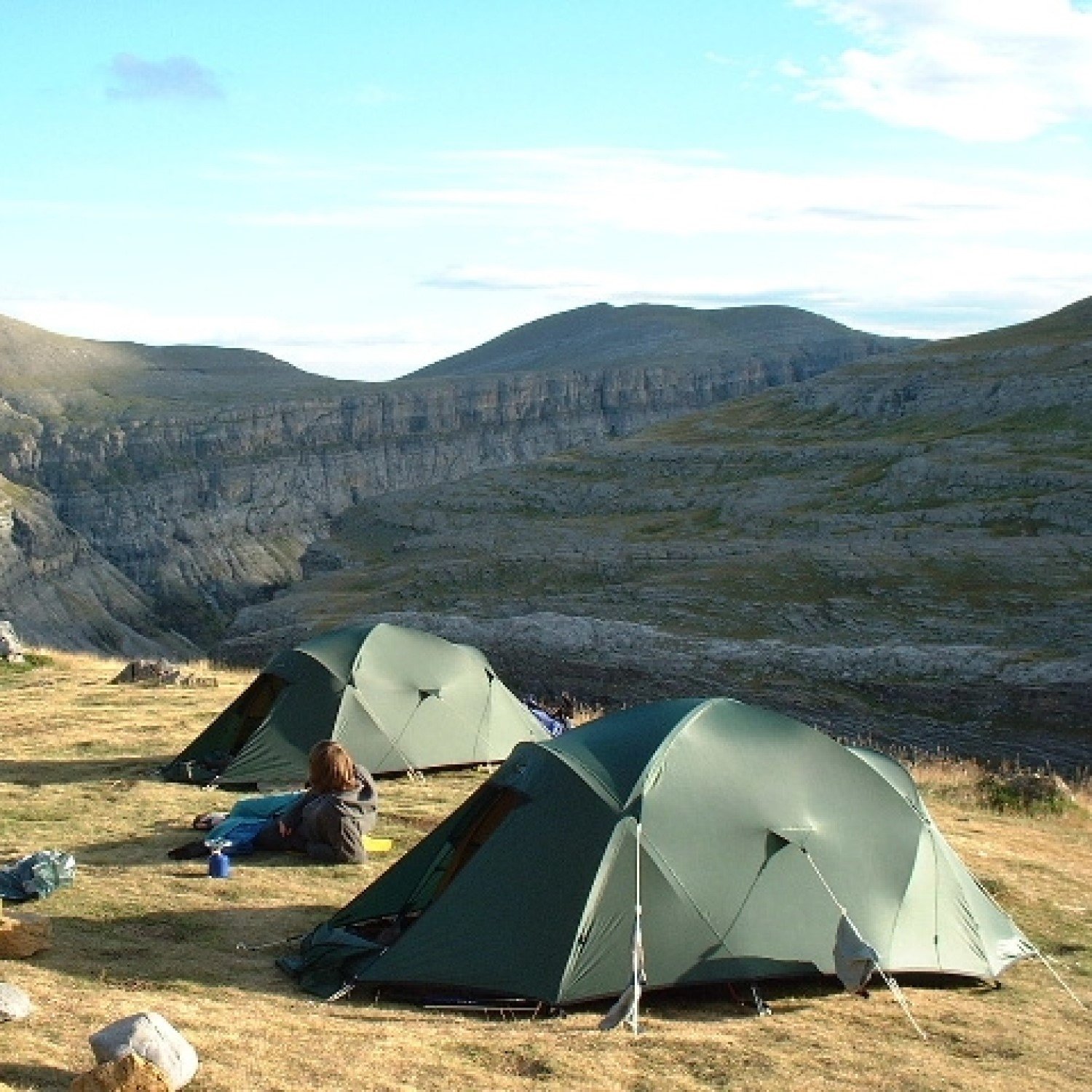
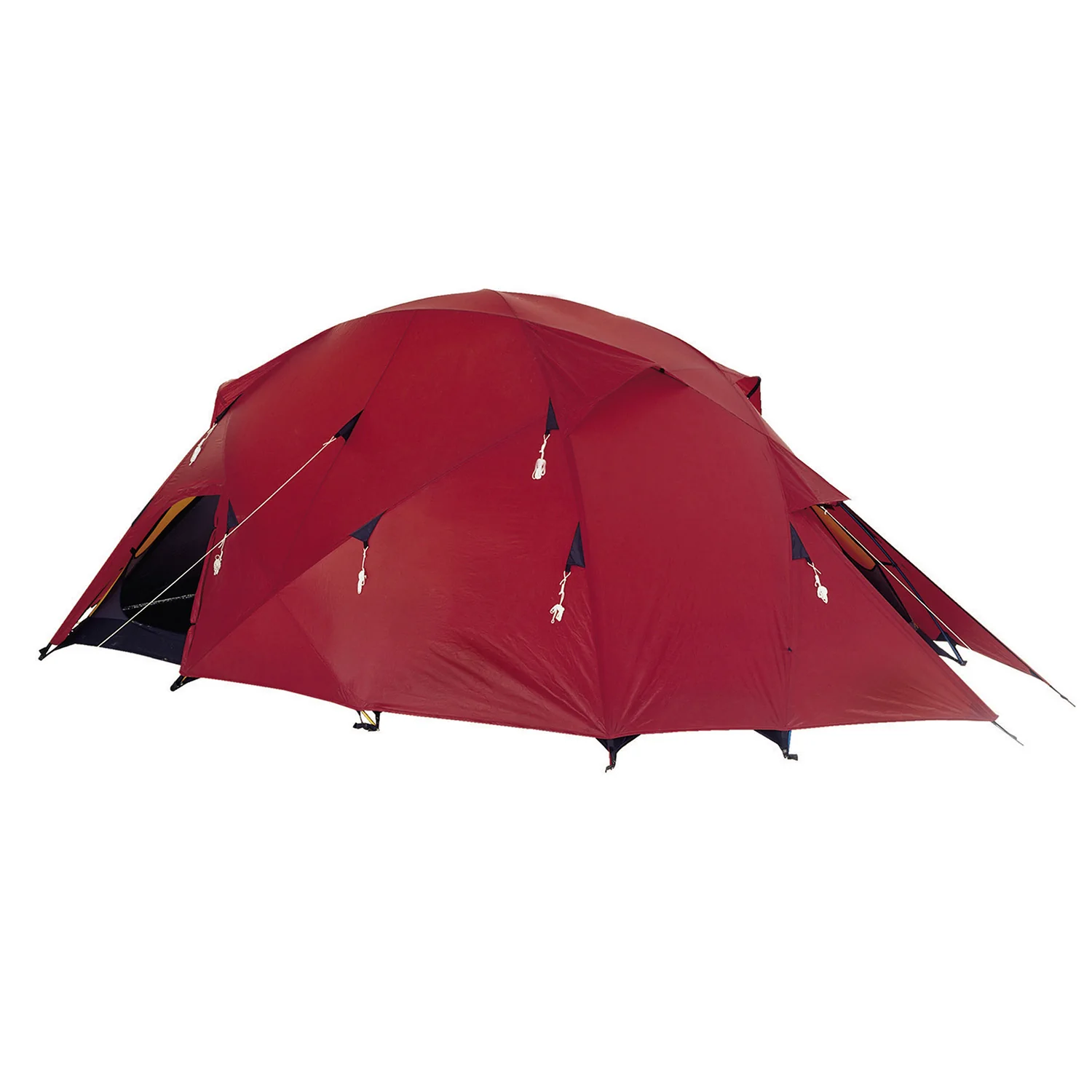
The Diamonds had earned their keep. They had been bought for exactly this kind of work, and the expedition’s equipment report put it more plainly than any of us would have at the time:
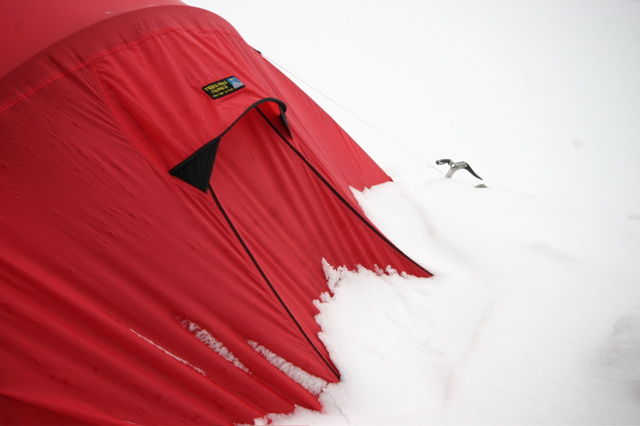
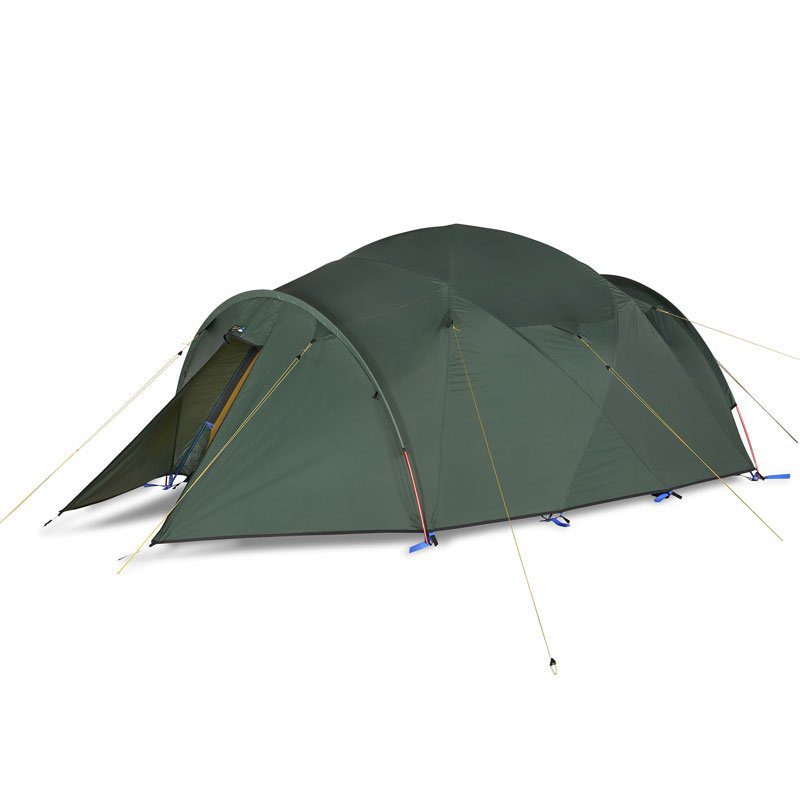
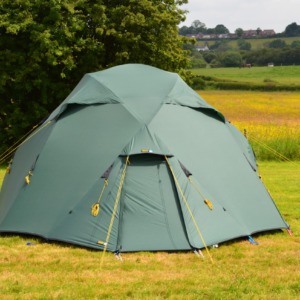
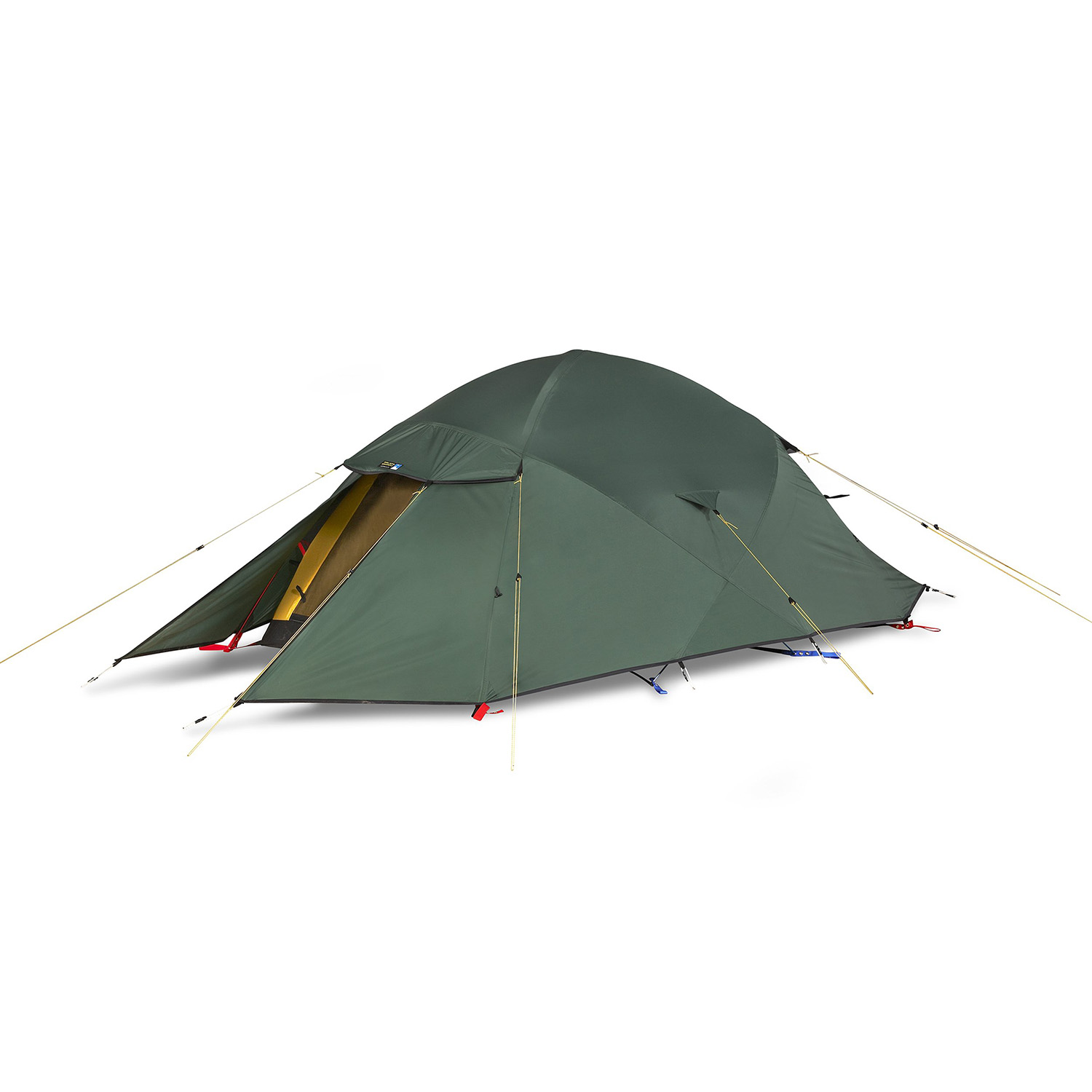
For travelling we purchased 2 Wintergear Diamond tents direct from the manufacturer. These proved to be a light, robust and spacious tent; our only regret was that, at £300 each, we could not afford more.
By late August the light was already going and the first winter snow was settling on base camp. We struck the tents, loaded the boats, and started the long journey out the way we had come in, worn out and, in the odd way of these things, refreshed.
EXPEDITION OUTCOMES
The expedition made first ascents of 19 previously unclimbed peaks around Borup Fiord, Mount Leith among them, with full records forwarded to the American Alpine Club. Alongside the climbing it completed a biological survey of one of the remotest regions of the high Arctic, together with archaeological and geological surveys of the fiord and its peninsulas.
-
SALE FEATURED


Limited Edition Quasar Tent & Bundle
-
FEATURED
Murlan Elite 2 Tent
-
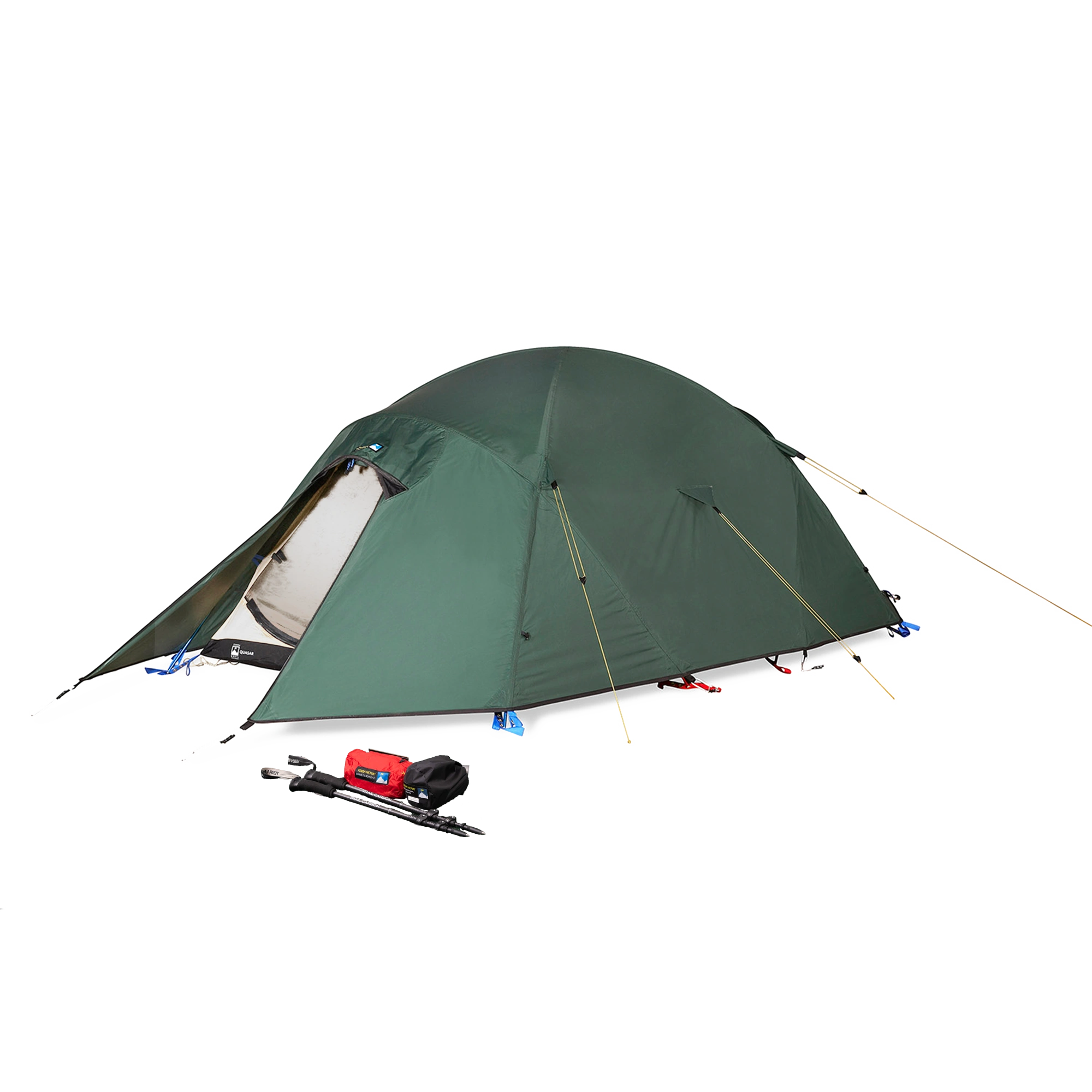
Expedition Quasar Tent
£1,100.00 Add to Pack This product has multiple variants. The options may be chosen on the product page -
Quasar Tent
-
Expedition Hyperspace Tent
£1,450.00 Add to Pack This product has multiple variants. The options may be chosen on the product page -
Expedition Terra Firma Tent
£1,800.00 Add to Pack This product has multiple variants. The options may be chosen on the product page -
Expedition Cosmos Tent
£5,600.00 Add to Pack This product has multiple variants. The options may be chosen on the product page -
Outlet – Murlan Elite 2 Tent – Grade B
-
SOLD OUT
Expedition Super Quasar Tent
£1,200.00 Add to Pack This product has multiple variants. The options may be chosen on the product page



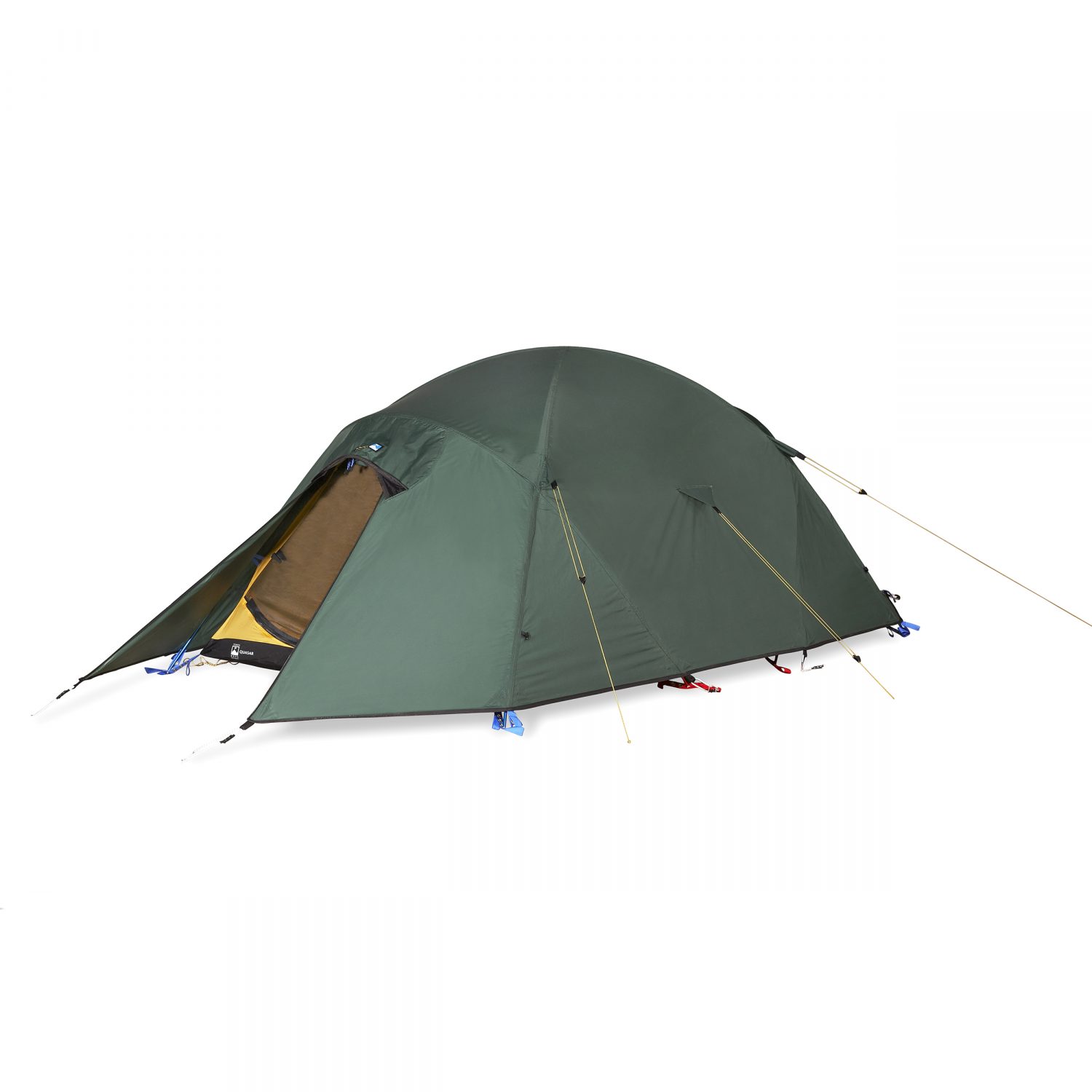
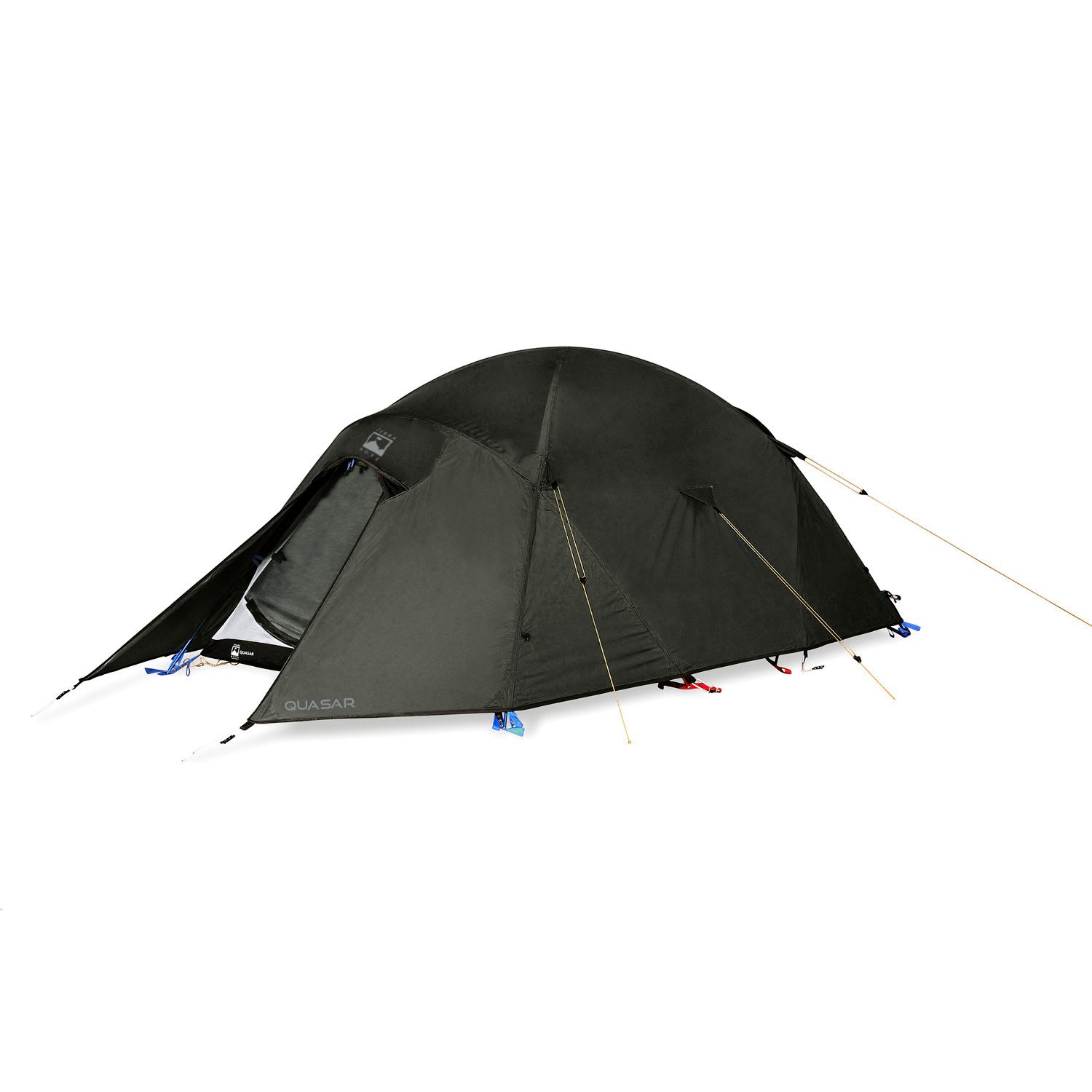
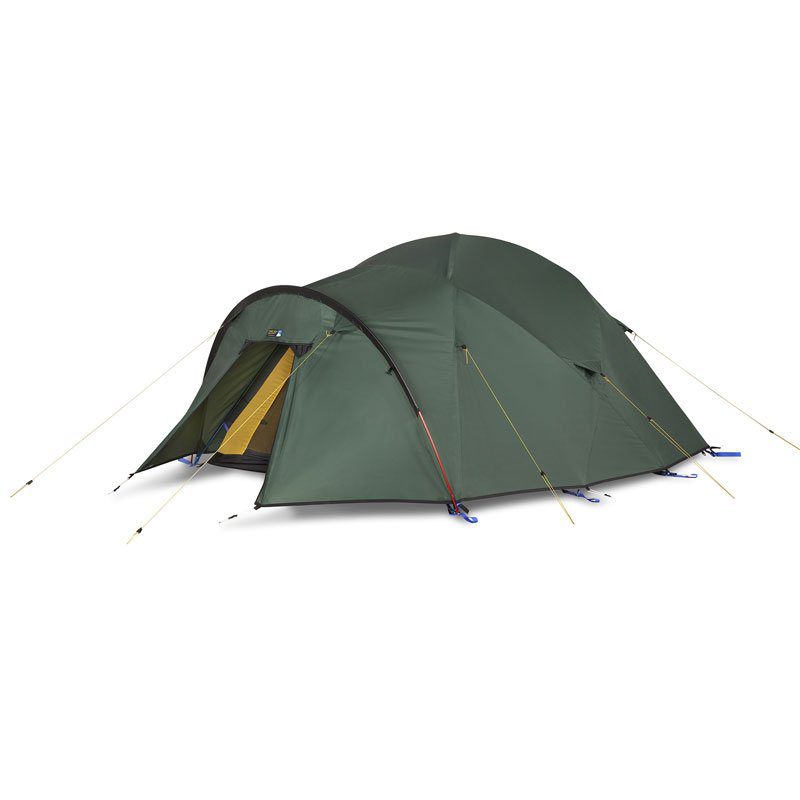
Corporal D Walker, with Captain R Dow and Squadron Leader S Young, and the members of the Joint Services Expedition to Borup Fiord, 1988. Report compiled by the expedition leader, K W (Bill) Hankinson.
The Diamond was a Wintergear tent. Wintergear and Wild Country both trace back to Ben and Marion Wintringham, and that line runs down to Terra Nova today. Wild Country Ltd is named among the expedition’s equipment supporters. All photographs are from the expedition’s own final report (1988).
Planning Something Ambitious?
Our archive of expeditions isn't marketing; it's a record of what our tents, shelters, and apparel have actually survived, written by the people who were there. From first ascents in the Karakoram to four months on Ellesmere Island. But our history isn’t just about where we’ve been; it’s about where we’re going next.
We support a small number of genuine, objective-led expeditions every year. If you’re putting together a capable team with a clear plan and a story to tell, we’d love to hear about it.