
The White Sky God of Sepu Kangri
Here is the cleaned-up and properly formatted version of this passage. I have de-scrambled the typos, connected the broken words, and organized it into clean paragraphs for seamless reading.
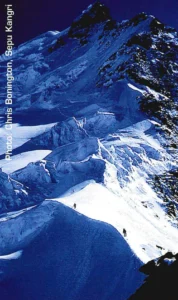
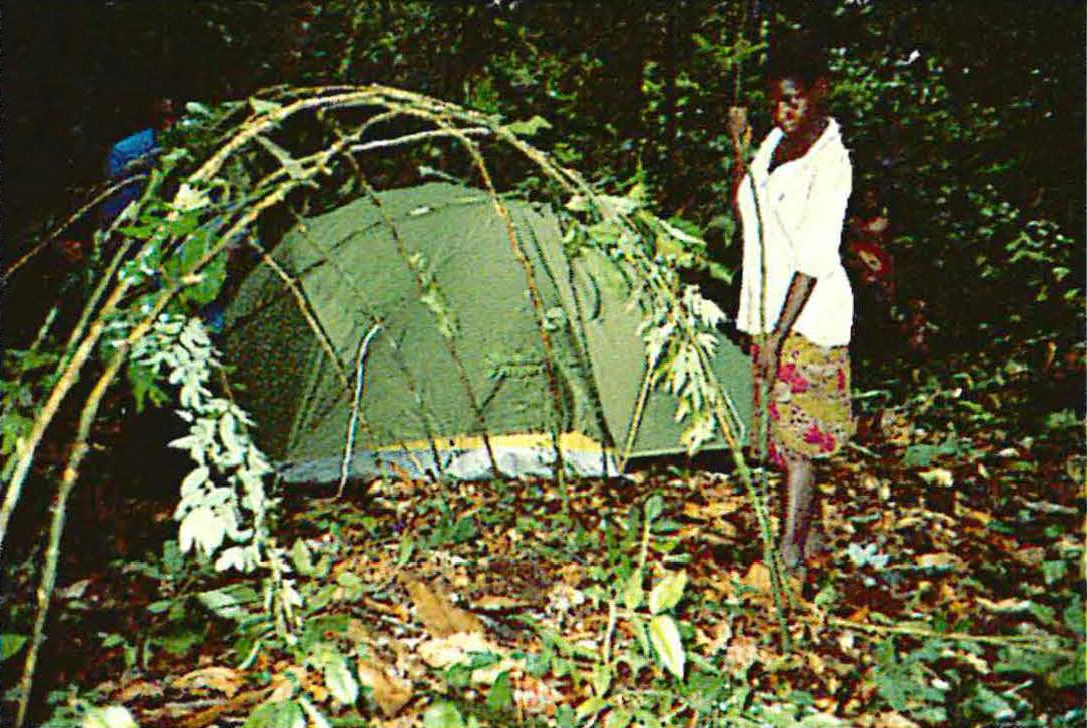
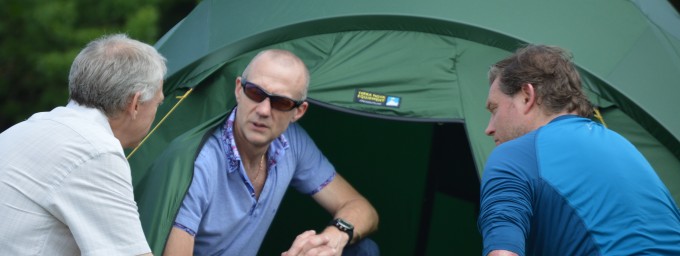
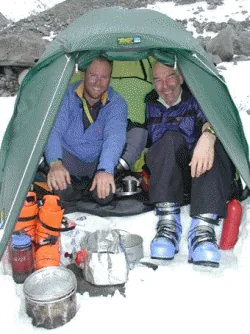
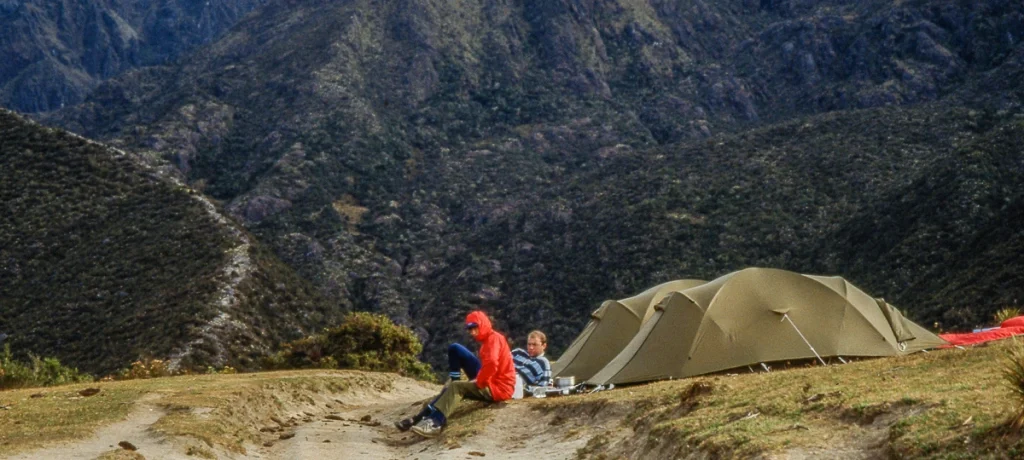
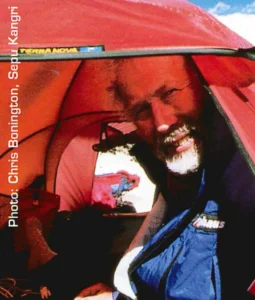
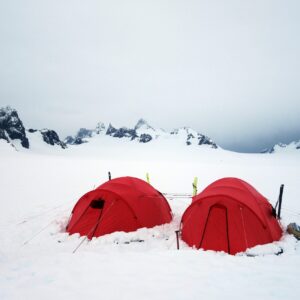
Victor Saunders and I had originally planned to climb as a pair on Sepu Kangri, a superb unclimbed peak of 6,950 metres in Tibet, but then Elliot Robertson came along. He and Charlie Clarke had made an exploratory journey into the east side of the mountain using a little Voyager tent, which they had found ideal for lightweight travel. Elliot was desperate to get onto the climb and, although he had limited mountain experience, he is a good, steady guy, so Victor and I invited him along—and this is where the Quasar came in.
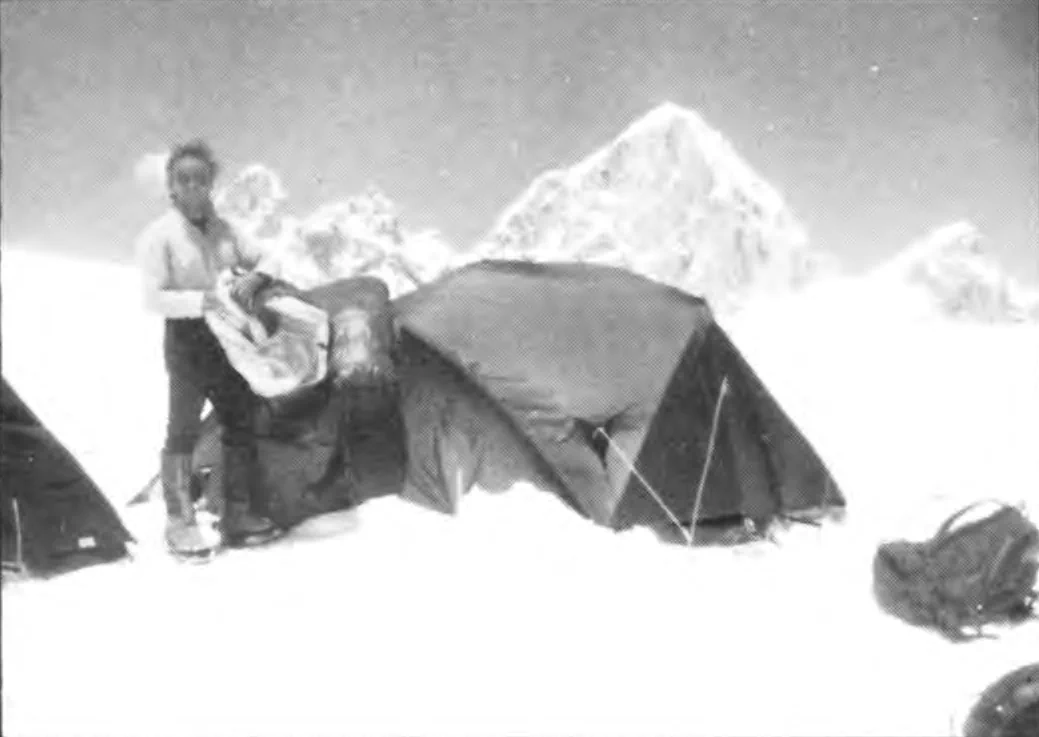
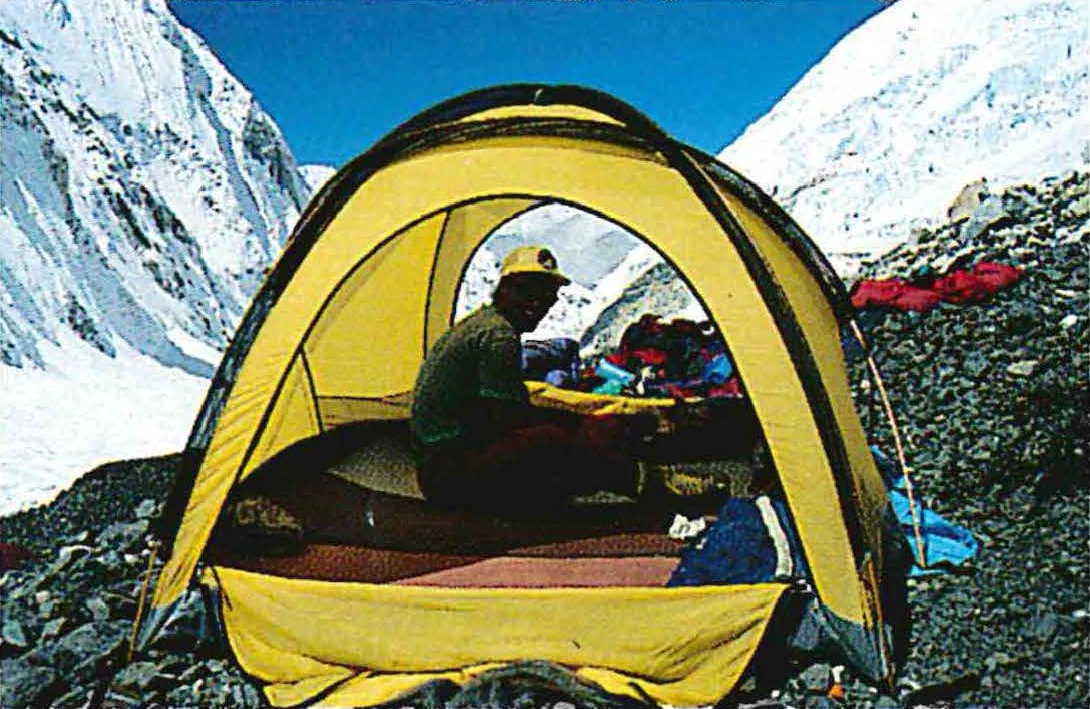
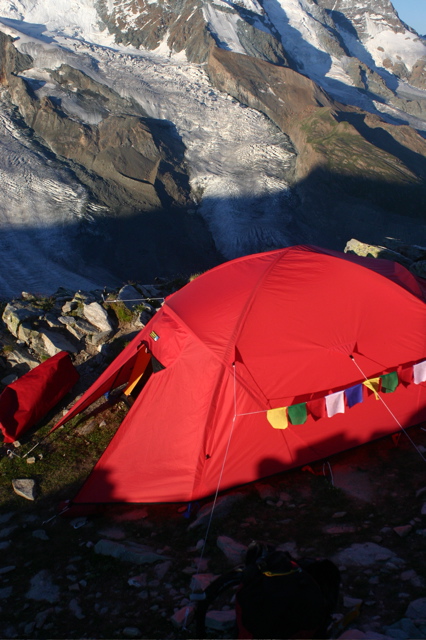
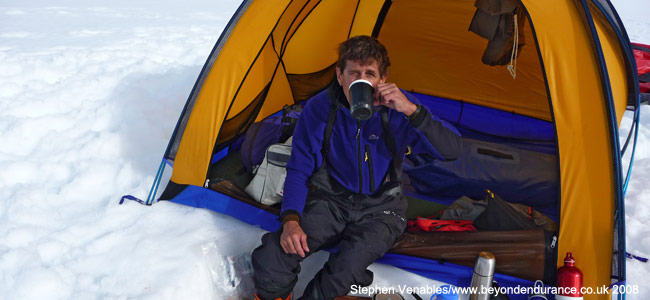
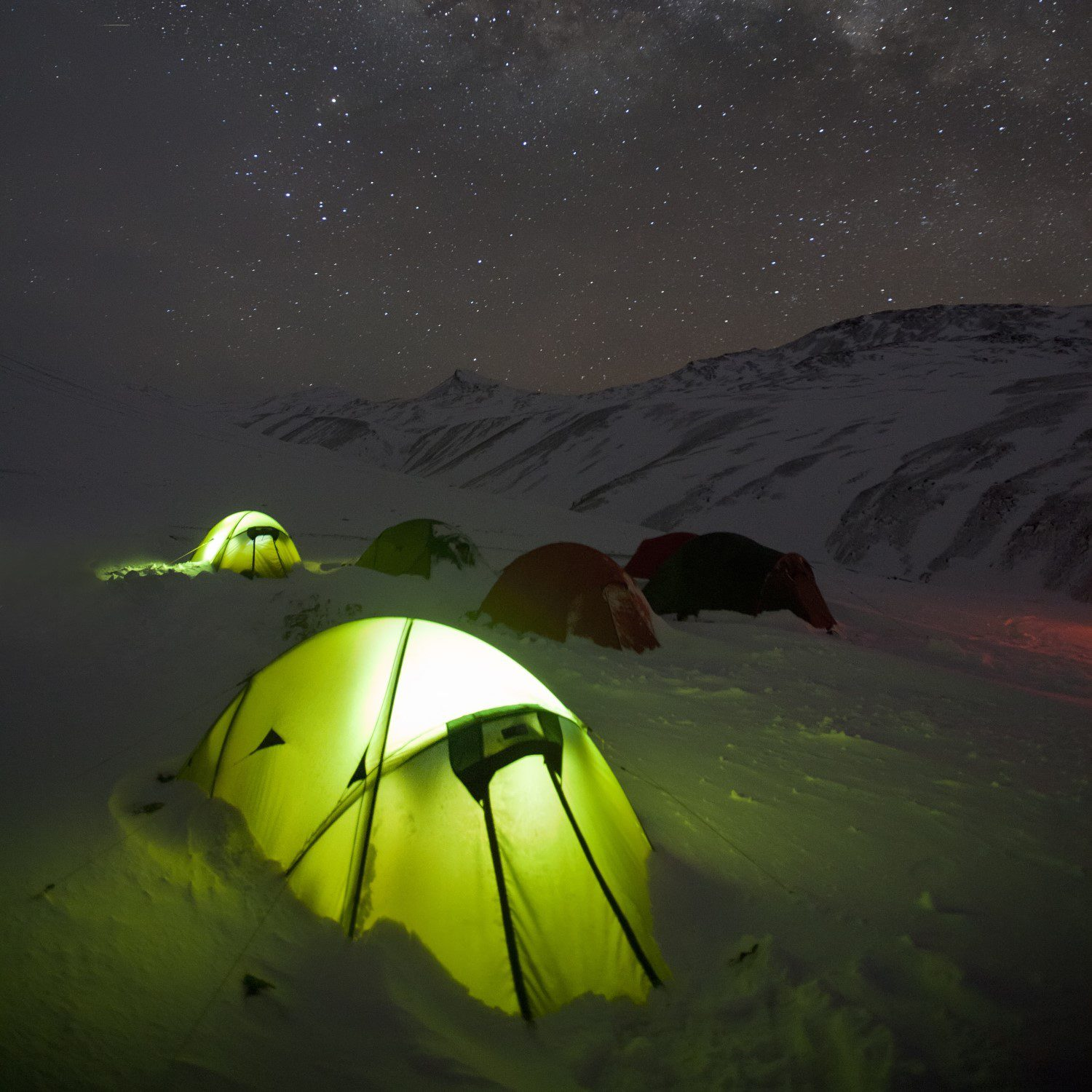
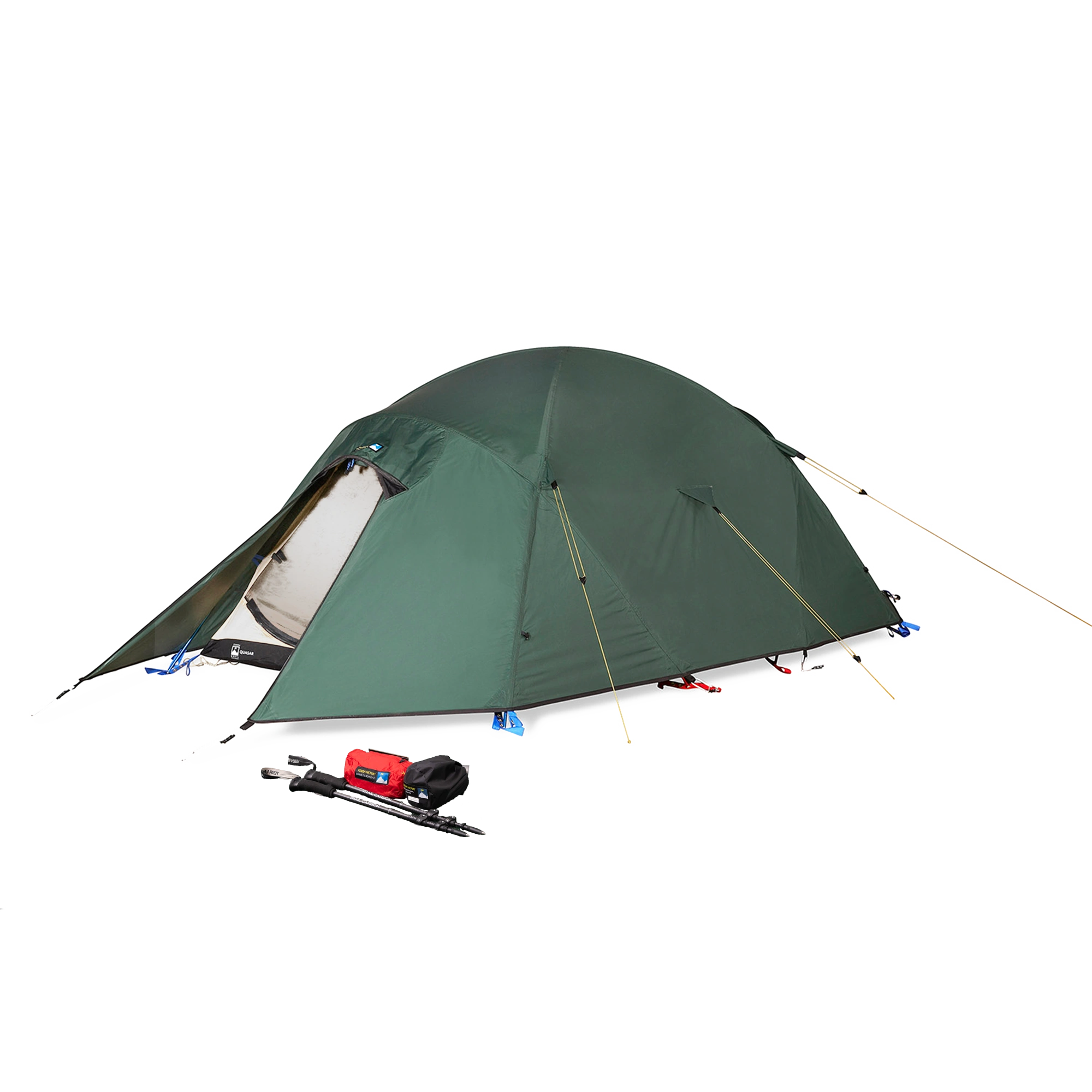
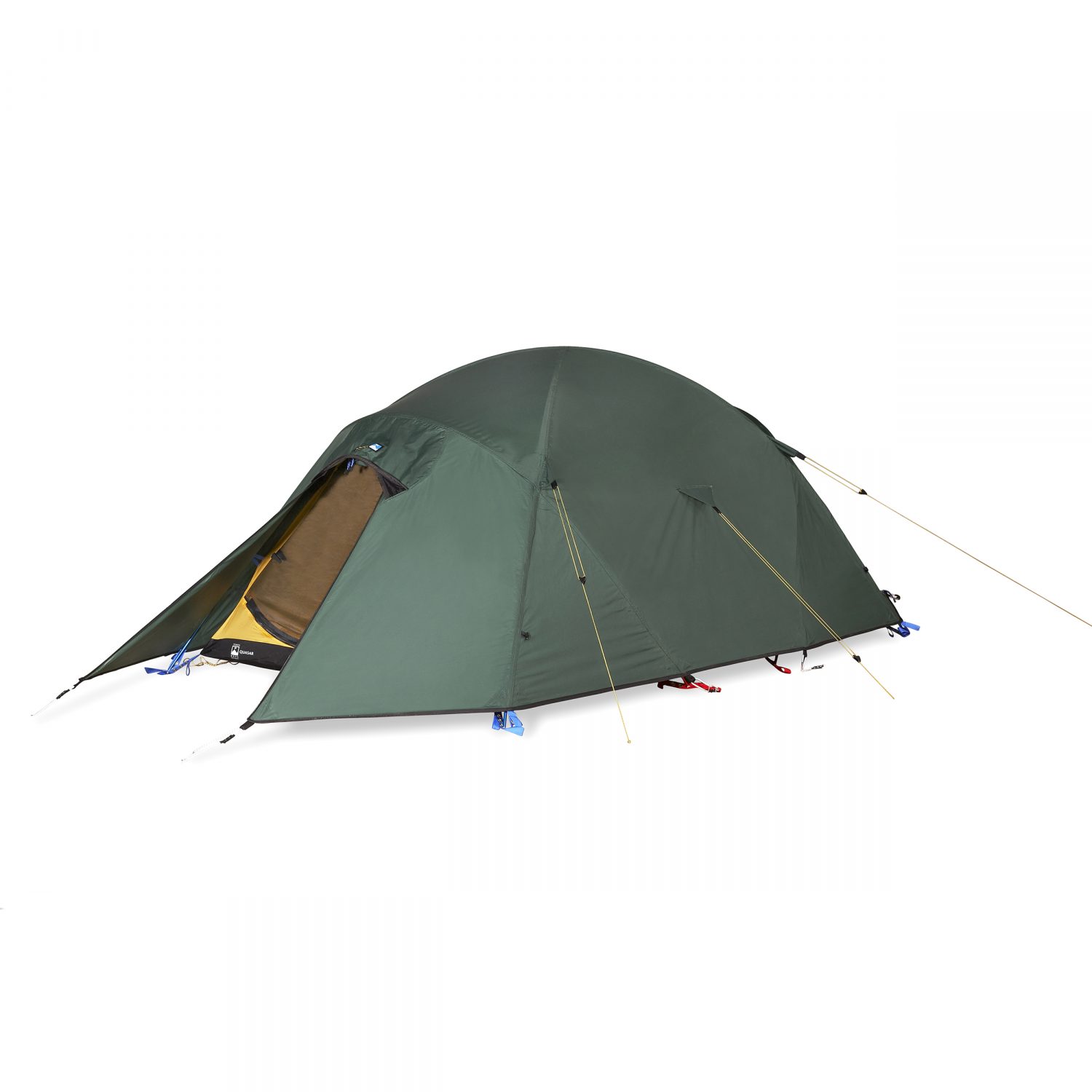
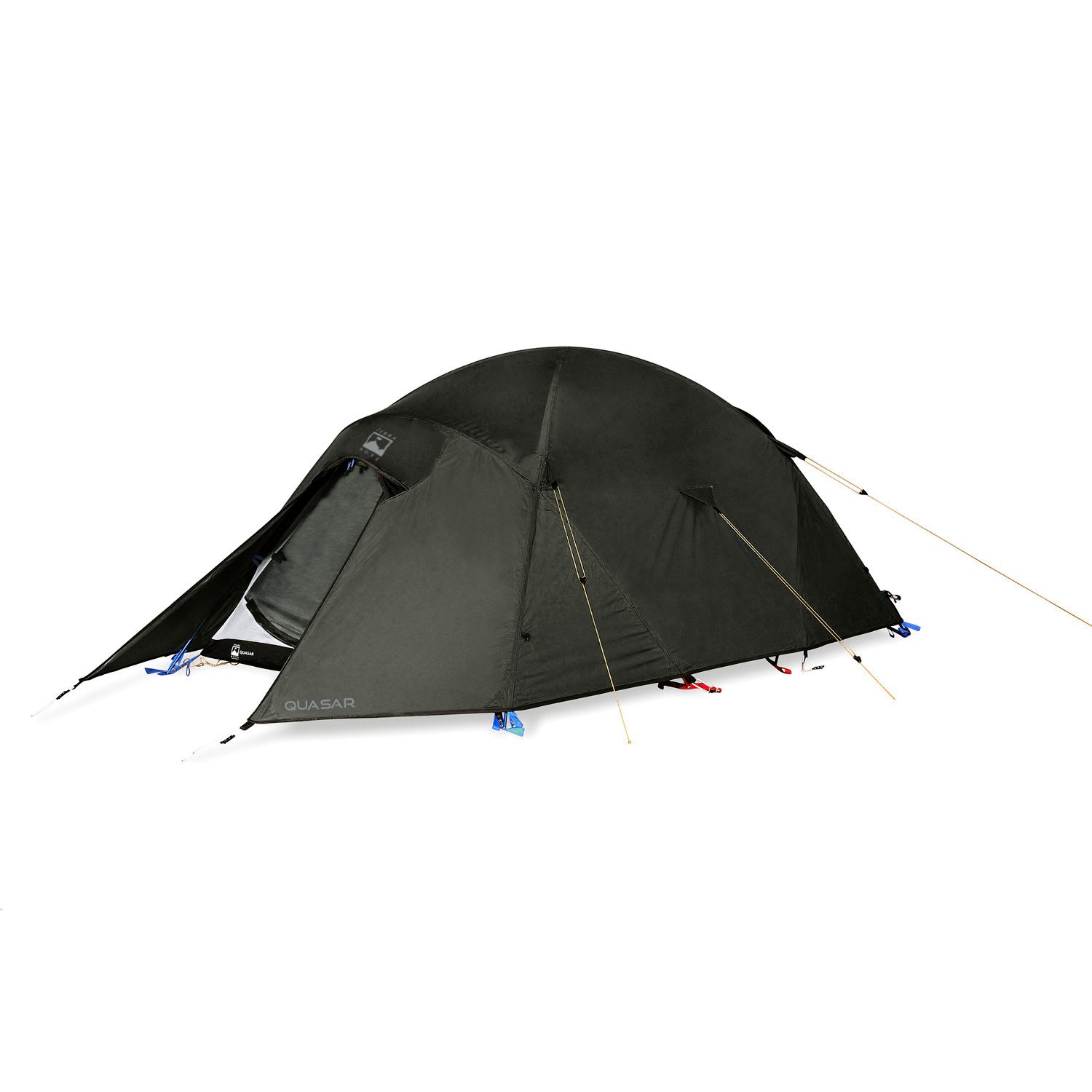
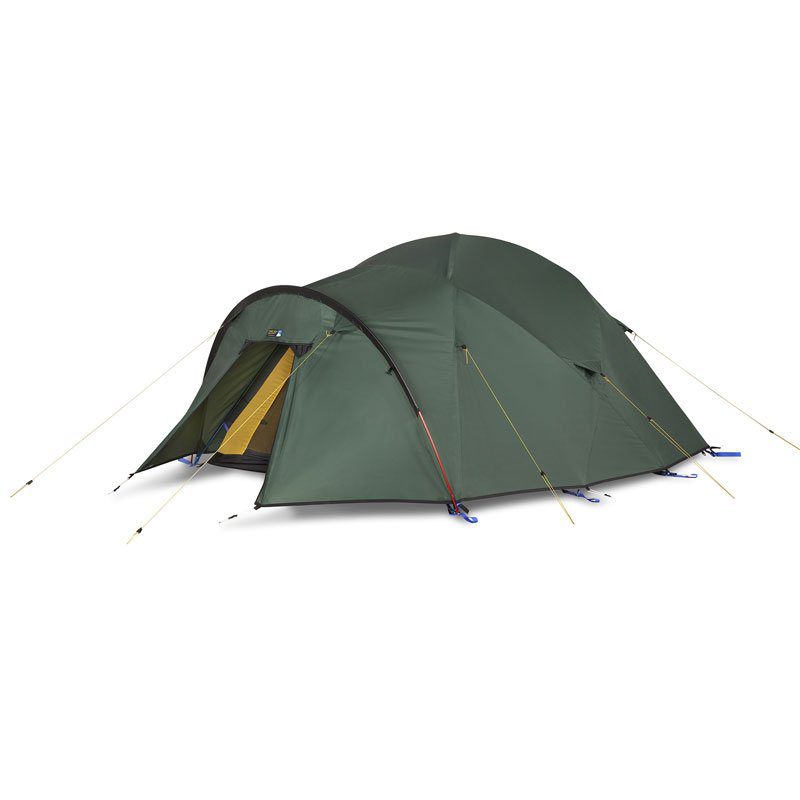
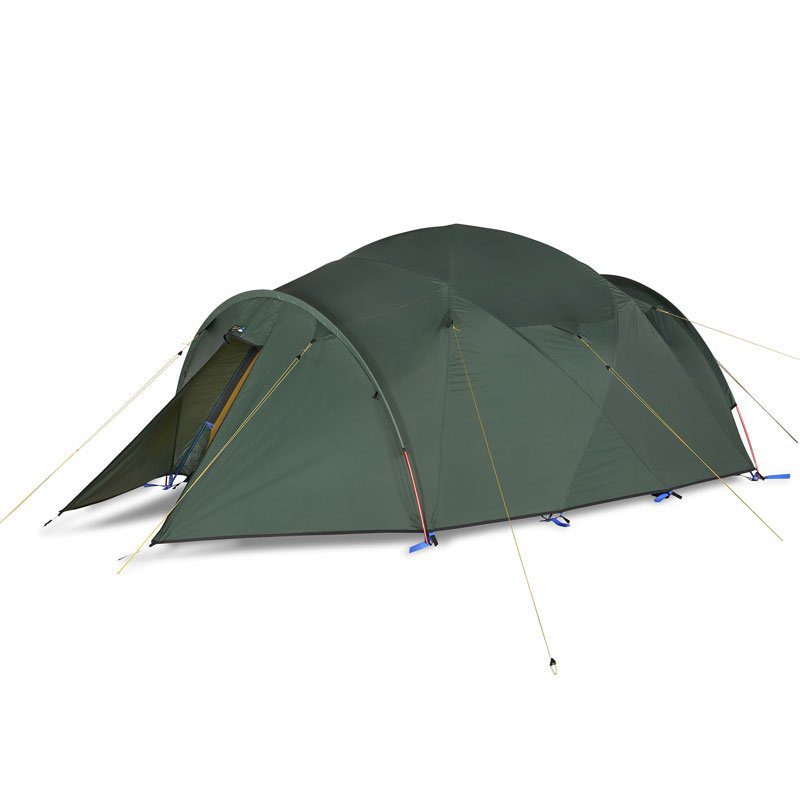
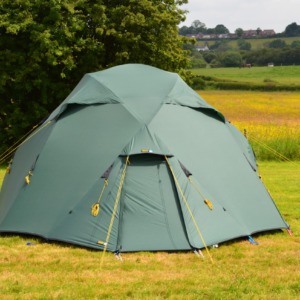
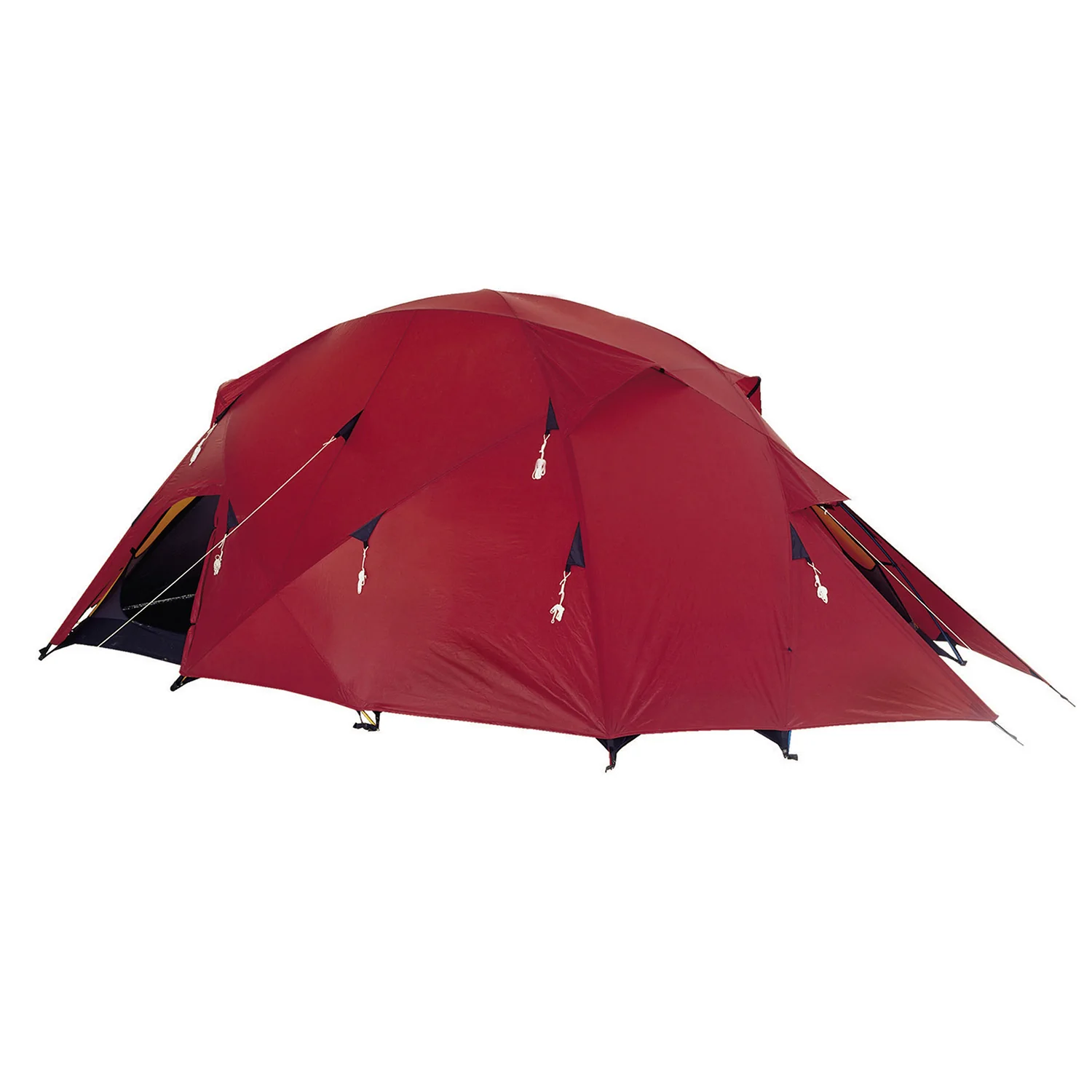
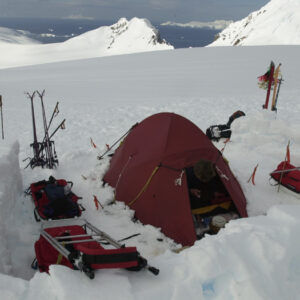
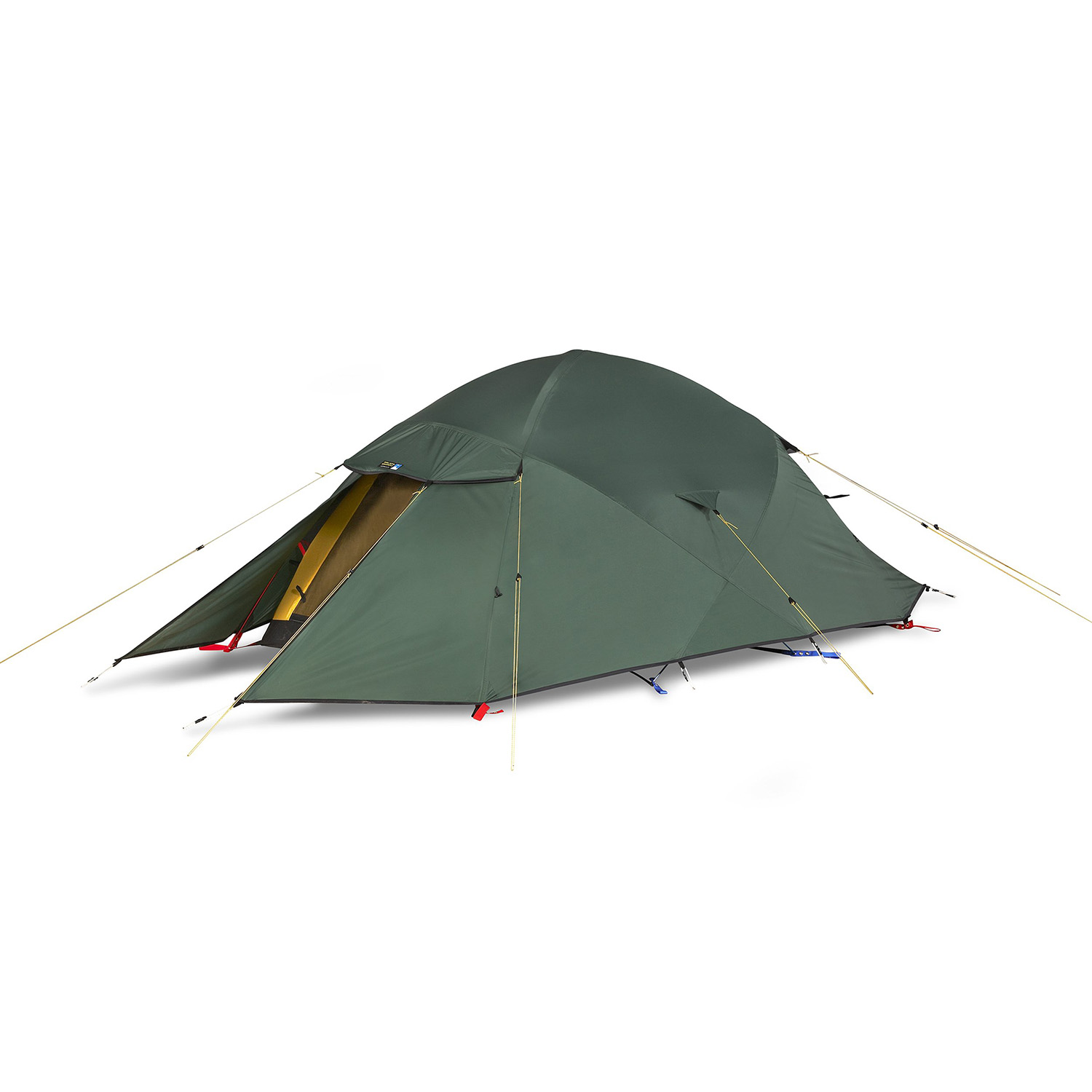
Terra Nova had made to our design a super lightweight tent based on the Gemini, but this really was a two-man tent at a squeeze, ideal for a lightweight push. The beauty of the Quasar is that it is a generous two-man tent, and three can fit into it very cosily. So armed with our Quasar, we set out on our bid for the summit. There were five of us in total, with Graham Little and Scott Muir using one of the experimental two-man tents.
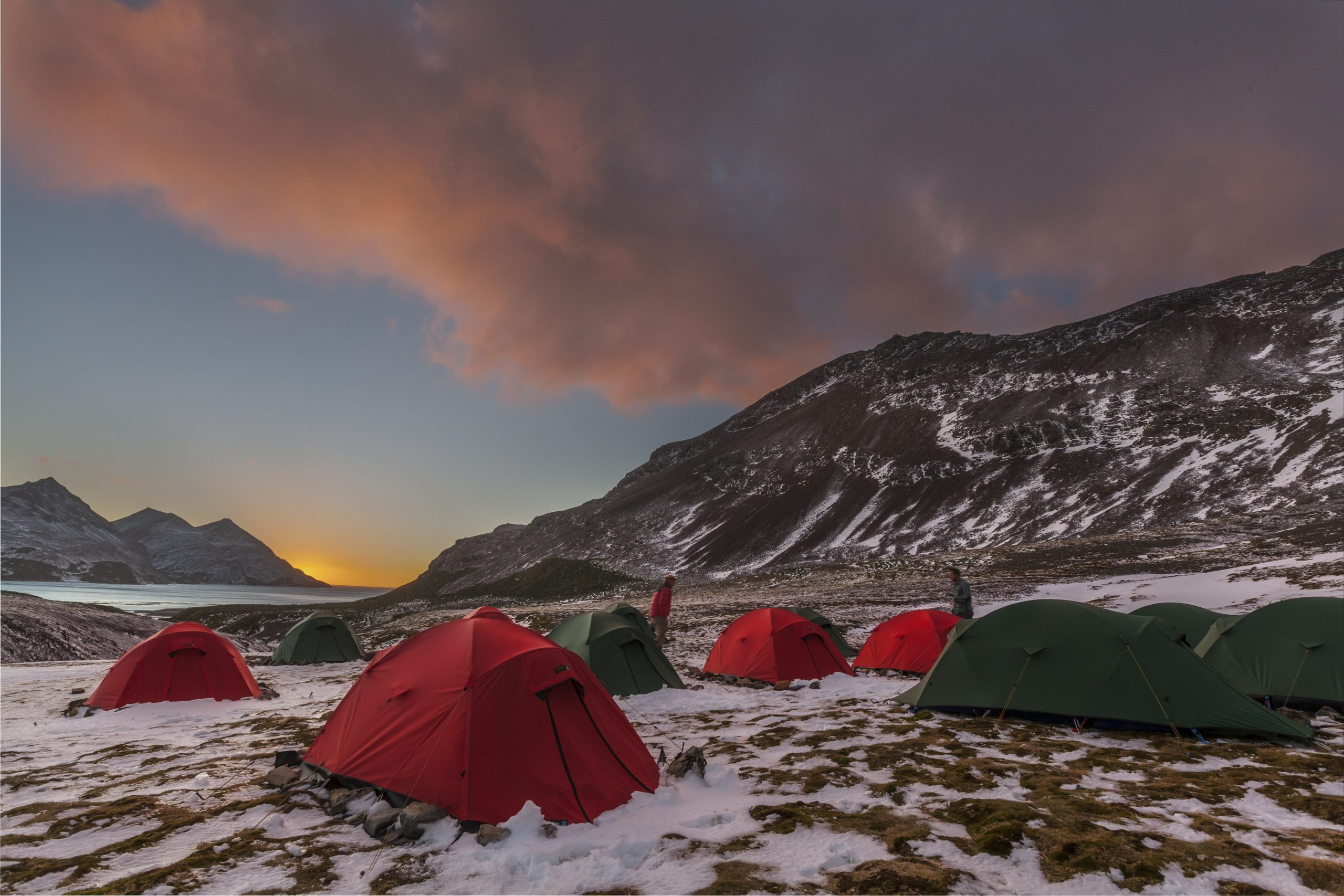
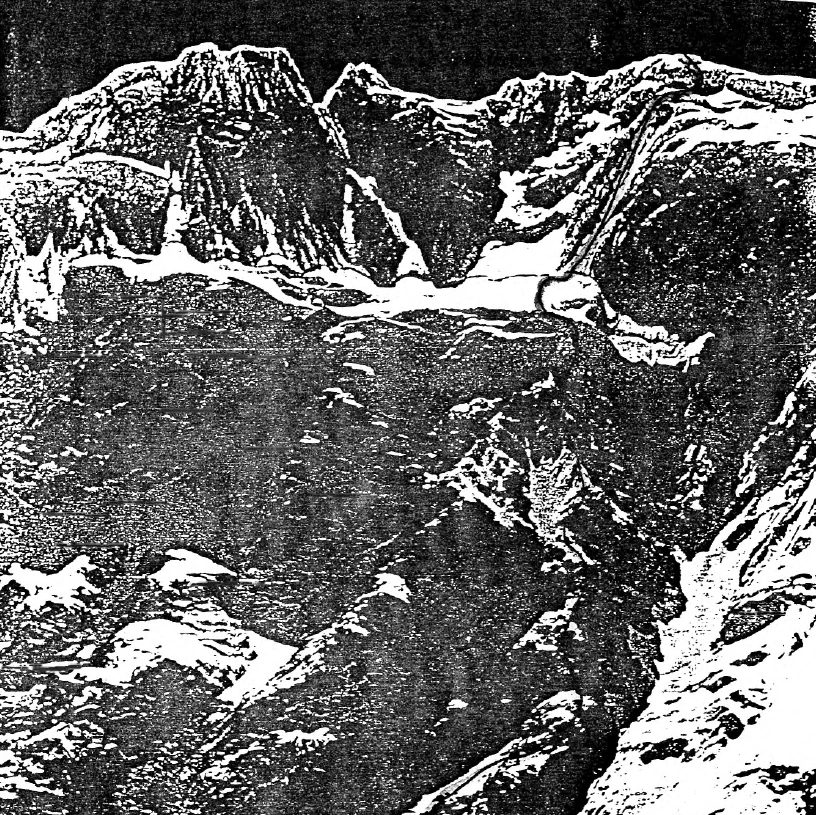
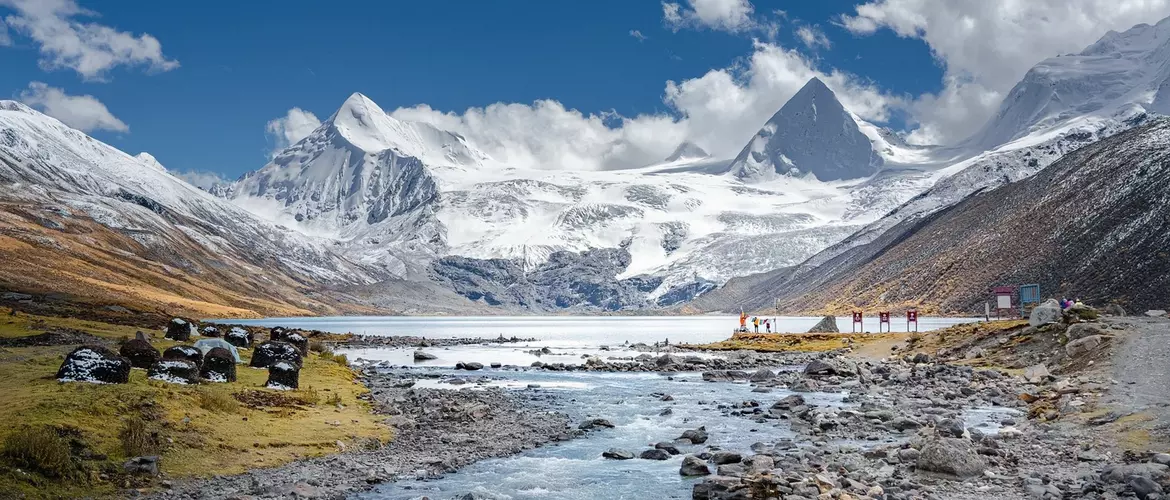
Sepu Kangri is a big, complex mountain. We had tried it the previous year, making a direct assault up a steep rib leading high onto the northwest ridge of the mountain. We would probably have succeeded if the weather hadn’t been so consistently bad. In the autumn of 1998, we decided to outflank the difficulties, entailing a long and slightly hazardous trek through icefalls and into a Western Cwm that rivalled the more famous one on Everest. It had crevasses like moats, a superb array of flanking peaks, and a view emphasising the vastness of the Tibetan plateau.
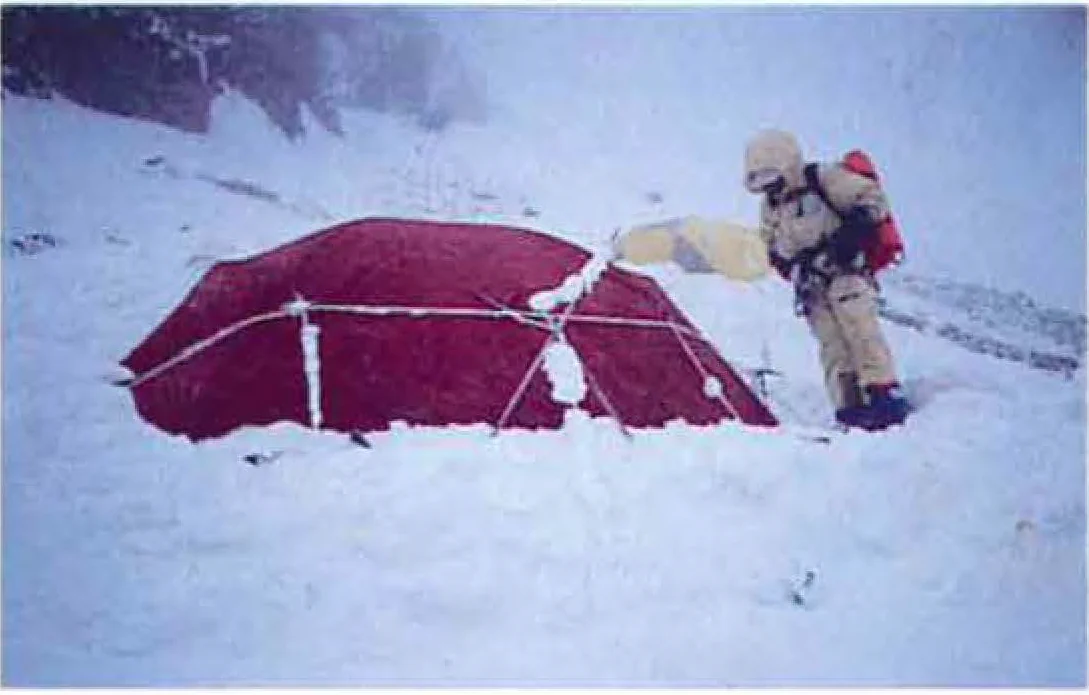
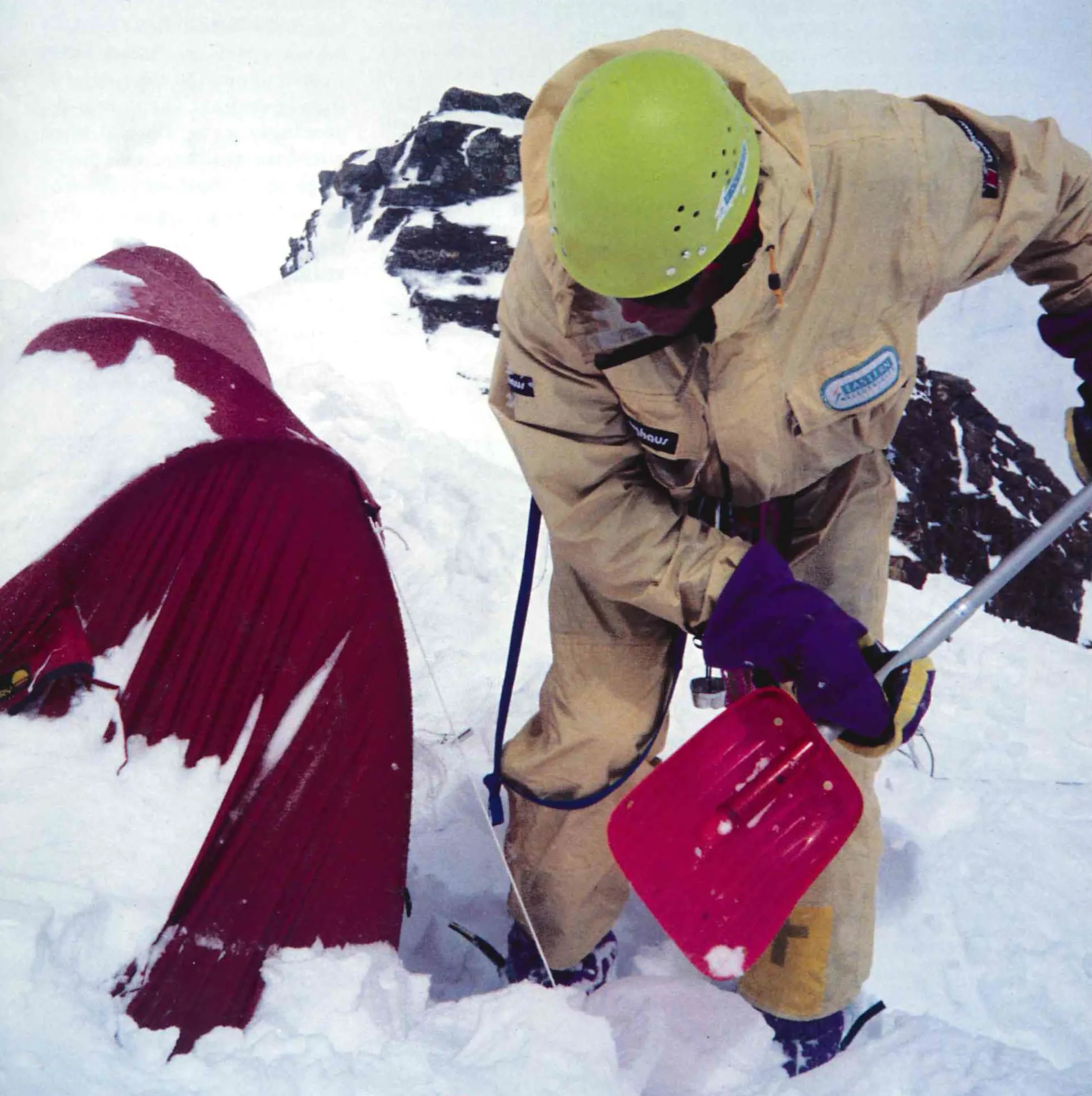
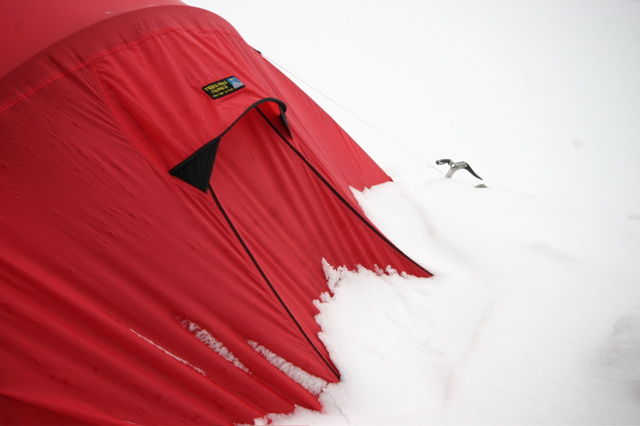
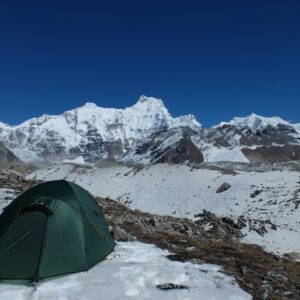
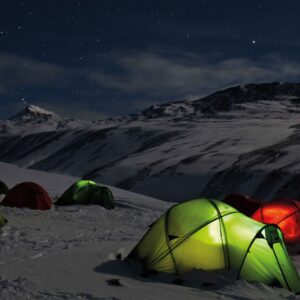
It took us two days to reach 6,530 metres, just 400 metres below the summit, and we really seemed to have it within our grasp. But Sepu Kangri has a mind of its own. It is not named the ‘White Sky God’ for nothing. It ignored the good weather forecast we had received by satellite from the Met Office in England and the next morning gave us clouds and a huge dump of snow. We sat it out for two days, and once again the Quasar came into its own.
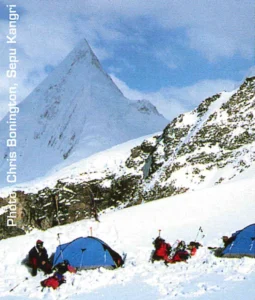
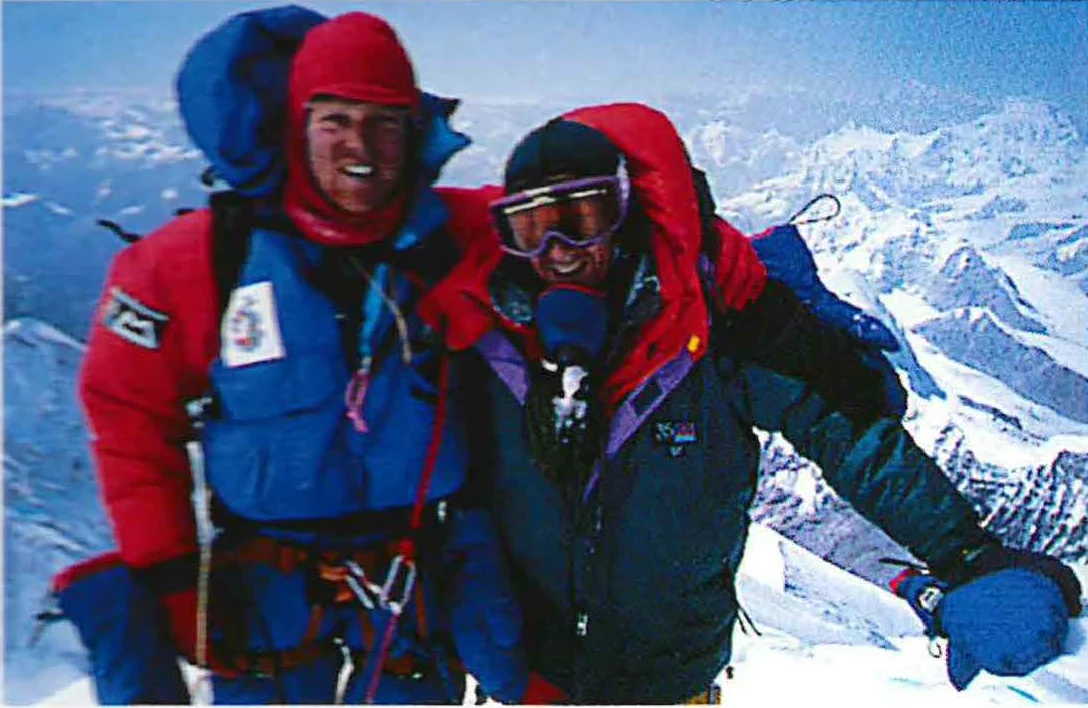
On the third morning, it was still snowing and, worried about being trapped high on Sepu Kangri, we retreated, hoping to return for another attempt. We had a second attempt when Scott and Victor got within 150 metres of the summit before a blizzard turned them back. The White Sky God, however, gave us one consolation, allowing Graham to climb The Turquoise Flower, a subsidiary peak named after the Sky God’s daughter.
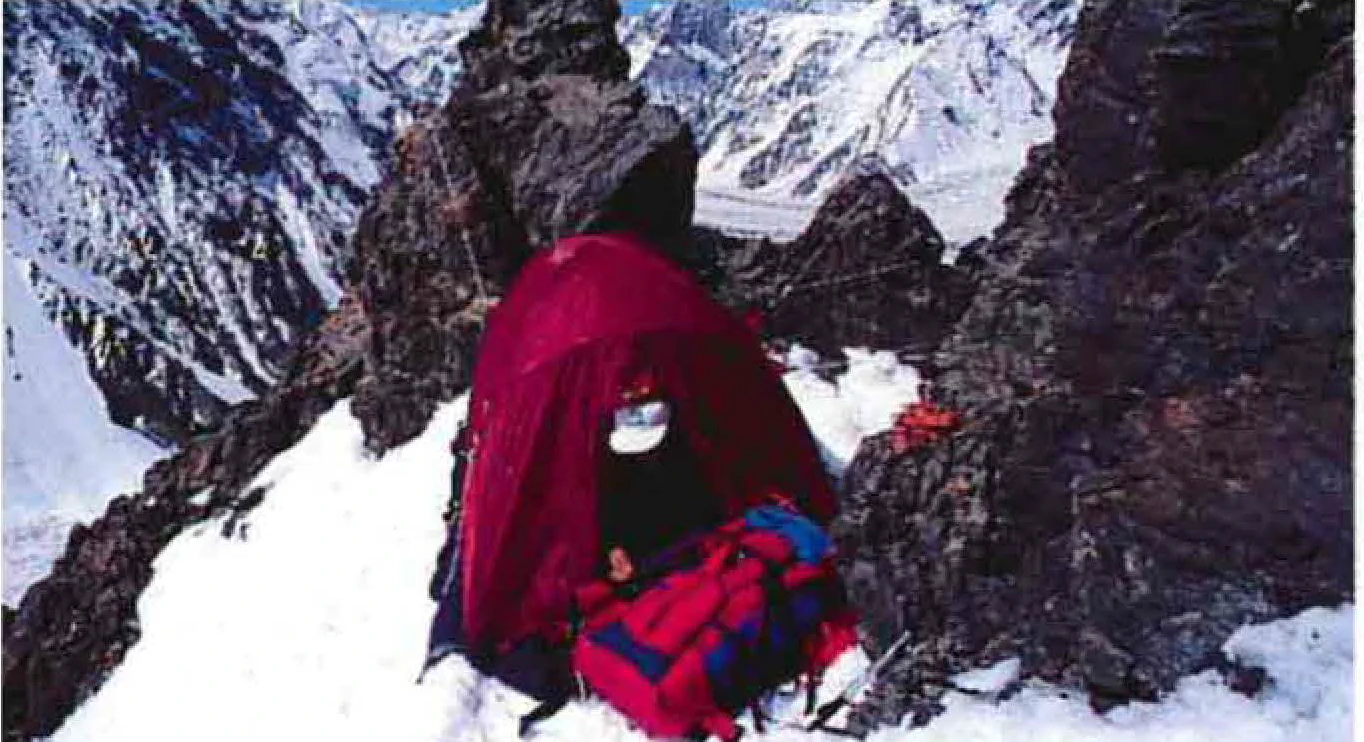
They left the Quasar at Camp 2 at 6,170 metres, hoping to return for a third attempt. This was not to be. The weather never recovered and so the Quasar is still sitting there, probably under a dome of snow, and yet its structure is so robust that I shouldn’t be surprised if it isn’t still intact for years to come, to offer some other party its shelter.
-
SALE FEATURED


Limited Edition Quasar Tent & Bundle
-
FEATURED
Murlan Elite 2 Tent
-
Expedition Quasar Tent
£1,100.00 Add to Pack This product has multiple variants. The options may be chosen on the product page -
Quasar Tent
-
Expedition Hyperspace Tent
£1,450.00 Add to Pack This product has multiple variants. The options may be chosen on the product page -
Expedition Terra Firma Tent
£1,800.00 Add to Pack This product has multiple variants. The options may be chosen on the product page -
Outlet – Expedition Terra Firma Tent – Grade A
-
Expedition Cosmos Tent
£5,600.00 Add to Pack This product has multiple variants. The options may be chosen on the product page -
Outlet – Murlan Elite 2 Tent – Grade B
-
SOLD OUT
Expedition Super Quasar Tent
£1,200.00 Add to Pack This product has multiple variants. The options may be chosen on the product page



Read the original article from our 1999 Brochure
or the BBC report on the expedition
Planning Something Ambitious?
Our archive of expeditions isn't marketing; it's a record of what our tents, shelters, and apparel have actually survived, written by the people who were there. From first ascents in the Karakoram to four months on Ellesmere Island. But our history isn’t just about where we’ve been; it’s about where we’re going next.
We support a small number of genuine, objective-led expeditions every year. If you’re putting together a capable team with a clear plan and a story to tell, we’d love to hear about it.