
Kayaking Greenland’s Sermilik Fjord
In the Spring of 2026, long time Terra Nova Explorer Nigel Vardy returned to Greenland for his seventh time, but in a slightly different format than usual: Sea Kayaking.
From ancient burial sites to coming in (extremely) close contact with Humpbacks, Greenland never fails to surprise and amaze.
We caught up with Nigel after his expedition, not only to see how he got on with the Southern Cross 2 in Greenland’s harsh conditions, but to hear the stories from the field.
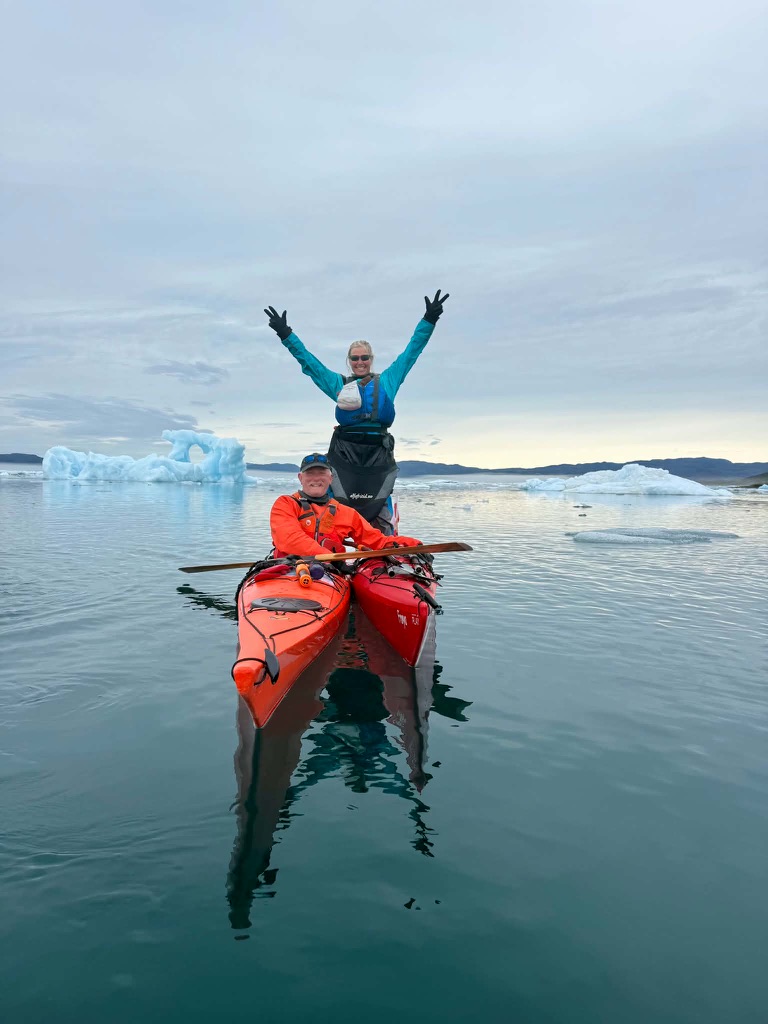
What was the mission for this Expedition to Greenland?
I’ve climbed and ski toured on the island, but this trip was to sea kayak around Sermilik Fjord near Narsaq.
Its an area I know well and my mission was to help others develop as kayakers, adventurers and travellers. I enjoy putting my 30+ years of expedition experience into helping others.
Many people go to Greenland to watch Whales. We almost got wiped out by a Humpback at one point, but there was no real danger.
The whale knew we were there and were not a threat, but it did get a little too close for comfort at one point. It stood on its tail less than 10m from our lead kayak!
Respecting the history & people of the land
The Inuit have lived here for thousands of years and the remains of their ancient settlements can still be found across the fjords edge. Rings of rocks and turfs mark a house footing, which would once have been arched with whale bone ribs and covered with skins.
The Inuit are traditionally hunter gatherers, and they used every part of the animals they caught.
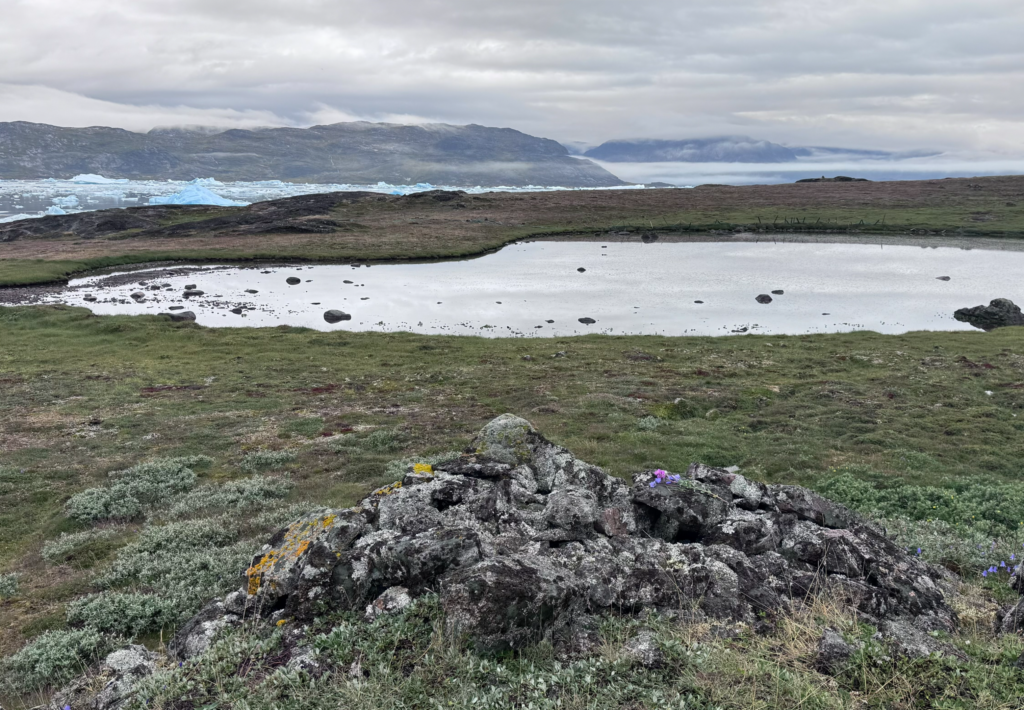
You will also find graves close to the settlements. Usually they are a pile of well laid rocks, almost like a cairn, and still hold the remains of the dead. Don’t be surprised to see a bone or skull still entombed. We were very careful not to camp too close to the settlements, and certainly not near the graves as a mark of respect.
It was a big trip with 18 people in total. I usually prefer much smaller groups, but the opportunity arose for this trip so I took it. It was a mixed group of UK and Norwegian paddlers, and for once on a trip the ladies outnumbered the men.
Expeditions: Not going to plan is the plan
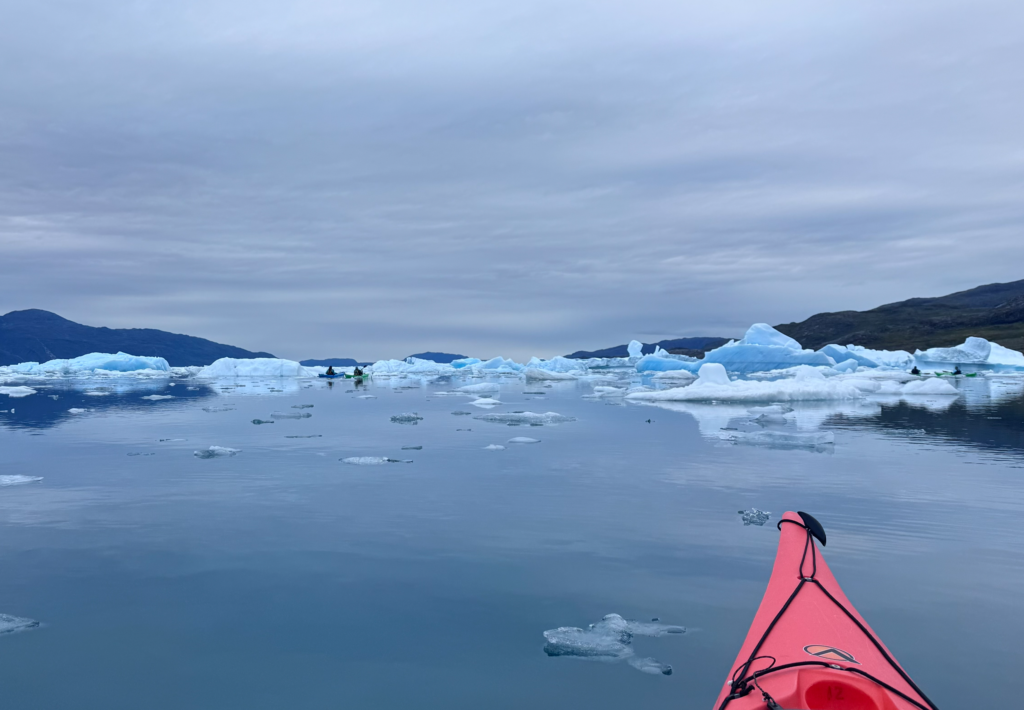
The weather is always in charge when it comes to adventure. We encountered seas overladen with ice, high winds and driving rain.
Welcome to expedition life! Due to the overburdening amounts of ice, we couldn’t get as far as we would have liked up the fjord, but otherwise all went well. The thick cloud made some of the wider crossings exciting, and it goes to show that experience and navigation go a long way.
Reflecting back on Greenland & the importance of preservation
The Inuit are an ancient people. They lived on the ice for many thousands of years before European settlers arrived. They have their own beliefs and traditions which should be allowed to continue. They believe in Mothers of the Sea, Wolf Gods, masters of the Caribou, the underworld and evil Gods of death and destruction.
They also still hunt, but also farm and fish. Seal, whale and Polar Bear are still hunted. Though the modern world has reached out across the globe, I believe that traditional ways of life should be preserved. To some, they may seem strange or even distasteful, but we cannot go around the globe sanitising it for our own tastes.
More snapshots from the field
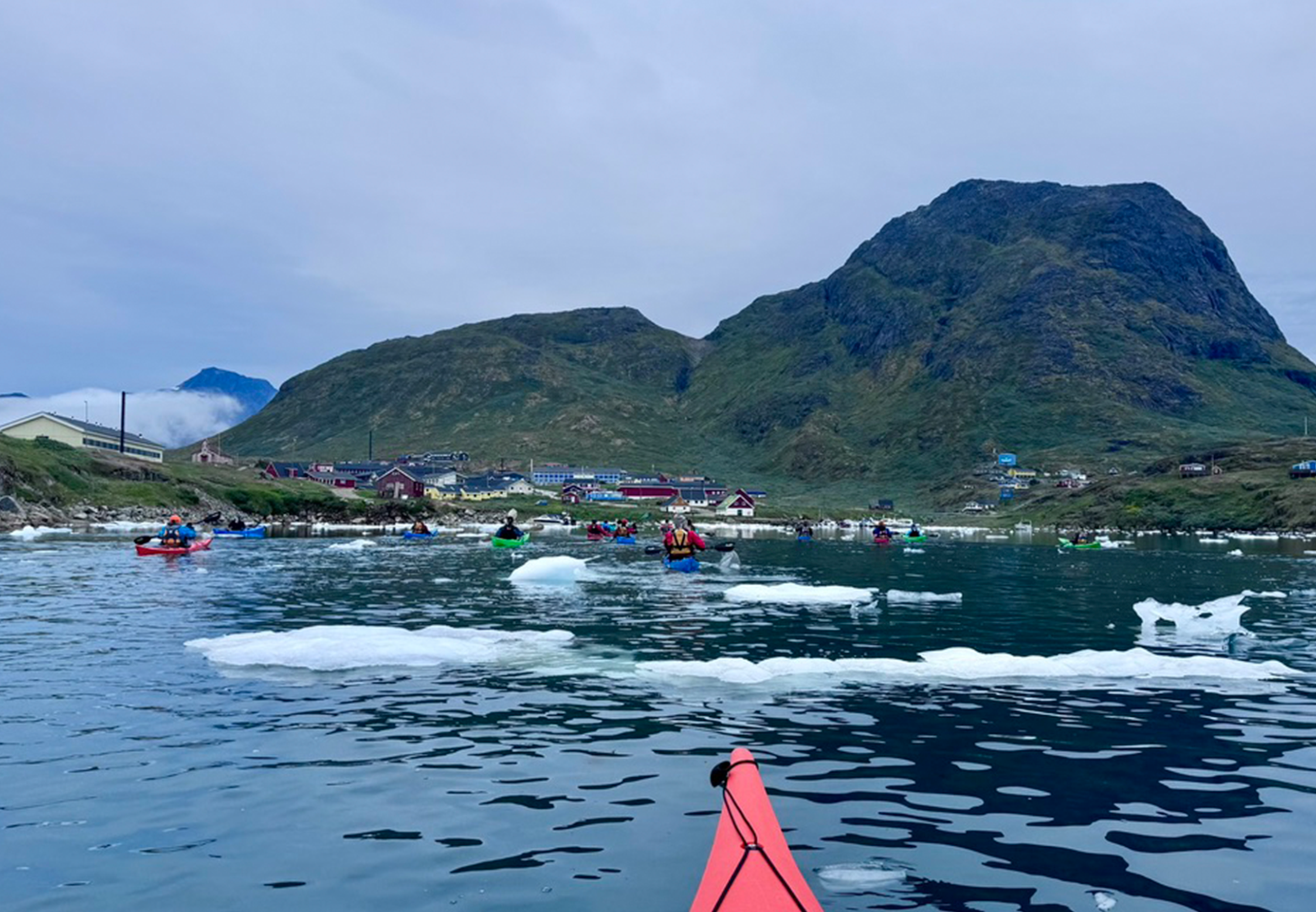
The view paddling back to Narsaq with the expedition group
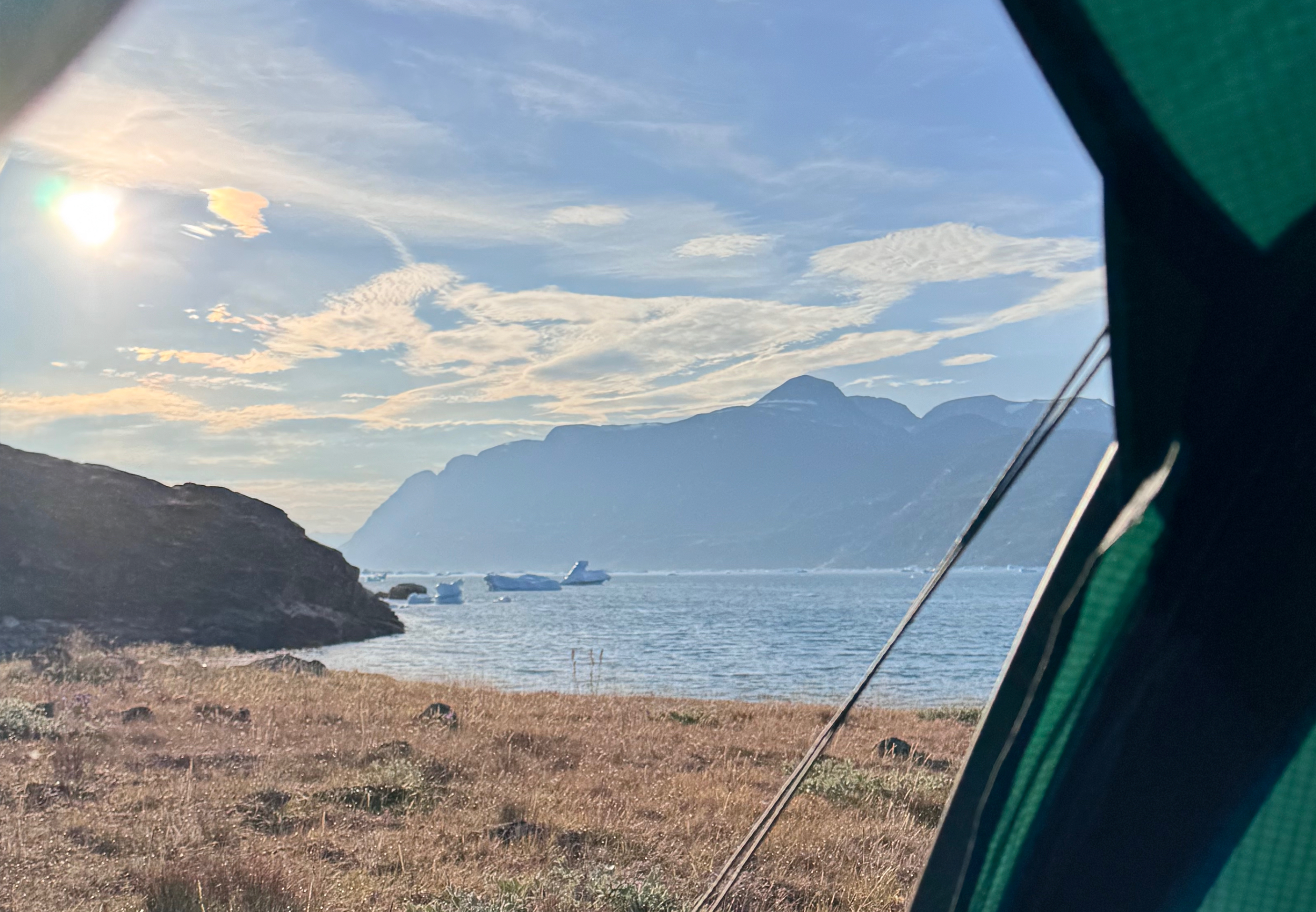
A morning view that few could complain about
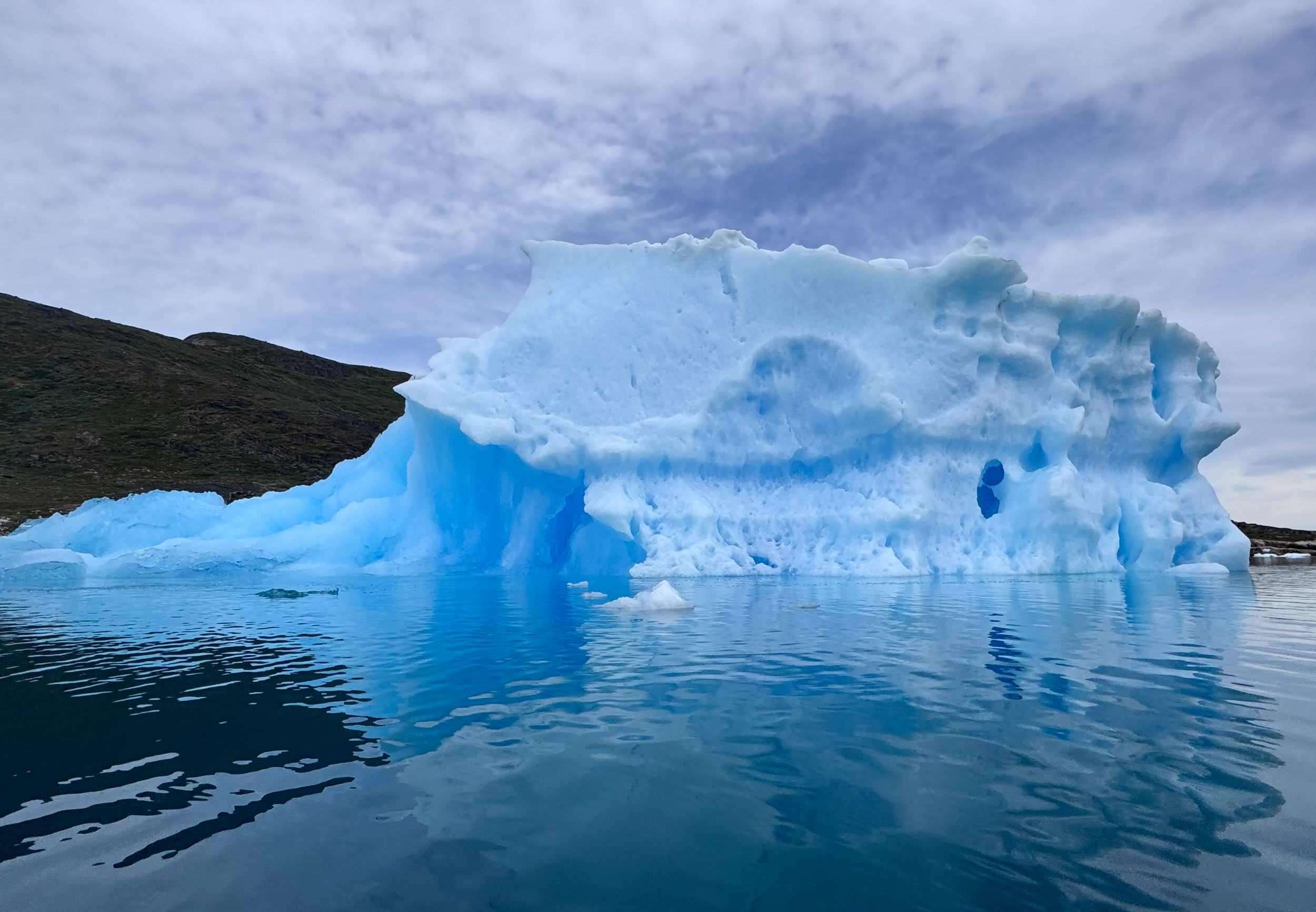
Just one of the massive icebergs we paddled among
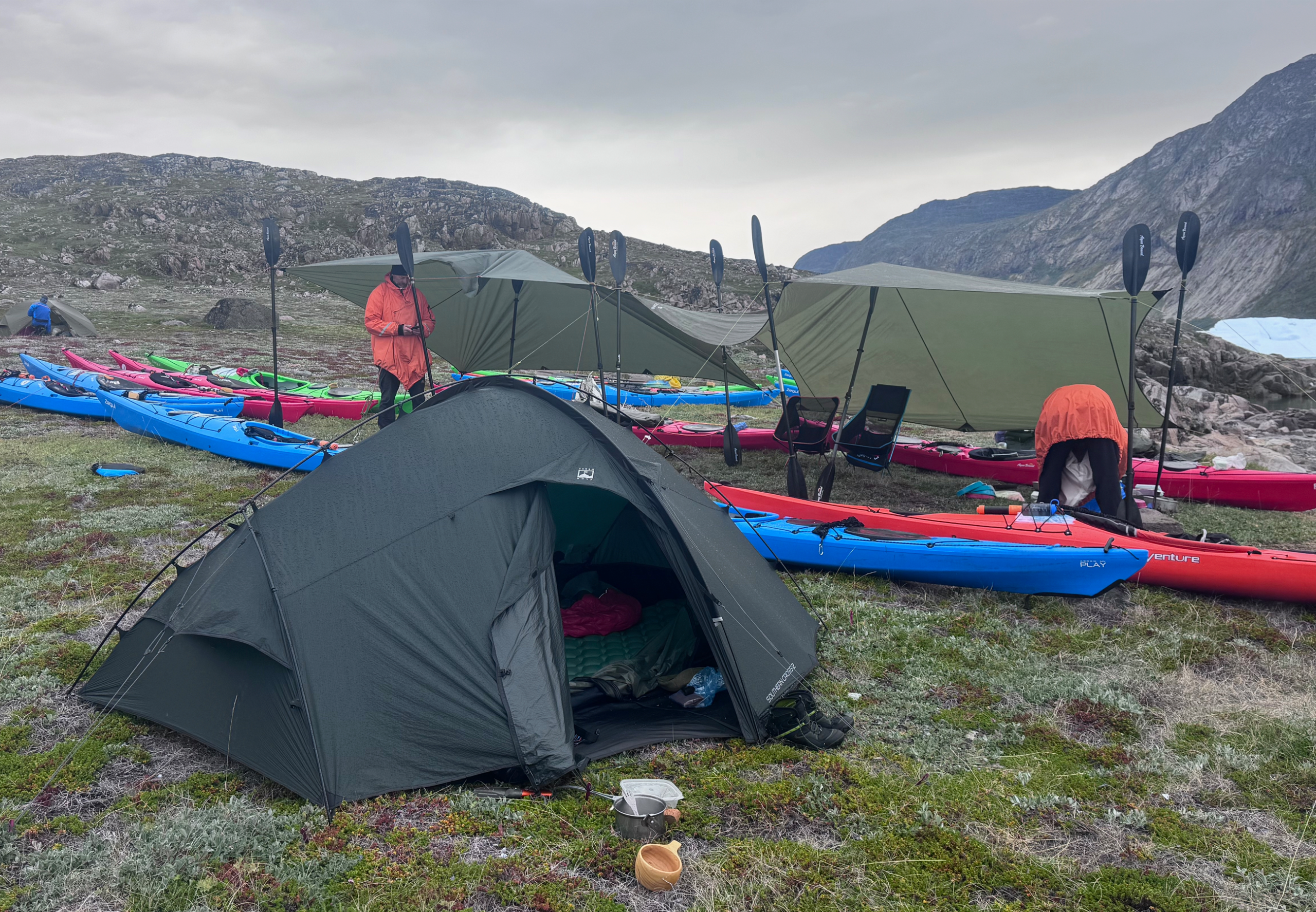
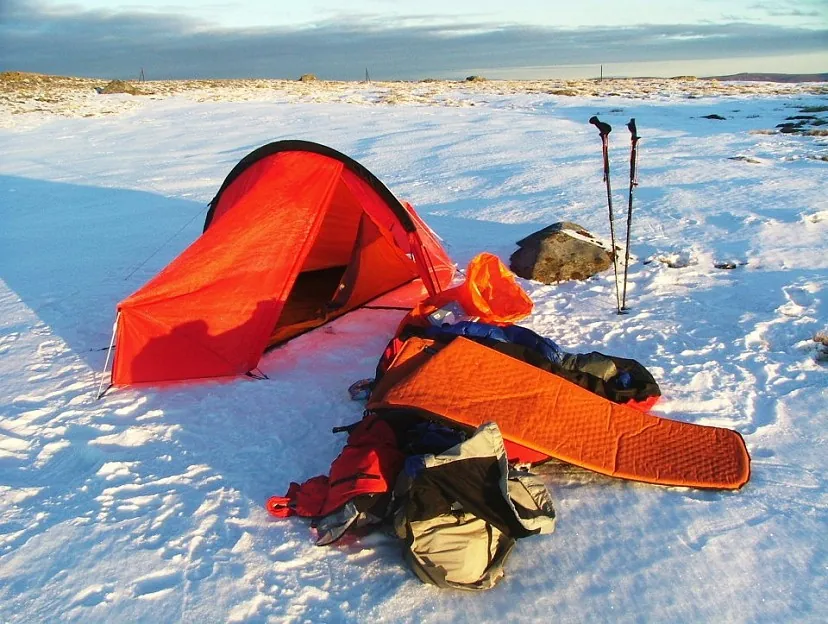
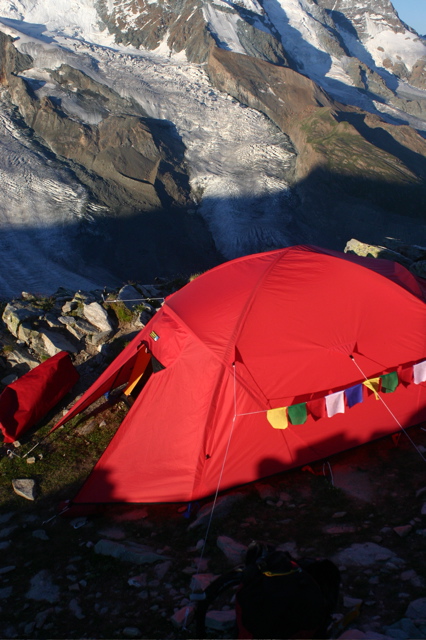
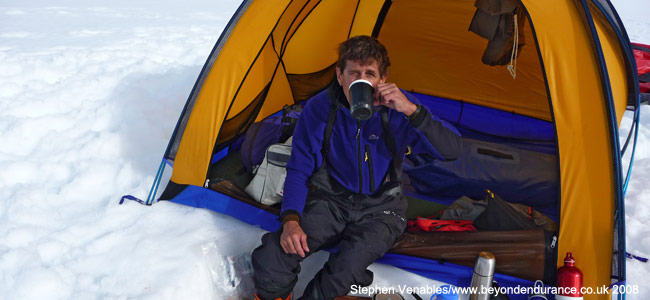
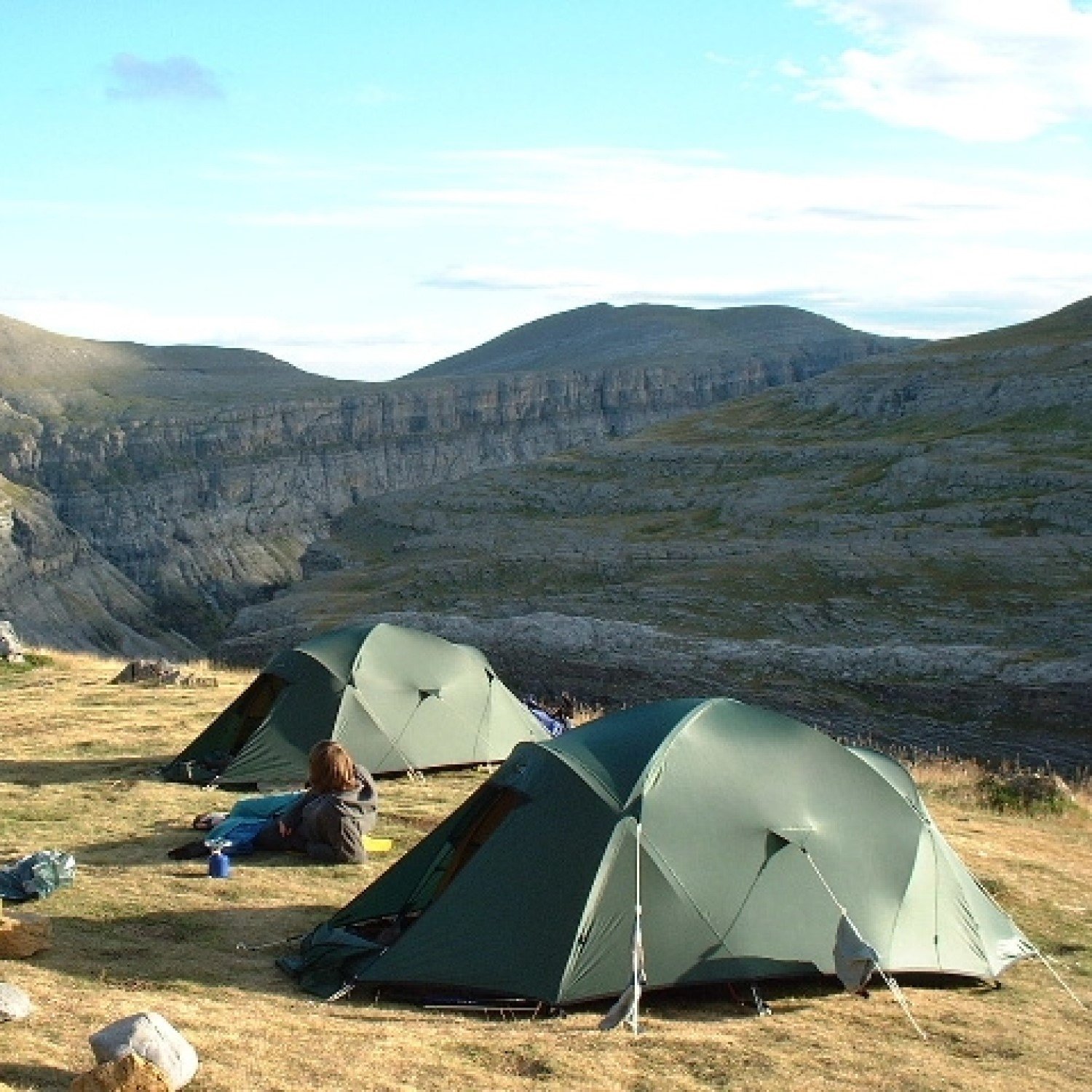
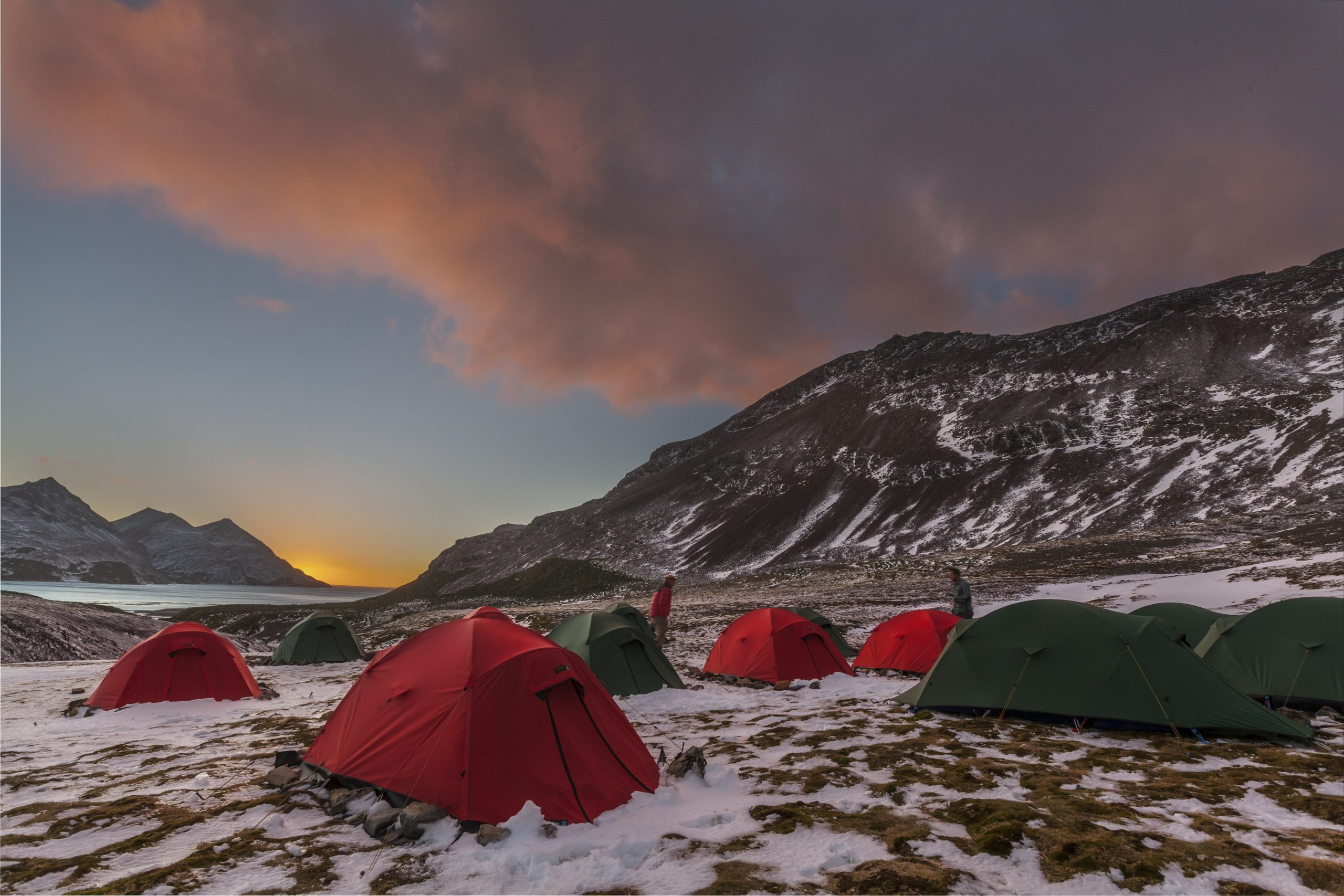
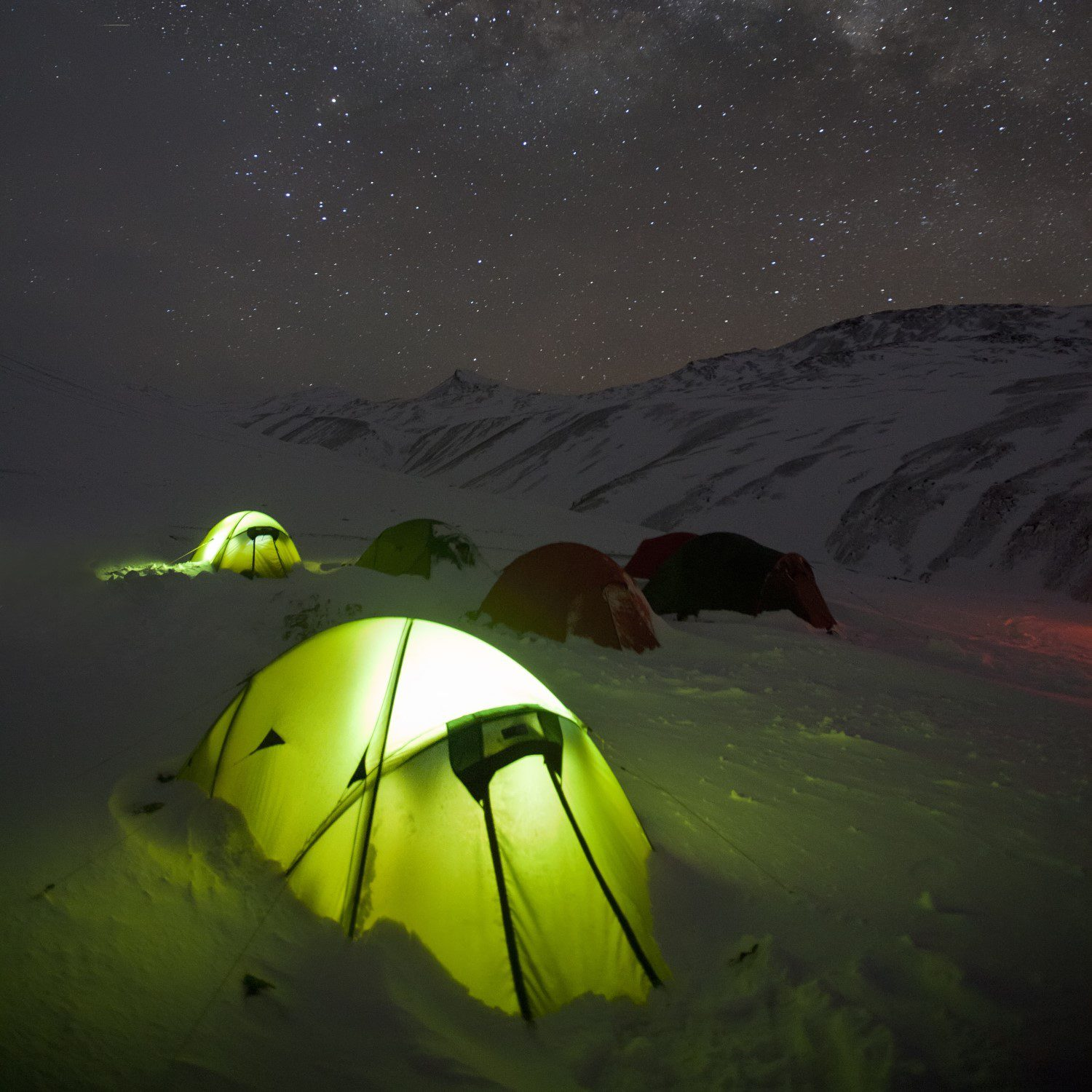
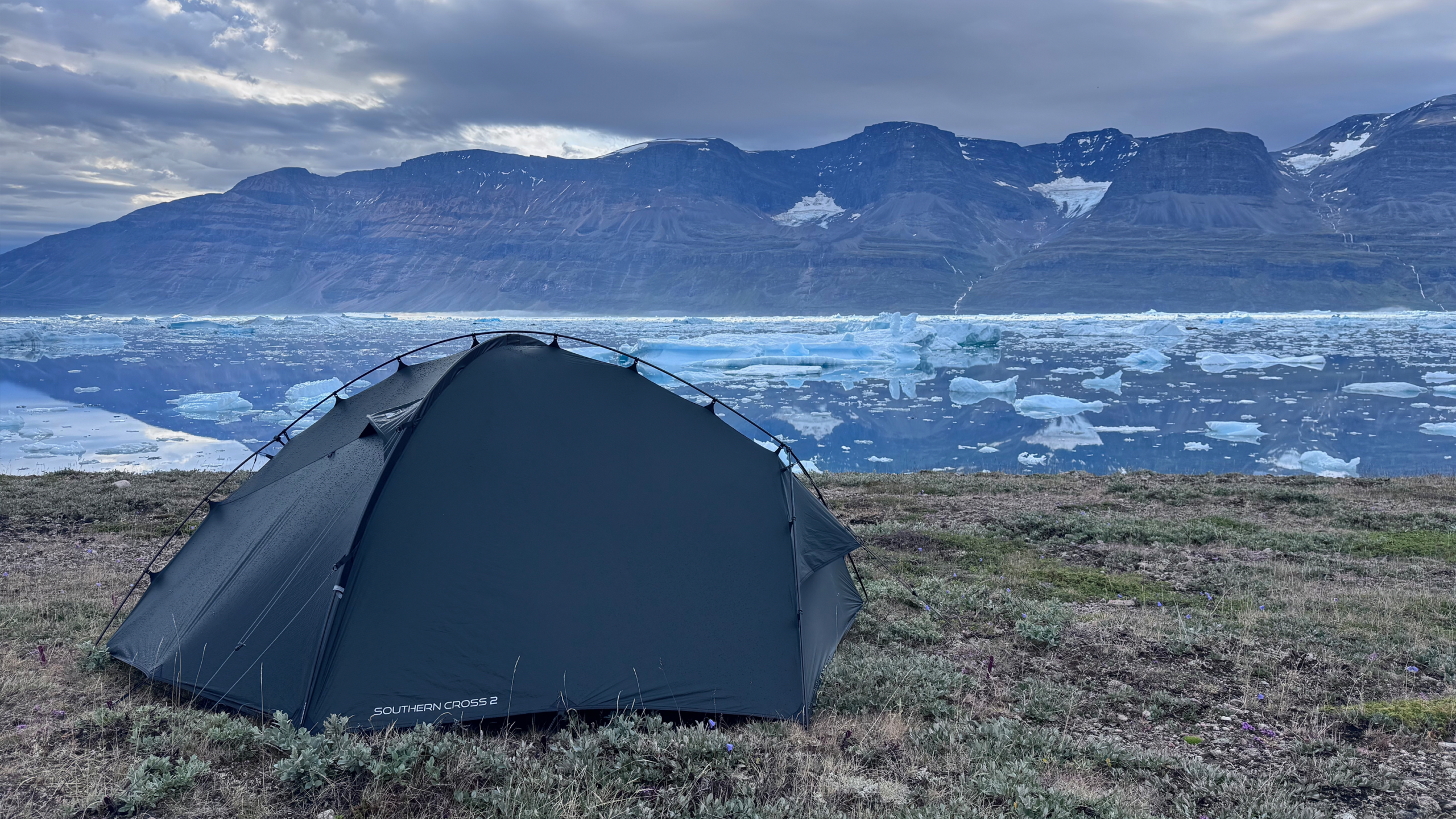
Home sweet home with the Southern Cross 2
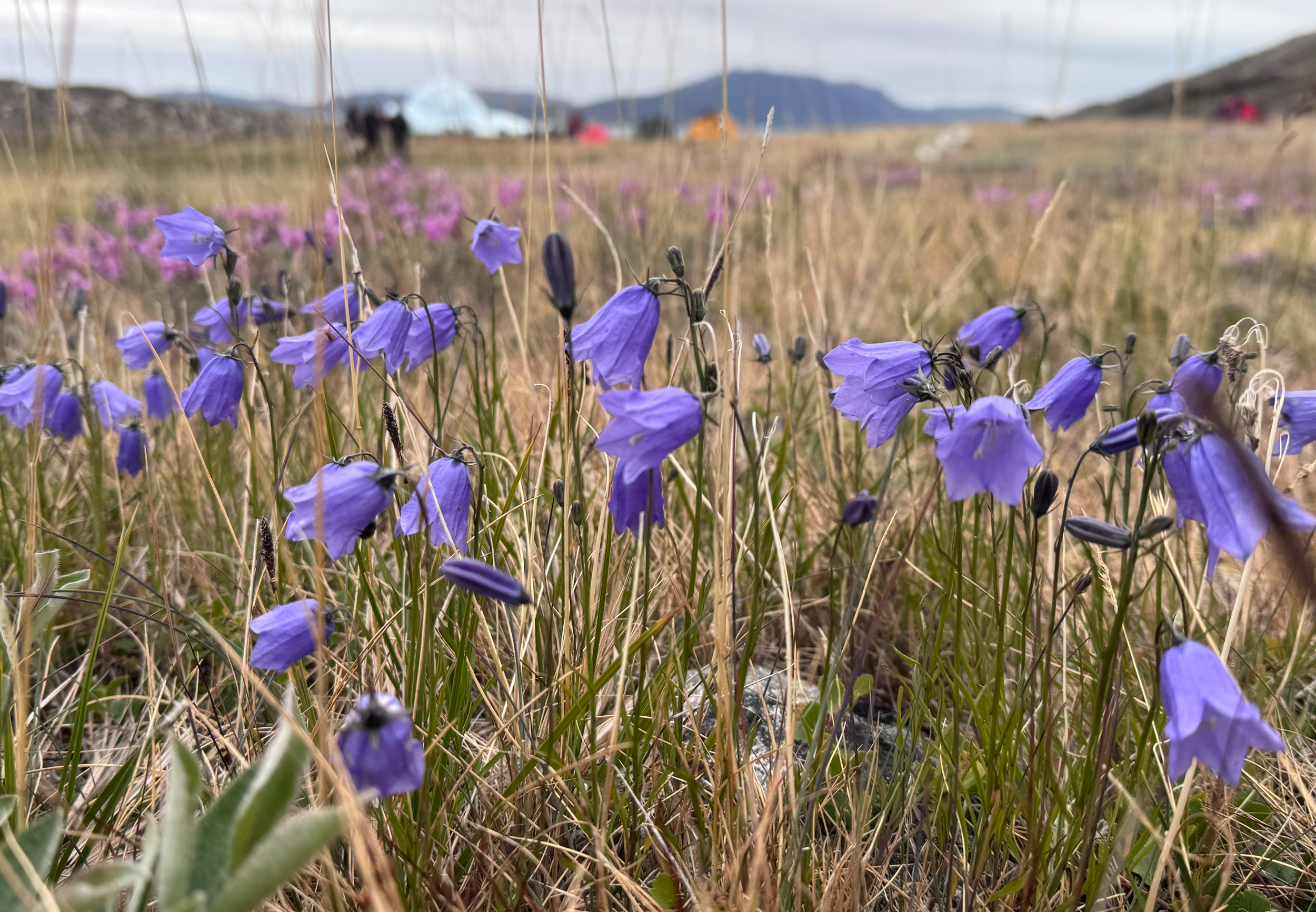
Even in the harsh conditions of Greenland, bluebells still bloom
Planning Something Ambitious?
Our archive of expeditions isn't marketing; it's a record of what our tents, shelters, and apparel have actually survived, written by the people who were there. From first ascents in the Karakoram to four months on Ellesmere Island. But our history isn’t just about where we’ve been; it’s about where we’re going next.
We support a small number of genuine, objective-led expeditions every year. If you’re putting together a capable team with a clear plan and a story to tell, we’d love to hear about it.