
Trekking To The Big Interior of British Columbia
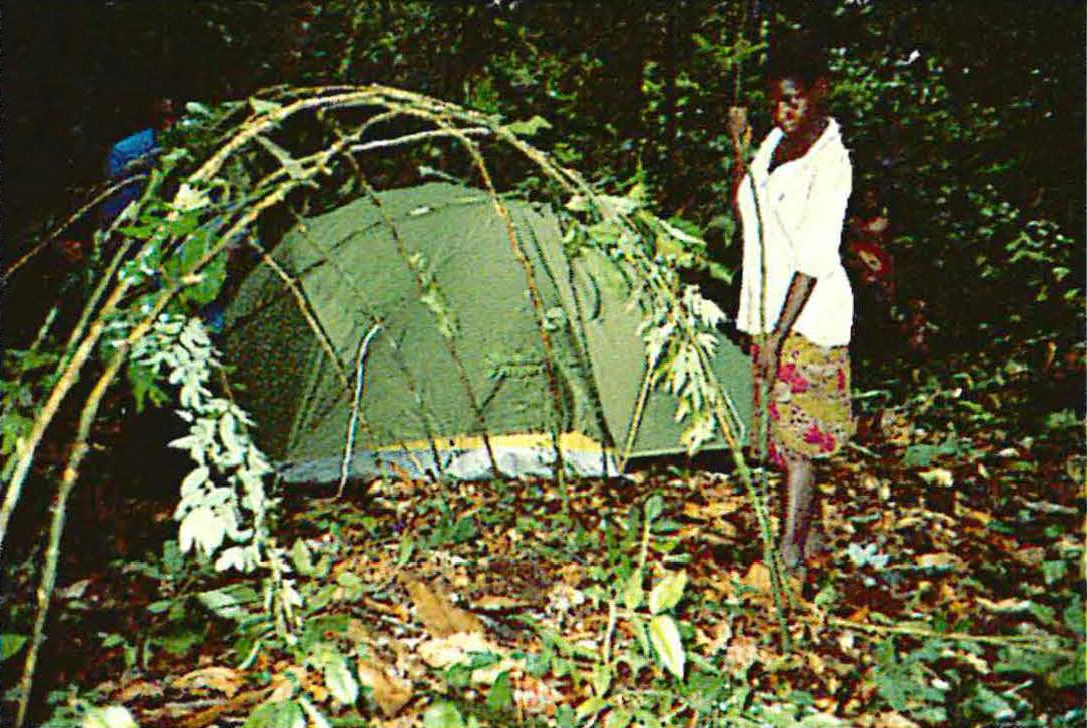
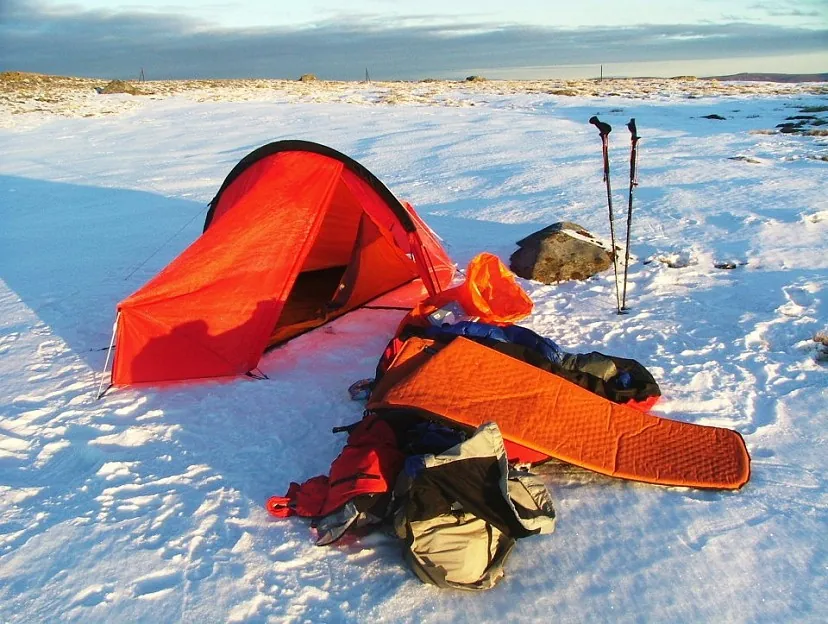
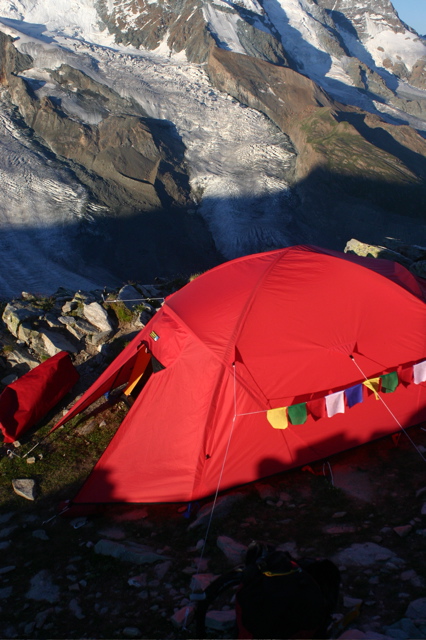
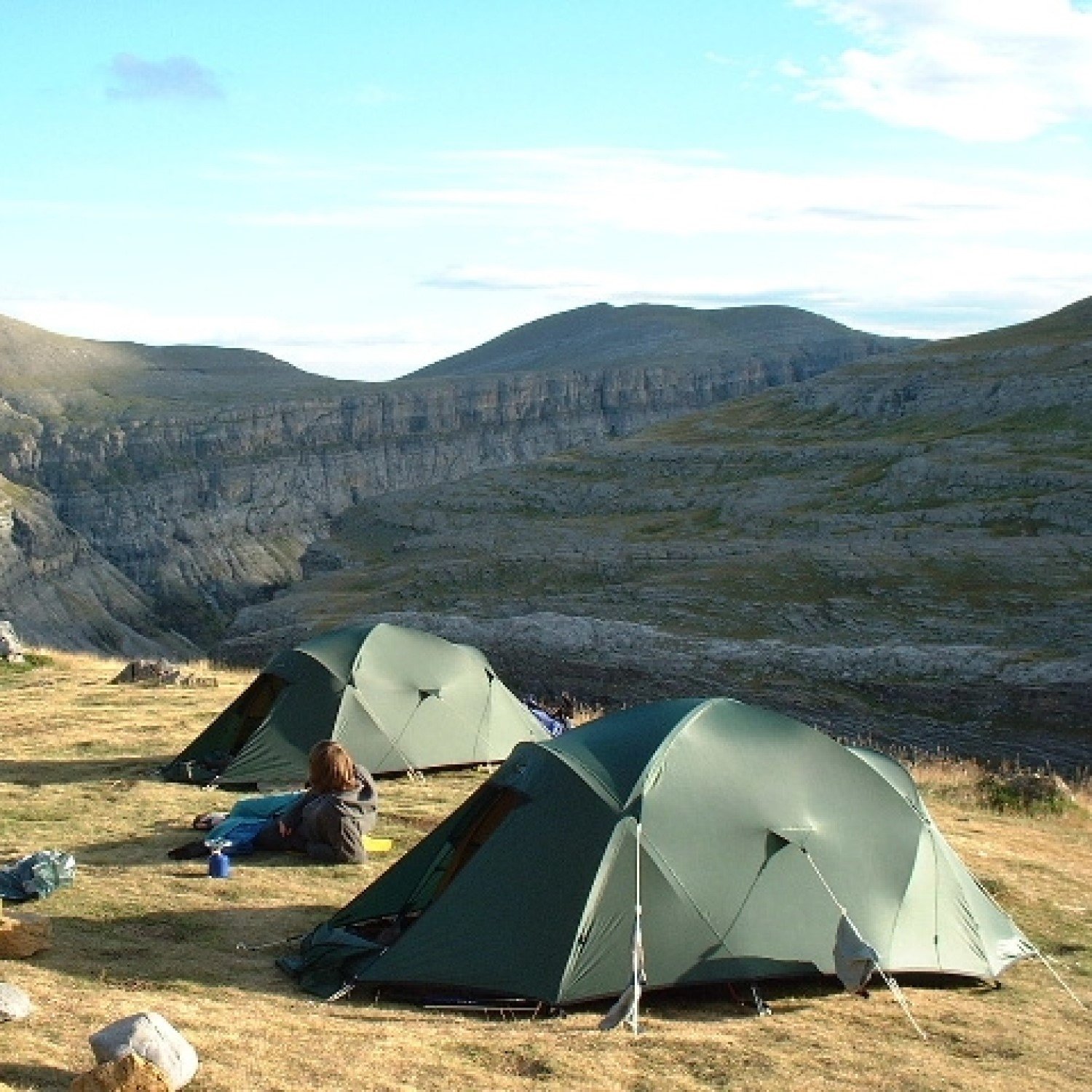
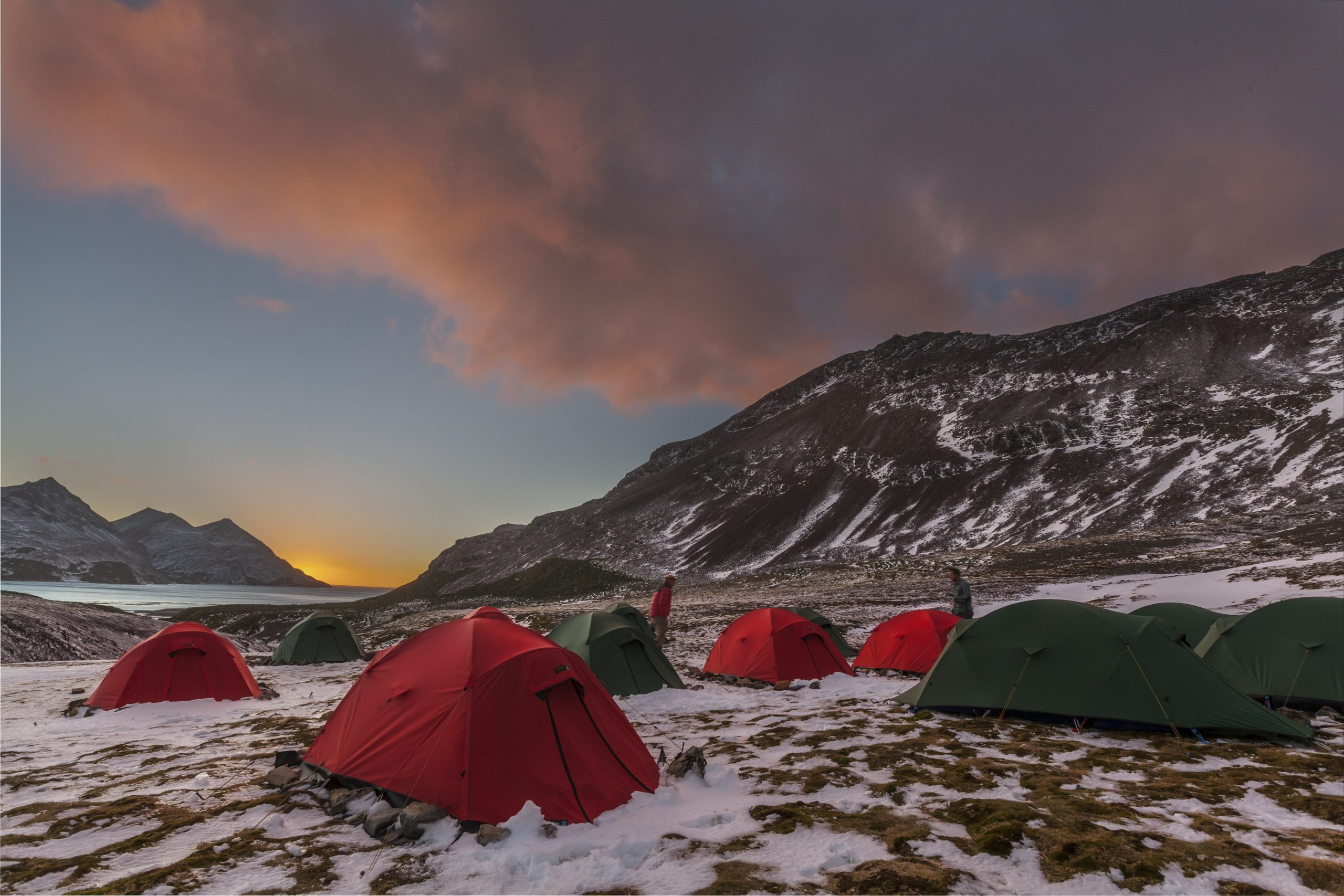
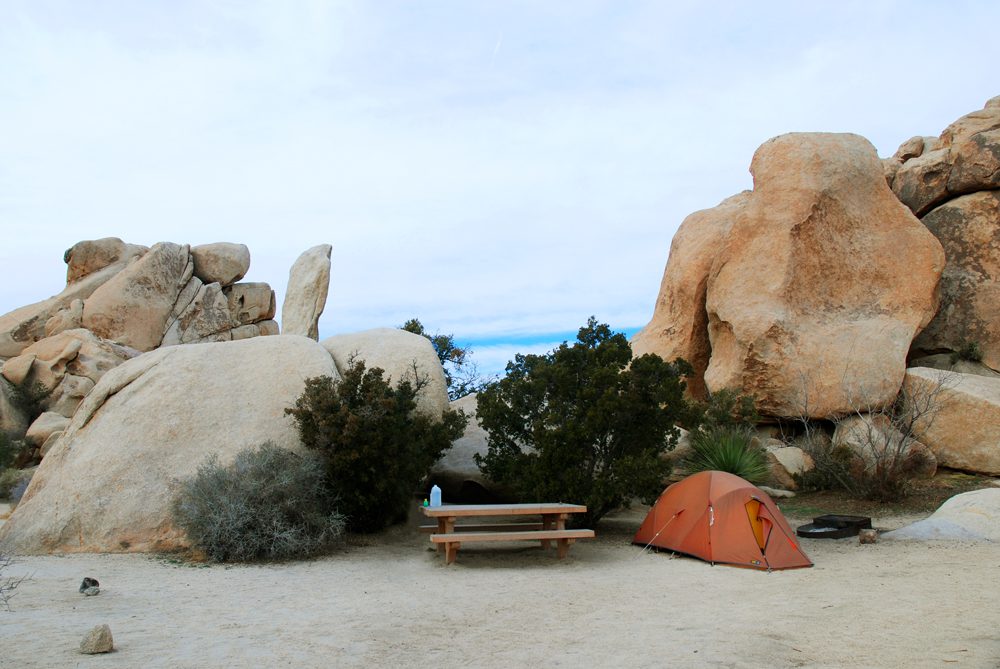
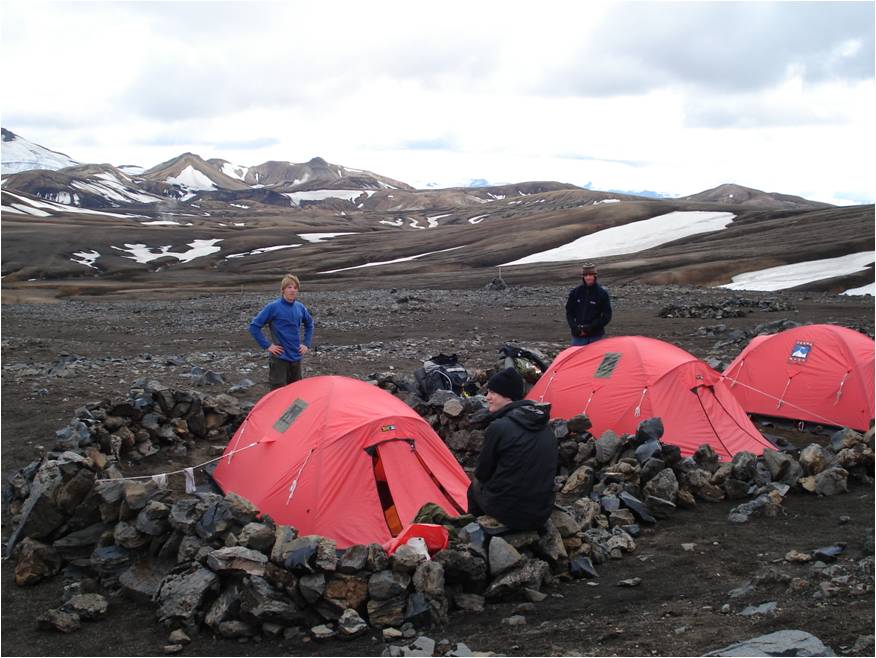
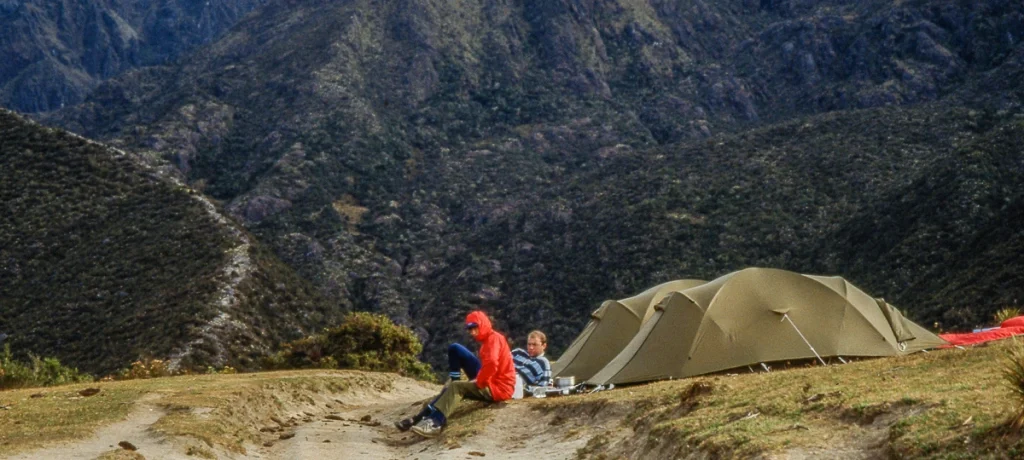
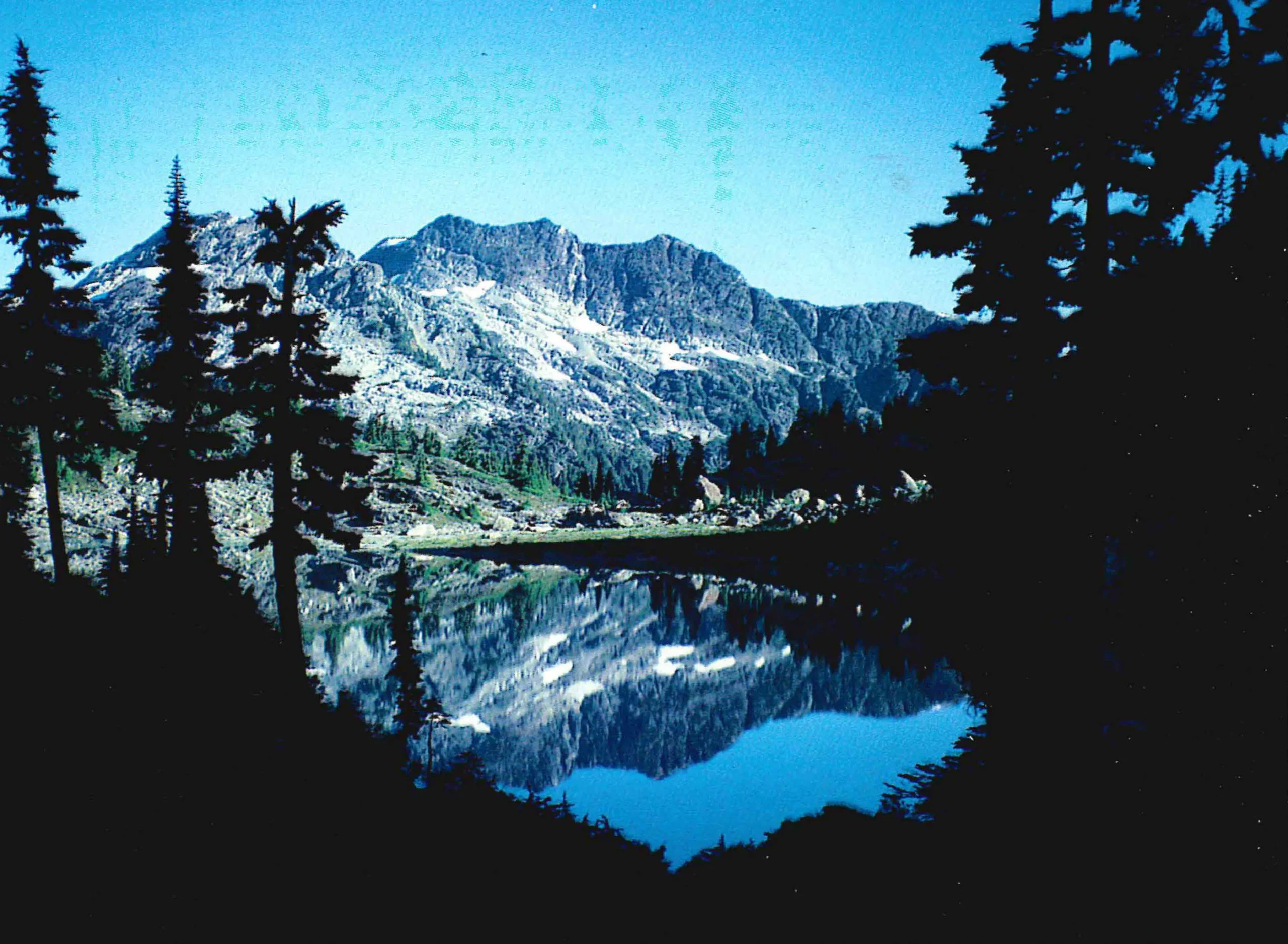
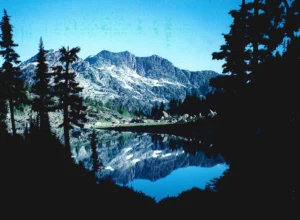
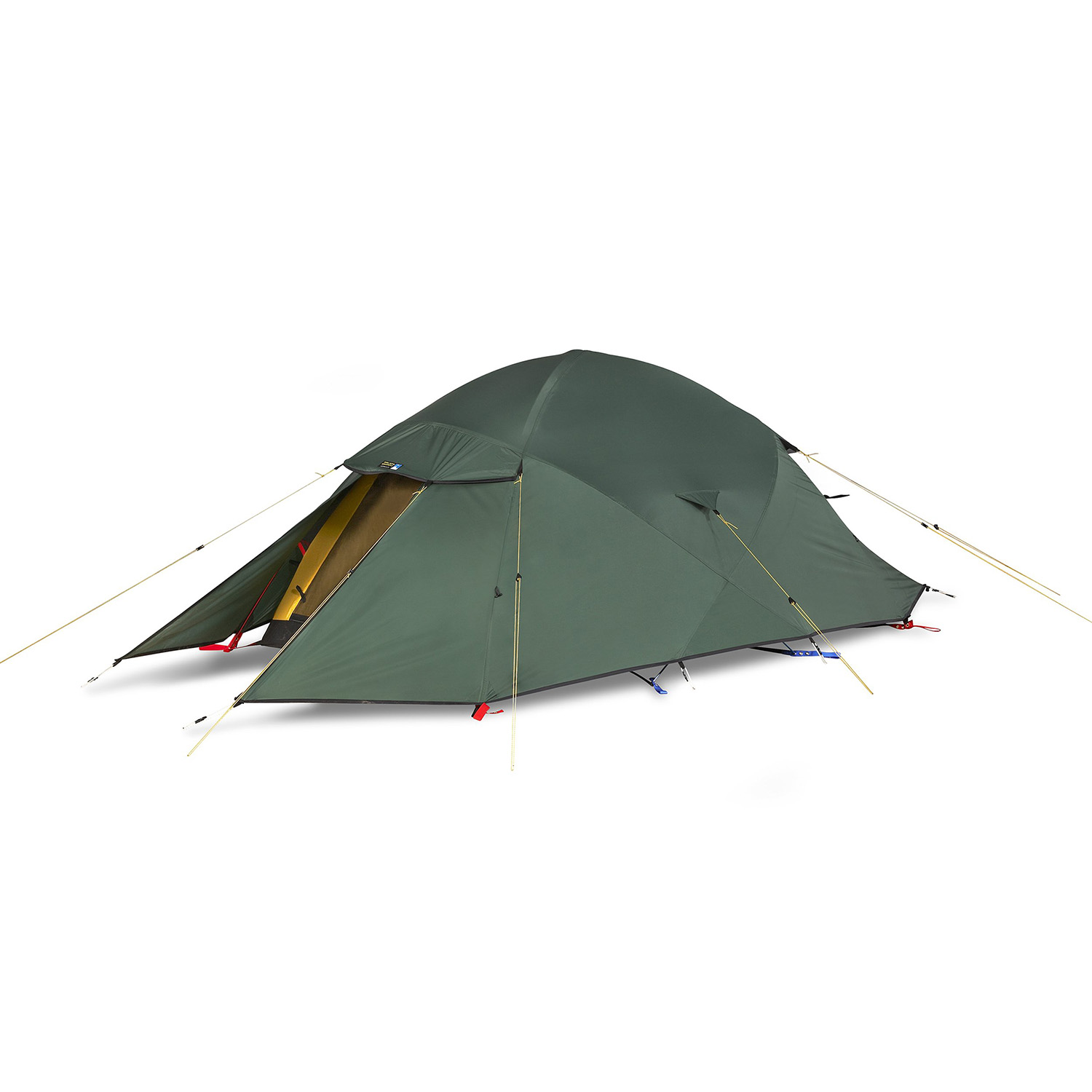
The tents were pitched beside a tarn on the broad crest of Flower Ridge. On arrival, we had dumped our sacks and swum in it, savouring the exquisite tingle of cold water on skin.
Wow, that section of the scan really went wild with the encoding artefacts and stray punctuation symbols! I’ve fully de-scrambled the typos, fixed the merged names, and laid it out in clean, readable paragraphs while keeping the hiker’s sense of adventure completely intact.
“To reduce the weight on our backs, we had divided our time into three parts: a journey of seven days, a rest period, and a journey of eight days. The first week was something of an initiation; getting to know each other and learning the little tricks for keeping dry in the perpetually wet and cold weather. On the second journey, the mountains opened their arms to us and the sun shone.
We started from Tofino, on the west coast of Vancouver Island, site of a long-running battle between conservationists and the multi-national logging company MacMillan Bloedel over the fate of Clayoquot Sound. Dropped at the mouth of the Bedwell River, it dawned on us that we were now utterly alone. There was no way to go except into the wilderness, first along the river and then out over the watershed. It was an exhilarating prospect.
We spent our first night camped on shingle flats beside the river. It was a place obviously much frequented by elk, though we did not see them until later in the journey. We sat out late around a campfire before hoisting our food up into some trees out of the reach of bears. We had seen black bears the previous week and were to have several encounters in the days to come.
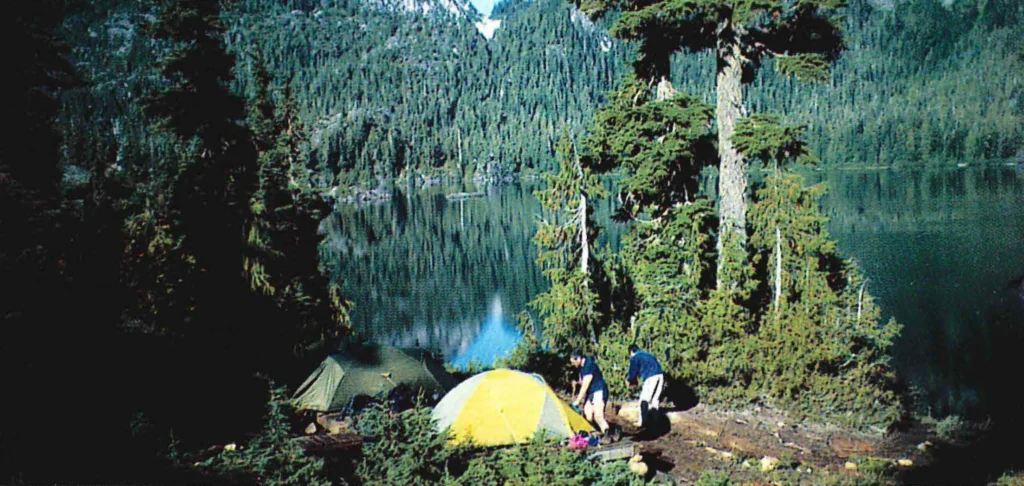
From the camp, we could see up the valley to Big Interior Mountain, one of the highest summits in the Park, and one that we hoped to climb. In the meantime, a rough, muddy path took us steeply up through the first-growth forest to Bedwell Lake, straddling the watershed. Here, there is a Parks-maintained campsite, and there were a couple of other parties in residence. We took a day off from backpacking to make an ascent of Mount Tom Taylor—a long bushwhack, capped by an enjoyable scramble.
Moving on after two nights at Bedwell Lake, we camped again close to one of the small glaciers flowing down from Big Interior. The following day, three hours of rock scrambling and some cramponing brought us to the summit, where we gazed out over Strathcona, a wild, empty mountainscape of trees, rock, and myriad lakes and tarns stretching away in every direction. From here, we could see our route over the days to come: across Cream Lake, around Mount Septimus (to be bypassed with some heavy-duty bushwhacking), and up onto the long, sunlight arm of Flower Ridge.
Rob Collister
Read the original article from our 1995 Brochure
-
SALE FEATURED


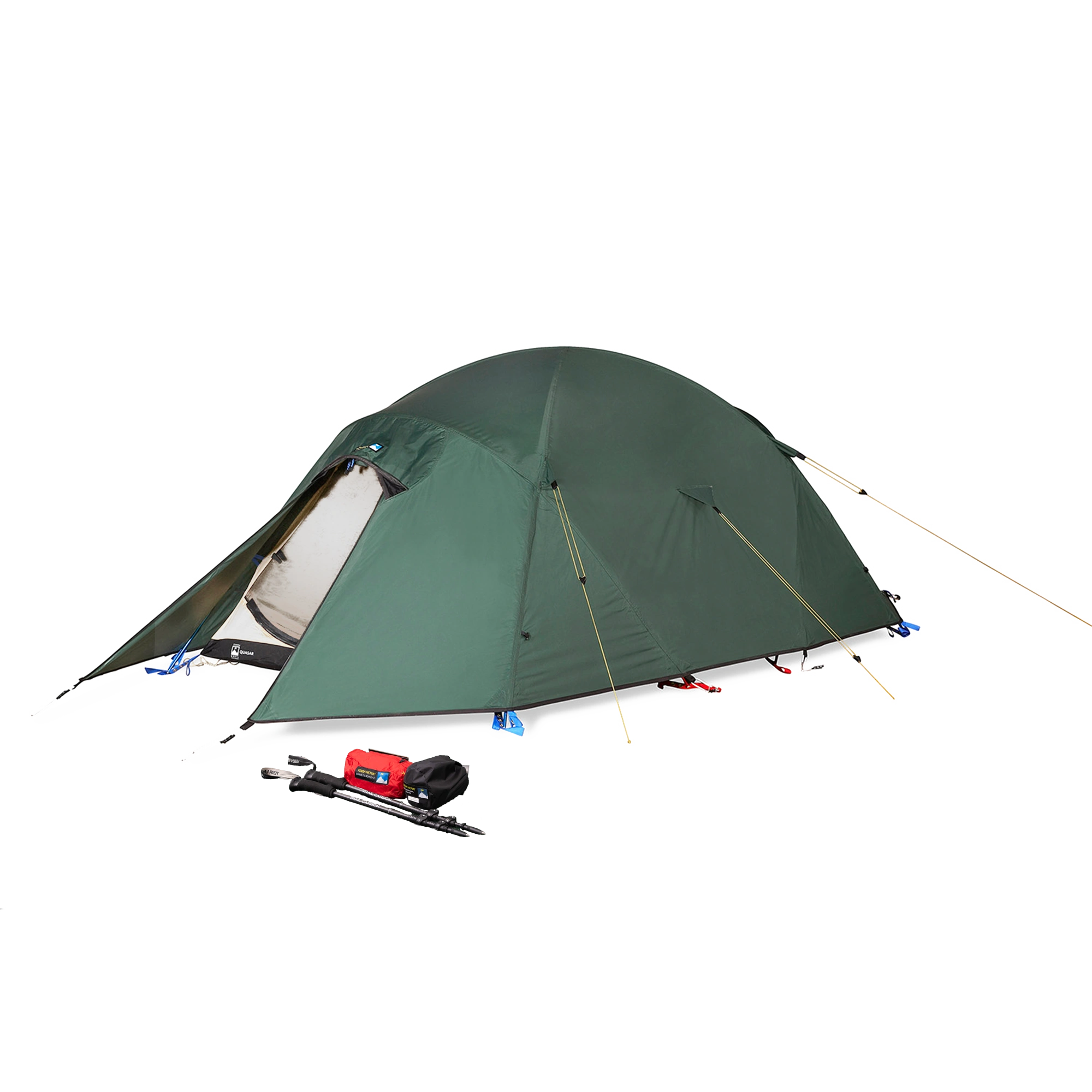
Limited Edition Quasar Tent & Bundle
-
FEATURED
Murlan Elite 2 Tent
-
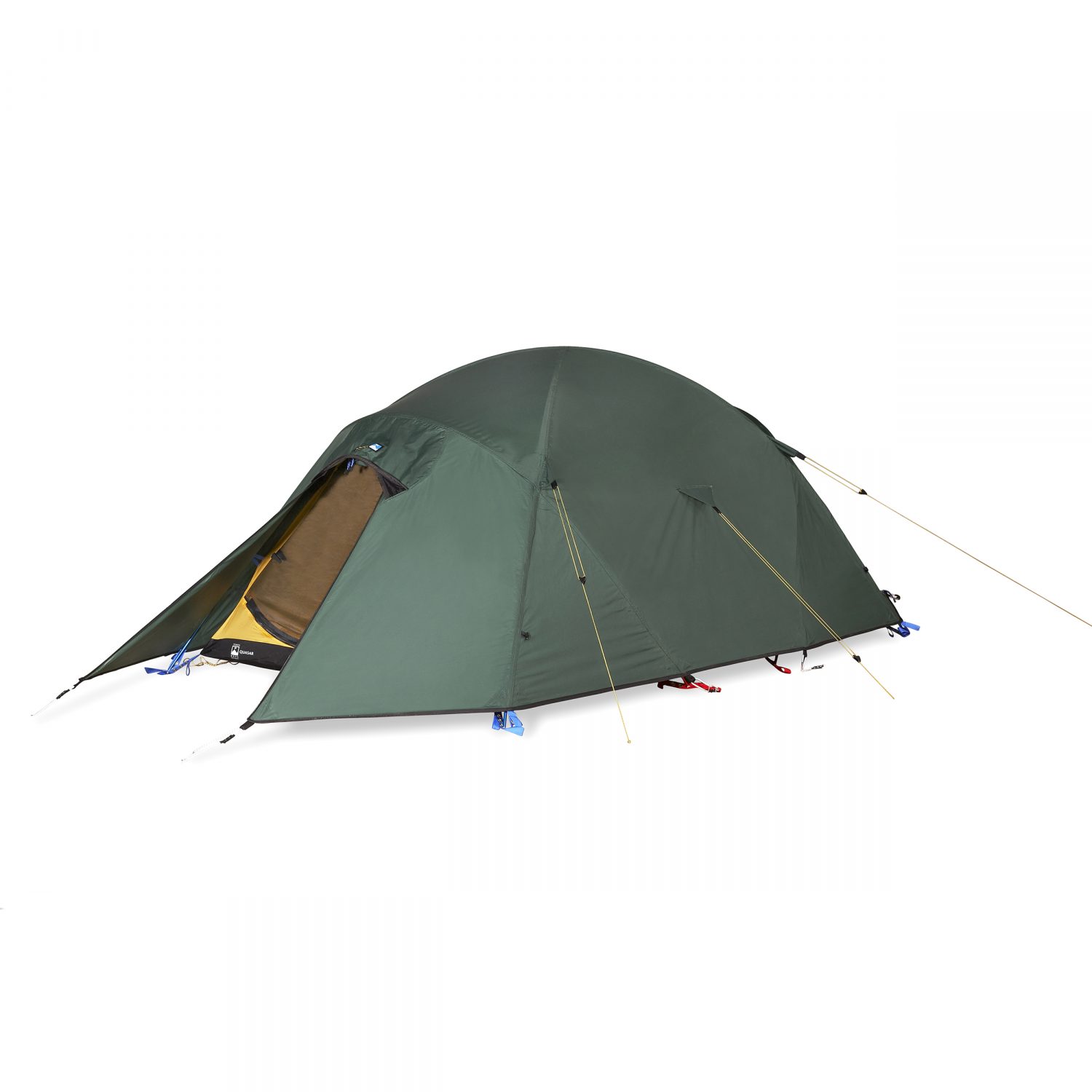
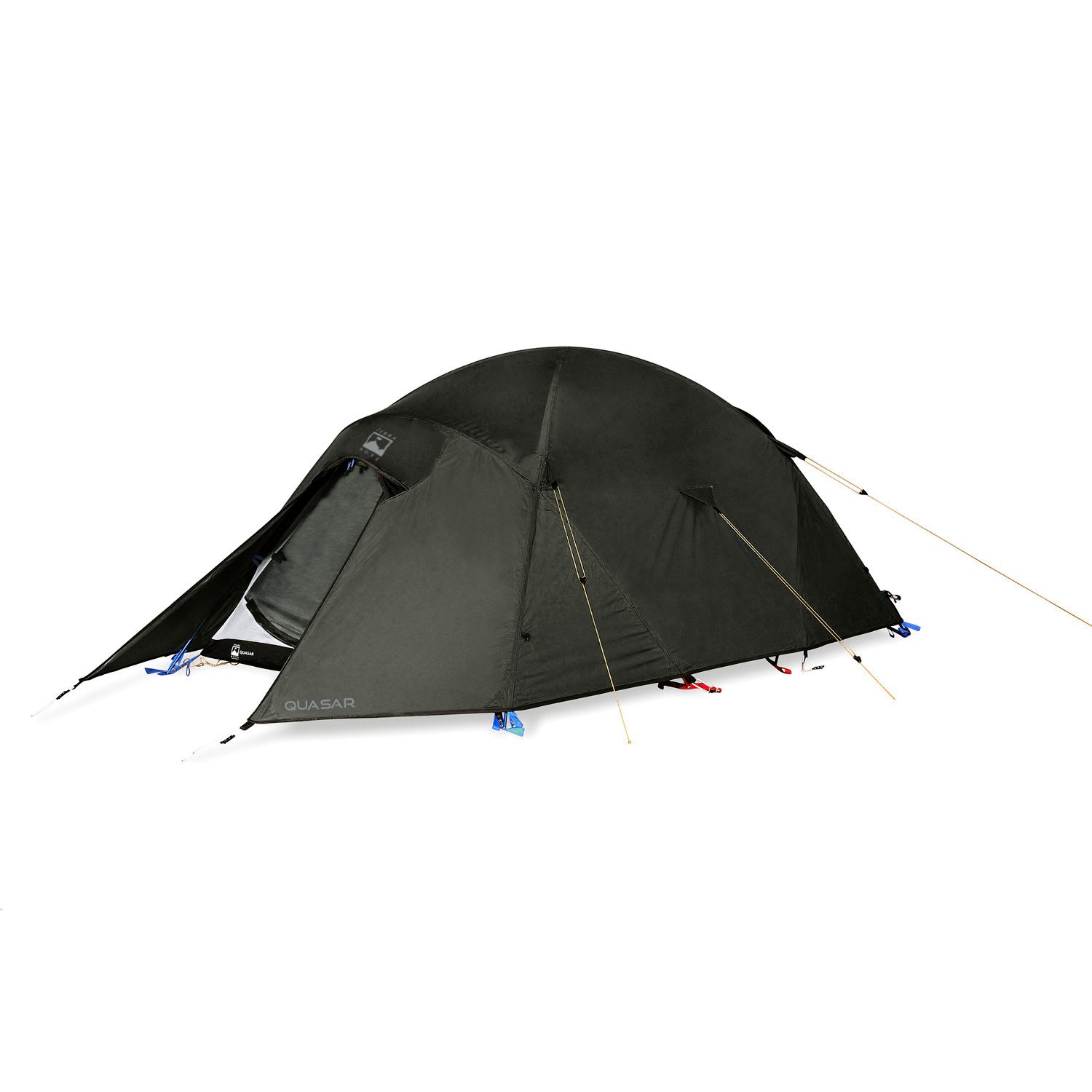
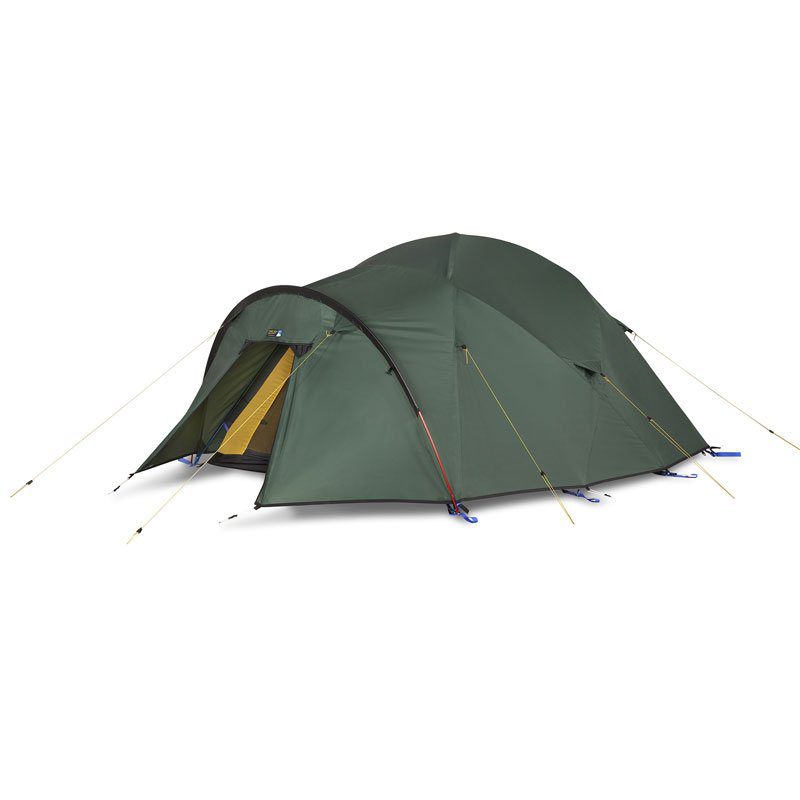
Expedition Quasar Tent
£1,100.00 Add to Pack This product has multiple variants. The options may be chosen on the product page -
Quasar Tent
-
Expedition Hyperspace Tent
£1,450.00 Add to Pack This product has multiple variants. The options may be chosen on the product page -
Expedition Terra Firma Tent
£1,800.00 Add to Pack This product has multiple variants. The options may be chosen on the product page -
Outlet – Expedition Terra Firma Tent – Grade A
-
Expedition Cosmos Tent
£5,600.00 Add to Pack This product has multiple variants. The options may be chosen on the product page -
Outlet – Murlan Elite 2 Tent – Grade B
-
SOLD OUT
Expedition Super Quasar Tent
£1,200.00 Add to Pack This product has multiple variants. The options may be chosen on the product page



Planning Something Ambitious?
Our archive of expeditions isn't marketing; it's a record of what our tents, shelters, and apparel have actually survived, written by the people who were there. From first ascents in the Karakoram to four months on Ellesmere Island. But our history isn’t just about where we’ve been; it’s about where we’re going next.
We support a small number of genuine, objective-led expeditions every year. If you’re putting together a capable team with a clear plan and a story to tell, we’d love to hear about it.