

Myths of The Ba-Benjele & Sa-Ngombe Pygmies
The remote and primordial Likouala Swamps of the Congo Basin cover an area of some 63,000 square kilometres. Home to the little-known Babinga Pygmies and a wealth of exotic fauna and flora, the difficulty of penetrating the swamps has protected the wildlife and people from mainstream twentieth-century developments.”
Here is the cleaned-up and properly formatted version of the text. I have fixed the merged words, line-break typos, and punctuation errors inherent to the narrow-column OCR, breaking it into logical paragraphs for a much better reading experience.
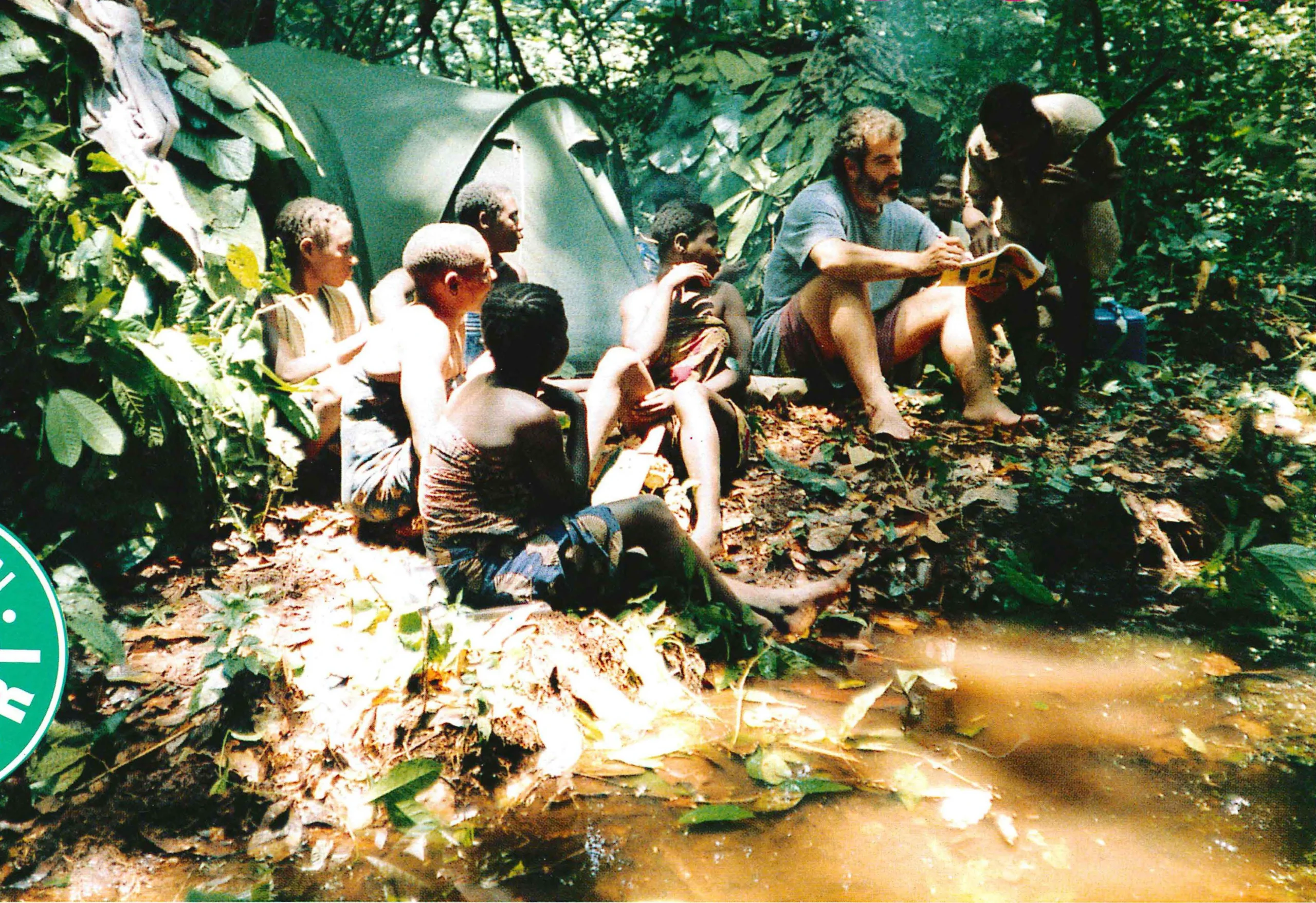
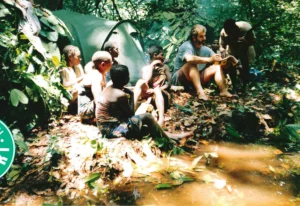
In 1991–92, and again in 1994, a group of naturalists and filmmakers went out to record the lives and myths of the Ba-Benjele and Ba-Ngombe pygmies of the Sangha region. Based in the middle of the northern Congo rainforest, the teams searched for explanations to some of the continuing myths that inform the lives of the pygmies—myths that stem from the nature of their lives interwoven, as they are, with the habitat of the rainforest.
Naturalists visiting the swamps have identified and recorded twenty-four different species of mammals, the most prevalent being primates, including a significant population of lowland gorillas. Among the large cats, the panther seems the most numerous, while four different species of crocodile have been identified.
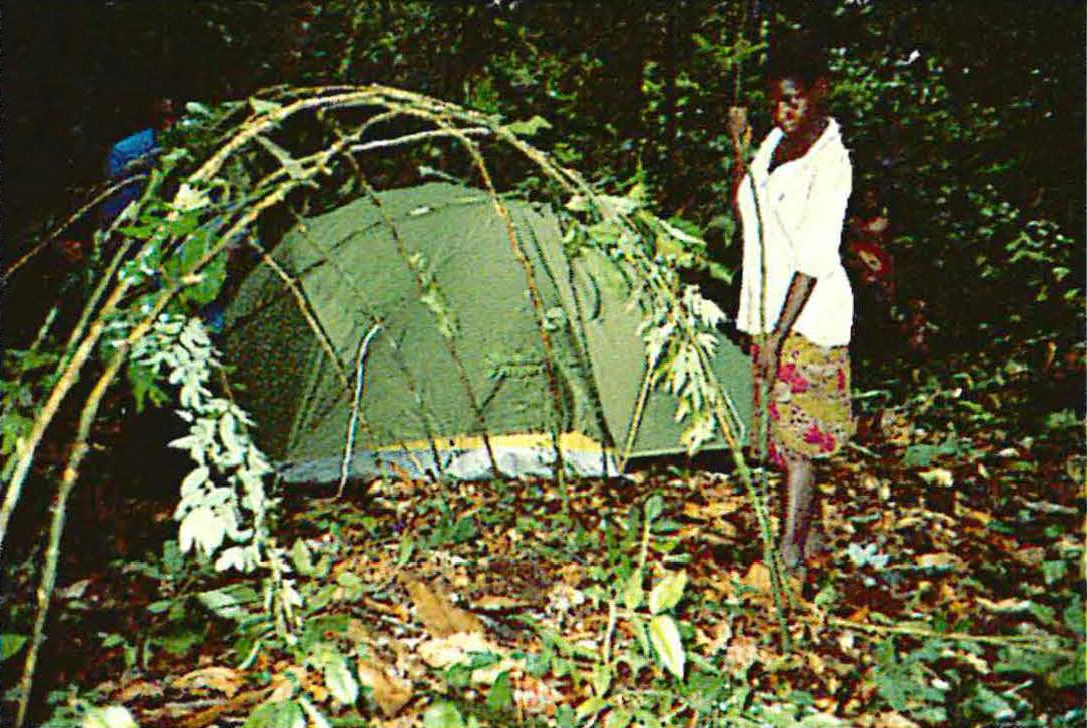
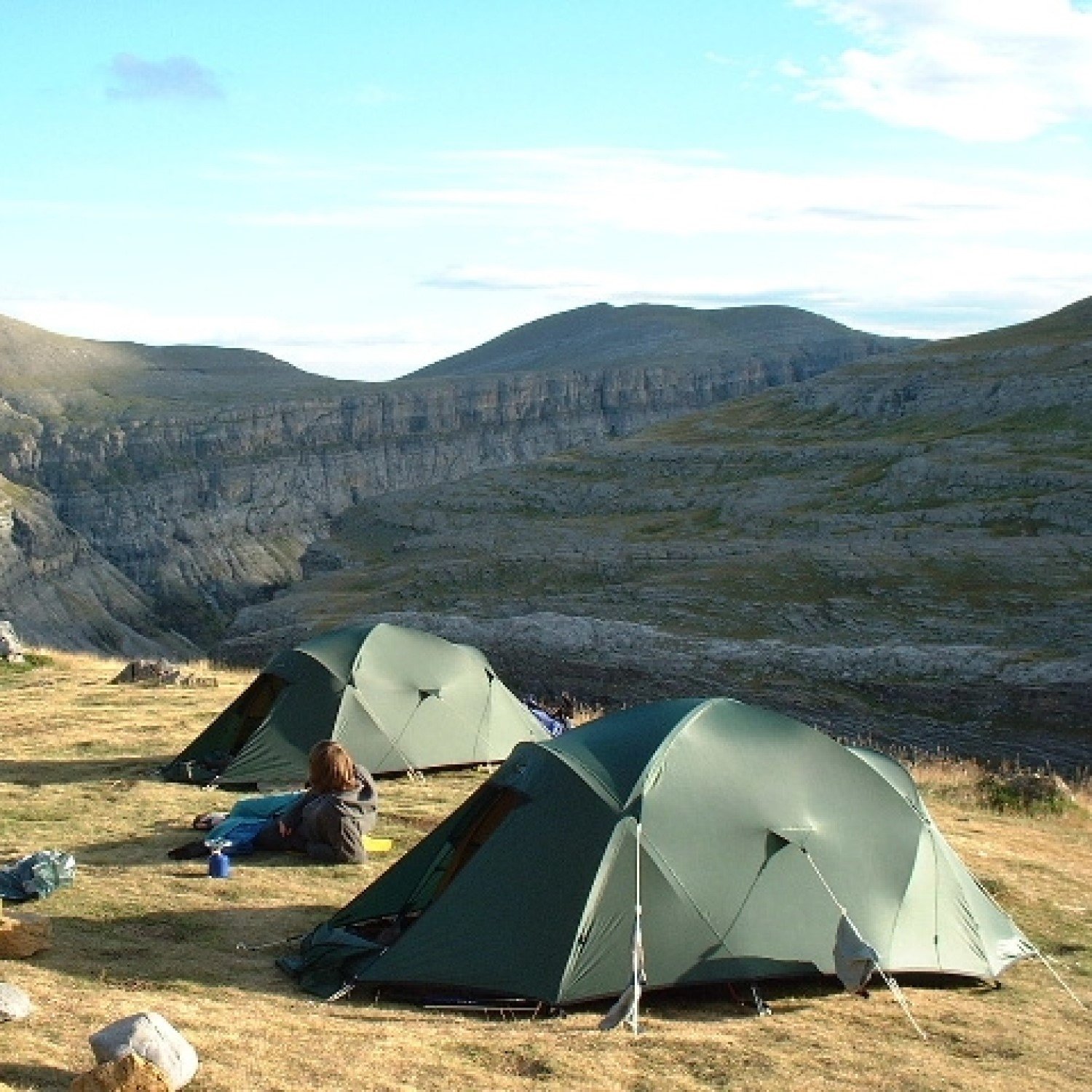
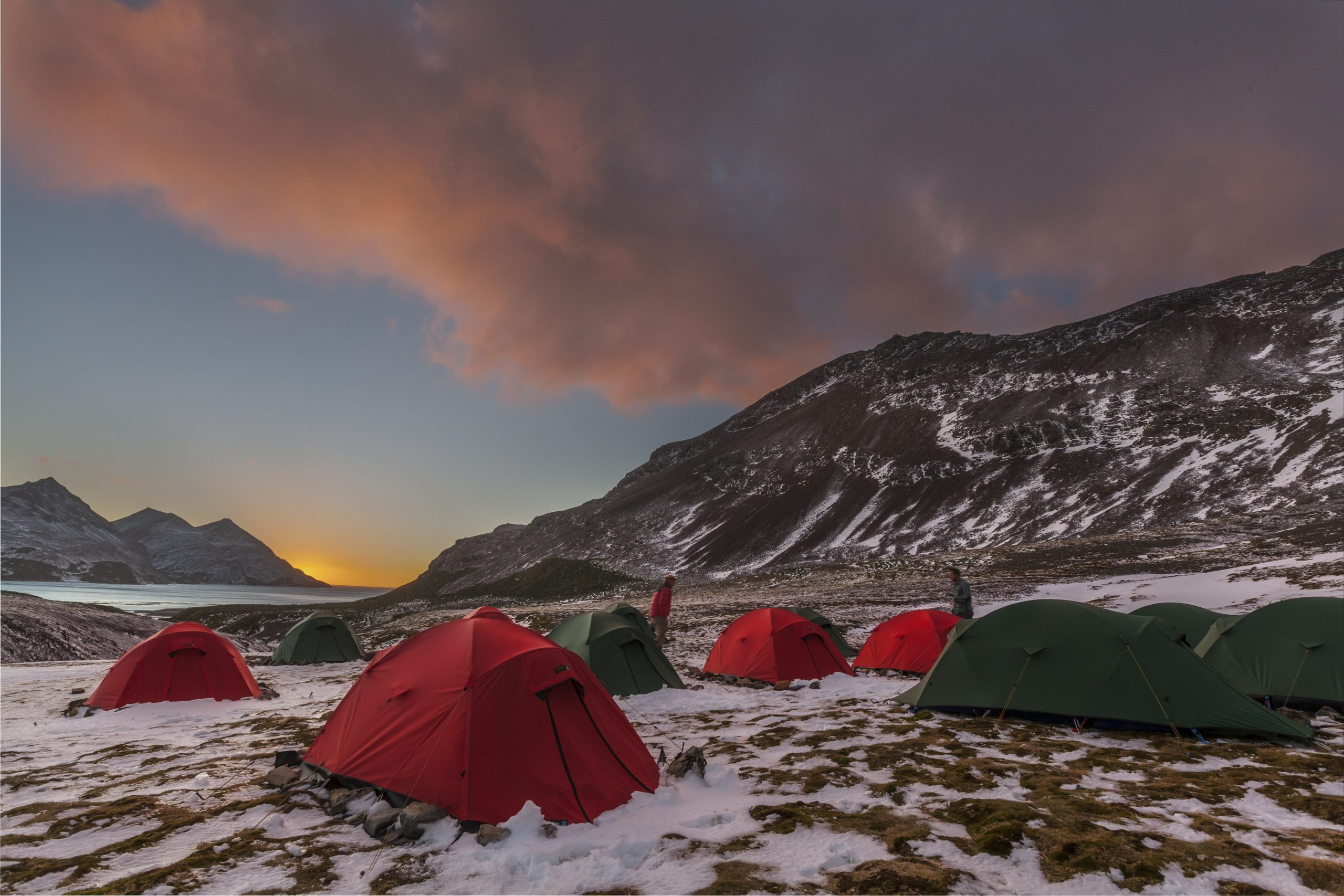
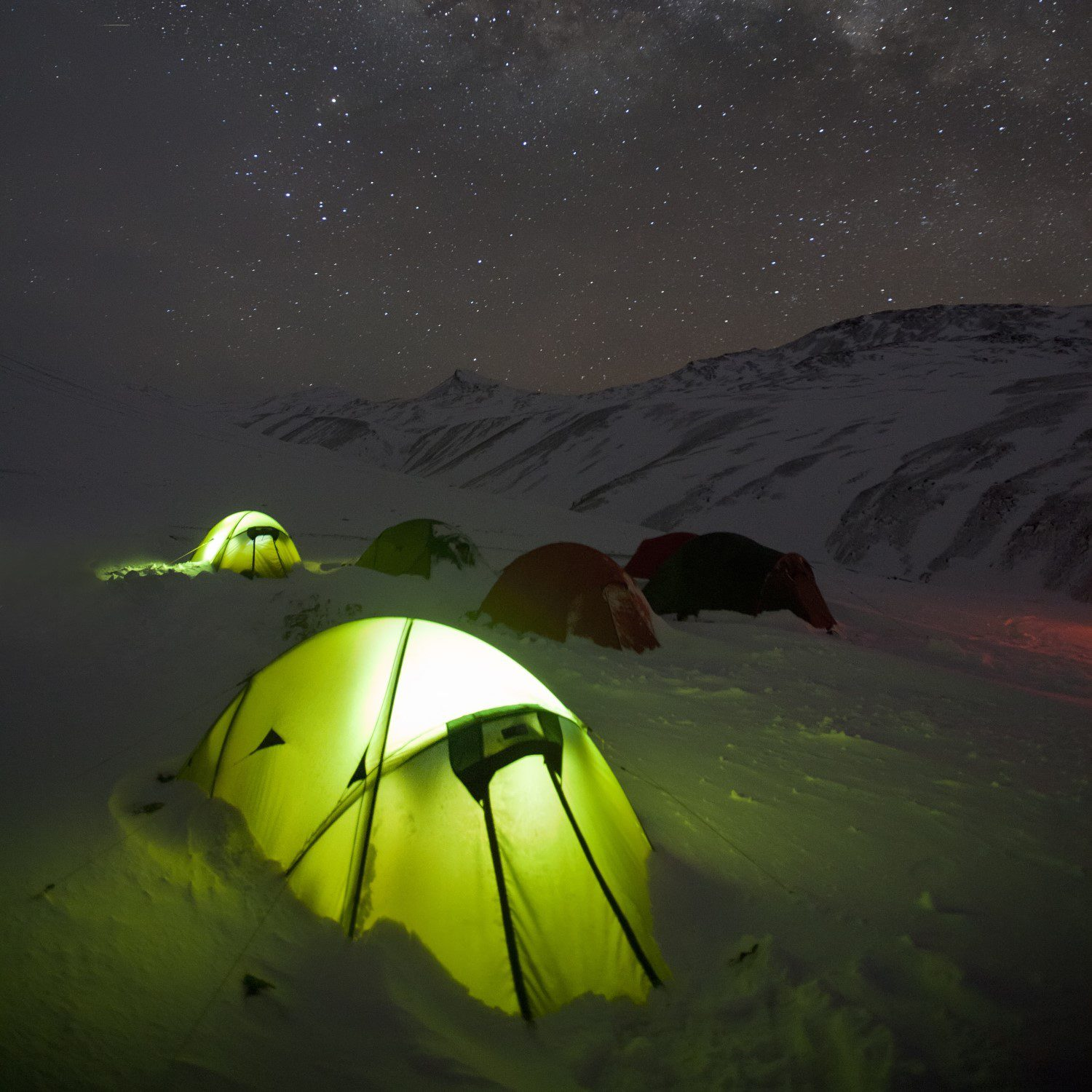
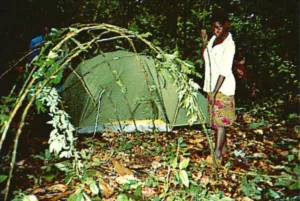
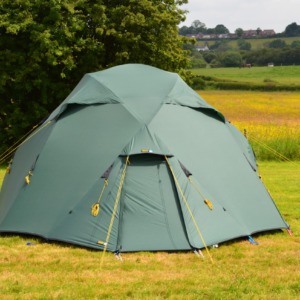
Into these constantly damp, dark, and humid conditions, the film crew took six Heavy Duty Hyperspace tents which were to serve as homes, refuges, and equipment stores. The main enemies were to be the termite population, capable of chewing through almost any known fabric, the ubiquitous mosquitoes, and the incredible humidity.
An early test report noted that:
“The tents withstood considerable wear and tear in transit through dense jungle and remained intact and undamaged despite being torn at by thorny vines. No leakage was experienced after heavy and sustained tropical storms, and no fungus appeared on any of the equipment after one month in constantly damp and humid conditions (humidity at 85%).”
The tents are still out there, having been pitched almost continuously since January. November’s report notes that:
“There have been many logistical problems. We have had two lenses stolen in transit, one tripod failed to arrive with the two tonnes of excess baggage, our first camera exploded, the gorillas are constantly on the move making filming impossible, one cameraman went down with malaria, and the internal airline is on strike. However, the tents have been great. Hope to give you another update soon.”
Bridget Wedderburn
Silverback Productions
Read the original article from our 1995 Brochure
-
SALE FEATURED


Limited Edition Quasar Tent & Bundle
-
FEATURED
Murlan Elite 2 Tent
-
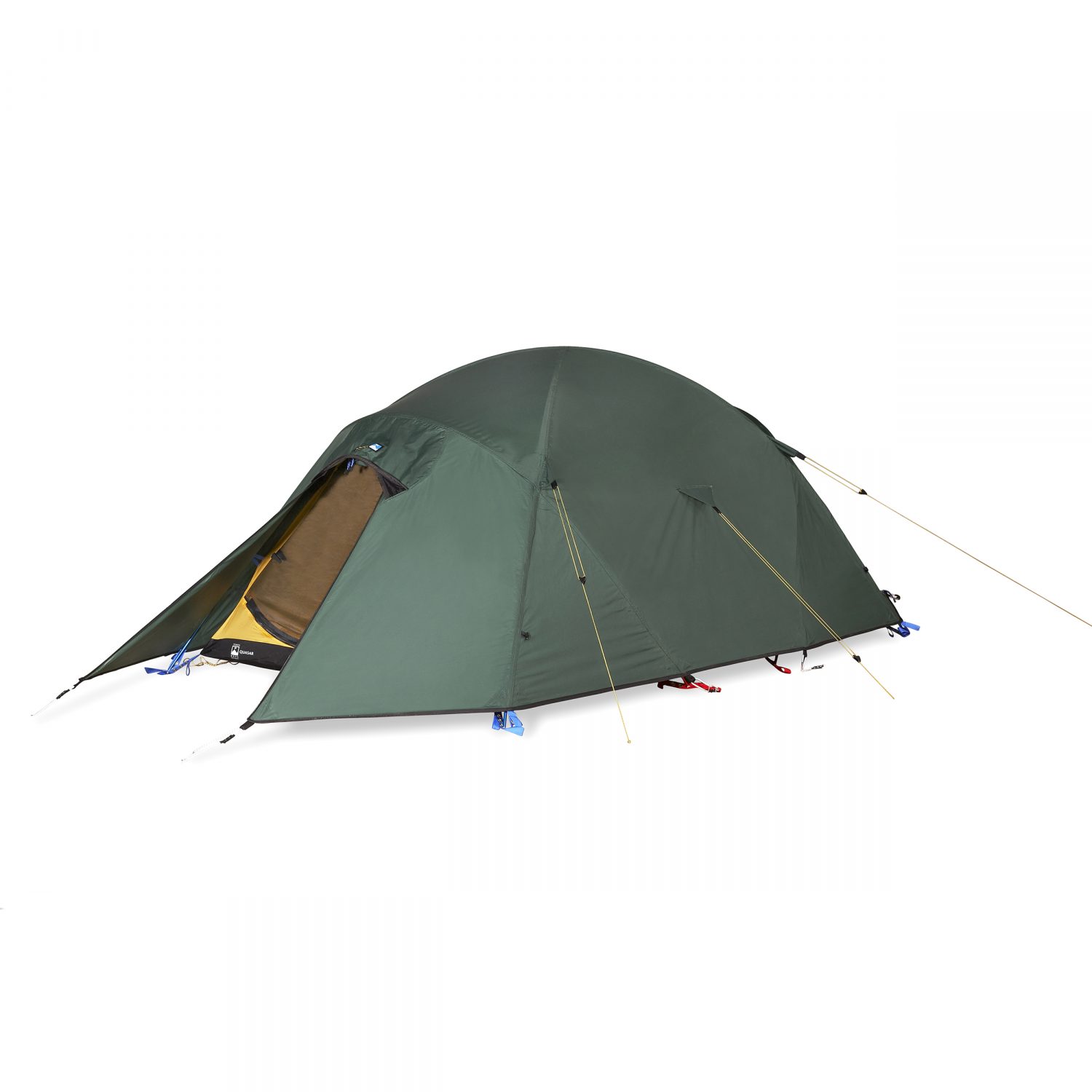
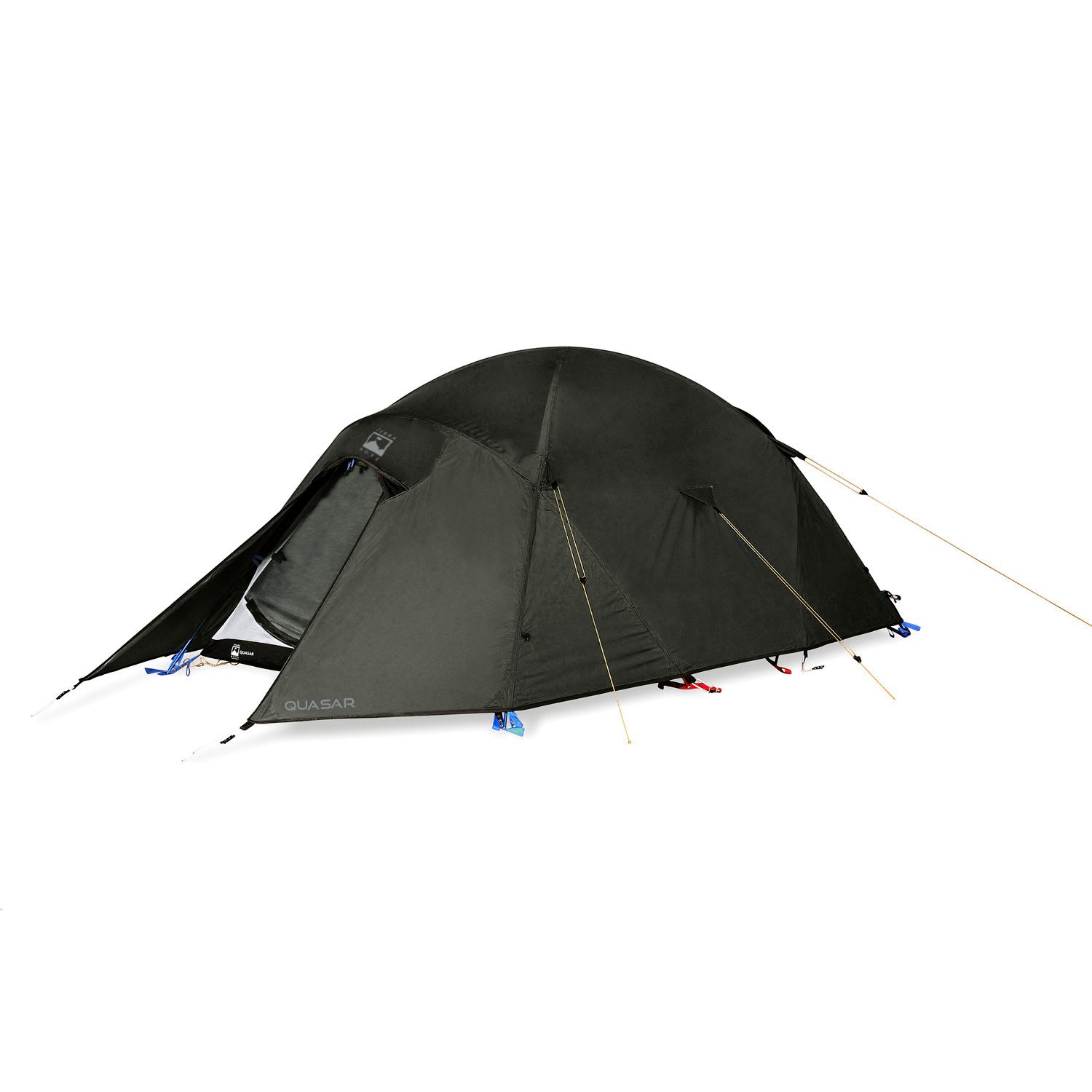
Expedition Quasar Tent
£1,100.00 Add to Pack This product has multiple variants. The options may be chosen on the product page -
Quasar Tent
-
Expedition Hyperspace Tent
£1,450.00 Add to Pack This product has multiple variants. The options may be chosen on the product page -
Expedition Terra Firma Tent
£1,800.00 Add to Pack This product has multiple variants. The options may be chosen on the product page -
Outlet – Expedition Terra Firma Tent – Grade A
-
Expedition Cosmos Tent
£5,600.00 Add to Pack This product has multiple variants. The options may be chosen on the product page -
Outlet – Murlan Elite 2 Tent – Grade B
-
SOLD OUT
Expedition Super Quasar Tent
£1,200.00 Add to Pack This product has multiple variants. The options may be chosen on the product page



Planning Something Ambitious?
Our archive of expeditions isn't marketing; it's a record of what our tents, shelters, and apparel have actually survived, written by the people who were there. From first ascents in the Karakoram to four months on Ellesmere Island. But our history isn’t just about where we’ve been; it’s about where we’re going next.
We support a small number of genuine, objective-led expeditions every year. If you’re putting together a capable team with a clear plan and a story to tell, we’d love to hear about it.