

A Testing Time on Everest – 1994 Everest Expedition
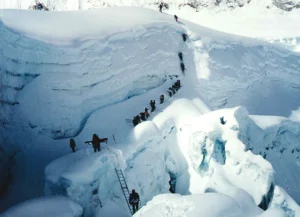
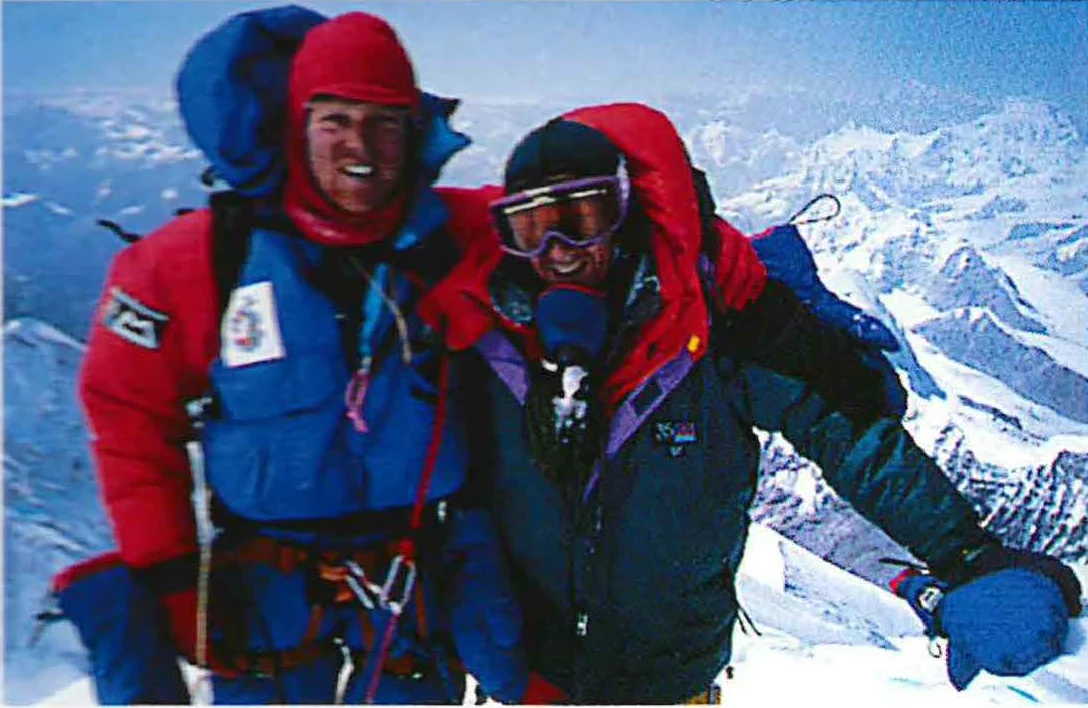
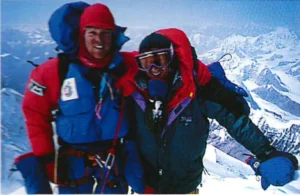
On October 11 th 1994, Dr Charlie Hornsby and Dr Roddy Kirkwood became the 21st and 22nd Britons to reach the summit of Everest, accompanied by Sherpas Dorje and Dawa Temba. This field report from the Expedition leader, Dr Simon Currin, details some of the difficulties encountered during the trip.
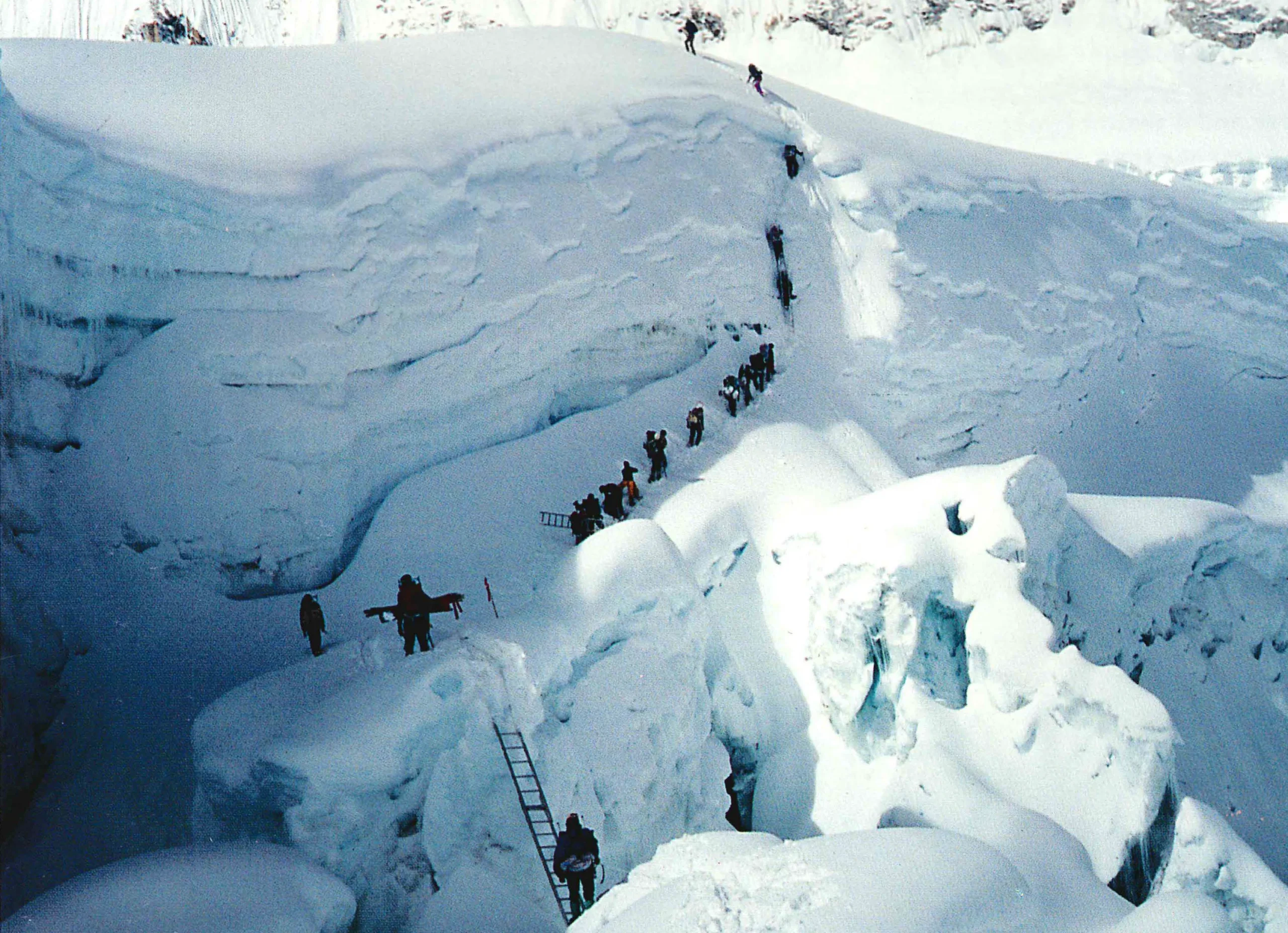
We commenced climbing during the last part of the monsoon season. Poor visibility, frequent snowfall, and avalanche danger delayed our arrival at Camp 2. In the last week of September, there was a period of windless weather and we ferried loads to the South Col, ready for a summit attempt on October 2nd. By October 3rd, very strong winds had arrived and long plumes of spindrift were seen blasting off the summit.
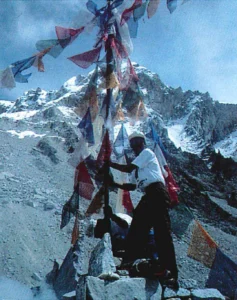
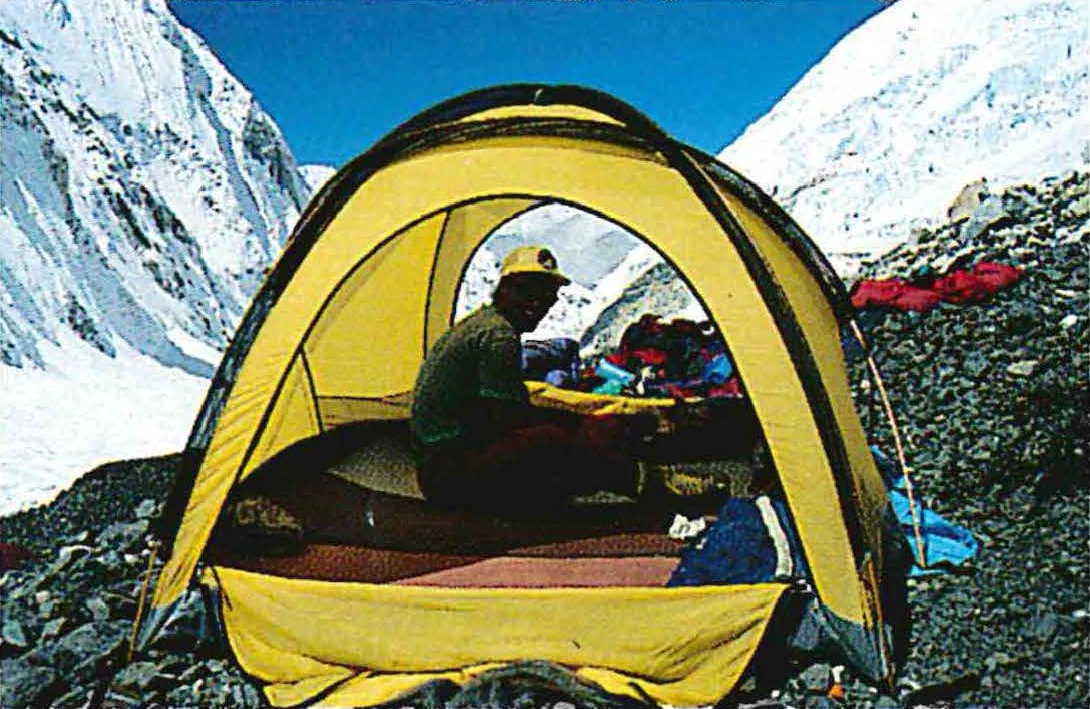
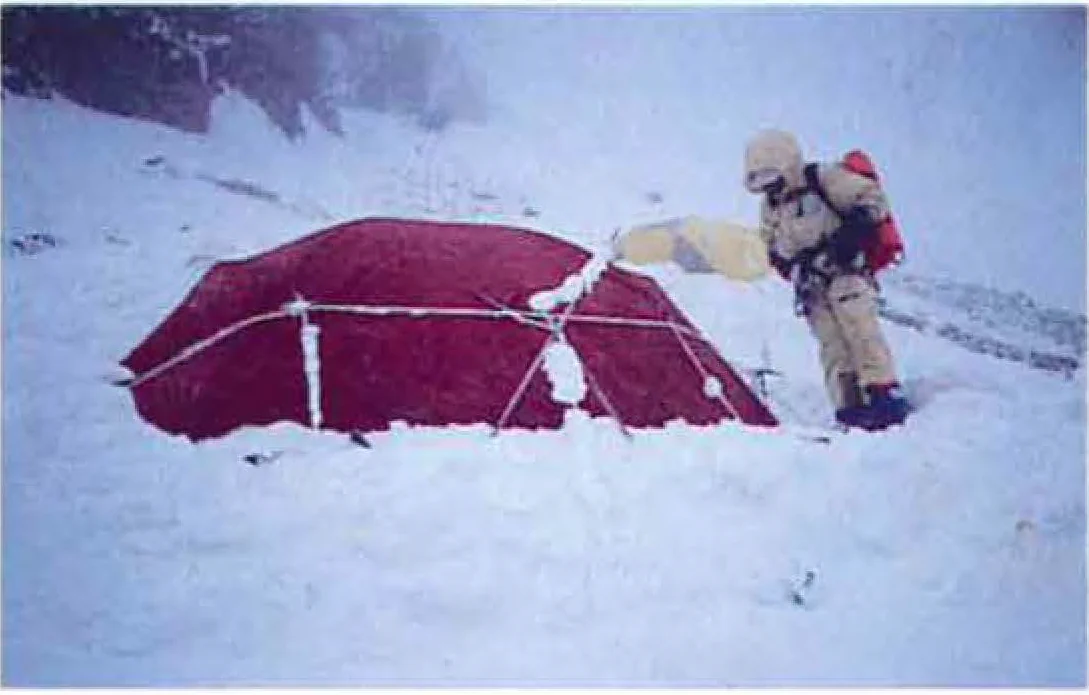
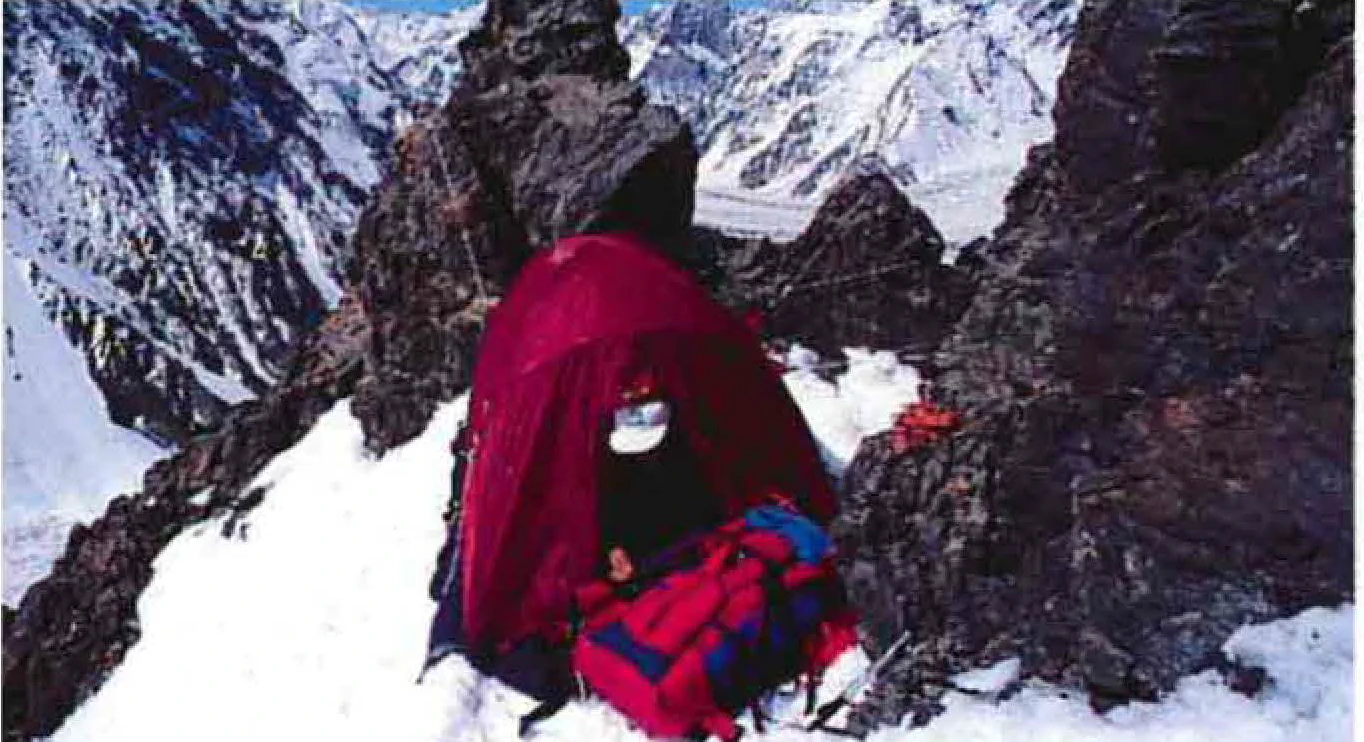
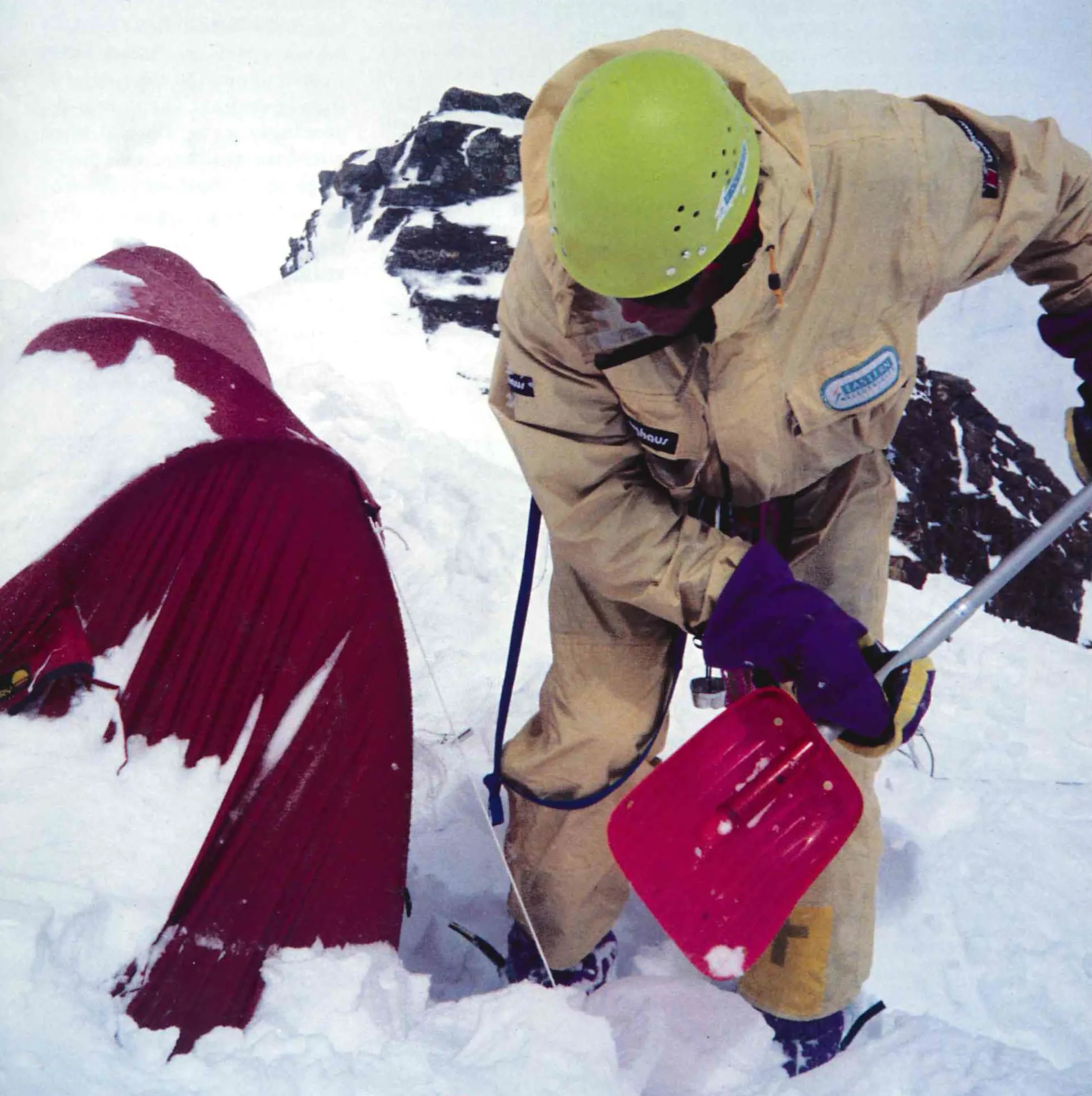
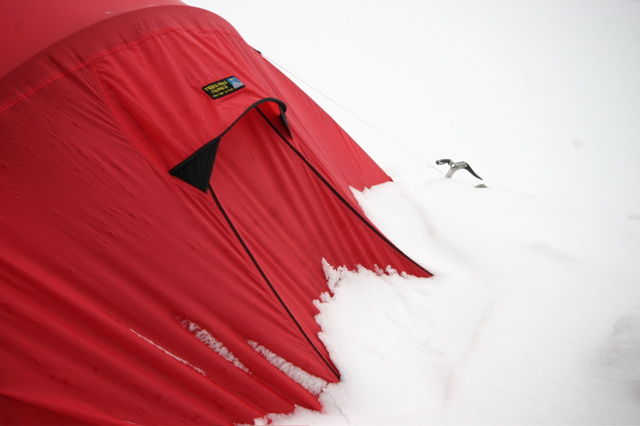
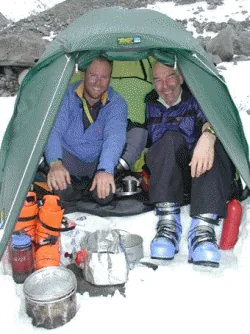
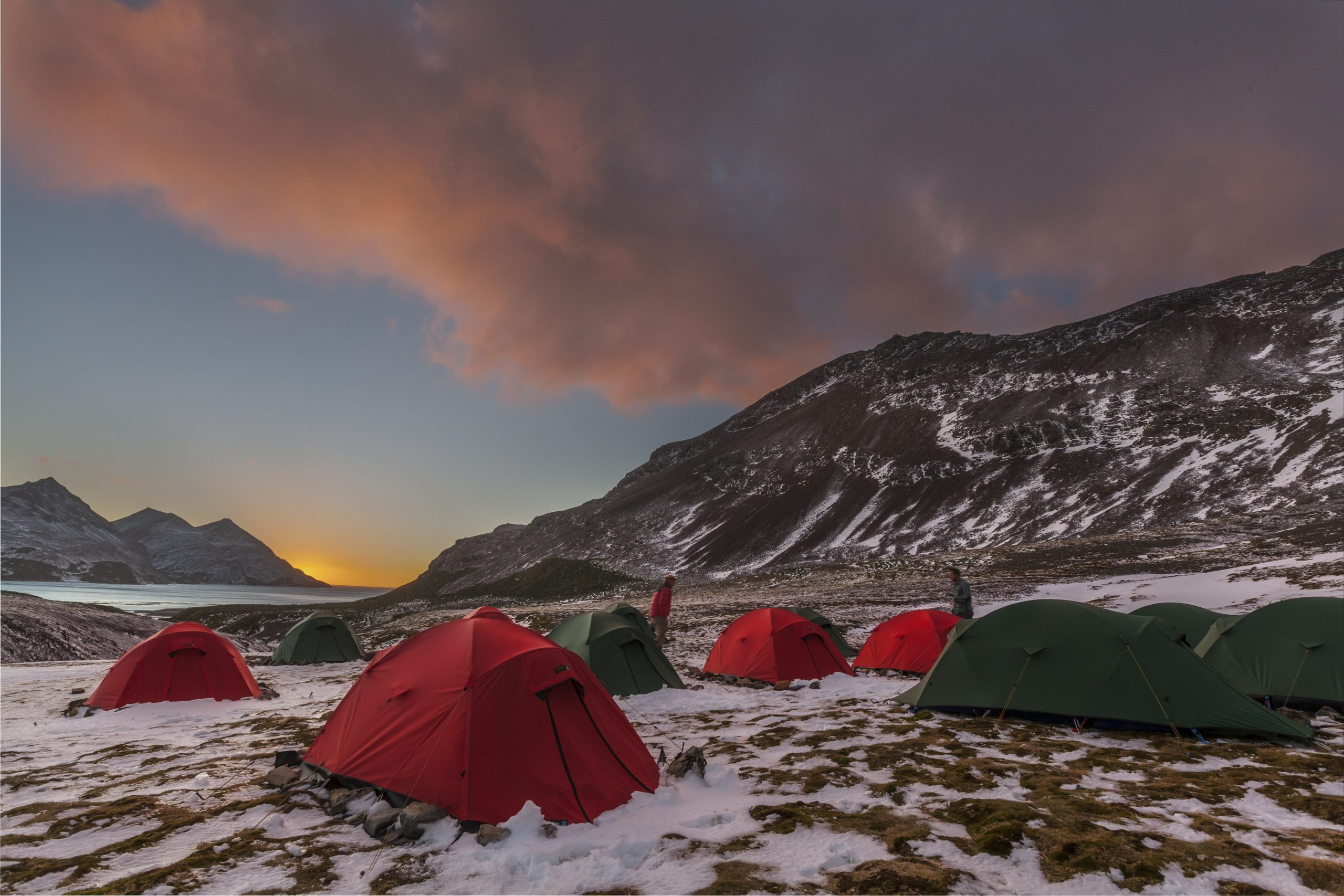
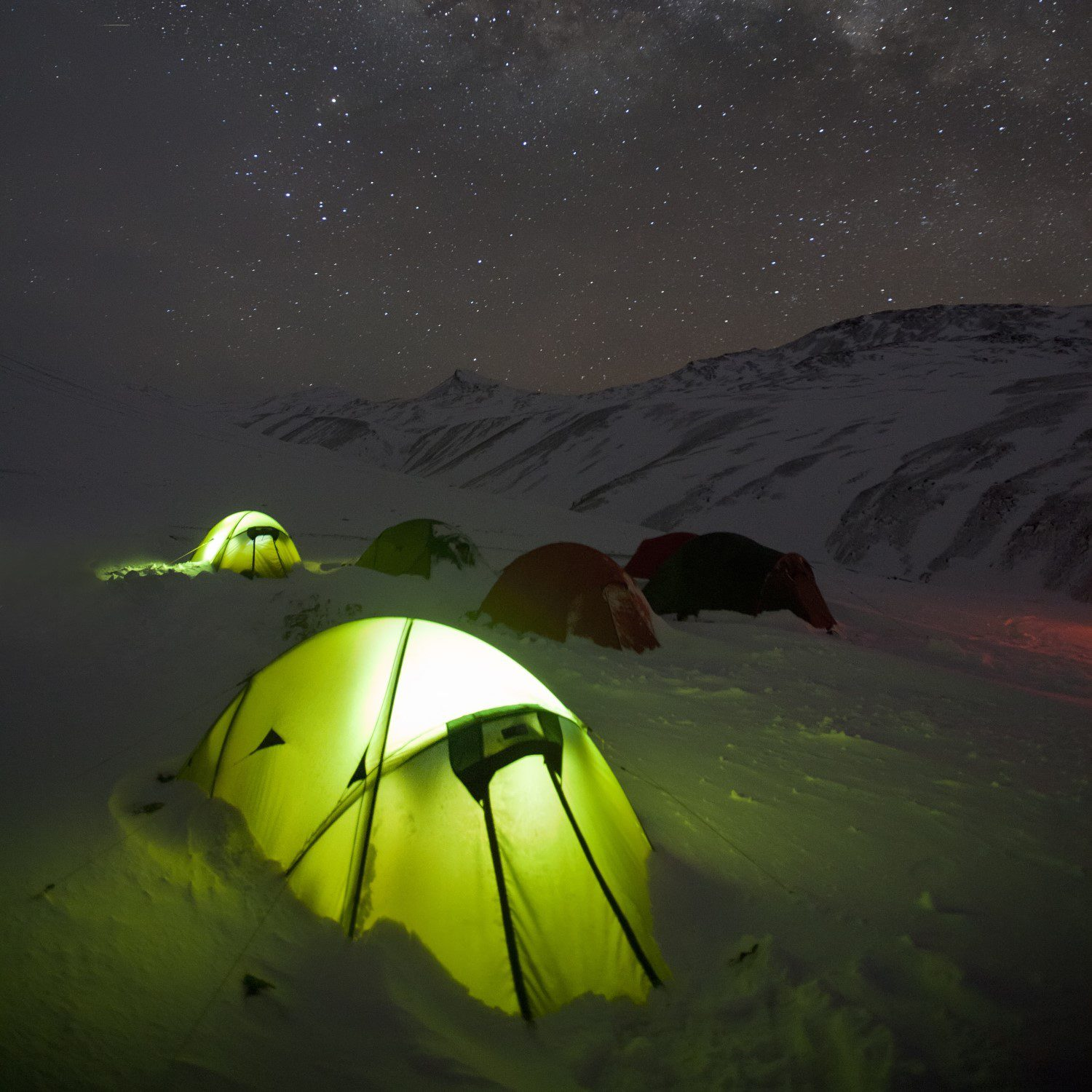
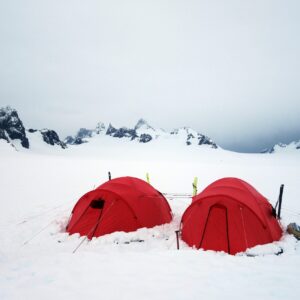
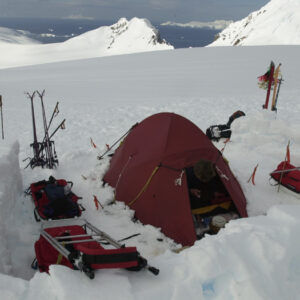
We moved up to the Col on October 5th but were greeted by very high winds. Much of our food and fuel cached there earlier had been blasted away by the wind into Tibet. Two Hyperspace tents were erected and occupied by eight people. The cramped conditions and extreme weather made the South Col an inhospitable place, and it was impossible to build any worthwhile windbreak. Some members tried sitting it out on the South Col, but in the end, we were forced to retreat to Camp 2.
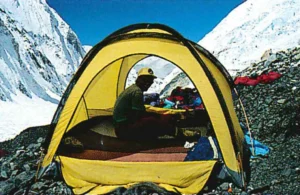
Drs. Kirkwood and Hornsby and the two Sherpas moved back to Camp 4 on October 10th and occupied the Hyperspaces again. They reached the summit on the next morning at 11:30, despite extremely strong winds on the summit ridge. During this time, the tents were exposed to the full ferocity of the weather from the day they were erected until, eight days later, they disintegrated after an exploding gas stove blew apart the flysheets! The prolonged monsoon and the premature arrival of the jet stream winds meant that only one other climber and two Sherpas were successful out of 13 expeditions
Dr Simon Currin
Read the original article from our 1995 Brochure
EXPEDITION RESULTS
As a result of the Expedition, an enormous amount of medical data was collected from all 75 members. All sixteen of the medical research projects were successfully completed, and 100,000 data points were collected. Much of the data is unique and should yield valuable information. The environmental team conducted a microbiological survey of water quality in the Khumbu Valley and developed a safe and efficient method for the disposal of human waste—a vital task in the fragile ecosystem. In addition, the Expedition has been extremely successful in its educational role, with books and courses on mountain medicine planned for 1995. There is also a planned medical clinic for the Sherpa village in Lukla.
-
SALE FEATURED


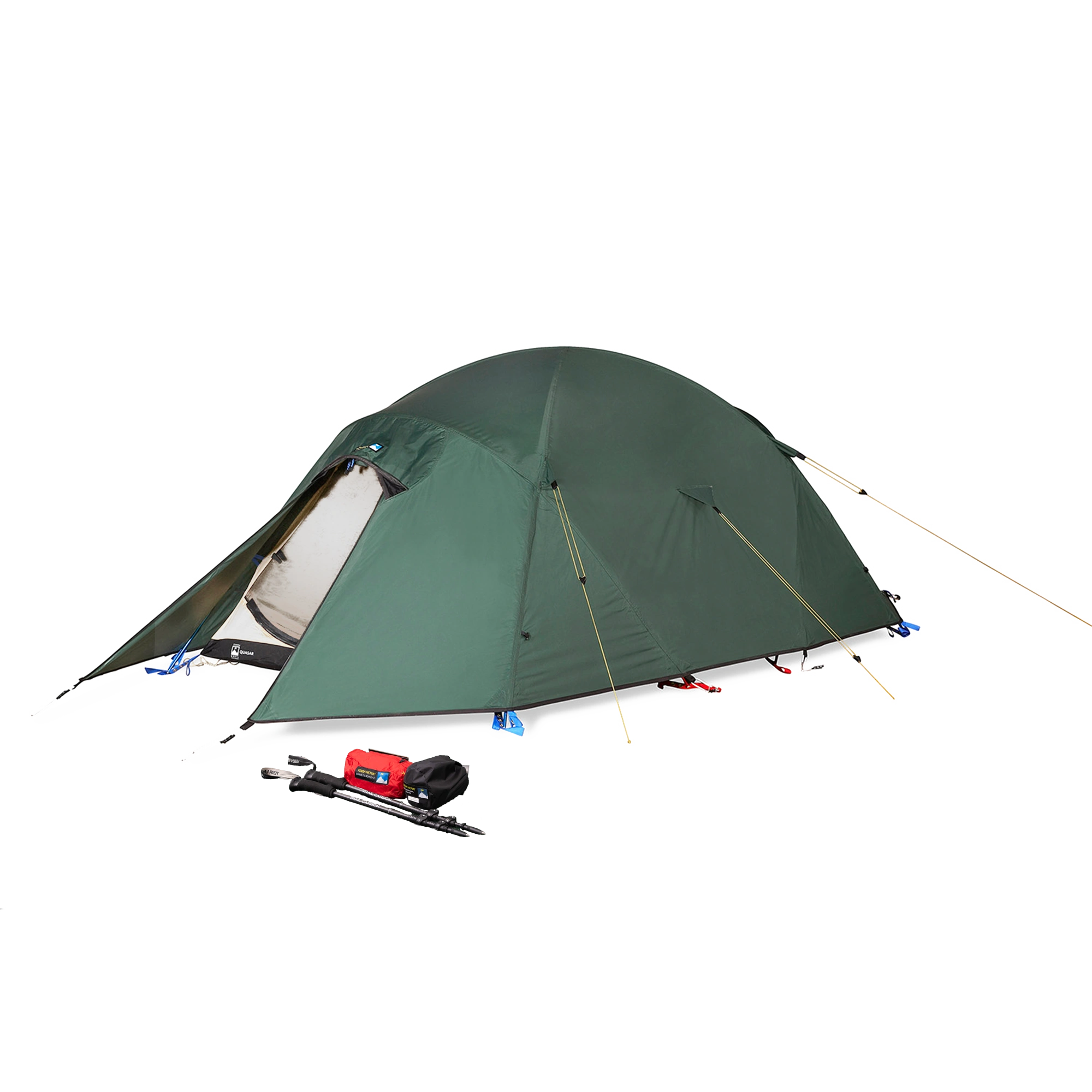
Limited Edition Quasar Tent & Bundle
-
FEATURED
Murlan Elite 2 Tent
-
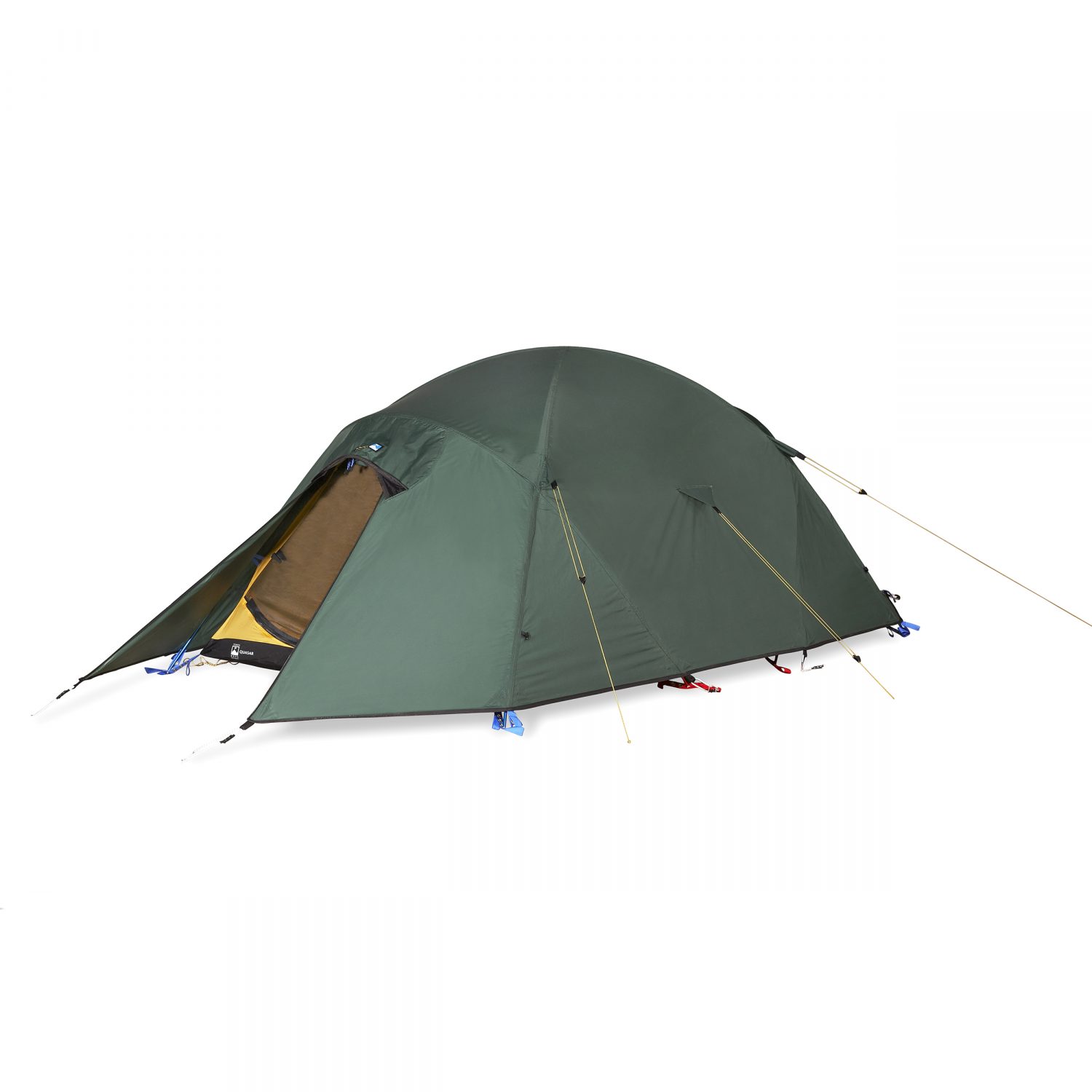
Expedition Quasar Tent
£1,100.00 Add to Pack This product has multiple variants. The options may be chosen on the product page -
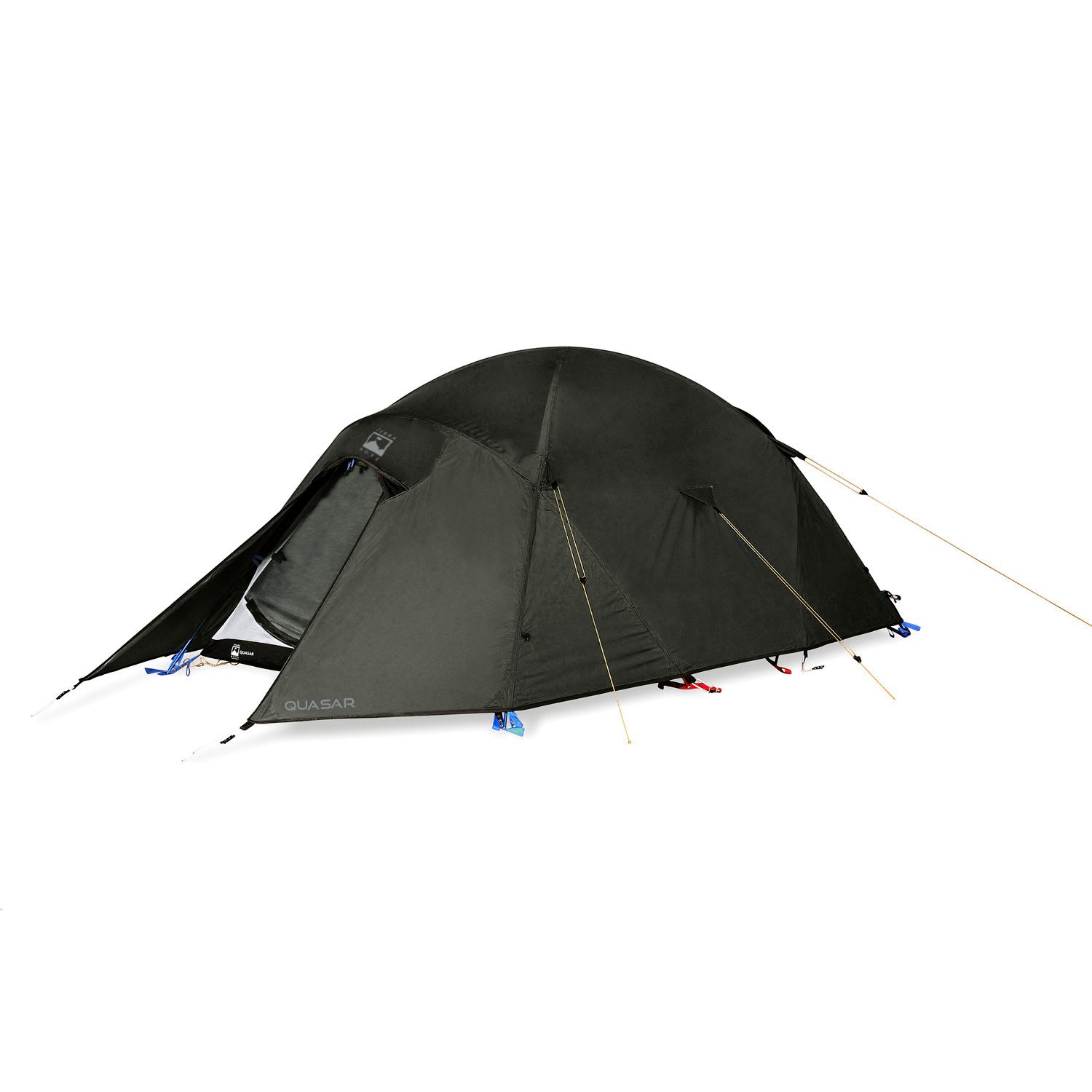
Quasar Tent
-
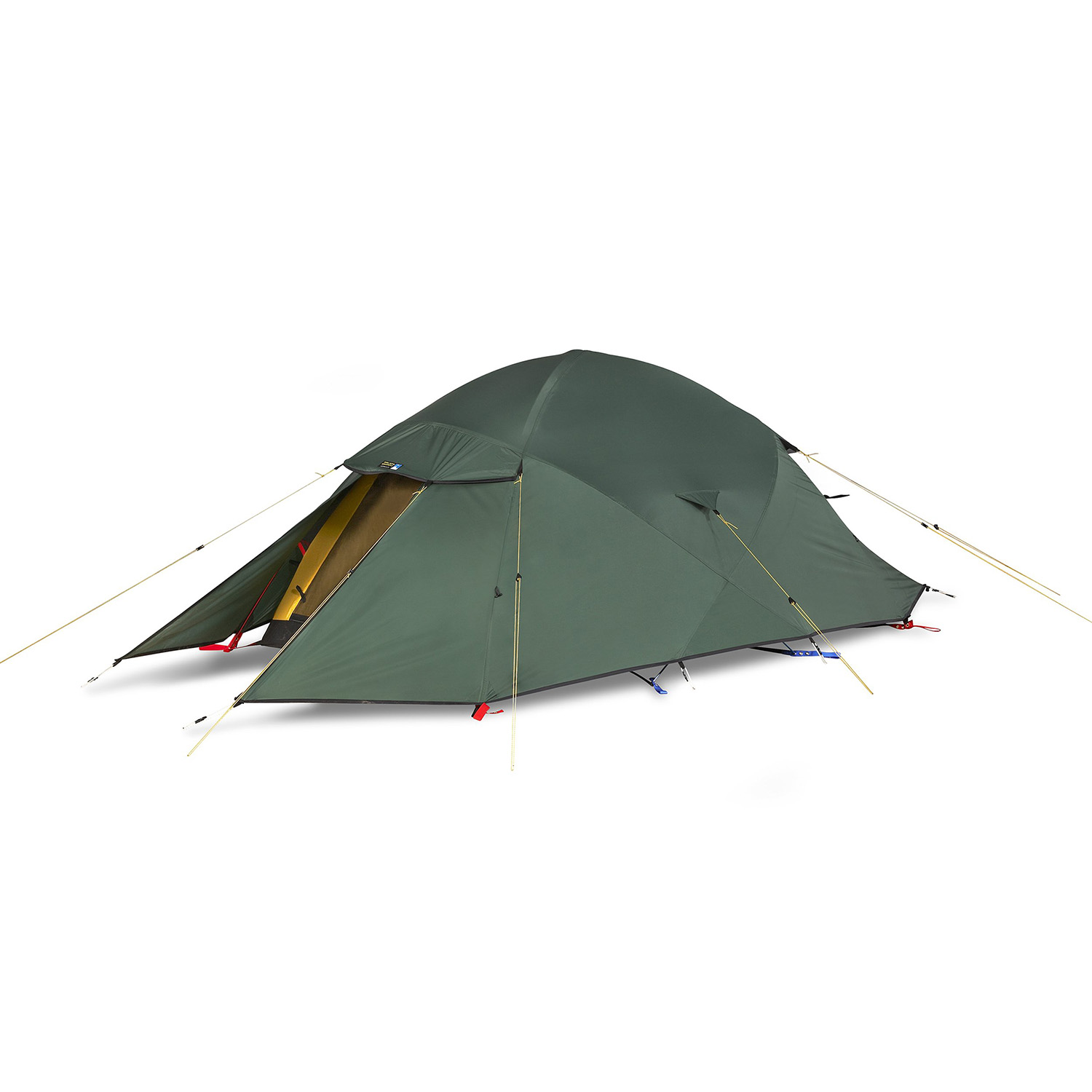
Expedition Hyperspace Tent
£1,450.00 Add to Pack This product has multiple variants. The options may be chosen on the product page -
Expedition Terra Firma Tent
£1,800.00 Add to Pack This product has multiple variants. The options may be chosen on the product page -
Outlet – Expedition Terra Firma Tent – Grade A
-
Expedition Cosmos Tent
£5,600.00 Add to Pack This product has multiple variants. The options may be chosen on the product page -
Outlet – Murlan Elite 2 Tent – Grade B
-
SOLD OUT
Expedition Super Quasar Tent
£1,200.00 Add to Pack This product has multiple variants. The options may be chosen on the product page



Planning Something Ambitious?
Our archive of expeditions isn't marketing; it's a record of what our tents, shelters, and apparel have actually survived, written by the people who were there. From first ascents in the Karakoram to four months on Ellesmere Island. But our history isn’t just about where we’ve been; it’s about where we’re going next.
We support a small number of genuine, objective-led expeditions every year. If you’re putting together a capable team with a clear plan and a story to tell, we’d love to hear about it.