

Summer on the Savage Mountain – The 1993 British K2 Expedition
The mountain environment and native people are not just an interesting ethnic backdrop to our adventures. Mountains are literally the world’s water towers, and like rainforests and oceans, we cannot afford to ignore our impact on these fragile ecosystems.
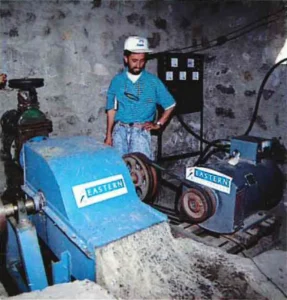
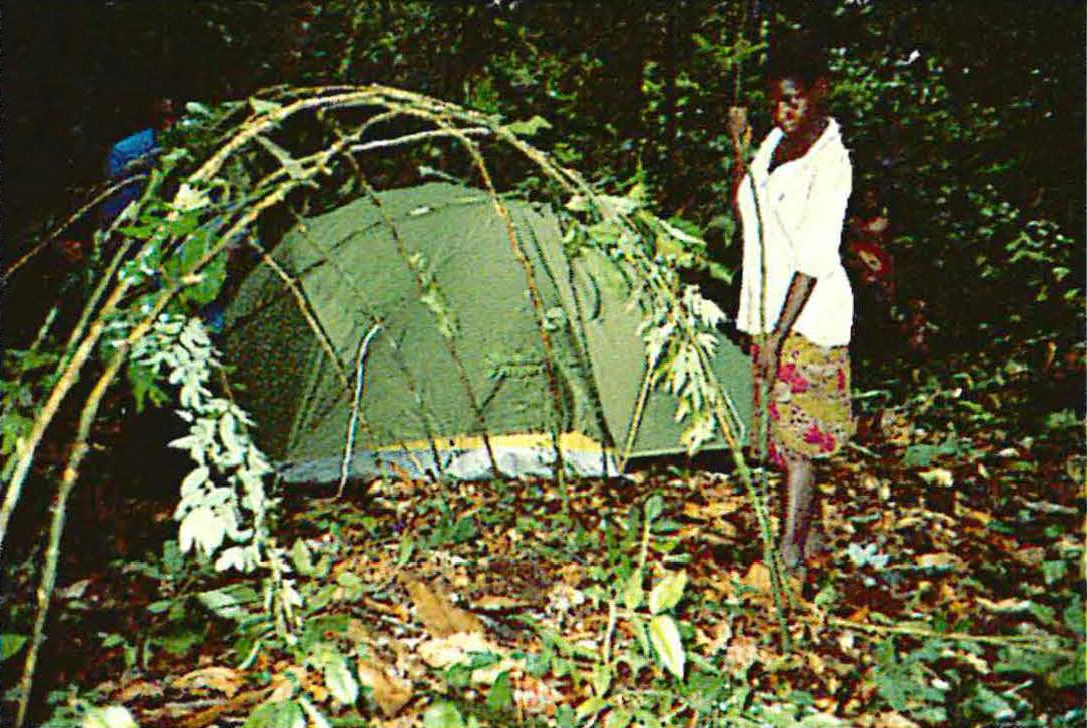
Micro-hydro brings heat and light to Mango.
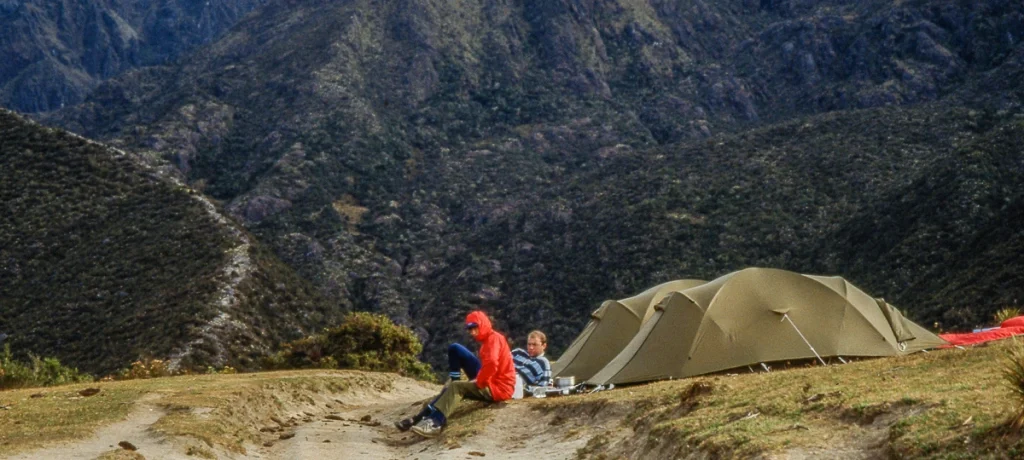
The 1993 British K2 Expedition was the culmination of a two-year project which, apart from climbing, had as its aim making a positive impact on the mountain environment and local people. With support from Eastern Electricity, the expedition oversaw the installation of micro hydroelectricity systems in two mountain villages. These systems were requested by the villages that are working with the Aga Khan Rural Support Programme (AKRSP) development charity. The technology is simple and is manufactured locally. In Hoto and Mango ( total population 500), it is being used for lighting and water heating. This reduces dependence on firewood, which reduces smoky living conditions (chest and eye infections are endemic), saves labour time and has a beneficial impact on the environment.
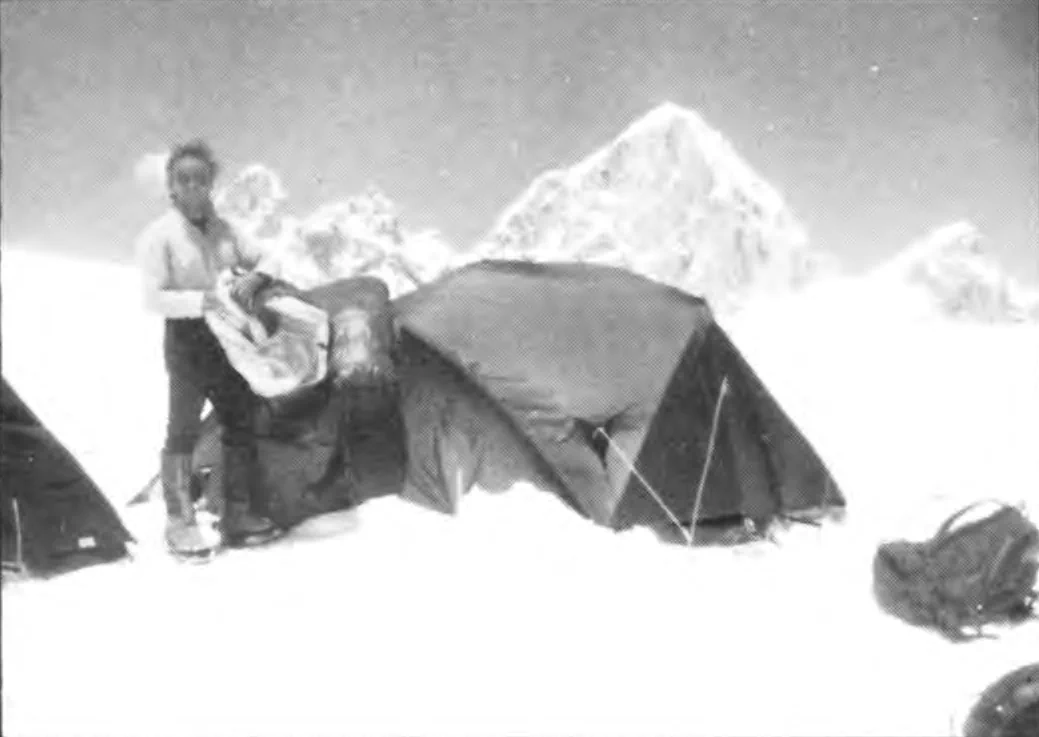
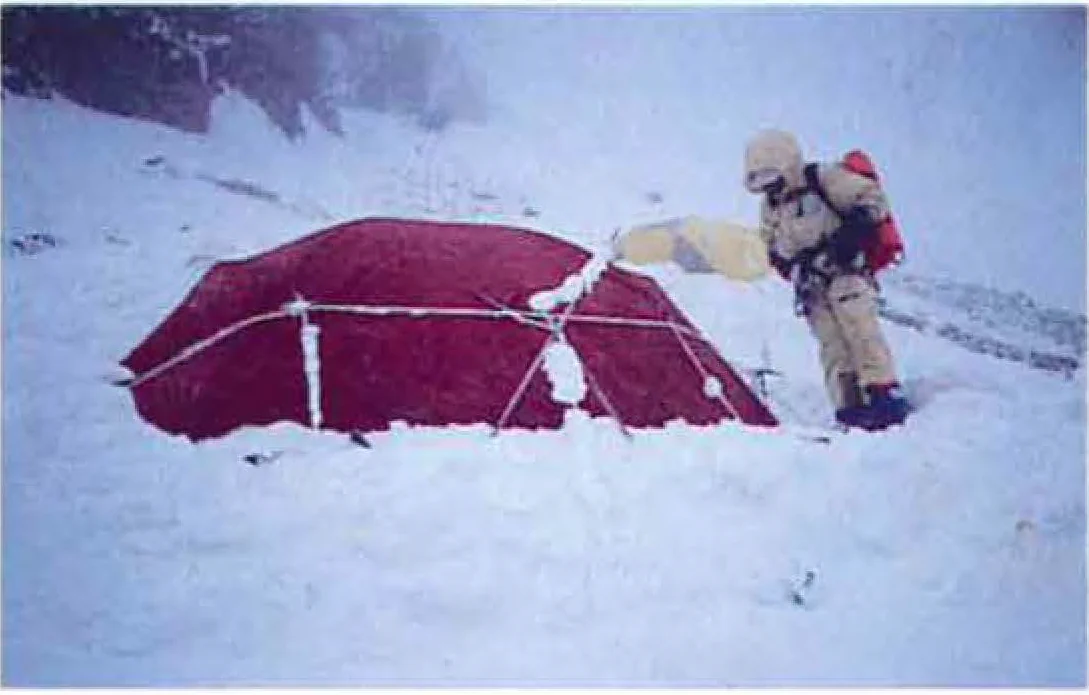
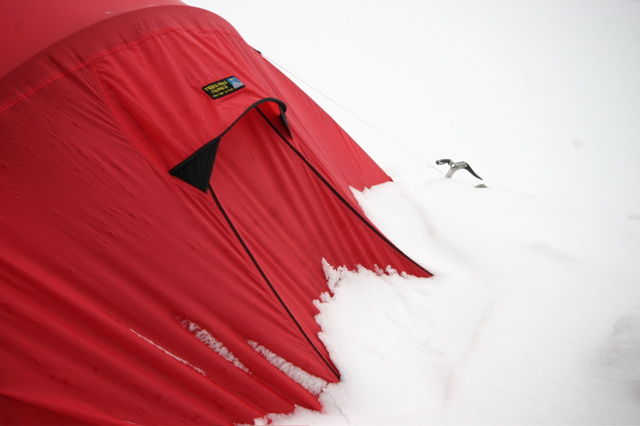
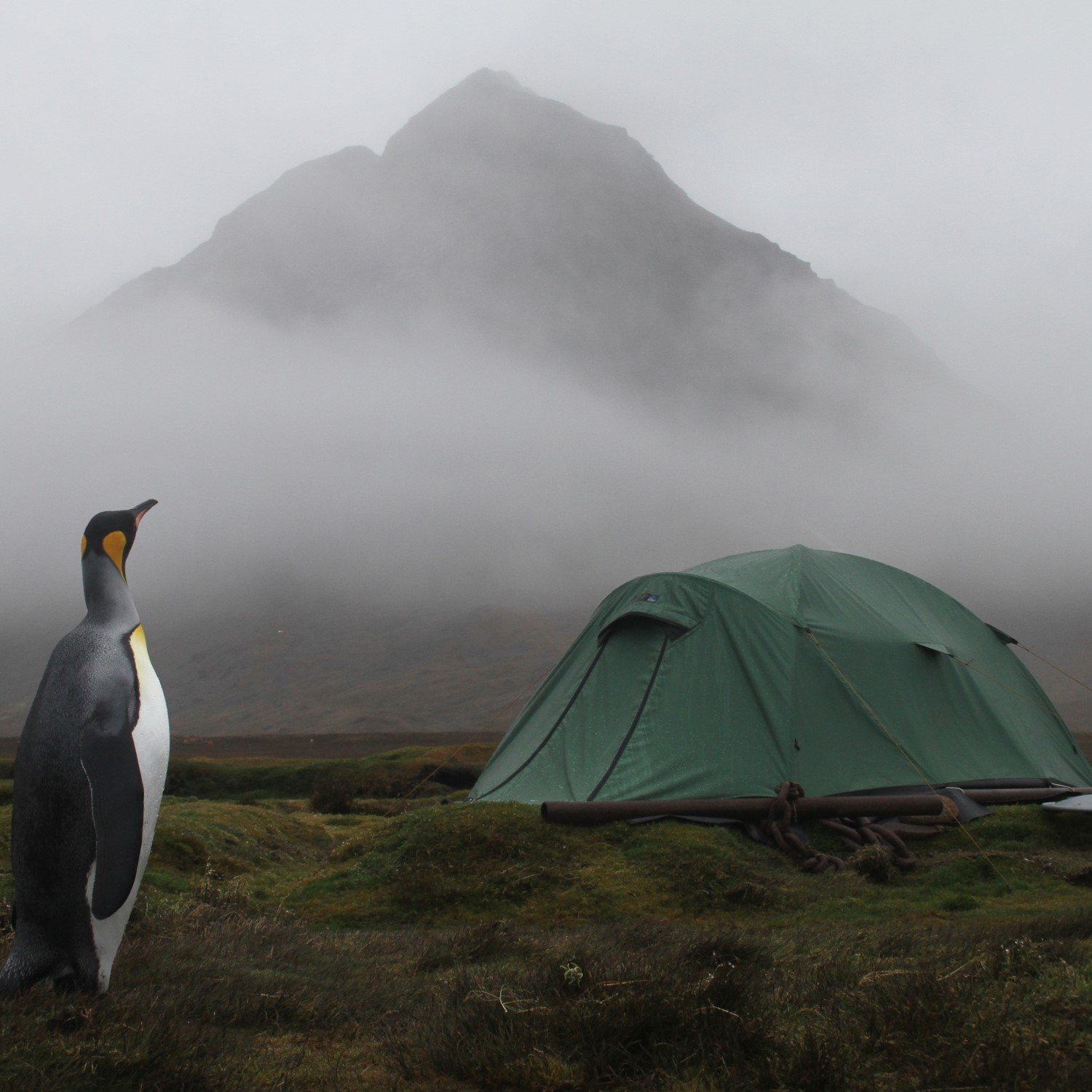
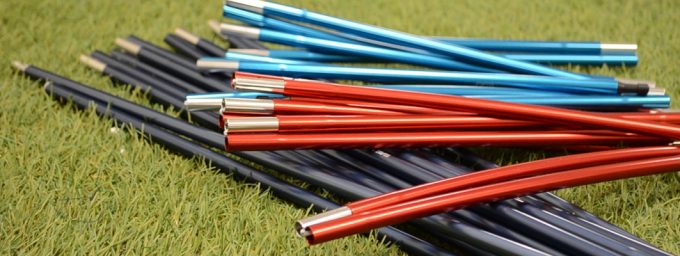
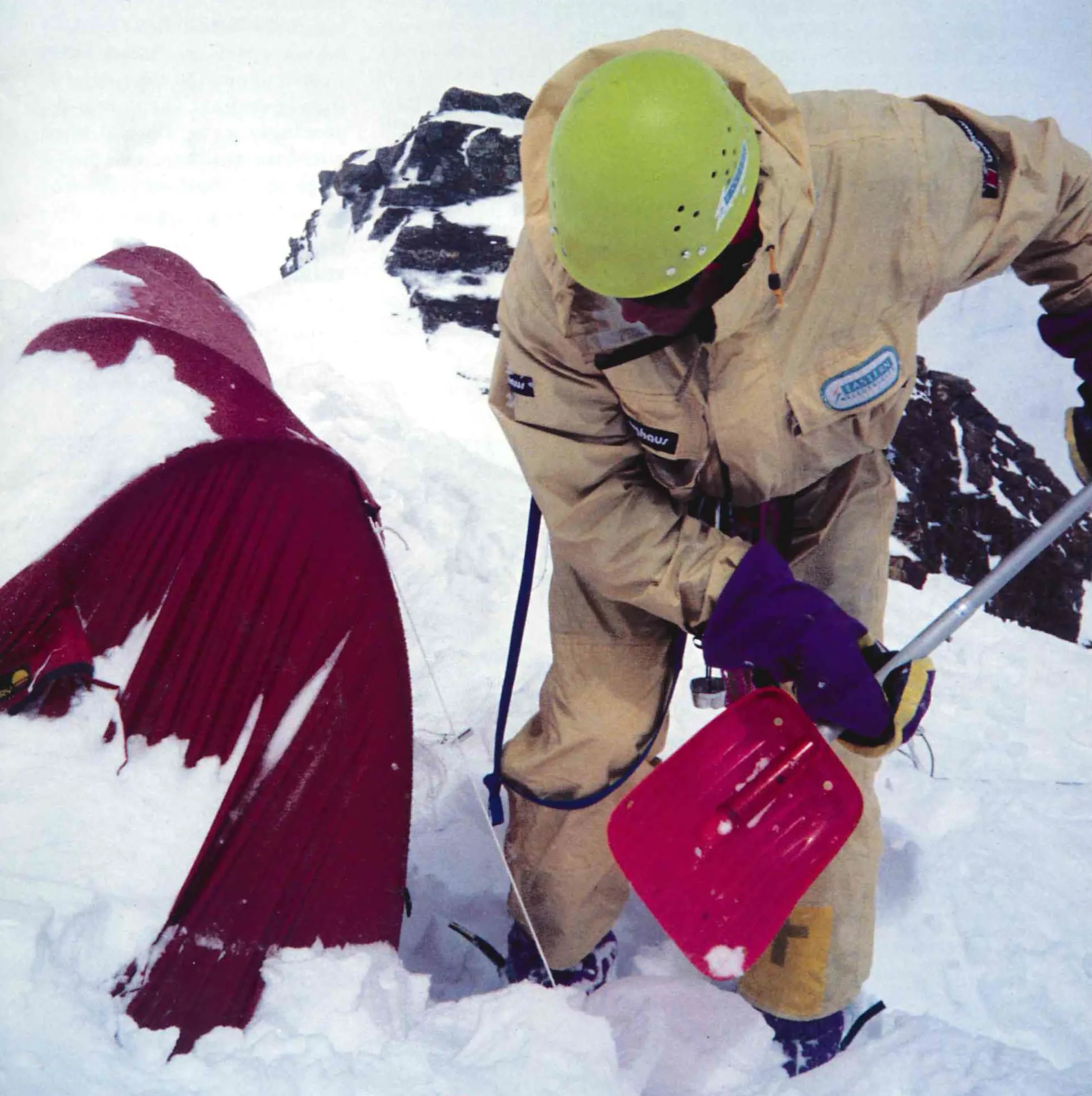
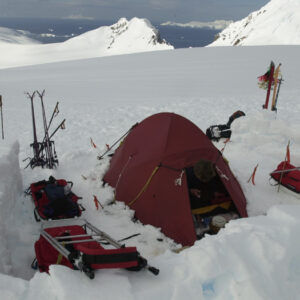
” Hit by an avalanche – I was sure the poles were broken but once Julie-Ann and I dug it out the tentjust sprang back into shape.”
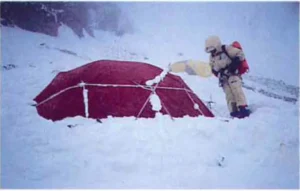
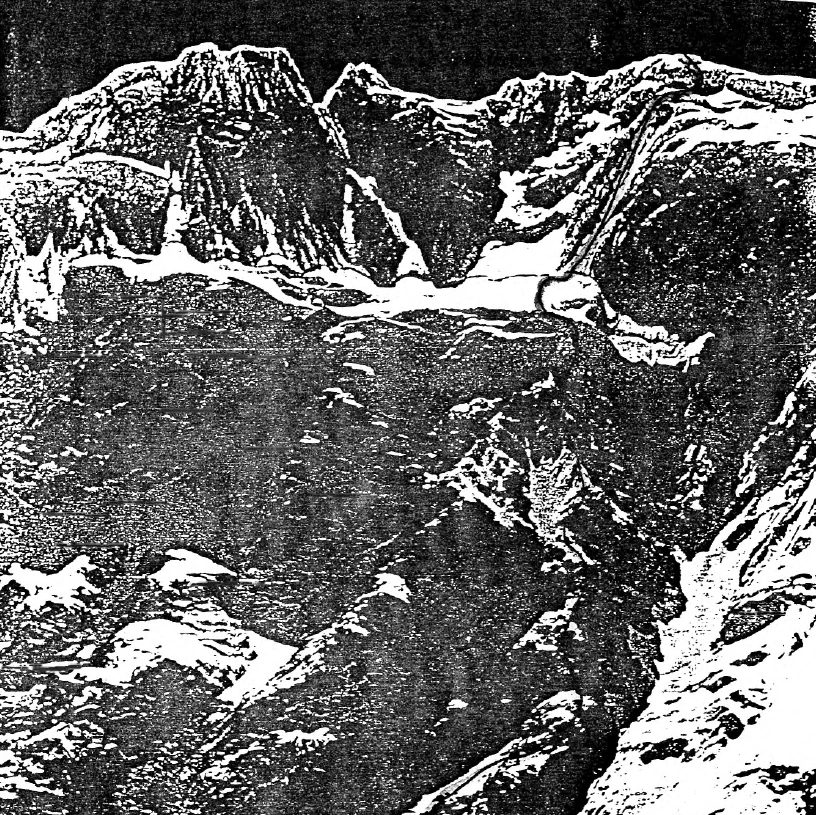
The expedition arrived at base camp on June 30 th and made very rapid progress on K2. On the very first foray onto the southeast (or Abruzzi) ridge, Victor Saunders and Alan Hinkes carried a tent to around 6500 m. This progress was continued with Julie-Ann Clyma and Roger Payne establishing camps at 6180m and then 6740m.Despite a prolonged period of bad weather, several forays were made on the lower part of the mountain. Because of very strong winds, it was not possible to climb above camp 2 until July 30th, when a snow cave was established at 7350m. The team also carried tents and sufficient food and fuel to establish the final camp at around 8000 m.
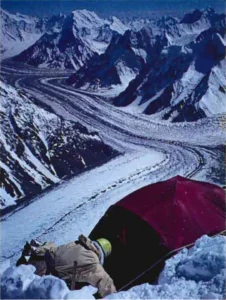
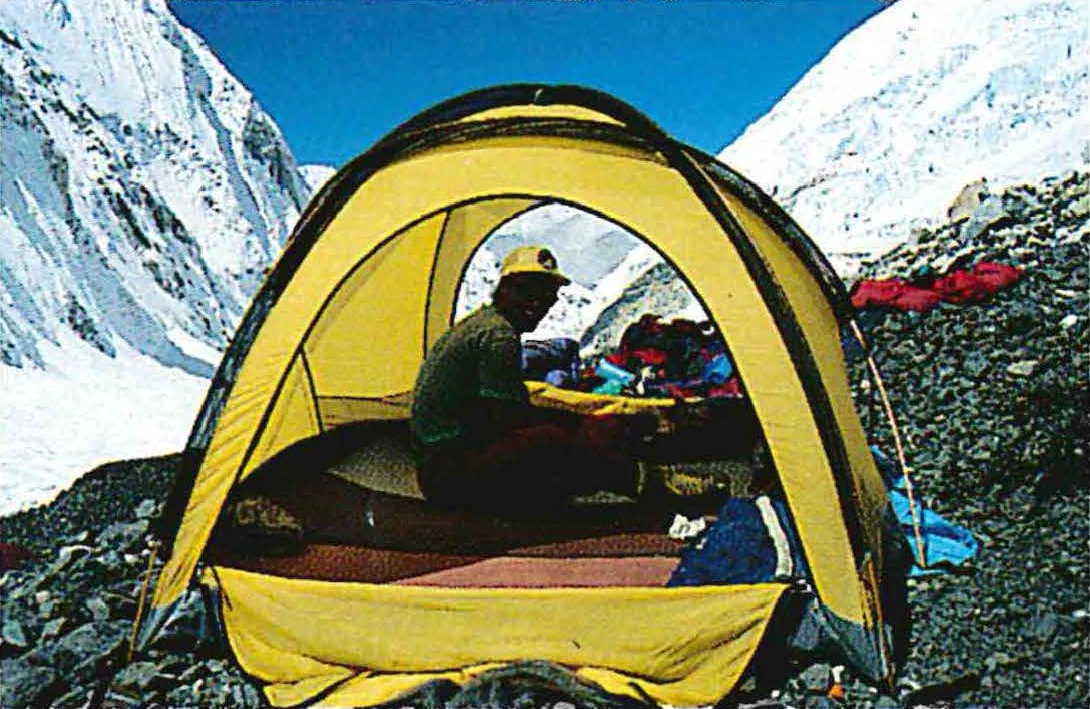
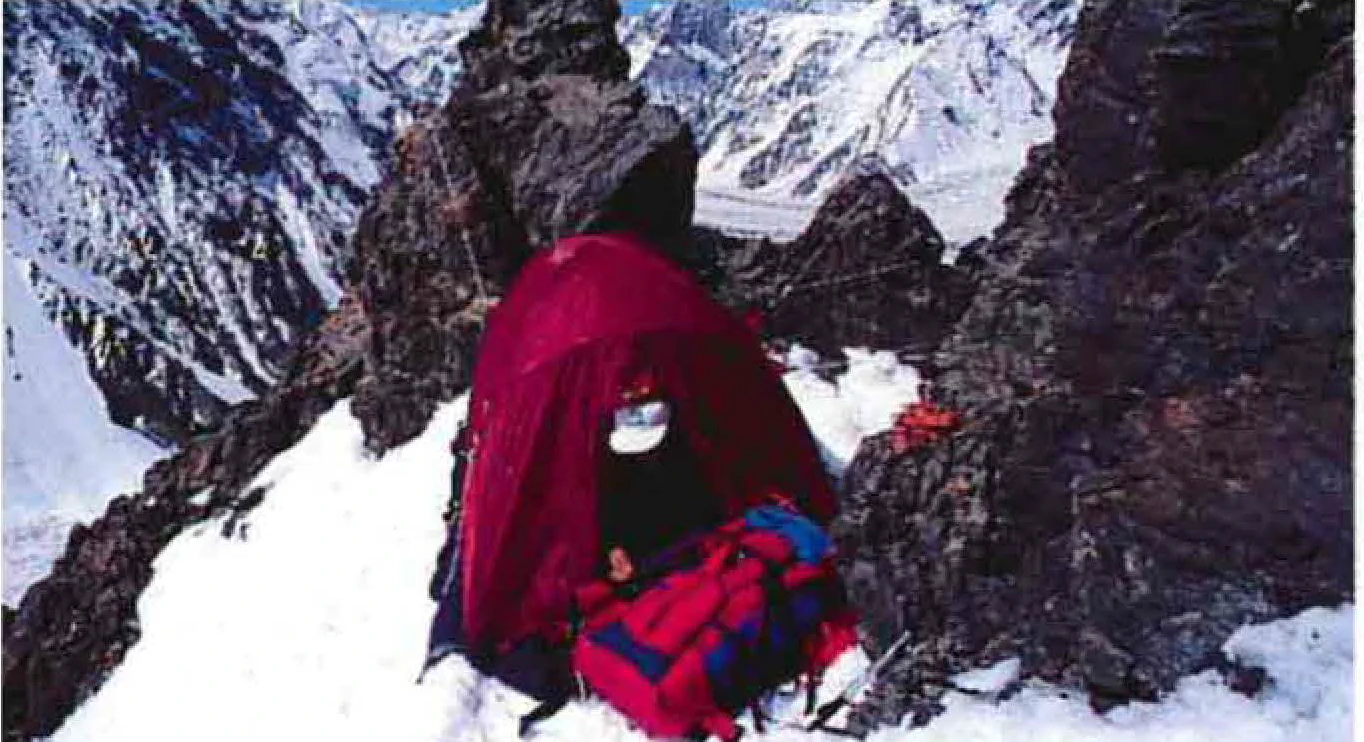
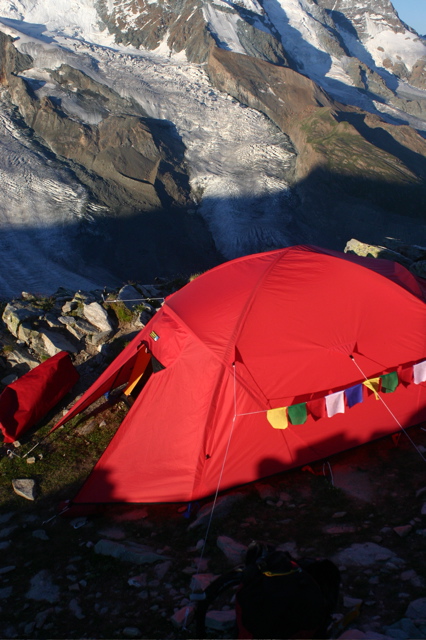
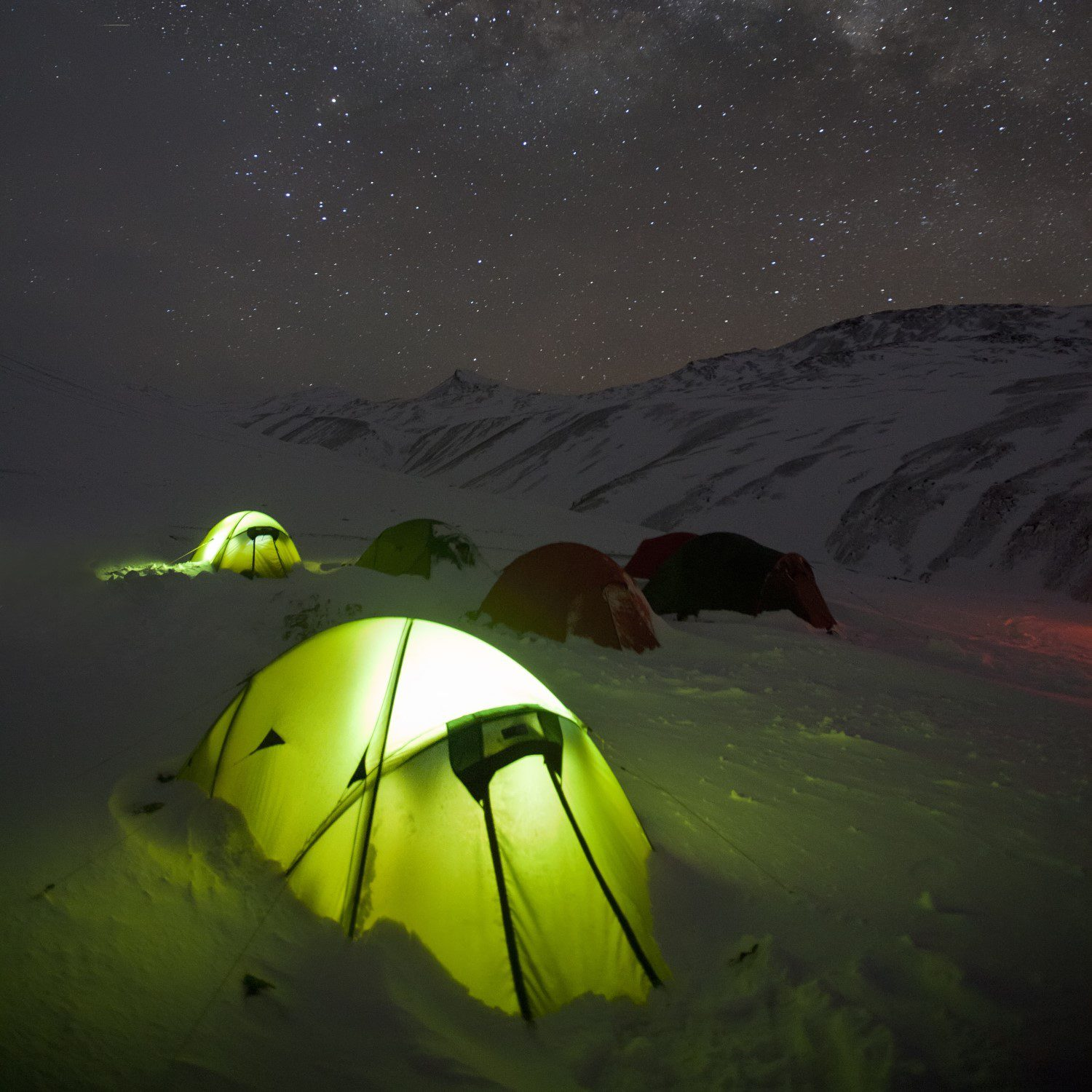
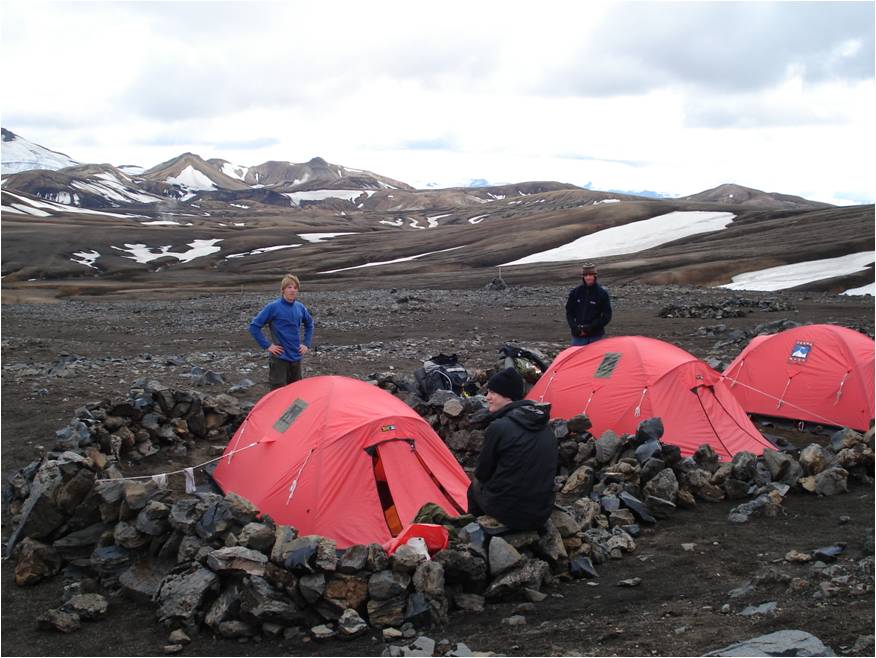
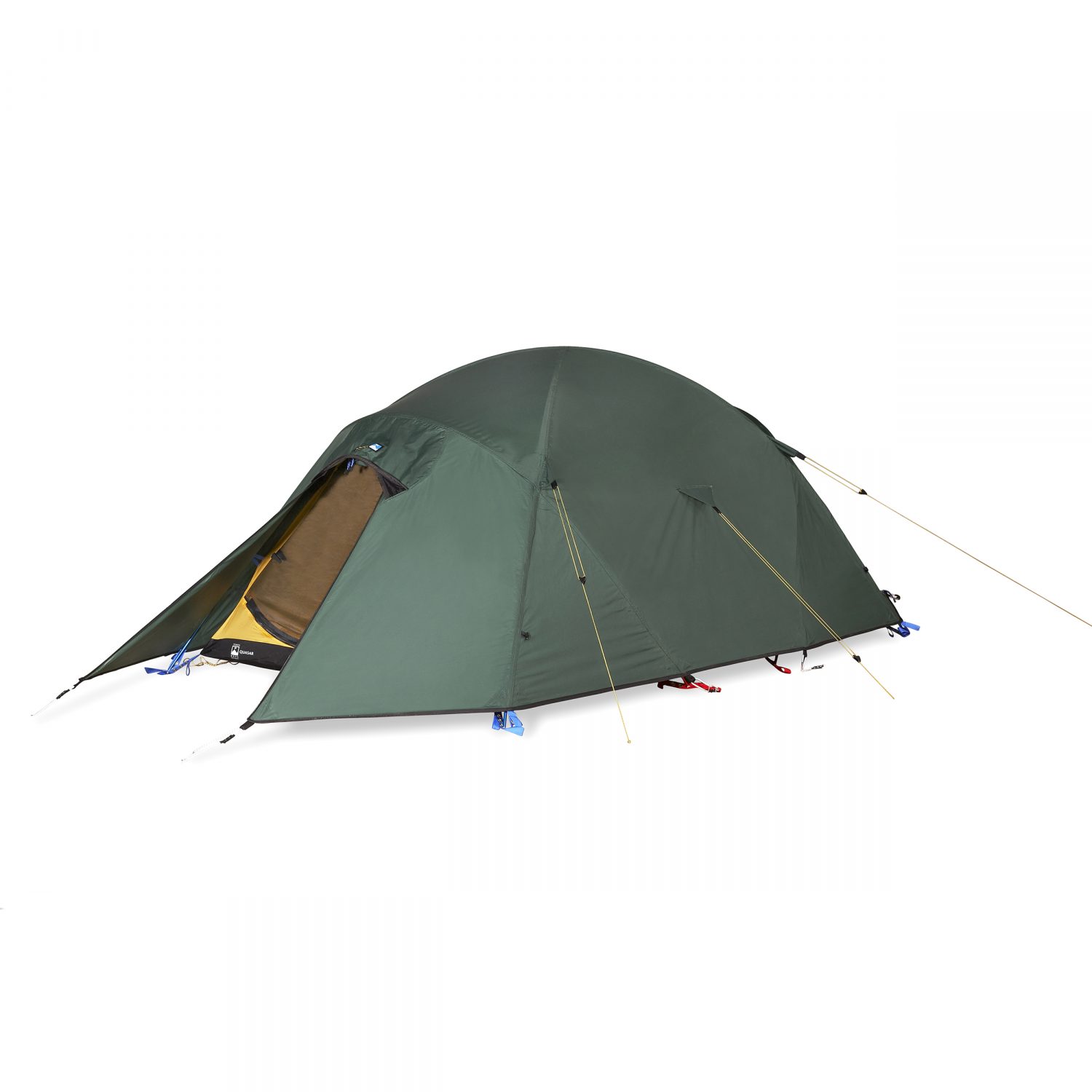
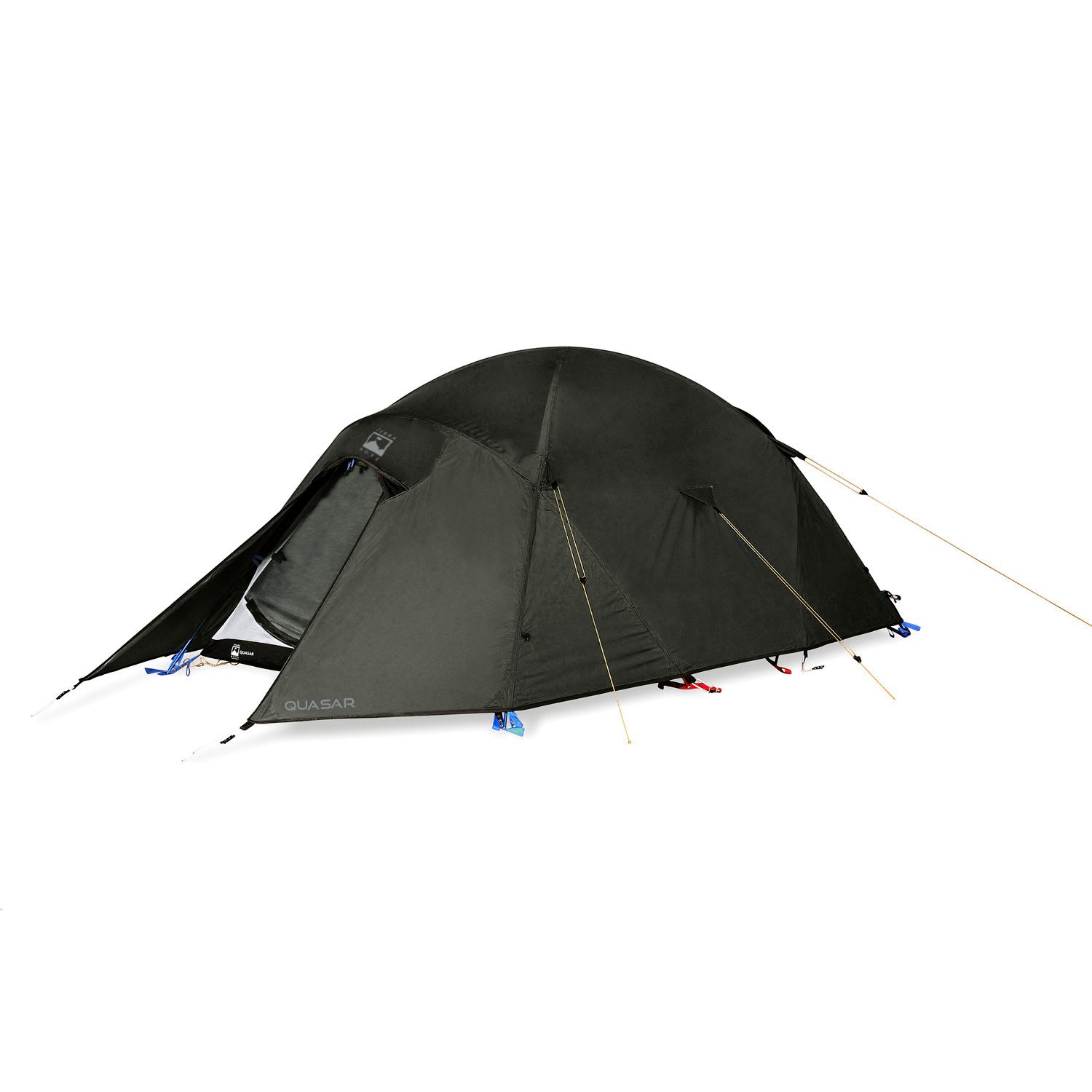
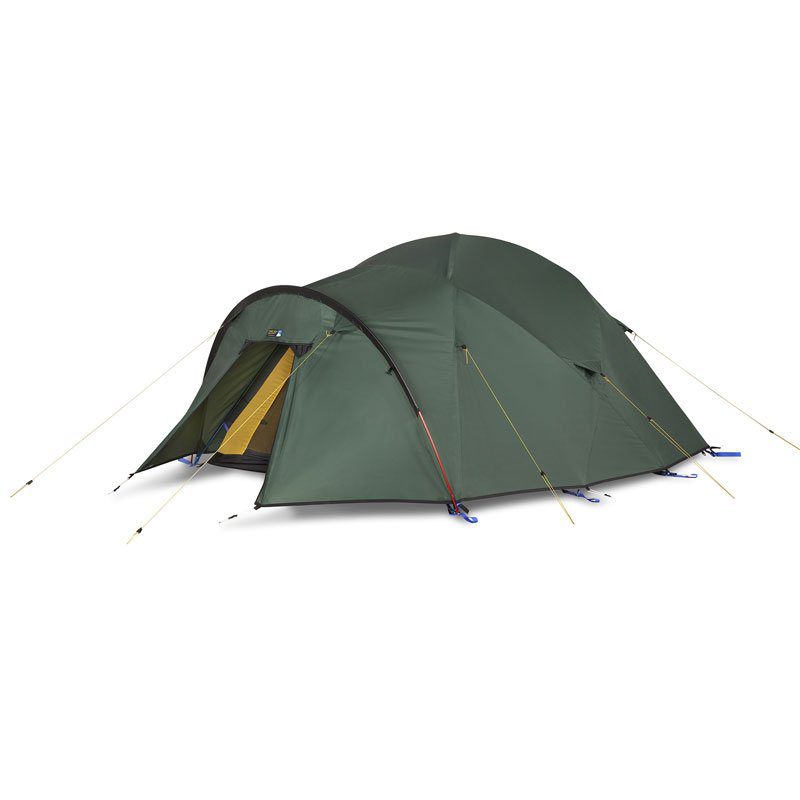
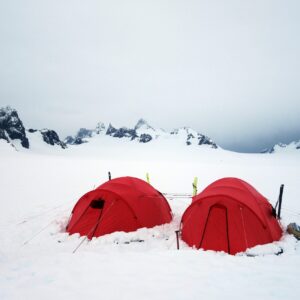
Strong winds and daily snowfall kept the team in base camp until August 13th, when the weather seemed to be clearing. After setting off from the base, the fine weather lasted less than 18 hours, and the team became trapped in very high winds at Camp 2. On August 19th, and in very strong winds, the team set off for Camp 3. Arriving there, they found extreme avalanche conditions and their snow cave buried under at least six feet of fresh snow. Lucky to retrieve their equipment, they descended in darkness to camp 2 and cleared the mountain on the 20th. The performance of the Wild Country tents on K2 was exceptional in every respect. Camp 2 on the Abruzzi spur was frequently battered by enormous winds and reduced to a tent graveyard with torn remains and broken poles everywhere. Only the Quasars we had pitched stood firm for the six weeks we had them at Camp 2.
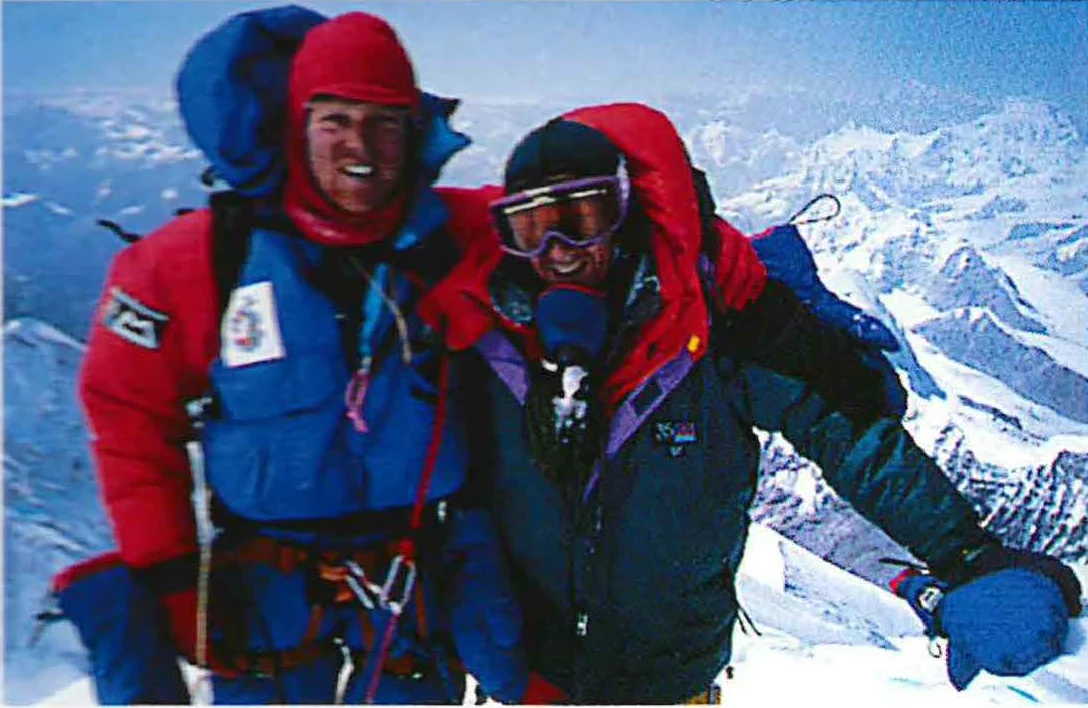
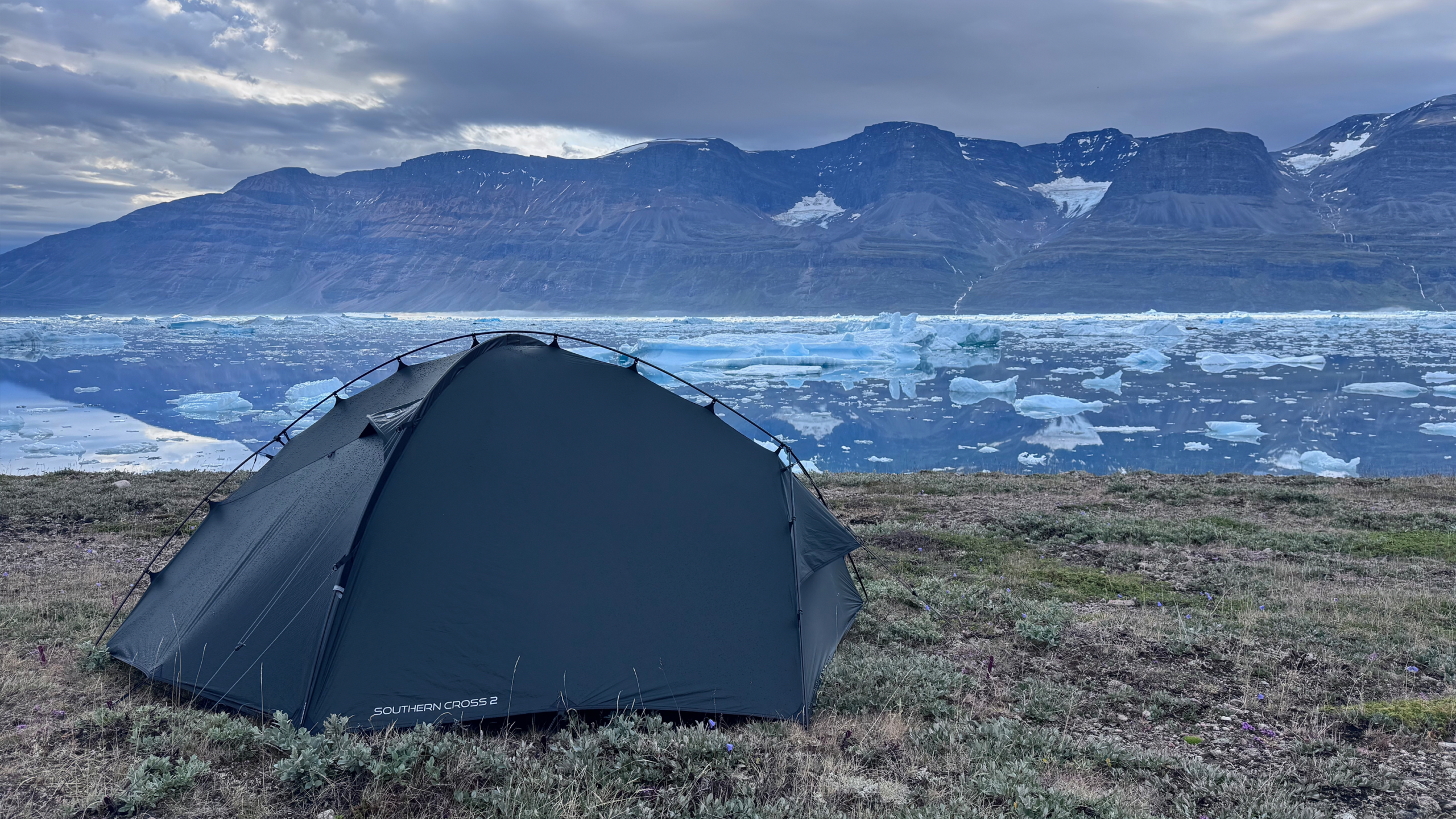
“Mountain travellers can try to ensure apositive impact on the destination area. It is in our gift to care for our most beautiful places and bring to the people who share them with us, our helpin return for theirs.”
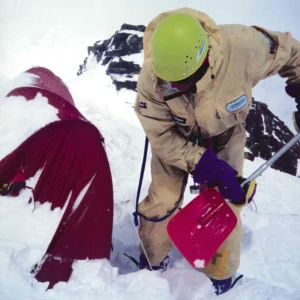
The excellent design of the tents meant that we not only survived the worst weather K2 could throw at us, but we were also able to do so comfortably. At the end of the trip, despite being heavily iced into the tent platforms, we took great care to dig the tents out and, along with all our other equipment, carry them off the mountain.
View the original article in our 1994 brochure.
-
SALE FEATURED


Limited Edition Quasar Tent & Bundle
-
FEATURED
Murlan Elite 2 Tent
-
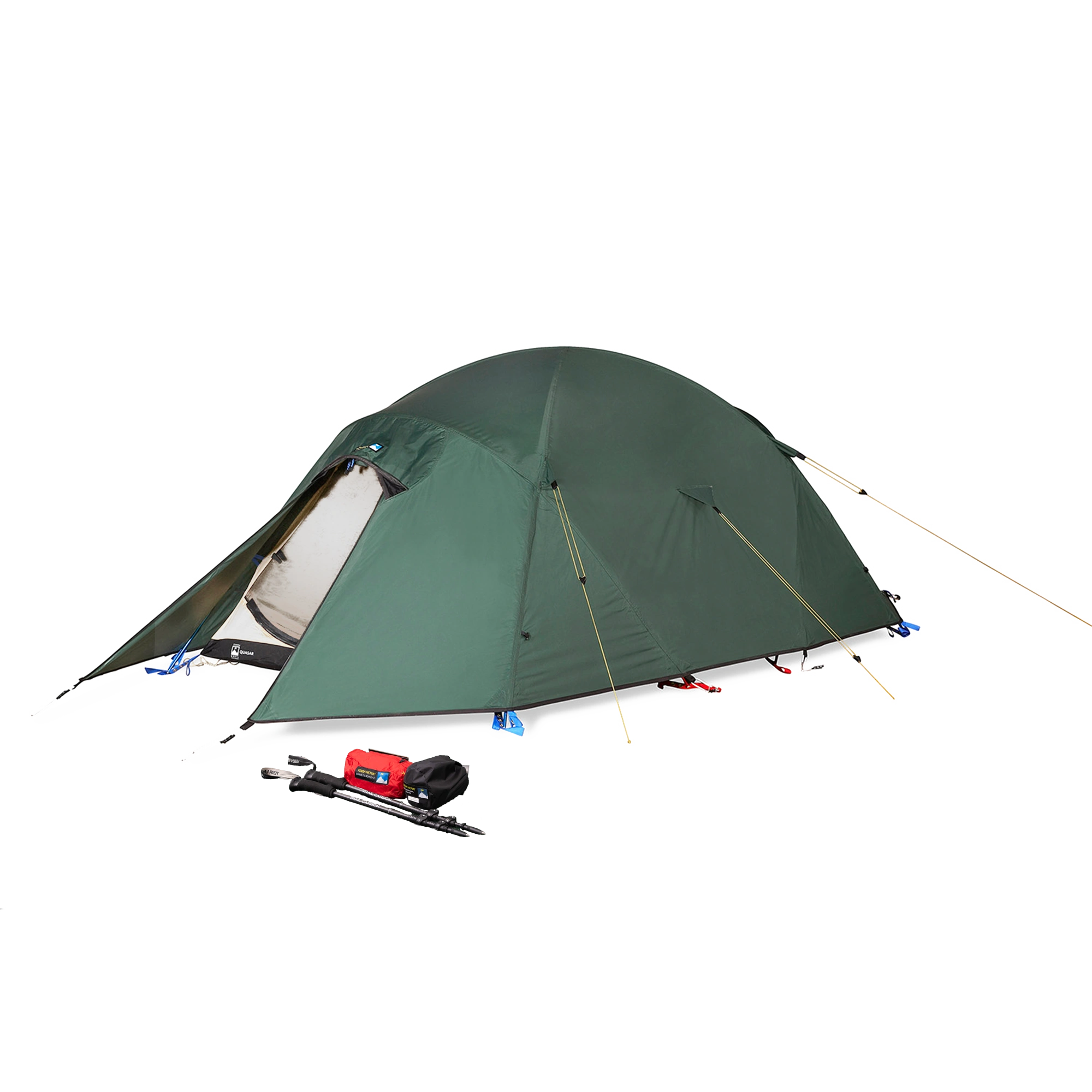
Expedition Quasar Tent
£1,100.00 Add to Pack This product has multiple variants. The options may be chosen on the product page -
Quasar Tent
-
Expedition Hyperspace Tent
£1,450.00 Add to Pack This product has multiple variants. The options may be chosen on the product page -
Expedition Terra Firma Tent
£1,800.00 Add to Pack This product has multiple variants. The options may be chosen on the product page -
Outlet – Expedition Terra Firma Tent – Grade A
-
Expedition Cosmos Tent
£5,600.00 Add to Pack This product has multiple variants. The options may be chosen on the product page -
Outlet – Murlan Elite 2 Tent – Grade B
-
SOLD OUT
Expedition Super Quasar Tent
£1,200.00 Add to Pack This product has multiple variants. The options may be chosen on the product page



Planning Something Ambitious?
Our archive of expeditions isn't marketing; it's a record of what our tents, shelters, and apparel have actually survived, written by the people who were there. From first ascents in the Karakoram to four months on Ellesmere Island. But our history isn’t just about where we’ve been; it’s about where we’re going next.
We support a small number of genuine, objective-led expeditions every year. If you’re putting together a capable team with a clear plan and a story to tell, we’d love to hear about it.