
The Cambridge & St Andrews Karakoram Expedition
Read the original report here
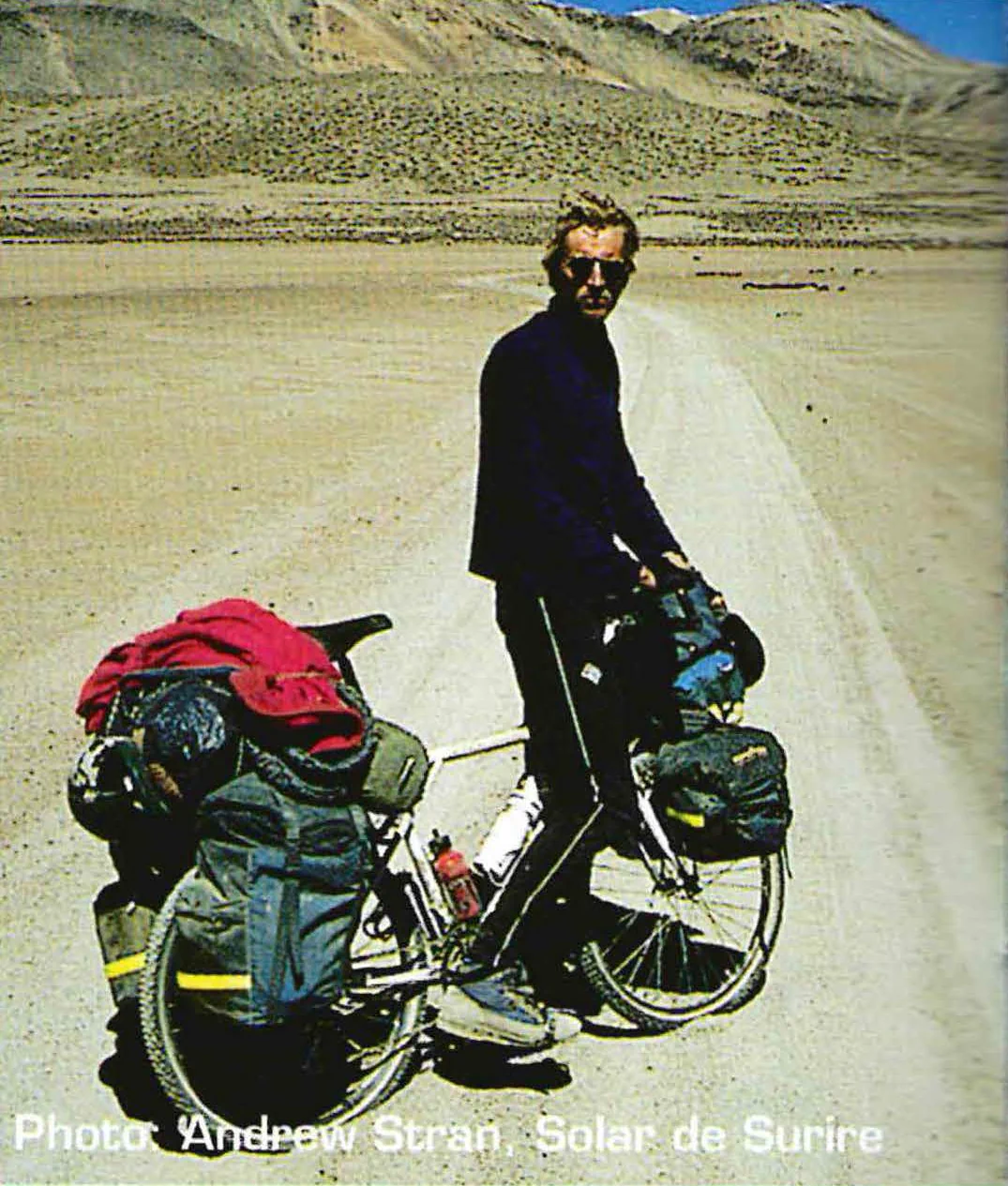
In the summer of 1987 four of us, two from Cambridge and two from St Andrews, walked five days up the Biafo Glacier to make first ascents of three unclimbed peaks, and ran a plant survey for St Andrews University along the way.
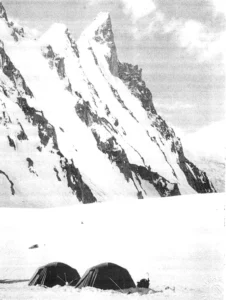
We chose the Biafo Region of the Karakoram because Pakistan’s rules for climbing below 6000m in non-sensitive areas involved little red tape, and no liaison officer. Our team was Struan Gray (leader), Bruce Hubbard (co-leader and chief scientist), Matthew Powell (medical officer) and Robert Rider. Between us we carried a scientific programme for St Andrews University Plant Biology Department alongside the climbing.
Skardu gave us an extra week we hadn’t asked for. Our freight took ten days to arrive instead of three, our first sirdar Wolam Abbas turned out to be a complete waste of space and was sacked, and we replaced him through Baltistan Tours with Ghulam Nabi, who had been to the Baltoro sixty three times. He became a firm friend well before we reached Base Camp.
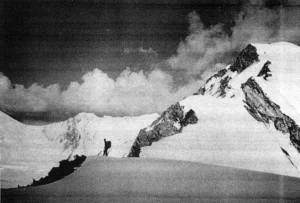
The walk in took six days, up the Braldu Gorge to Askole, where Haji Mhdi, King of the Baltoro, received us with tea and eggs, then onto the Biafo Glacier itself. Rob disturbed a five foot boulder on the moraine, which crushed him against a rock before rolling clear; he was shaken and badly bruised, and carried a lighter load for the rest of the walk. We reached Base Camp, 13,500ft on the glacier’s SW bank, on 24 July.
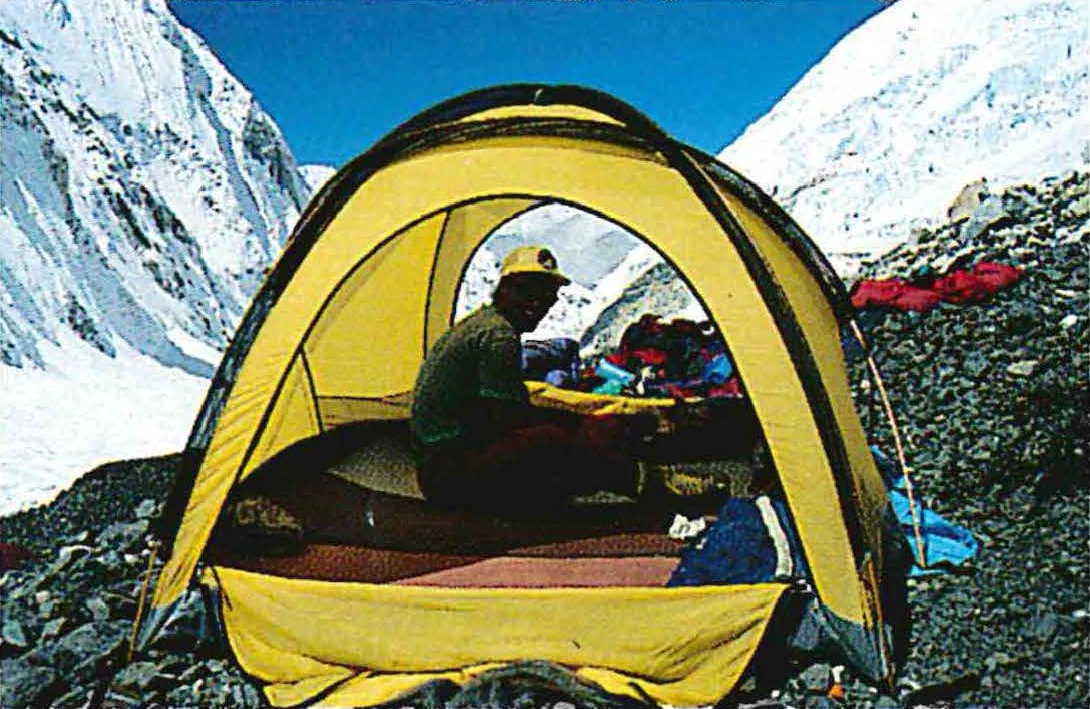
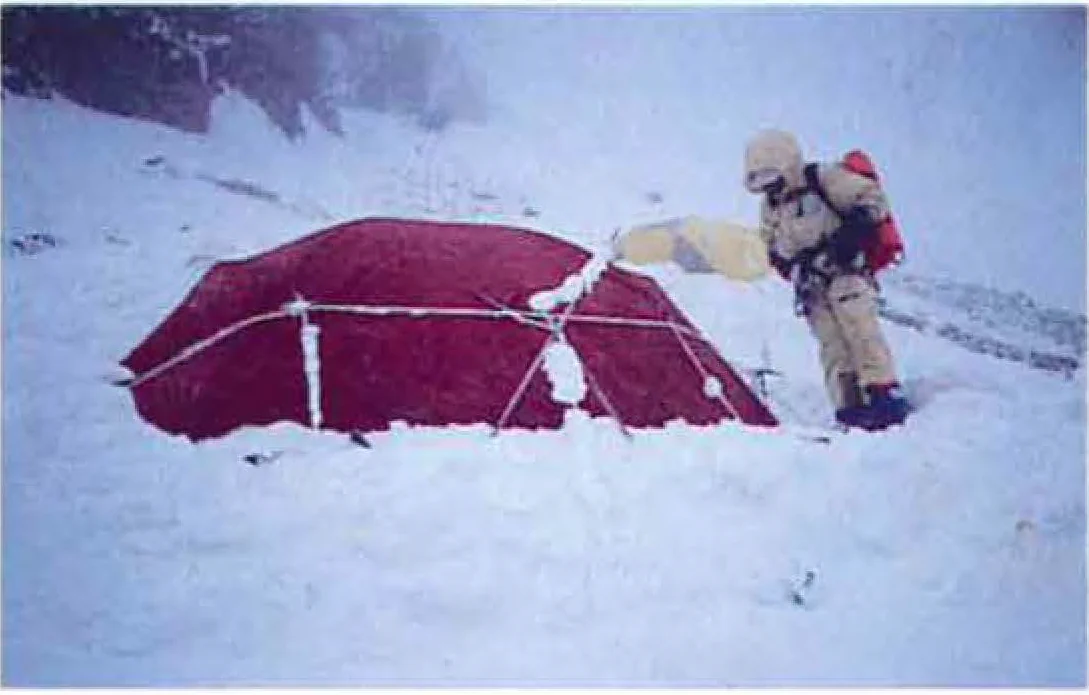
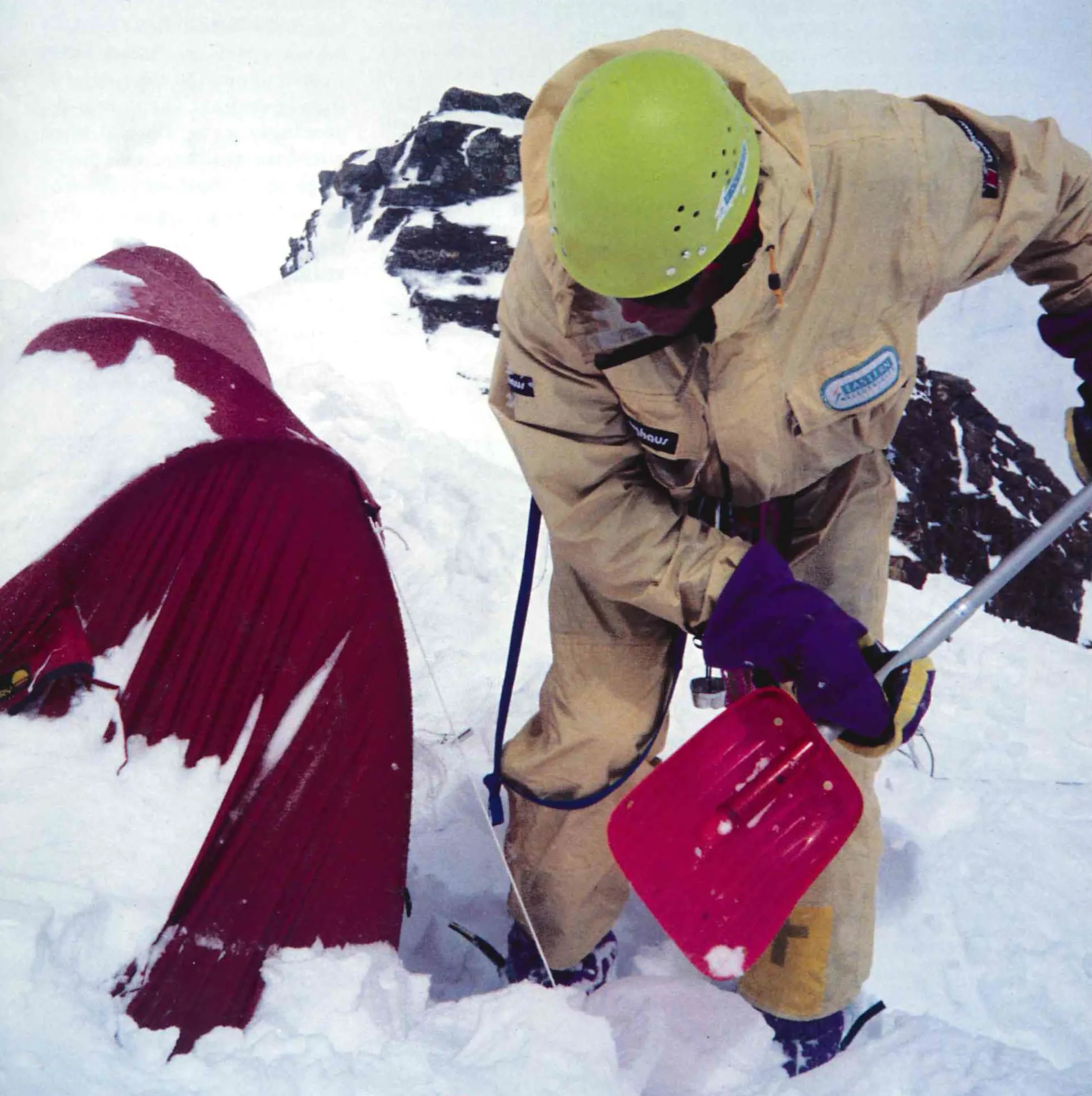
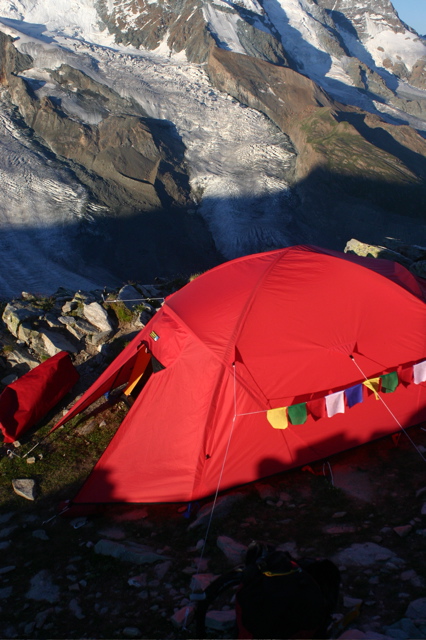
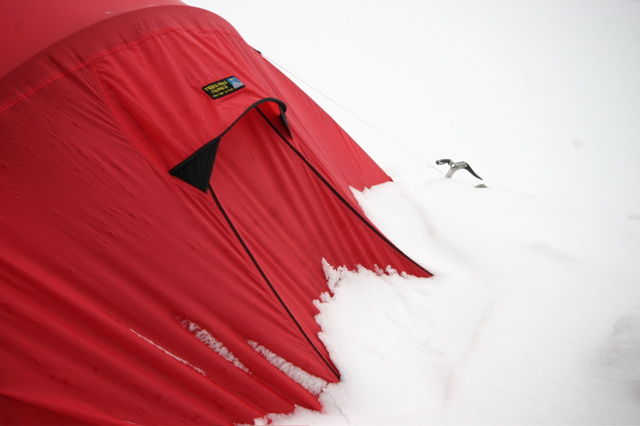
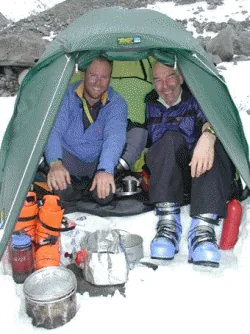
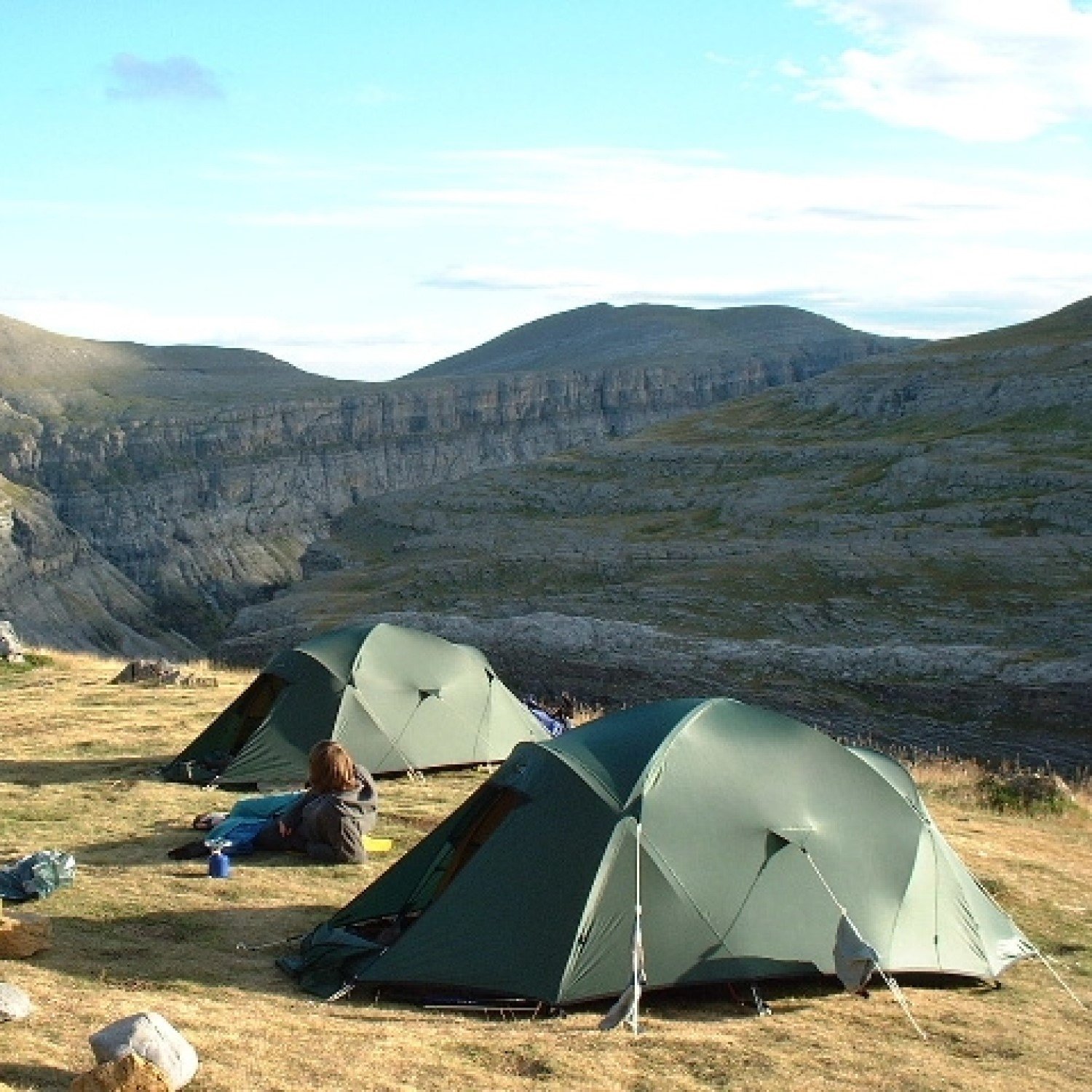
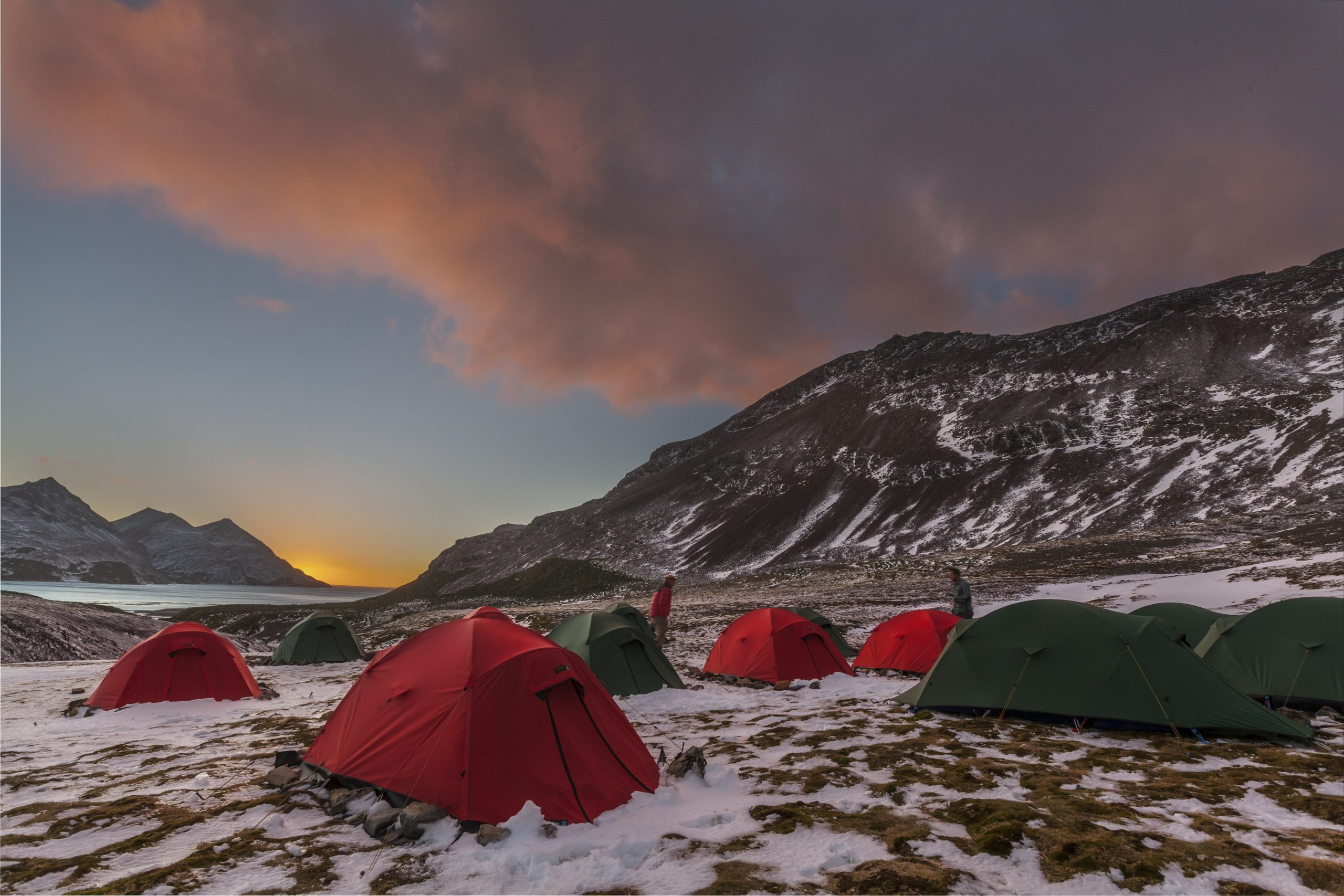
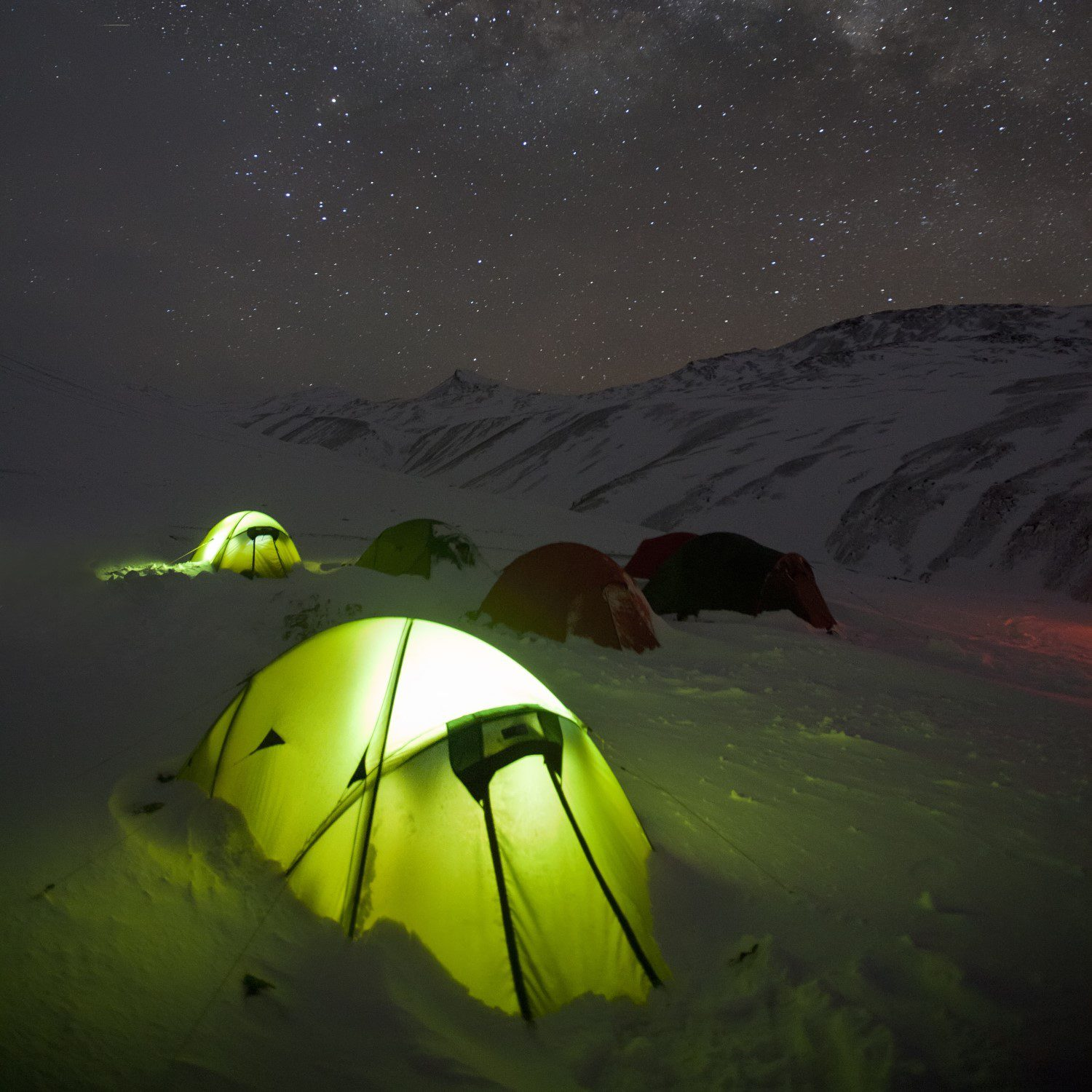
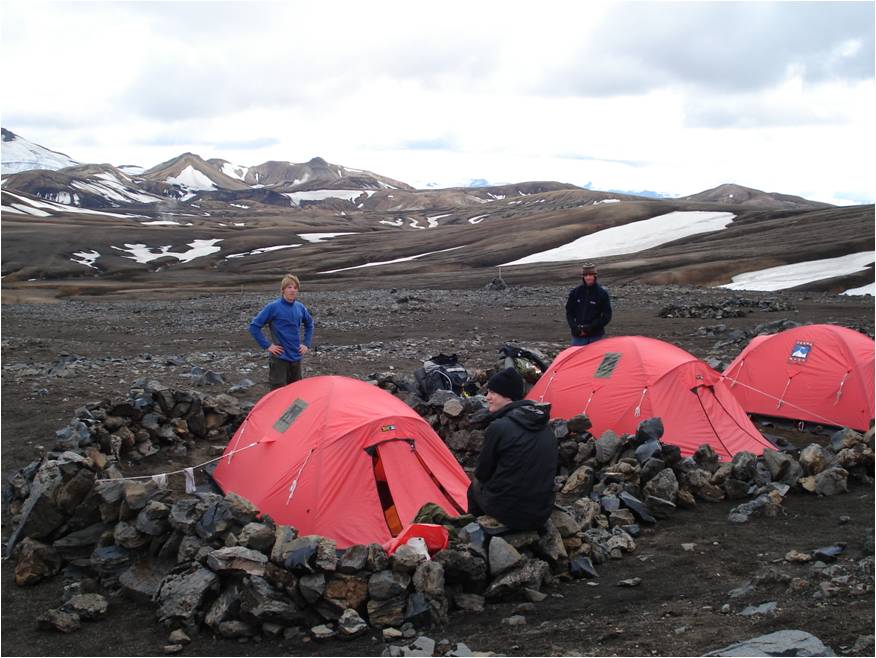
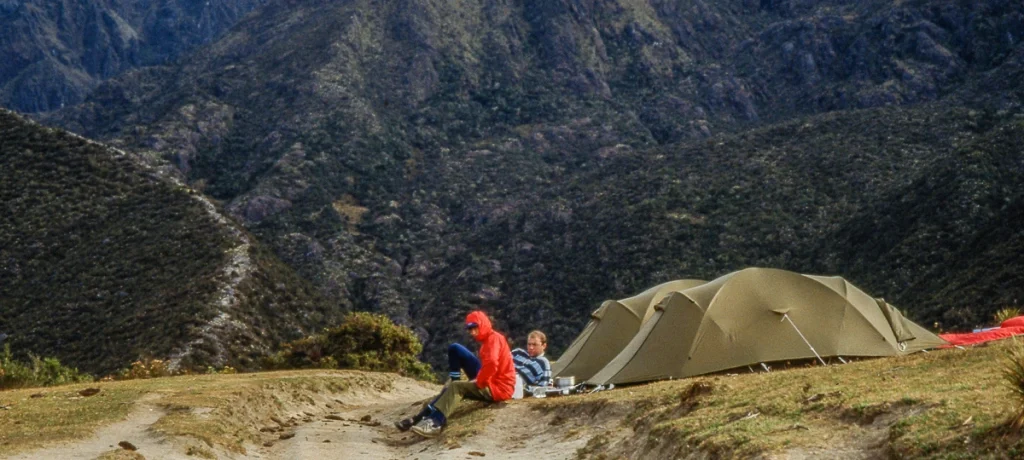
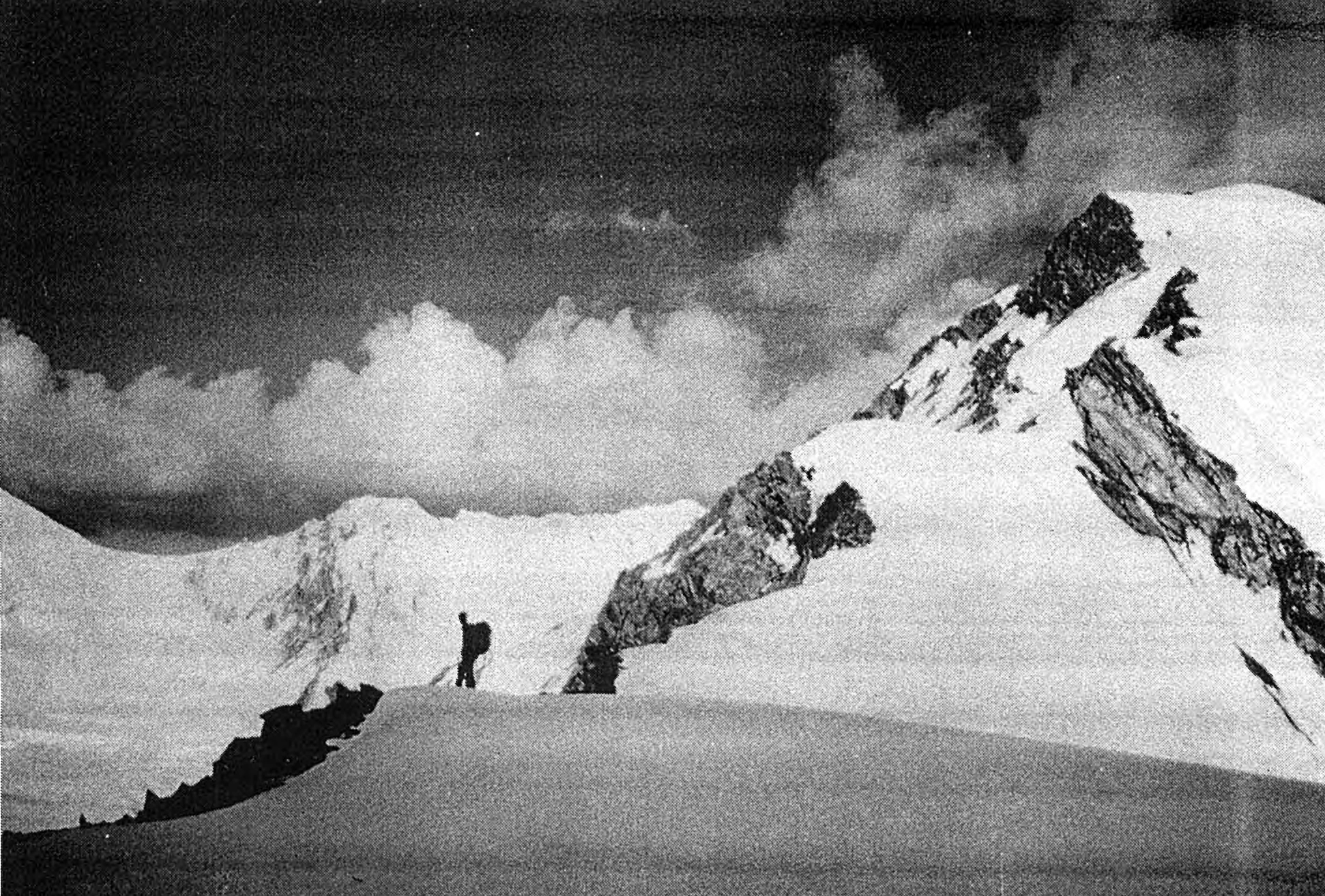
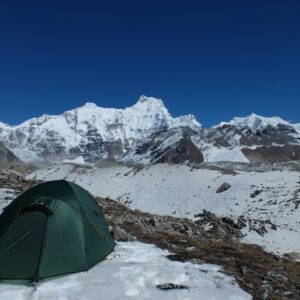
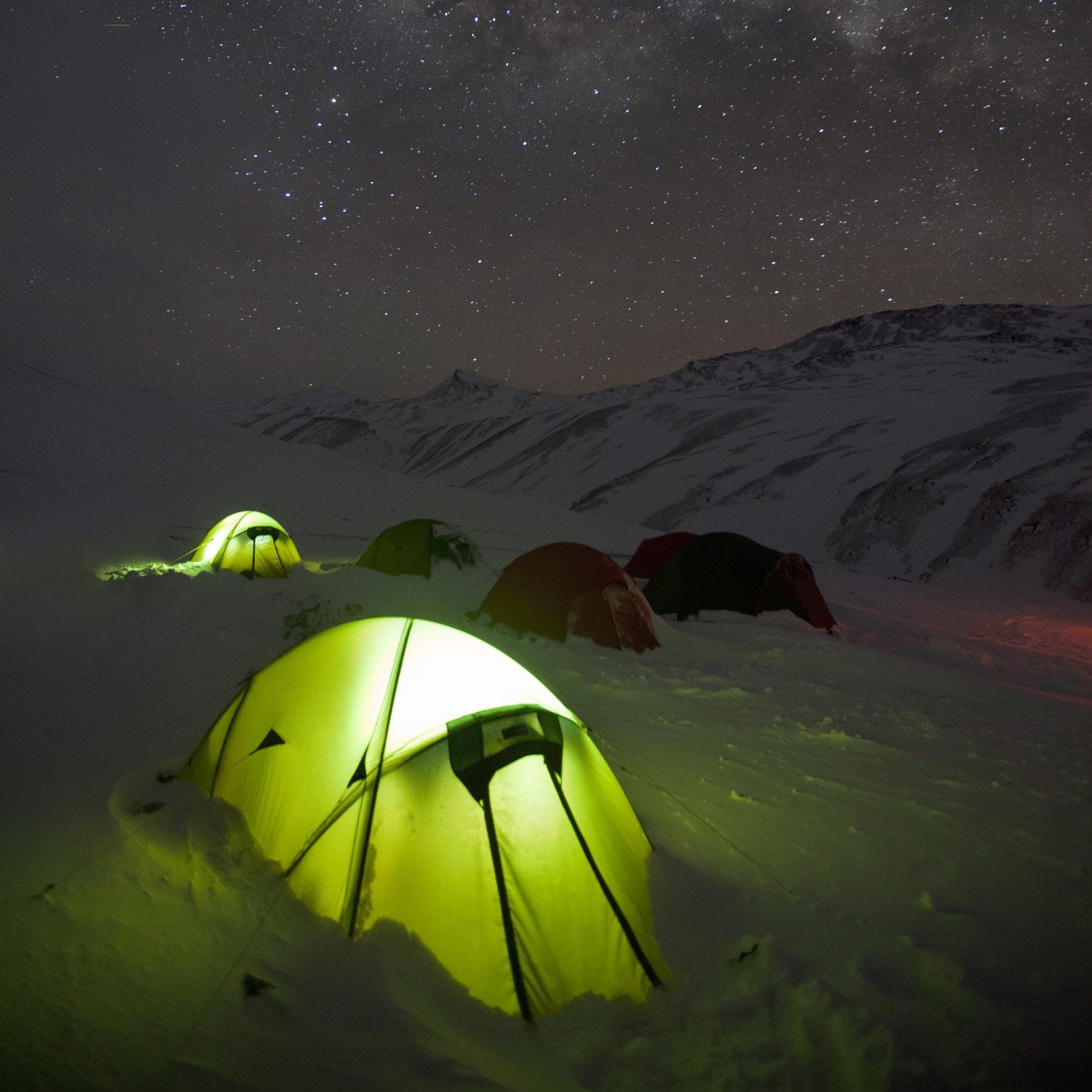
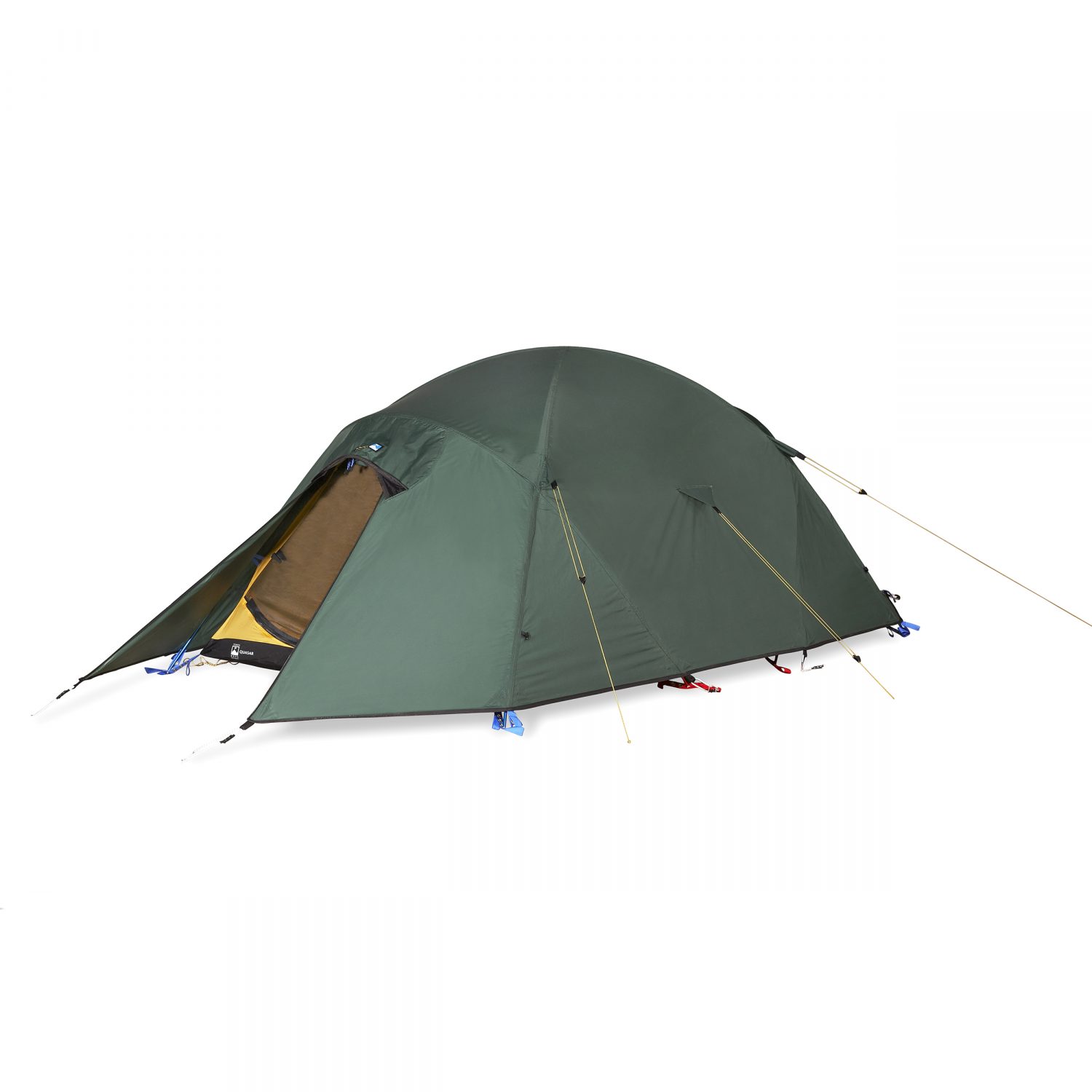
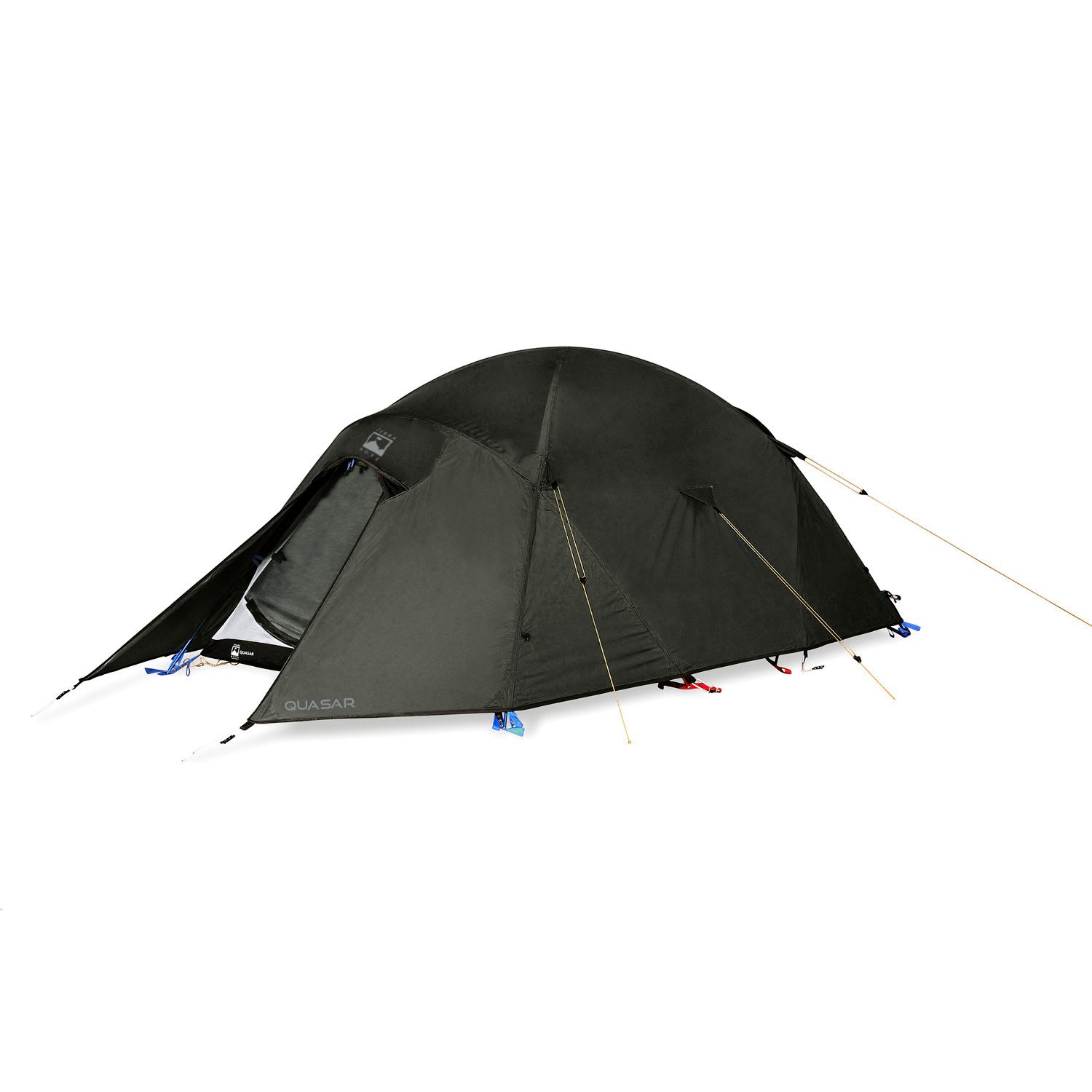
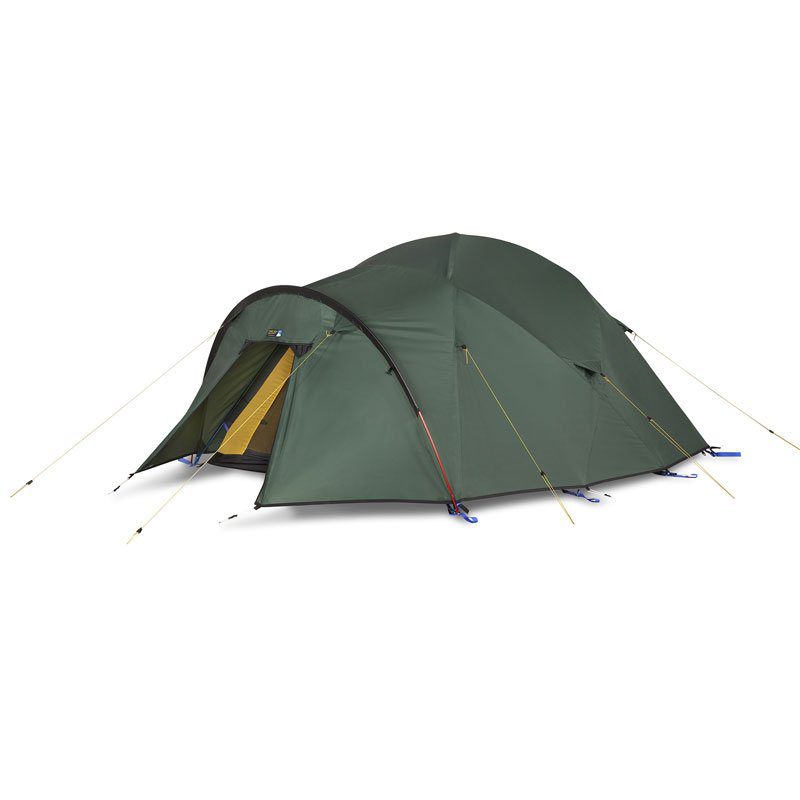
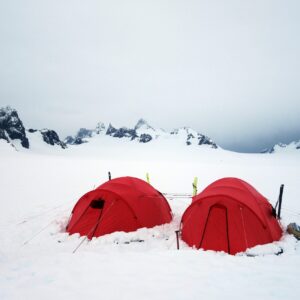
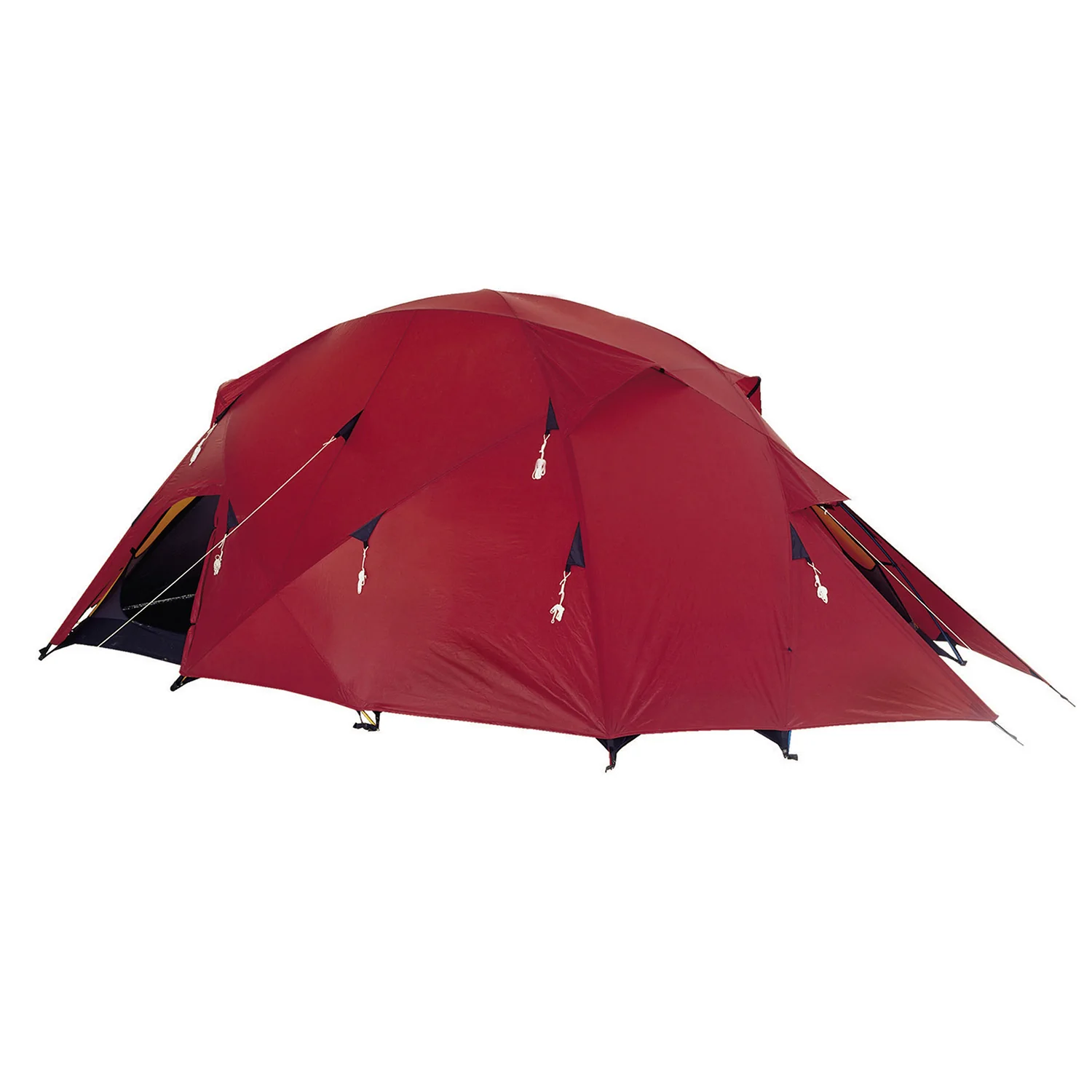
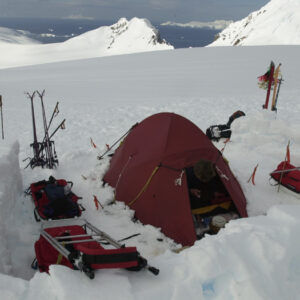
Our two Quasars stood face to face under a polythene canopy so we could cook outside even when it rained, which it did, or snowed, on eighteen of the twenty three days we spent on the glacier. We climbed alpine style throughout, no fixed camps or ropes, taking advantage of whatever brief clear spells came. Ho Bluk, 17,600ft, went first on 30 July, traversed by its NE and N Ridges. The Goblin, 18,600ft, followed on 5 August after one aborted attempt and three days pinned down waiting for the weather.
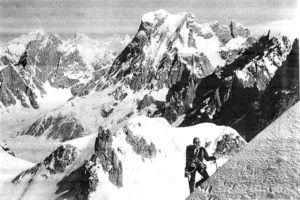
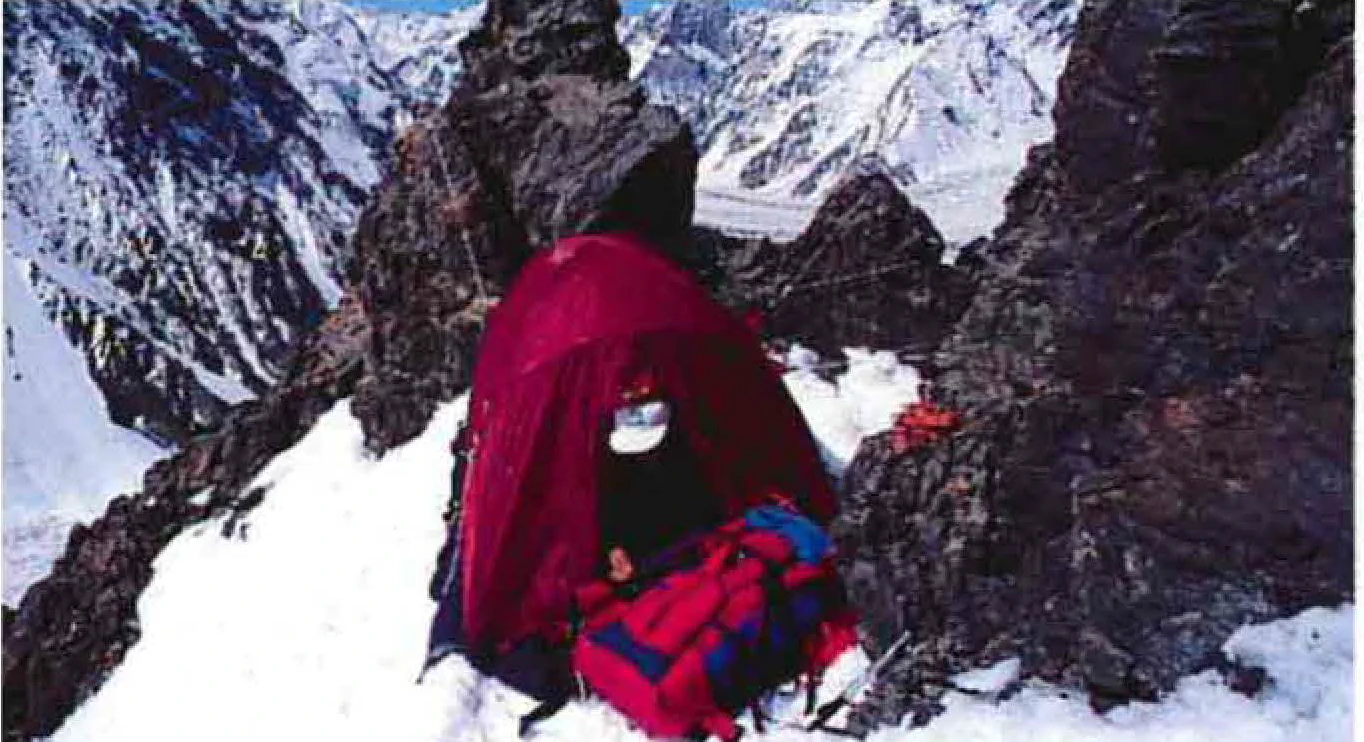
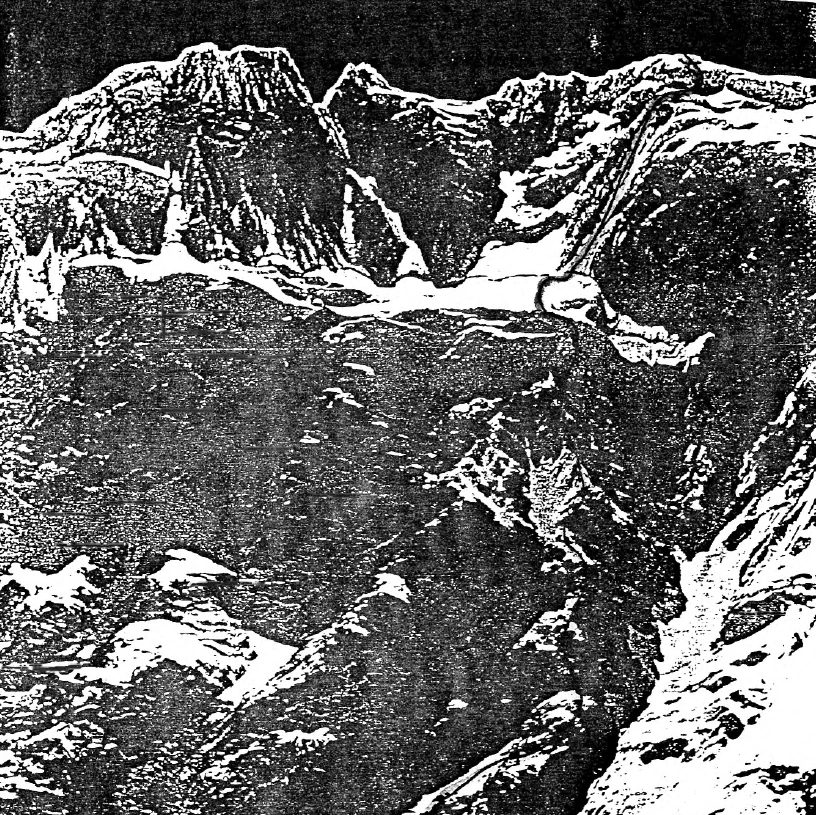
Ghur, at 19,000ft our main objective, took Struan, Bruce and Matthew 23 hours from Advance Base and back, up the North Face and down over the subsidiary peak at 18,900ft once the sun made the original line too dangerous to reverse. Rob, whose technical ability wasn’t up to the route, stayed behind as Advance Base Wallah and had food and tea waiting when they got in.
The very top we left to a team less enamoured of life; the last twenty feet consisted of madly piled, loose, overhanging blocks and flakes. We were content with our ledge and a cup of tea.
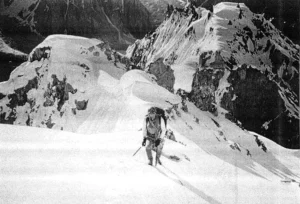
Before dropping off to sleep we graded it ED+++++, and downgraded this to D+ the next morning. Back at Base Camp we found our stores cache ransacked. The culprit was a five foot bear, who gave a friendly snuffle as he came back for a second sitting at what must have been the richest meal of his life, having already accounted for twenty Mars Bars, fifteen Dairy Milk and our first seed thermos. Three miniflares between the ears in quick succession sent him off up the hillside, and he confined himself after that to marking his territory outside our tent door.
The walk out took five days with a fresh set of porters, one of whom, Furman, Haji Mhdi’s nephew, travelled overnight to Skardu on his own initiative to fetch us a jeep. We flew back to Islamabad on 24 August and reached the UK a week later.
EXPEDITION RESULTS
Alongside the three first ascents, we ran a scientific programme for St Andrews University Plant Biology Department. Forty five species of high altitude flora were collected and catalogued around Base Camp, identified with help from the Royal Botanic Garden Edinburgh’s Herbarium. A survey of 794 Salix karelini plants across six sites found a marked female skew, 74.3% female against 25.7% male, supporting the case for sexual dominance in arctic willows at high altitude. A parallel seed collection trial, comparing dried and chilled storage, was disrupted when the resident bear ate the first thermos, though a second batch made it home for germination testing at St Andrews.
-
SALE FEATURED


Limited Edition Quasar Tent & Bundle
-
FEATURED
Murlan Elite 2 Tent
-
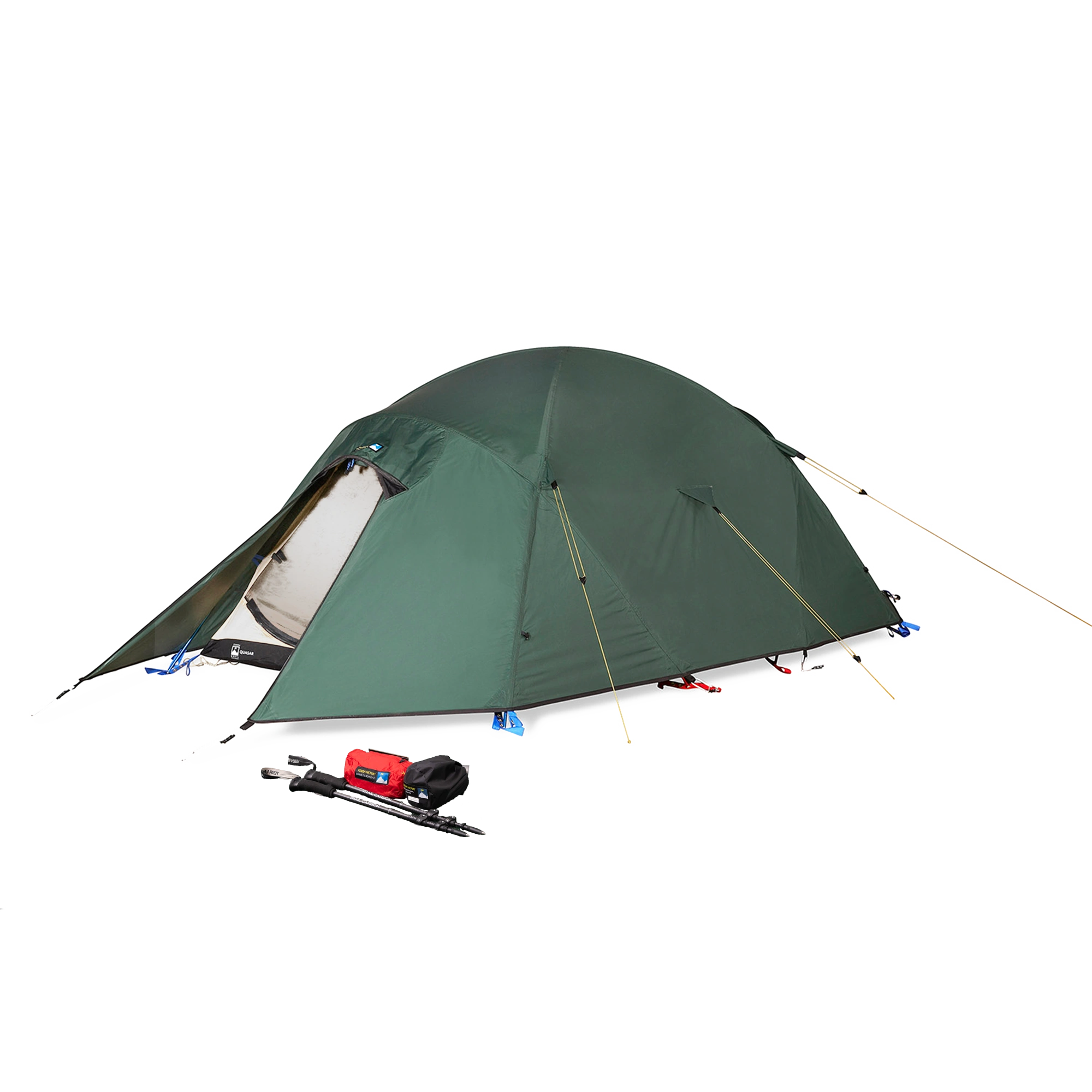
Expedition Quasar Tent
£1,100.00 Add to Pack This product has multiple variants. The options may be chosen on the product page -
Quasar Tent
-
Expedition Hyperspace Tent
£1,450.00 Add to Pack This product has multiple variants. The options may be chosen on the product page -
Expedition Terra Firma Tent
£1,800.00 Add to Pack This product has multiple variants. The options may be chosen on the product page -
Expedition Cosmos Tent
£5,600.00 Add to Pack This product has multiple variants. The options may be chosen on the product page -
Outlet – Murlan Elite 2 Tent – Grade B
-
SOLD OUT
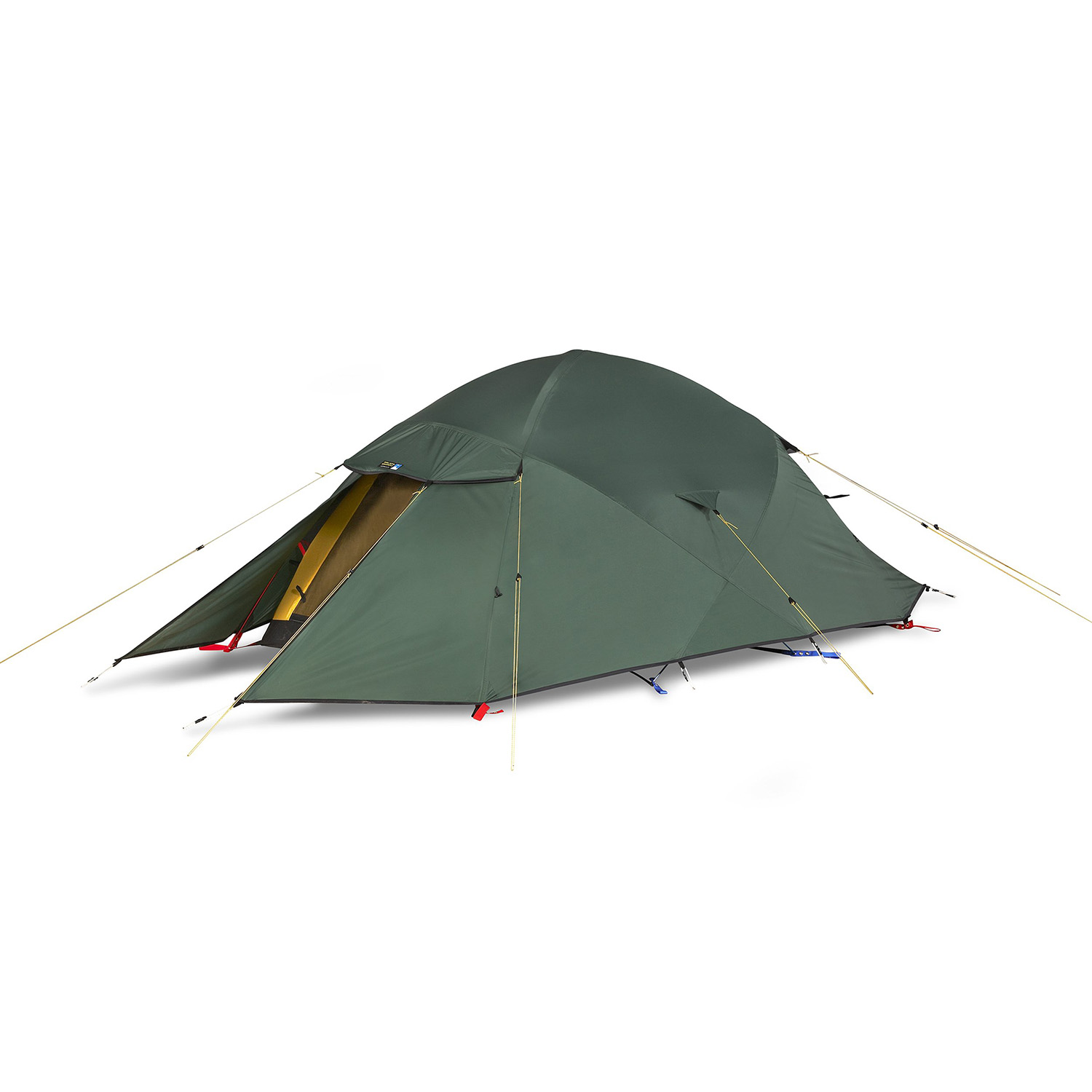
Expedition Super Quasar Tent
£1,200.00 Add to Pack This product has multiple variants. The options may be chosen on the product page



Planning Something Ambitious?
Our archive of expeditions isn't marketing; it's a record of what our tents, shelters, and apparel have actually survived, written by the people who were there. From first ascents in the Karakoram to four months on Ellesmere Island. But our history isn’t just about where we’ve been; it’s about where we’re going next.
We support a small number of genuine, objective-led expeditions every year. If you’re putting together a capable team with a clear plan and a story to tell, we’d love to hear about it.