
The Wild Camping Kit List: What to Take for Your First Night Out
There’s a version of camping that needs a roof box and a second car. This isn’t that.
Wild camping means carrying everything on your back, pitching somewhere with no facilities, and leaving no sign you were there. The kit list is shorter than a campsite list, but every item has to earn its place, because you’re carrying it up a hill.
We’ve been making tents in Derbyshire since 1976, and most of what follows comes from watching what actually fails in the field and what comes back to us for repair. Use this as a starting point and adapt it. Your first few trips will teach you what you personally don’t need.
Jump to: Legal bit · Shelter & sleep · Pack & carry · Cooking & water · Clothing · Navigation & safety · Personal · Repairs · What to leave at home · FAQs · Download the list
First: where you’re actually allowed to do this
Worth getting right before you pack anything.
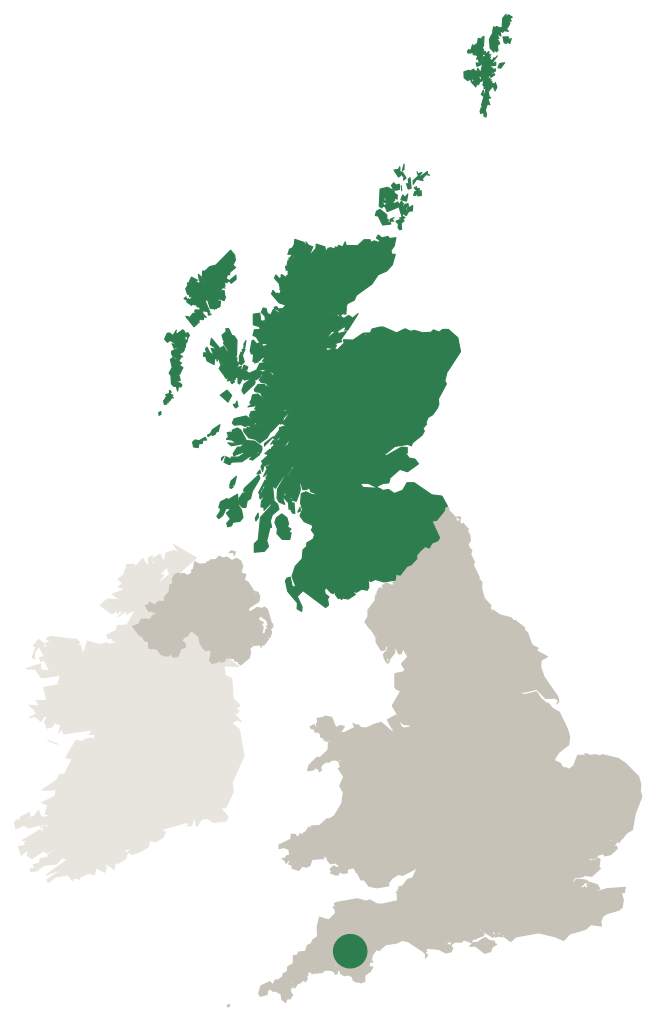
Scotland: wild camping is a legal right under the Land Reform (Scotland) Act 2003, provided you camp responsibly under the Scottish Outdoor Access Code: small tent, small group, two or three nights maximum in one spot, leave no trace.
The exception is Loch Lomond & The Trossachs National Park, where Camping Management Zones require a permit from 1 March to 30 September. Permits are £4.50 per tent per night, booked through the National Park’s own site, and summer weekends go weeks in advance. Outside the zones and outside that window, normal access rights apply. Note the byelaws are currently under a ten-year review, so check before you travel.
England and Wales: There is no general right to wild camp. Legally, you need the landowner’s permission.
Dartmoor is the exception. In May 2025, the Supreme Court unanimously upheld the public’s right to wild camp on the Dartmoor Commons under the Dartmoor Commons Act 1985, dismissing the Darwalls’ appeal. Dartmoor remains the only place in England and Wales where wild camping is a legal right rather than a tolerated practice. The National Park publishes a map of where it’s permitted and a code of conduct follows.
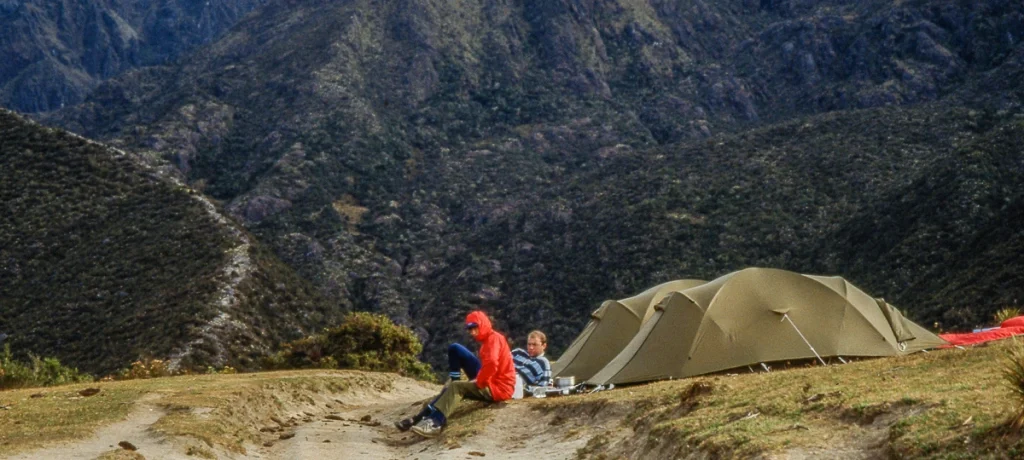
Everywhere else, the practical convention is: high ground, well away from buildings and roads, arrive late, leave early, pitch one small tent, and leave the site cleaner than you found it. That’s not a legal defence, but it’s why most upland wild camping goes unremarked.
Related: Best wild camping spots in Dartmoor · Best wild camping spots in Scotland · Best wild camping spots in Snowdonia · Best wild camping spots in the Yorkshire Dales
Shelter and sleep system
The heaviest, most expensive and most consequential part of the list. Get this right, and everything else is detail.
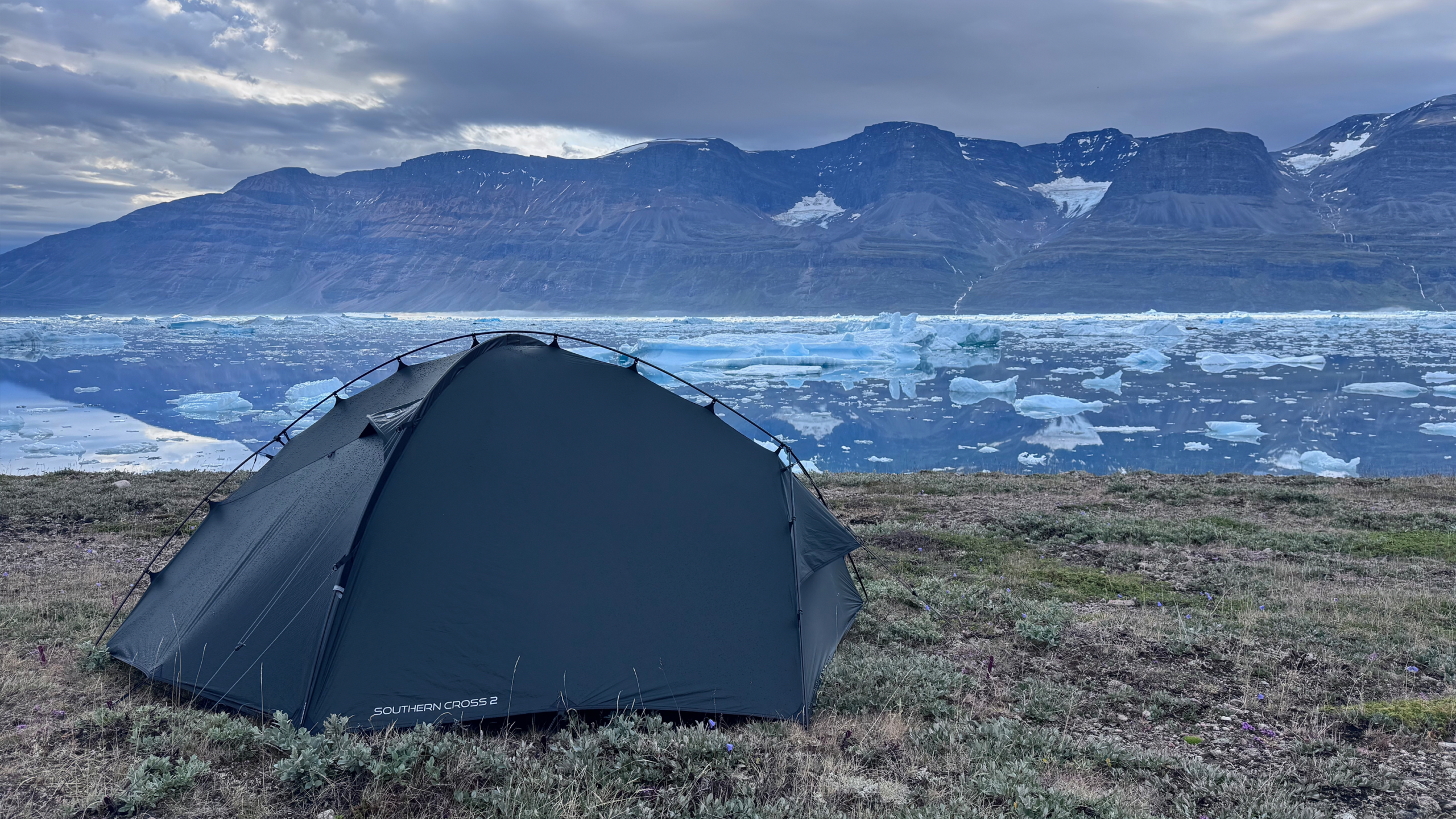
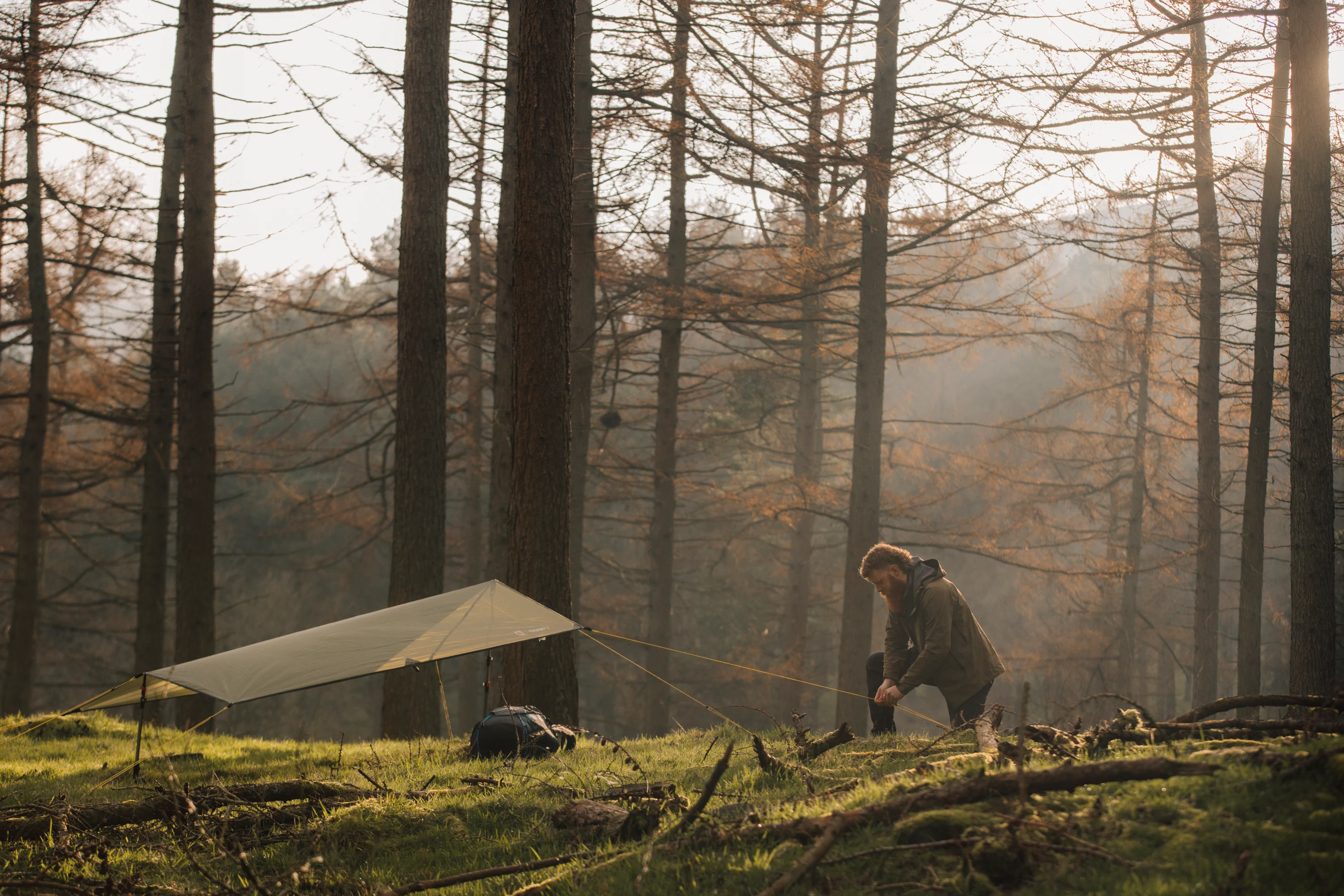
Tent: For wild camping, you want something you can pitch alone, in wind, on uneven ground, in the dark. Look for a low profile, a fly-first or all-in-one pitch, and enough porch to cook under. A 1-person tent is genuinely one person plus a pack; if you want room to sit out weather, size up.
Our Halny Range is the accessible entry into a proper backpacking tunnel. The Helm range and Hoolie Range add space and porch. For committing conditions, the Blizzard Range and the geodesic Murlan Range are built for exposed pitches and snow loading.
Footprint: Not optional on British ground. It takes the abrasion from gritstone, heather stubble and buried flint that would otherwise go through your groundsheet, and it keeps the tent floor clean when you pack a wet tent. Ours are cut to the exact tent footprint so they don’t collect run-off; a generic tarp cut oversize will funnel water underneath you.
Pegs: The pegs in the bag are a starting point, not the whole answer. Carry a mix. Alloy V-angle pegs hold in most upland ground; you want something longer and wider for soft peat or sand, and something you’re willing to bend on rock. Six spares weigh almost nothing and have saved more nights than any other item on this list.
Sleeping bag: Match the comfort rating to the low you actually expect, not the average. Down packs smaller for the same warmth; synthetic keeps more of its loft when damp, which matters more in Britain than most kit lists admit.
Sleeping mat: Insulation first, comfort second. The ground takes heat out of you faster than the air does. Look at the R-value, not the thickness.
Pillow: An inflatable pillow is 60–90g and the difference between sleeping and lying down.
Most “tent failures” in wind are pitching failures.
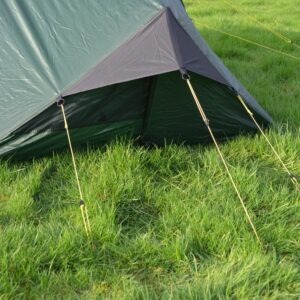
The pattern we see is consistent: guylines not deployed, or deployed slack. A fabric panel that can move can flog, and a panel that flogs will eventually tear at a seam. A tensioned panel just takes the load.
Pitch with the low end into the prevailing wind, use every guy point, and get the tension on before you get in not at 2am in your base layers. Re-tension before bed; nylon and polyester both relax as the temperature drops and the fabric takes on moisture.
If the ground won’t hold a peg, bury the peg horizontally under a rock as a deadman, or tie off to whatever’s available. A guyline anchored to a boulder beats a peg that isn’t in the ground.
Related: Tent pegs: how to choose the right one · A guide to choosing a 1 person tent · 3-season vs 4-season tents · Benefits of inner pitch first tents · Tent vestibules: what they are and why they’re useful
Pack and carry
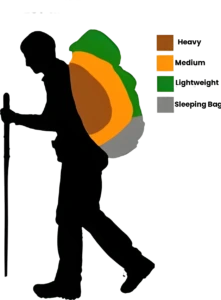
- A rucksack: 45–60L covers most 1–3 night trips. Fit matters more than volume: the hip belt should carry the weight, the shoulder straps should just stop it falling backwards.
- Dry bags or liners: Rucksacks are not waterproof, whatever the label says. A single large liner is lighter and more reliable than a pack cover, which will act as a sail and fill with water from below.
- Stuff sacks: sleeping bag, clothing, food. Being able to find things in the dark without emptying the pack is worth the few grams.
- Trekking poles: Take the load off knees on descent, give you two extra points of contact on wet rock, and double as tarp supports.
Cooking and water
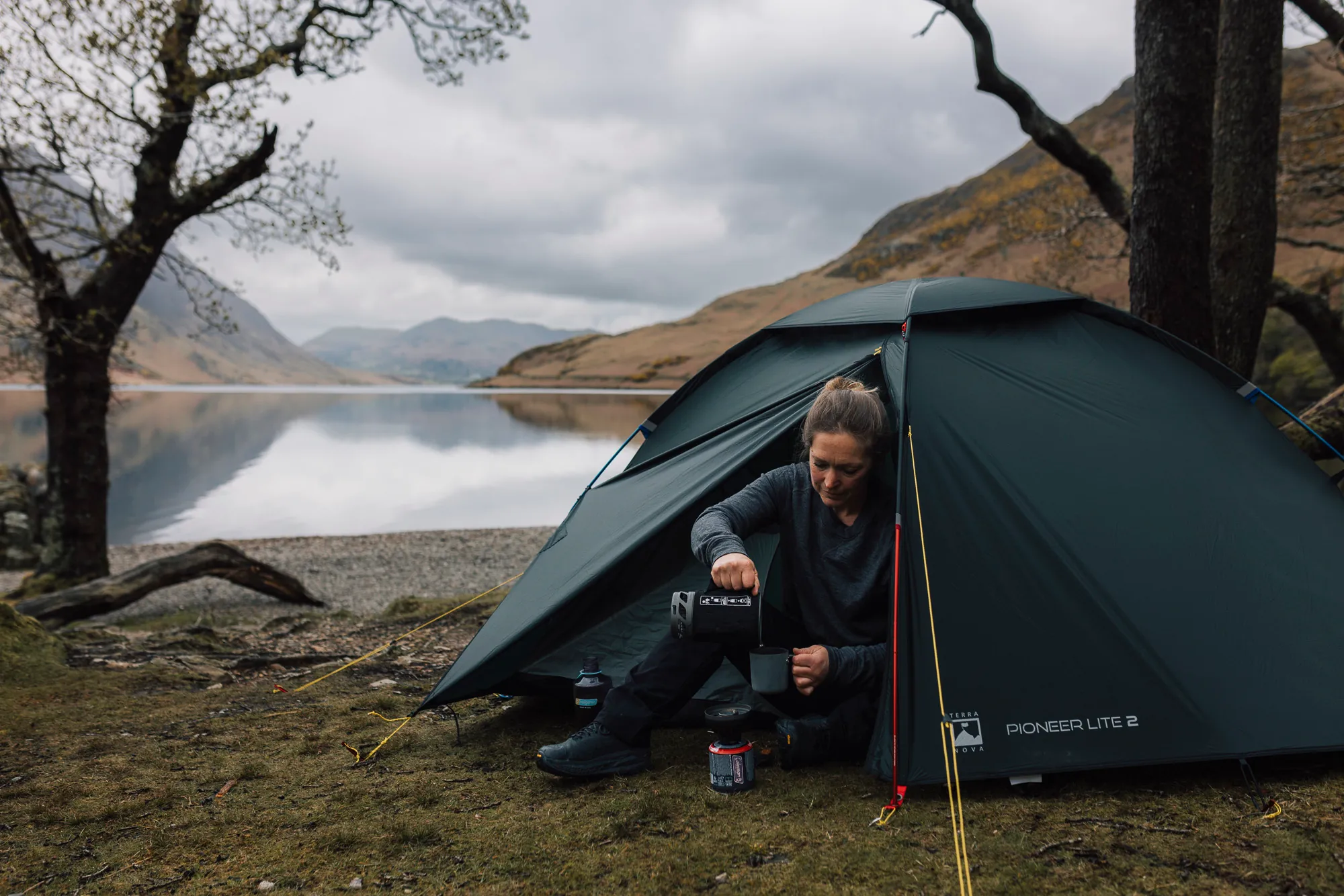
- Stove and fuel: An integrated canister system boils fastest and is the easiest one-handed. Remote-canister and liquid fuel stoves are steadier in the cold and better for actual cooking. Take more gas than you think; cold canisters run down faster.
- Pot or mug: One vessel does everything if you’re eating rehydrated food.
- Spork: Long-handled if you’re eating out of a pouch.
- Lighter, plus matches as backup: Two ignition methods, stored separately.
- Water bottles or bladder: 1.5–2L capacity, plus a way to carry more if you’re pitching away from a source.
- Filter or purification tablets: Upland running water is usually fine; anything below grazing, downstream of a track, or standing isn’t. Filter it.
- Food: Dinner, breakfast, and more snacks than you’d eat at home. Cold and altitude both push your calorie need up.
- Rubbish bag: Everything you carried in comes out with you, including food scraps and tea bags.
No Tent Heating: Never bring a stove, lantern, or burning fuel into a tent—inner or porch—solely to heat the space.
Cook Outside When Possible: Whenever weather permits, cook fully outside the shelter. Use the porch only as a last resort in extreme weather, with active ventilation and constant monitoring.
Never Leave Unattended: Never leave a lit stove unattended for any reason, even for a few seconds.
Related: Wild camping food ideas
Clothing and footwear
The rule is layers you can add and remove without stopping, and nothing cotton.
Worn or carried:
- Base layer, merino or synthetic
- Mid layer fleece or light insulation
- Insulated jacket for camp, when you stop moving and the temperature drops
- Waterproof jacket and overtrousers
- Walking trousers
- Walking socks, plus one dry pair kept exclusively for sleeping
- Boots or trail shoes
- Sun hat / warm hat depending on season
- Gloves
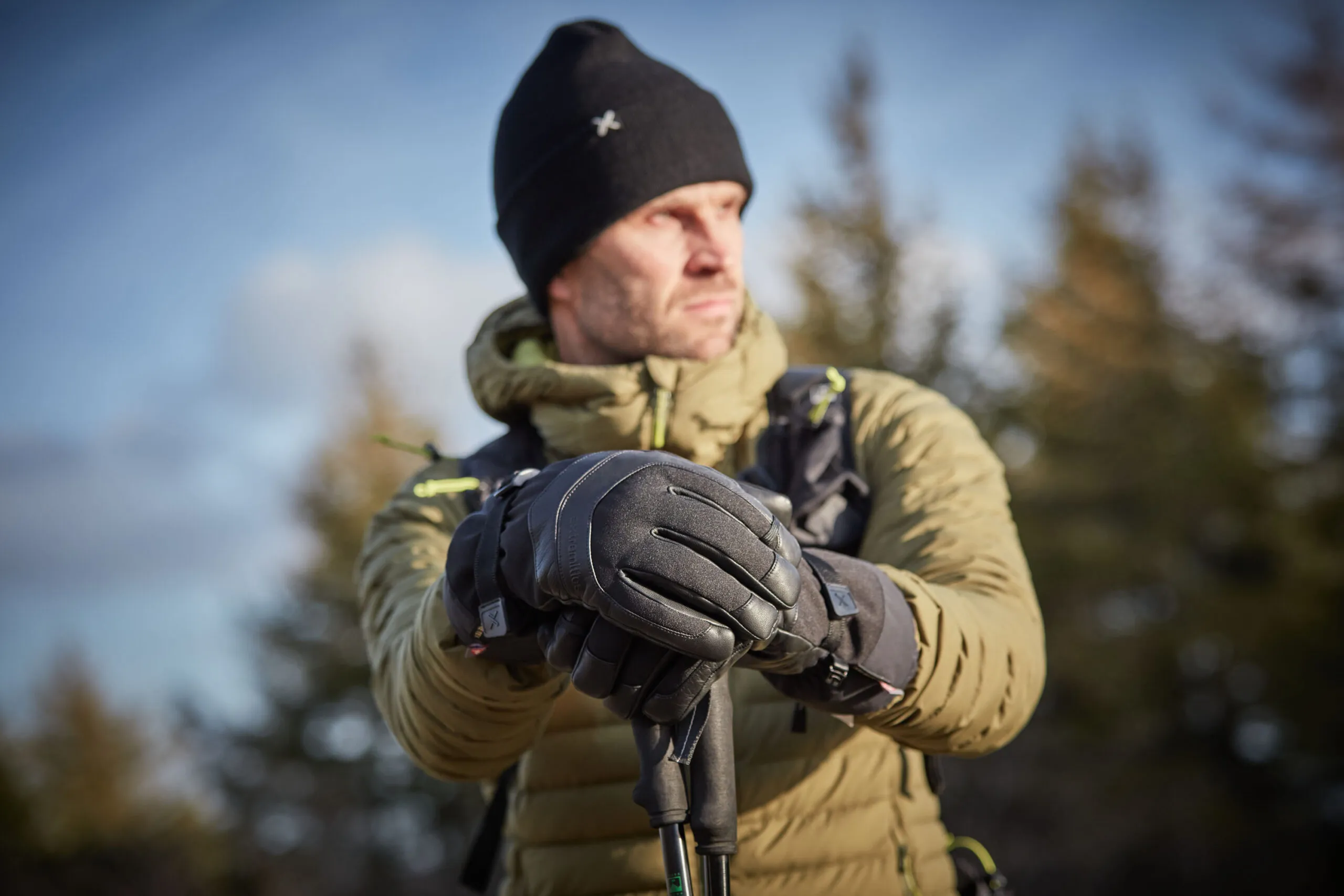
Extremities: the hand, head and feet: liner gloves, waterproof and insulated gloves and mitts, headwear, neck tubes, gaiters and socks. Worth naming them separately, because hands and feet are where cold camping actually goes wrong first.
Sleep socks are not a luxury.
One pair of dry socks that never touch a boot, kept in a dry bag, worn only in the sleeping bag. Damp feet will cost you sleep at 3°C and can cost you a lot more than that lower down.
Same principle applies to a base layer. Whatever you walked in is damp even if it doesn’t feel it. Change before you get in the bag, not after you’ve already cooled down.
Related: How to choose the right gloves · What are gaiters? · Waterproof socks: why they’re an essential piece of kit · Tips to help you prepare for camping in bad weather
Navigation and safety
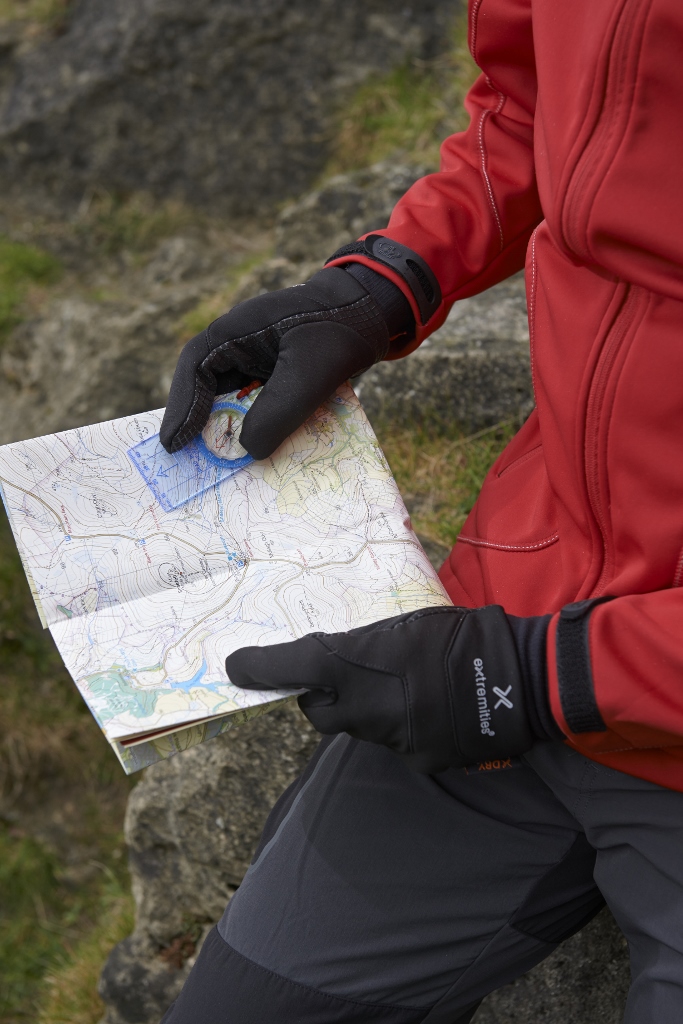
- Map and compass: Paper OS map in a waterproof case, and the ability to use it. Batteries fail, phones get wet, and the one time you need navigation is the one time conditions are bad.
- GPS or phone with offline maps: As a complement, not a replacement. Download the area before you leave signal.
- Power bank and cable: Cold flattens phone batteries fast.
- Head torch and spare batteries: Red-light mode preserves night vision and doesn’t wake your tent partner.
- First aid kit: blister care, painkillers, antiseptic, tape, and any personal medication with a couple of days spare.
- Emergency shelter: A bothy bag is the single most valuable safety item most walkers don’t carry. It turns a stationary casualty situation from serious to manageable. Our Superlite Bothy Bags pack down to nothing.
- Whistle: Six blasts, one minute, repeat.
- Left word: Tell someone your route and expected return. Free, weighs nothing.
Related: 8 uses for a bothy bag, and why you need one · Pros and cons of a bivi bag · How to use a tarp
Personal and hygiene
- Toothbrush and toothpaste
- Trowel for burying waste properly, at least 50m from water, 15cm deep
- Toilet paper, and a sealable bag to carry it out
- Hand sanitiser
- Small quick-dry towel
- Sun cream and SPF lip balm: more UV exposure at altitude than you expect, including on overcast days
- Insect repellent non-negotiable in the Highlands between June and August
- Head net for midges looks ridiculous, works
Repairs and spares
Small, light, and the difference between an early walk-out and a good trip.
- Spare pegs: (6)
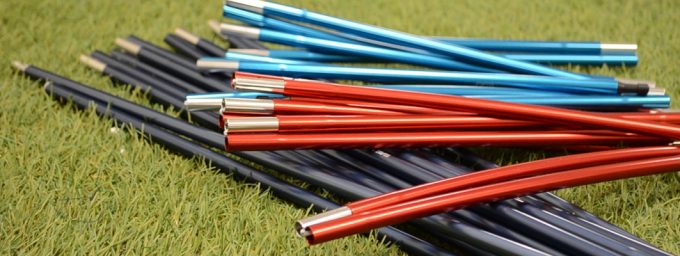
- Pole repair sleeve: slides over a fractured or bent section and splints it. Usually taped to a pole in the bag; find yours before you need it, in daylight.
- Repair tape: fabric patch tape for the fly, gaffer tape wrapped round a pole for everything else.
- Mat repair kit: A slowly deflating mat ruins a night.
- Spare cord: 3–4m of accessory cord replaces a guyline, rigs a washing line, lashes a broken strap.
- Knife or multi-tool
The commonest field repair is a pole section, and almost nobody has practised it.
Slide the repair sleeve over the damaged section, centre it on the break, and tape both ends. It’s a five-minute job in the daylight at home and a twenty-minute job in the wind at dusk if you’ve never done it.
While you’ve got the tent out: check the shockcord tension. Slack shockcord is what lets sections seat badly and crack in the first place. If the poles no longer snap together under their own tension, the cord wants replacing it’s a cheap part and we sell it.
Related: Tent poles explained · Caring for your tent poles · Seam seal your tent in 5 easy steps · How to store your tent for winter · Tent repairs · Shop spares and repairs
What to leave at home
Half of learning to wild camp is learning what not to carry.
- Anything cotton, including jeans and the “spare” t-shirt
- A second pair of boots
- Full-size toiletries decant
- A camping chair to sit on your mat
- A large tent: big pitches are conspicuous, harder to shelter, and against the spirit of the access codes
- A campfire kit: fires are prohibited across most of the uplands, scar the ground for years, and are a wildfire risk on dry peat. Use a stove.
- Glass
- Speakers
- “Just in case” clothing: the third mid layer that never comes out of the pack on any trip. If it didn’t get used last time, it isn’t coming this time.
FAQs
How heavy should my pack be? For a summer overnighter, most people land between 9 and 13kg including food and water. Under 8kg means you’ve made deliberate choices; over 15kg means you’re carrying something you don’t need. Weigh the pack at home before you find out on the hill.
What’s the difference between wild camping and camping? Campsite camping has facilities, vehicle access and no weight limit. Wild camping has none of those; you carry everything, there’s no water tap, no toilet and no shelter, and you’re responsible for leaving no trace.
Can I wild camp anywhere in the UK? No. It’s a legal right in Scotland (with the Loch Lomond permit exception) and on the Dartmoor Commons. Everywhere else in England and Wales you technically need the landowner’s permission; see the section above.
What tent size do I need? For solo wild camping, a 1-person tent works if you’re happy to keep your pack in the porch; a 2-person gives you room to sit out a wet afternoon. Two people should look at a 2-person for weight-sharing and a 3-person for comfort.
Do I need a footprint? On British ground, yes. Gritstone, heather stubble and buried flint will abrade a groundsheet, and the footprint is far cheaper to replace than the tent.
What about midges? Highland midge season runs roughly late May to early September, worst in still, damp, overcast conditions at dawn and dusk. Repellent, a head net, and a tent with a properly sealed mesh inner. Wind is your friend; an exposed pitch has fewer midges than a sheltered one.
Is it safe to camp alone? Plenty of people do. Tell someone your route and return time, carry a means of calling for help and an emergency shelter, and don’t push on into deteriorating weather because you’ve already committed to a pitch.
Take the list with you
Tick it off as you pack; the list saves your progress, adjusts for trip length and party size, and prints clean.